Contemporary Buddhism – serie
Visar alla böcker i serien Contemporary Buddhism. Handla med fri frakt och snabb leverans.
18 produkter
18 produkter
Häftad, Engelska, 2019
289 kr
Skickas inom 5-8 vardagar
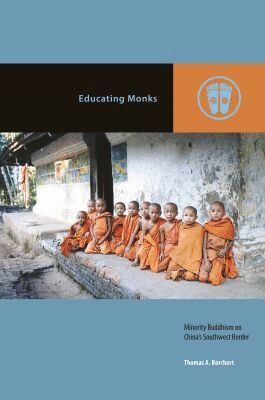
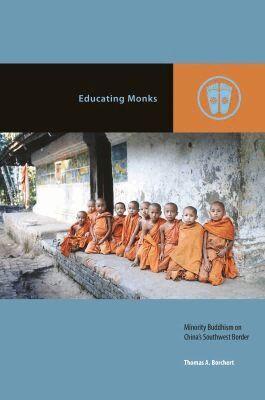
Most studies of Buddhist communities tend to be limited to villages, individual temple communities, or a single national community. Buddhist monastics, however, cross a number of these different framings: They are part of local communities, are governed through national legal frameworks, and participate in both national and transnational Buddhist networks. Educating Monks makes visible the ways Buddhist communities are shaped by all of the above—collectively and often simultaneously. Educating Monks examines a minority Buddhist community in Sipsongpannā, a region located on China's southwest border with Myanmar and Laos. Its people, the Dai-lue, are "double minorities": They are recognized by the Chinese state as part of a minority group, and they practice Theravāda Buddhism, a minority form within China, where Mahāyāna Buddhism is the norm. Theravāda has long been the primary training ground for Dai-lue men, and since the return of Buddhism to the area in the years following Mao Zedong's death, the Dai-lue have put many of their resources into providing monastic education for their sons. However, the author's analysis of institutional organization within Sipsongpannā, the governance of religion there, and the movements of monks (revealing the "ethnoscapes" that the monks of Sipsongpannā participate in) points to educational contexts that depend not just on local villagers, but also resources from the local (Communist) government and aid form Chinese Mahāyāna monks and Theravāda monks from Thailand and Myanmar. While the Dai-lue monks draw on these various resources for the development of the sangha, they do not share the same agenda and must continually engage in a careful political dance between villagers who want to revive traditional forms of Buddhism, a Chinese state that is at best indifferent to the continuation of Buddhism, and transnational monks that want to import their own modern forms of Buddhism into the region.Based on ethnographic fieldwork and interviews with Dai-lue monks in China, Thailand, and Singapore, this ambitious and sophisticated study will find a ready audience among students and scholars of the anthropology of Buddhism, and religion, education, and transnationalism in Southeast and East Asia.
Inbunden, Engelska, 2019
754 kr
Skickas
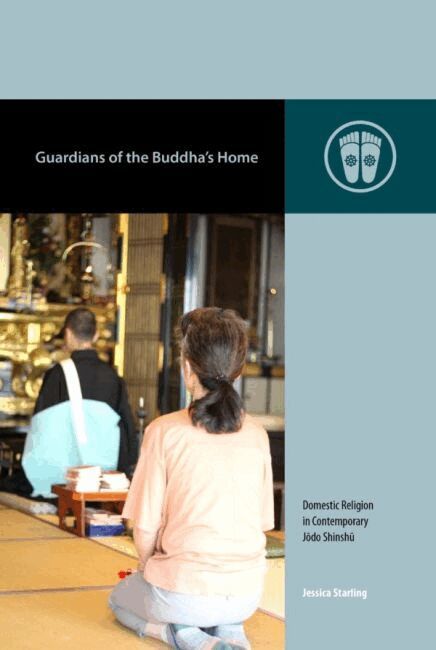
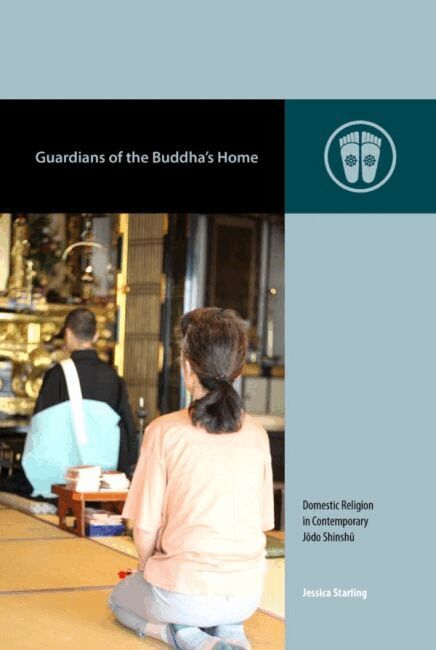
In Guardians of the Buddha's Home, Jessica Starling draws on nearly three years of ethnographic research to provide a comprehensive view of Jodo Shinshu (True Pure Land) temple life with temple wives (known as bomori, or temple guardians) at its center. Throughout, she focuses on ""domestic religion,"" a mode of doing religion centering on more informal religious expression that has received scant attention in the scholarly literature.The Buddhist temple wife's movement back and forth between the main hall and the ""back stage"" of the kitchen and family residence highlights the way religious meaning cannot be confined to canonical texts or to the area of the temple prescribed for formal worship. Starling argues that attaining Buddhist faith (shinjin) is just as likely to occur in response to a simple act of hospitality, a sense of community experienced at an informal temple gathering, or an aesthetic affinity with the temple space that has been carefully maintained by the bomori as it is from hearing the words of a Pure Land sutra intoned by a professional priest. For temple wives, the spiritual practice of button hosha (repayment of the debt owed to the Buddha for one's salvation) finds expression through the conscientious stewardship of temple donations, caring for the Buddha's home and opening it to lay followers, raising the temple's children, and propagating the teachings in the domestic sphere. Engaging with what religious scholars have called the ""turn to affect,"" Starling's work investigates in personal detail how religious dispositions are formed in individual practitioners. The answer, not surprisingly, has as much to do with intimate relationships and quotidian practices as with formal liturgies or scripted sermons.
Häftad, Engelska, 2020
302 kr
Skickas inom 5-8 vardagar
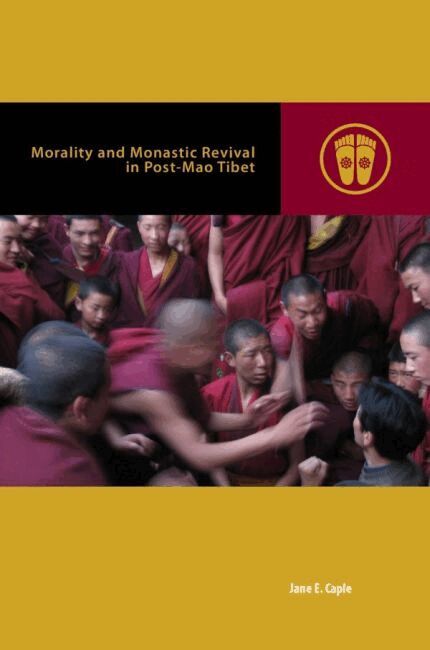
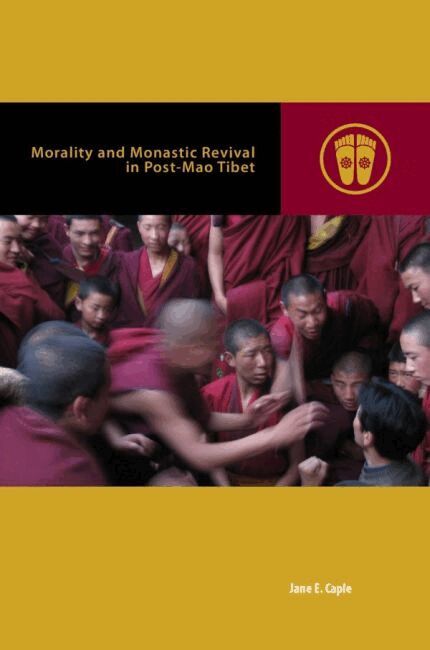
The speed and extent of the Tibetan Buddhist monastic revival make it one of the most extraordinary stories of religious resurgence in post-Mao China. At the end of the 1970s, there were no working monasteries; within a decade, thousands had been reconstructed and repopulated. Most studies have focused on the political challenges facing Tibetan monasteries, emphasizing their relationship to the Chinese state. Yet, in their efforts to revive and develop their institutions, monks have also had to negotiate a rapidly changing society, playing a delicate balancing act fraught with moral dilemma as well as political danger. Drawing on the recent "moral turn" in anthropology, this volume, the first full-length ethnographic study of the subject, explores the social and moral dimensions of monastic revival and reform across a range of Geluk monasteries in northeast Tibet (Amdo/Qinghai Province) from the 1980s on.Author Jane Caple's analysis shows that ideas and debates about how best to maintain the mundane bases of monastic Buddhism-economy and population-are intermeshed with those concerning the proper role and conduct of monks and the ethics of monastic-lay relations. Facing a shrinking monastic population, monks are grappling with the impacts of secular education, demographic transition, rising living standards, urbanization, and marketization, all of which have driven debates within Buddhism elsewhere and fueled perceptions of monastic decline. Some Tibetans-including monks-are even questioning the "good" of the mass form of monasticism that has been a distinctive feature of Tibetan society for hundreds of years. Given monastic Buddhism's integral position in Tibetan community life and association with Tibetan identity, Caple argues that its precarity in relation to Tibetan society raises questions about its future that go well beyond the issue of religious freedom.
Inbunden, Engelska, 2020
866 kr
Skickas inom 5-8 vardagar
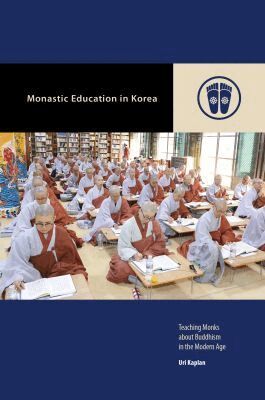
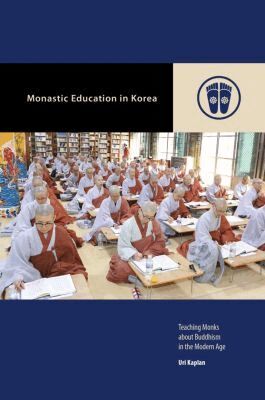
What do Buddhist monks learn about Buddhism? Which part of their enormous canonical and non-canonical literature do they choose to focus on as the required curriculum in their training, and what do they elect to leave out? The cultural depository of Buddhism includes some four thousand canonical texts, hundreds of other historical works, modern textbooks, oral traditions, and more recently, an increasingly growing body of online material. The sheer diversity of this mass of information makes the pedagogical choices of monastics worthy of close study.Monastic Education in Korea is essentially a biography of the Korean Buddhist monastic curriculum over the past five centuries. Based on extensive ethnographic work and archival research in Korean monasteries, it illustrates how a particular premodern syllabus was reimagined in the twentieth century to become the sole national Korean monastic pedagogical program—only to be criticized and completely restructured in recent years. Through a detailed analysis of these modifications, the work demonstrates how Korean Buddhist reformers today tend to imitate the educational practices and canonize the textual totems of the contemporary international discipline of Buddhist studies, and how, by doing so, they ultimately transform the local Korean tradition from a particular brand of Chinese-centered scholastic Chan into the inclusive, pluralistic, Indian-focused Buddhism common in English-language introductions to the religion.The book further examines the proliferation of diverse graduate schools for the sangha, as well as the creation of a novel examination system for all monastics. It reveals some of the realities of operating large monastic organizations in contemporary Asia and portrays a living, vibrant Buddhist community that is constantly negotiating with modern values and reformulating its core orthodoxies.
Häftad, Engelska, 2020
289 kr
Skickas inom 5-8 vardagar
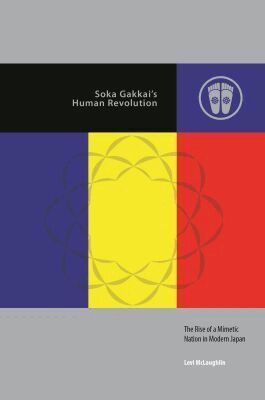
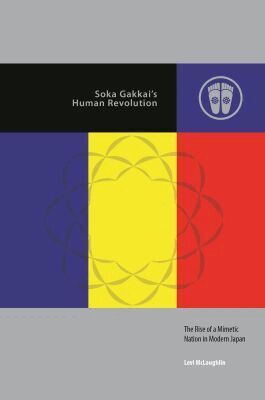
Soka Gakkai is Japan's largest and most influential new religious organization: It claims more than 8 million Japanese households and close to 2 million members in 192 countries and territories. The religion is best known for its affiliated political party, Komeito (the Clean Government Party), which comprises part of the ruling coalition in Japan's National Diet, and it exerts considerable influence in education, media, finance, and other key areas. Levi McLaughlin’s comprehensive account of Soka Gakkai draws on nearly two decades of archival research and non-member fieldwork to account for its institutional development beyond Buddhism and suggest how we should understand the activities and dispositions of its adherents. McLaughlin explores the group's Nichiren Buddhist origins and turns to insights from religion, political science, anthropology, and cultural studies to characterize Soka Gakkai as mimetic of the nation-state. Ethnographic vignettes combine with historical evidence to demonstrate ways Soka Gakkai's twin Buddhist and modern humanist legacies inform the organization's mimesis of the modern Japan in which the group took shape. To make this argument, McLaughlin analyzes Gakkai sources heretofore untreated in English-language scholarship; provides a close reading of the serial novel The Human Revolution, which serves the Gakkai as both history and de facto scripture; identifies ways episodes from members' lives form new chapters in its growing canon; and contributes to discussions of religion and gender as he chronicles the lives of members who simultaneously reaffirm generational transmission of Gakkai devotion as they pose challenges for the organization's future.Readers looking for analyses of the nation-state and strategies for understanding New Religions and modern Buddhism will find Soka Gakkai's Human Revolution to be an especially thought-provoking study that offers widely applicable theoretical models.
Häftad, Engelska, 2020
268 kr
Skickas inom 11-20 vardagar
In Guardians of the Buddha's Home, Jessica Starling draws on nearly three years of ethnographic research to provide a comprehensive view of Jōdo Shinshū (True Pure Land) temple life with temple wives (known as bōmori, or temple guardians) at its center. Throughout, she focuses on "domestic religion," a mode of doing religion centering on more informal religious expression that has received scant attention in the scholarly literature.The Buddhist temple wife's movement back and forth between the main hall and the "back stage" of the kitchen and family residence highlights the way religious meaning cannot be confined to canonical texts or to the area of the temple prescribed for formal worship. Starling argues that attaining Buddhist faith (shinjin) is just as likely to occur in response to a simple act of hospitality, a sense of community experienced at an informal temple gathering, or an aesthetic affinity with the temple space that has been carefully maintained by the bōmori as it is from hearing the words of a Pure Land sutra intoned by a professional priest. For temple wives, the spiritual practice of button hōsha (repayment of the debt owed to the Buddha for one's salvation) finds expression through the conscientious stewardship of temple donations, caring for the Buddha's home and opening it to lay followers, raising the temple's children, and propagating the teachings in the domestic sphere. Engaging with what religious scholars have called the "turn to affect," Starling's work investigates in personal detail how religious dispositions are formed in individual practitioners. The answer, not surprisingly, has as much to do with intimate relationships and quotidian practices as with formal liturgies or scripted sermons.
Inbunden, Engelska, 2022
745 kr
Skickas inom 5-8 vardagar
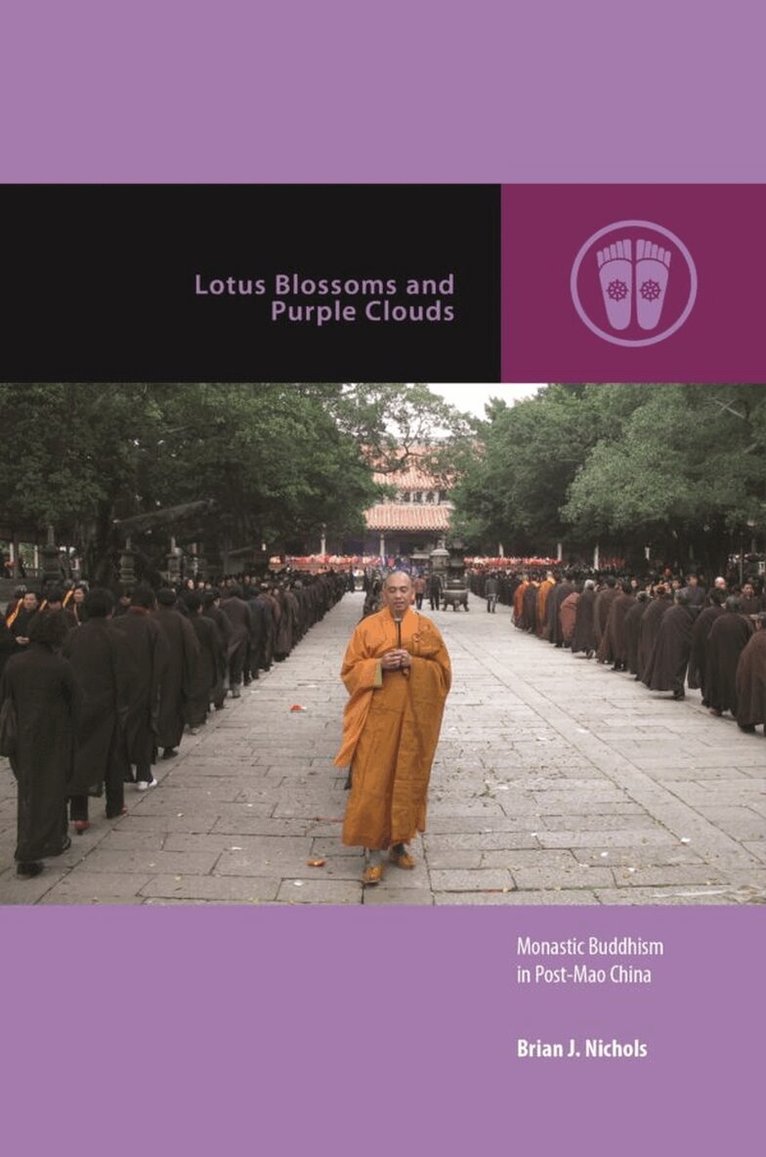
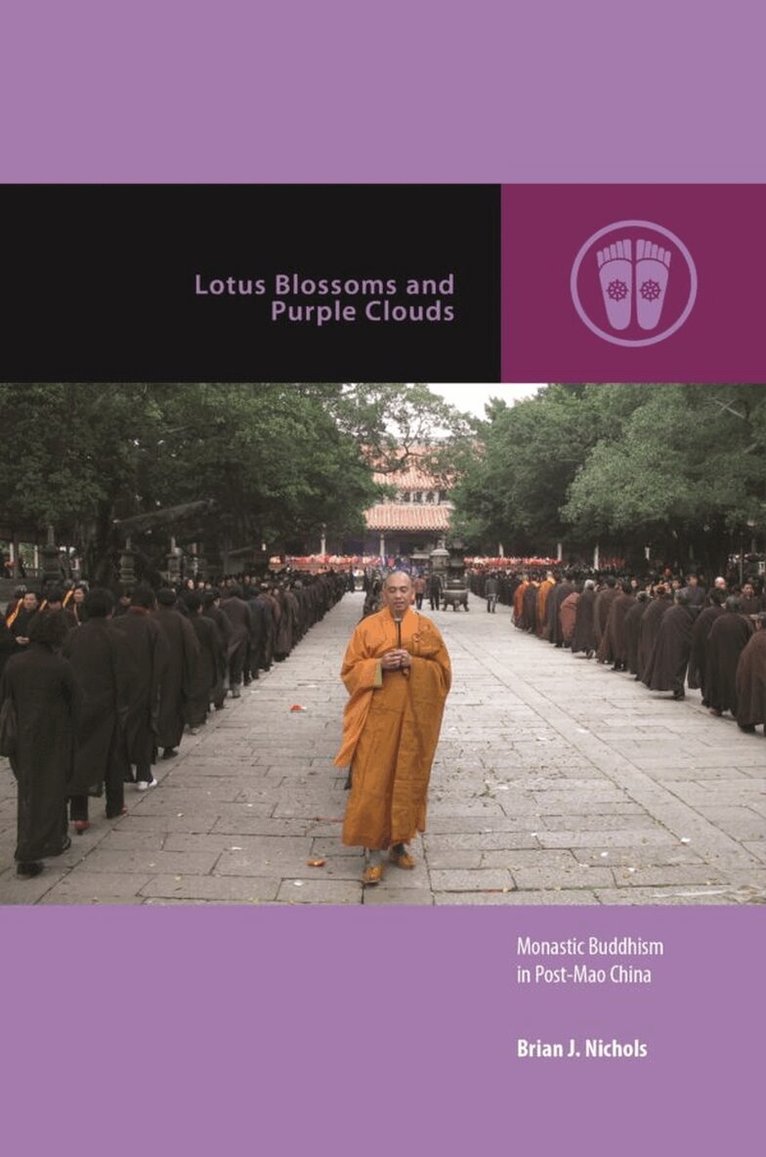
Southeast China is a traditional stronghold of Buddhism, but little scholarly attention has been paid to this fact. Brian Nichols’ pioneering book, Lotus Blossoms and Purple Clouds, centers on a large Buddhist monastery in Quanzhou and combines ethnographic detail with stimulating analysis to examine religion in post-Mao China. Nichols conducted more than twenty-six months of field research over a fourteen-year period (2005–2019) to develop a re-description of Chinese monastic Buddhism that reaches beyond canonical sources and master narratives to local texts, material culture, oral history, and living traditions. His work decenters normative accounts and sheds light on how Buddhism is lived and practiced. It introduces readers to Quanzhou Kaiyuan Monastery and its community of clergy striving to revive traditions after the turmoil of the Maoist era; the lay Buddhists worshiping in the monastery’s courtyards and halls; the busloads of tourists marveling at the site’s buildings and artifacts, some dating as far back as the Tang Dynasty (ninth century); and the local officials dedicated to supporting—and restricting—the return of religion.Using gazetteers, epigraphy, and other archival sources, Nichols begins by tracing the history of Quanzhou Kaiyuan Monastery from the Tang to the present, noting the continued relevance of preternatural events like the lotus-blooming mulberry trees and auspicious purple clouds associated with the founding of the monastery. The contemporary monastery is then explored through ethnographic participation/observation and interviews. Nichols uncovers a number of unexpected features of Buddhist religious life, making a case for the fundamentally liturgical nature of Buddhist monastic practice—one marked by a program of daily dhara?i (sacred text) recitation, esoteric traditions, and ancestor veneration. Finally, he presents an innovative spatial analysis of the Quanzhou Kaiyuan Monastery temple that reveals how different groups engage with the site to create a place of religious practice, a tourist attraction, and a community park.
Häftad, Engelska, 2021
316 kr
Skickas inom 5-8 vardagar
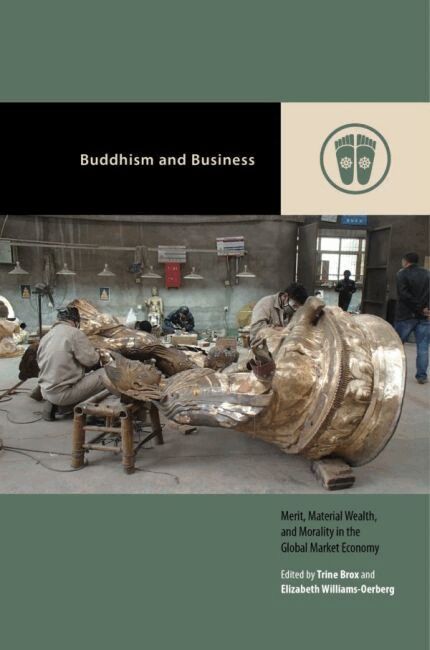
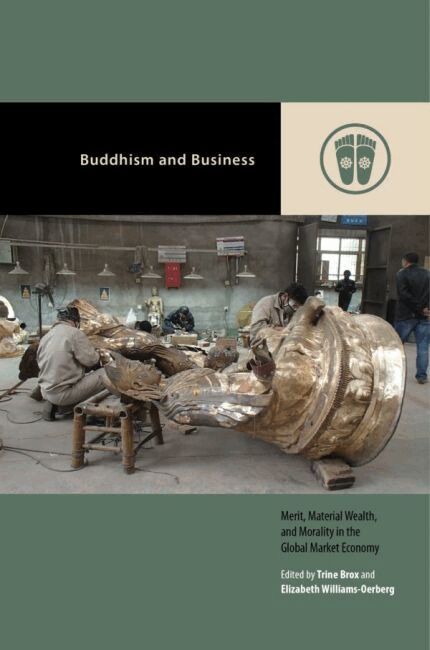
Although Buddhism is known for emphasizing the importance of detachment from materiality and money, in the last few decades Buddhists have become increasingly ensconced in the global market economy. The contributors to this volume address how Buddhists have become active participants in market dynamics in a global age, and how Buddhists and non-Buddhists alike engage Buddhism economically. Whether adopting market logics to promote the Buddha's teachings, serving as a source of semantics and technologies to maximize company profits, or reacting against the marketing and branding of the religion, Buddhists in the twenty-first century are marked by a heightened engagement with capitalism.Eight case studies present new research on contemporary Buddhist economic dynamics with an emphasis on not only the economic dimensions of religion, but also the religious dimensions of economic relations. In a wide range of geographic settings from Asia to Europe and beyond, the studies examine institutional as well as individual actions and responses to Buddhist economic relations. The research in this volume illustrates Buddhism's positioning in various ways-as a religion, spirituality, and non-religion; an identification, tradition, and culture; a source of values and morals; a world-view and way of life; a philosophy and science; even an economy, brand, and commodity. The work explores Buddhism's flexible and shifting qualities within the context of capitalism, and consumer society's reshaping of its portrayal and promotion in contemporary societies worldwide.
Häftad, Engelska, 2021
329 kr
Skickas inom 5-8 vardagar
What do Buddhist monks learn about Buddhism? Which part of their enormous canonical and non-canonical literature do they choose to focus on as the required curriculum in their training, and what do they elect to leave out? The cultural depository of Buddhism includes some four thousand canonical texts, hundreds of other historical works, modern textbooks, oral traditions, and more recently, an increasingly growing body of online material. The sheer diversity of this mass of information makes the pedagogical choices of monastics worthy of close study.Monastic Education in Korea is essentially a biography of the Korean Buddhist monastic curriculum over the past five centuries. Based on extensive ethnographic work and archival research in Korean monasteries, it illustrates how a particular premodern syllabus was reimagined in the twentieth century to become the sole national Korean monastic pedagogical program - only to be criticized and completely restructured in recent years. Through a detailed analysis of these modifications, the work demonstrates how Korean Buddhist reformers today tend to imitate the educational practices and canonize the textual totems of the contemporary international discipline of Buddhist studies, and how, by doing so, they ultimately transform the local Korean tradition from a particular brand of Chinese-centered scholastic Chan into the inclusive, pluralistic, Indian-focused Buddhism common in English-language introductions to the religion.The book further examines the proliferation of diverse graduate schools for the sangha, as well as the creation of a novel examination system for all monastics. It reveals some of the realities of operating large monastic organizations in contemporary Asia and portrays a living, vibrant Buddhist community that is constantly negotiating with modern values and reformulating its core orthodoxies.
Häftad, Engelska, 2021
316 kr
Skickas inom 5-8 vardagar
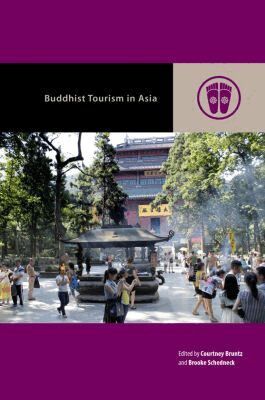
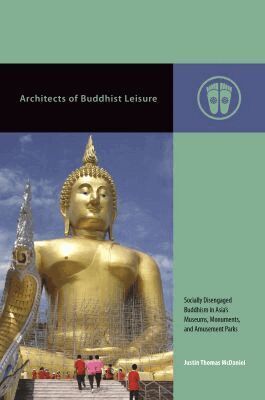
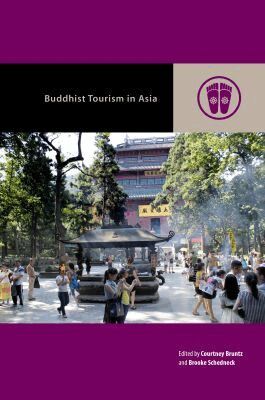
This innovative collaborative work-the first to focus on Buddhist tourism-explores how Buddhists, government organizations, business corporations, and individuals in Asia participate in re-imaginings of Buddhism through tourism. Contributors from religious studies, anthropology, and art history examine sacred places and religious monuments as they have been shaped and reshaped by socioeconomic and cultural trends in the region. Following an introduction that offers the first theoretical understanding of tourism from a Buddhist studies' perspective, early chapters discuss the ways Buddhists and non-Buddhists imagine concepts and places related to the religion. Case studies highlight Buddhist peace in India, Buddhist heavens and hells in Singapore, Thai temple space, and the future Buddha Maitreya in China. Buddhist tourism's connections to the state, market, and new technologies are explored in chapters on Indian package tours for pilgrims, thematic Buddhist tourism in Cambodia, the technological innovations of Buddhist temples in China, and the promotion of pilgrimage sites in Japan. Contributors then situate the financial concerns of Chinese temples, speed dating in temples in Japan, and the diffuse and pervasive nature of Buddhism for tourism promotion in Ladakh, India.How have tourist routes, groups, sites, and practices associated with Buddhism come to be possible and what are the effects? In what ways do travelers derive meaning from Buddhist places? How do Buddhist sites fortify national, cultural, or religious identities? The comparative research in South, Southeast, and East Asia presented here draws attention to the intertwining of the sacred and the financial and how local and national sites are situated within global networks. Together these findings generate a compelling comparative investigation of Buddhist spaces, identities, and practices.
Häftad, Engelska, 2021
289 kr
Skickas inom 5-8 vardagar
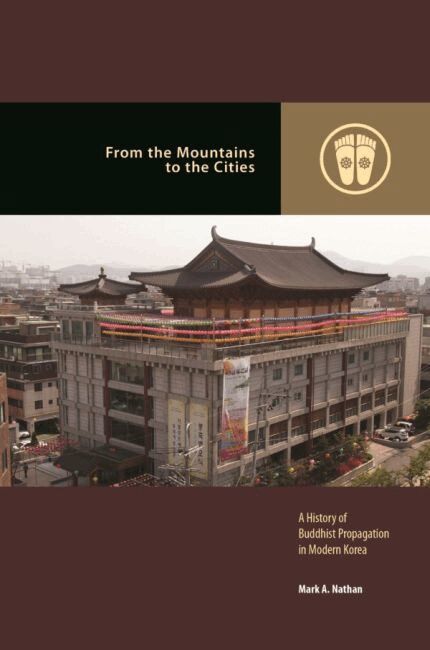
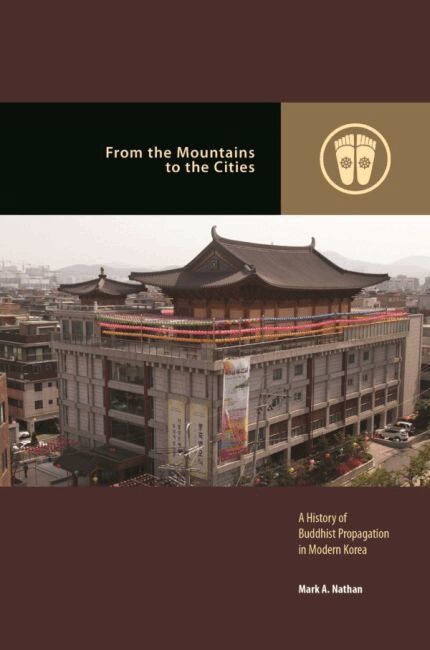
At the start of the twentieth century, the Korean Buddhist tradition was arguably at the lowest point in its 1,500-year history in the peninsula. Discriminatory policies and punitive measures imposed on the monastic community during the Chosŏn dynasty (1392–1910) had severely weakened Buddhist institutions. Prior to 1895, monastics were prohibited by law from freely entering major cities and remained isolated in the mountains where most of the surviving temples and monasteries were located. In the coming decades, profound changes in Korean society and politics would present the Buddhist community with new opportunities to pursue meaningful reform. The central pillar of these reform efforts was p’ogyo, the active propagation of Korean Buddhist teachings and practices, which subsequently became a driving force behind the revitalization of Buddhism in twentieth-century Korea.From the Mountains to the Cities traces p’ogyo from the late nineteenth to the early twenty-first century. While advocates stressed the traditional roots and historical precedents of the practice, they also viewed p’ogyo as an effective method for the transformation of Korean Buddhism into a modern religion—a strategy that proved remarkably resilient as a response to rapidly changing social, political, and legal environments. As an organizational goal, the concerted effort to propagate Buddhism conferred legitimacy and legal recognition on Buddhist temples and institutions, enabled the Buddhist community to compete with religious rivals (especially Christian missionaries), and ultimately provided a vehicle for transforming a "mountain-Buddhism" tradition, as it was pejoratively called, into a more accessible and socially active religion with greater lay participation and a visible presence in the cities. Ambitious and meticulously researched, From the Mountains to the Cities will find a ready audience among researchers and scholars of Korean history and religion, modern Buddhist reform movements in Asia, and those interested in religious missions and proselytization more generally.
Häftad, Engelska, 2023
289 kr
Skickas inom 5-8 vardagar
Southeast China is a traditional stronghold of Buddhism, but little scholarly attention has been paid to this fact. Brian Nichols’s pioneering book, Lotus Blossoms and Purple Clouds, centers on a large Buddhist monastery in Quanzhou and combines ethnographic detail with stimulating analysis to examine religion in post-Mao China. Nichols conducted more than twenty-six months of field research over a fourteen-year period (2005–2019) to develop a re-description of Chinese monastic Buddhism that reaches beyond canonical sources and master narratives to local texts, material culture, oral history, and living traditions. His work decenters normative accounts and sheds light on how Buddhism is lived and practiced. It introduces readers to Quanzhou Kaiyuan Monastery and its community of clergy striving to revive traditions after the turmoil of the Maoist era; the lay Buddhists worshiping in the monastery’s courtyards and halls; the busloads of tourists marveling at the site’s buildings and artifacts, some dating as far back as the Tang Dynasty (ninth century); and the local officials dedicated to supporting—and restricting—the return of religion.Using gazetteers, epigraphy, and other archival sources, Nichols begins by tracing the history of Quanzhou Kaiyuan Monastery from the Tang Dynasty to the present, noting the continued relevance of preternatural events like the lotus-blooming mulberry trees and auspicious purple clouds associated with the founding of the monastery. The contemporary monastery is then explored through ethnographic participation/observation and interviews. Nichols uncovers a number of unexpected features of Buddhist religious life, making a case for the fundamentally liturgical nature of Buddhist monastic practice—one marked by a program of daily dharaṇi (sacred text) recitation, esoteric traditions, and ancestor veneration. Finally, he presents an innovative spatial analysis of the Quanzhou Kaiyuan Monastery temple that reveals how different groups engage with the site to create a place of religious practice, a tourist attraction, and a community park.
Inbunden, Engelska, 2024
812 kr
Skickas inom 5-8 vardagar
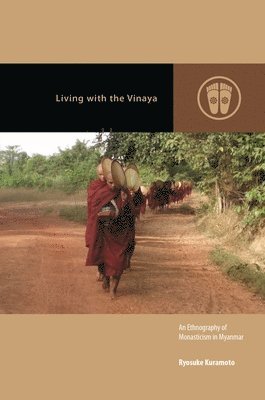
Around the first century BCE, Buddhist monks formed monasteries and established relationships with kings and lay people. The rules monks live by, the Vinaya, are a pivotal source of meaning for them and their dealings with society and form the basis of multiple monasticisms across geographical regions and throughout history. The ways in which the Vinaya is understood and practiced, therefore, must take into account the kind of monasticism that emerges from it. In Living with the Vinaya, Ryosuke Kuramoto examines the process of creating monasticism in contemporary Myanmar by focusing on how monks acquire, possess, and consume material goods.To live as a monk means to obtain resources from society and to own and use these according to monastic rules. Over the centuries, as monks interacted more with the world beyond the monastery, the question of what a monk ""should be"" became a concern for not only monks, but also government authorities and lay people. How monks interpreted and observed the Vinaya became a question of legitimacy and power. Kuramoto’s ethnographic analysis reveals the constant (re)creation of monasticism in Myanmar resulting from the interactions between monks and these groups in response to this question. He identifies some of the key mechanisms by which monasticism and broader Buddhist institutions are created and transformed and concludes that monastic governance is inseparable from the Buddhist state and the society that surrounds it.
Inbunden, Engelska, 2025
934 kr
Skickas inom 5-8 vardagar
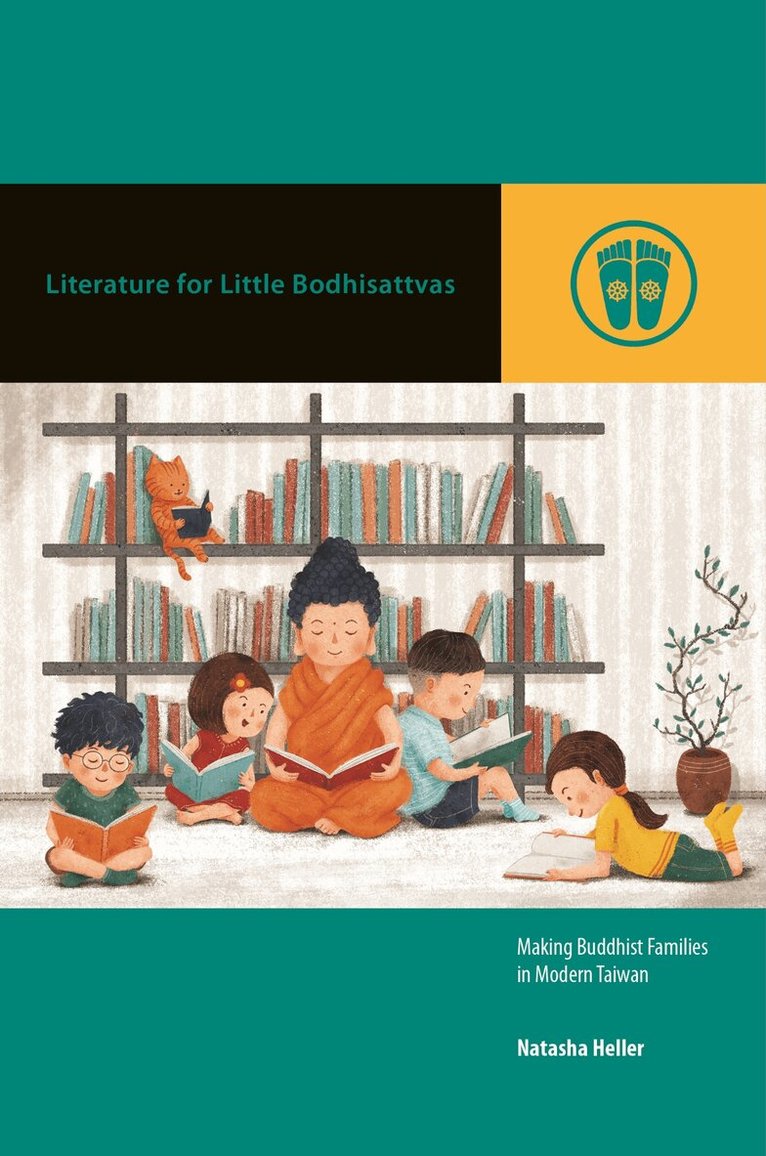
In Literature for Little Bodhisattvas, Natasha Heller makes two key interventions: first, she argues that picturebooks are a new genre of Buddhist writing, and second, she calls attention to an emergent family Buddhism in Taiwan that fashions children as religious subjects through shared attention with adult readers. Surveying Taiwanese Buddhism from the ground up, Heller explores the changing family dynamics that have made children into a crucial audience for Buddhist education and the home a key site for Buddhist cultivation. By taking picturebooks seriously as part of the Buddhist textual tradition, Heller demonstrates their engagement with canonical sources alongside innovations for modern audiences. Close readings analyzing both text and image trace narrative themes about Buddhist figures, and connect representations of buddhas and bodhisattvas to a visual culture where new values such as cuteness are articulated. Heller shows that picturebooks have become an integral part of a contemporary Buddhist education that equips children with strategies to interpret everyday life in Buddhist ways and provides religious models for action in the modern world. Literature for Little Bodhisattvas is a pathbreaking work revealing how contemporary picturebooks reframe Buddhism and offer fresh perspectives on its teachings and ideals of family for both children and adults.
Häftad, Engelska, 2026
316 kr
Skickas inom 5-8 vardagar
Around the first century BCE, Buddhist monks formed monasteries and established relationships with kings and lay people. The rules monks live by, the Vinaya, are a pivotal source of meaning for them and their dealings with society and form the basis of multiple monasticisms across geographical regions and throughout history. The ways in which the Vinaya is understood and practiced, therefore, must take into account the kind of monasticism that emerges from it. In Living with the Vinaya, Ryosuke Kuramoto examines the process of creating monasticism in contemporary Myanmar by focusing on how monks acquire, possess, and consume material goods. To live as a monk means to obtain resources from society and to own and use these according to monastic rules. Over the centuries, as monks interacted more with the world beyond the monastery, the question of what a monk "should be" became a concern for not only monks, but also government authorities and lay people. How monks interpreted and observed the Vinaya became a question of legitimacy and power. Kuramoto’s ethnographic analysis reveals the constant (re)creation of monasticism in Myanmar resulting from the interactions between monks and these groups in response to this question. He identifies some of the key mechanisms by which monasticism and broader Buddhist institutions are created and transformed and concludes that monastic governance is inseparable from the Buddhist state and the society that surrounds it.
Häftad, Engelska, 2026
343 kr
Skickas inom 5-8 vardagar
In Literature for Little Bodhisattvas, Natasha Heller makes two key interventions: first, she argues that picturebooks are a new genre of Buddhist writing, and second, she calls attention to an emergent family Buddhism in Taiwan that fashions children as religious subjects through shared attention with adult readers. Surveying Taiwanese Buddhism from the ground up, Heller explores the changing family dynamics that have made children into a crucial audience for Buddhist education and the home a key site for Buddhist cultivation. By taking picturebooks seriously as part of the Buddhist textual tradition, Heller demonstrates their engagement with canonical sources alongside innovations for modern audiences. Close readings analyzing both text and image trace narrative themes about Buddhist figures, and connect representations of buddhas and bodhisattvas to a visual culture where new values such as cuteness are articulated. Heller shows that picturebooks have become an integral part of a contemporary Buddhist education that equips children with strategies to interpret everyday life in Buddhist ways and provides religious models for action in the modern world. Literature for Little Bodhisattvas is a pathbreaking work revealing how contemporary picturebooks reframe Buddhism and offer fresh perspectives on its teachings and ideals of family for both children and adults.
Inbunden, Engelska, 2025
807 kr
Skickas inom 5-8 vardagar
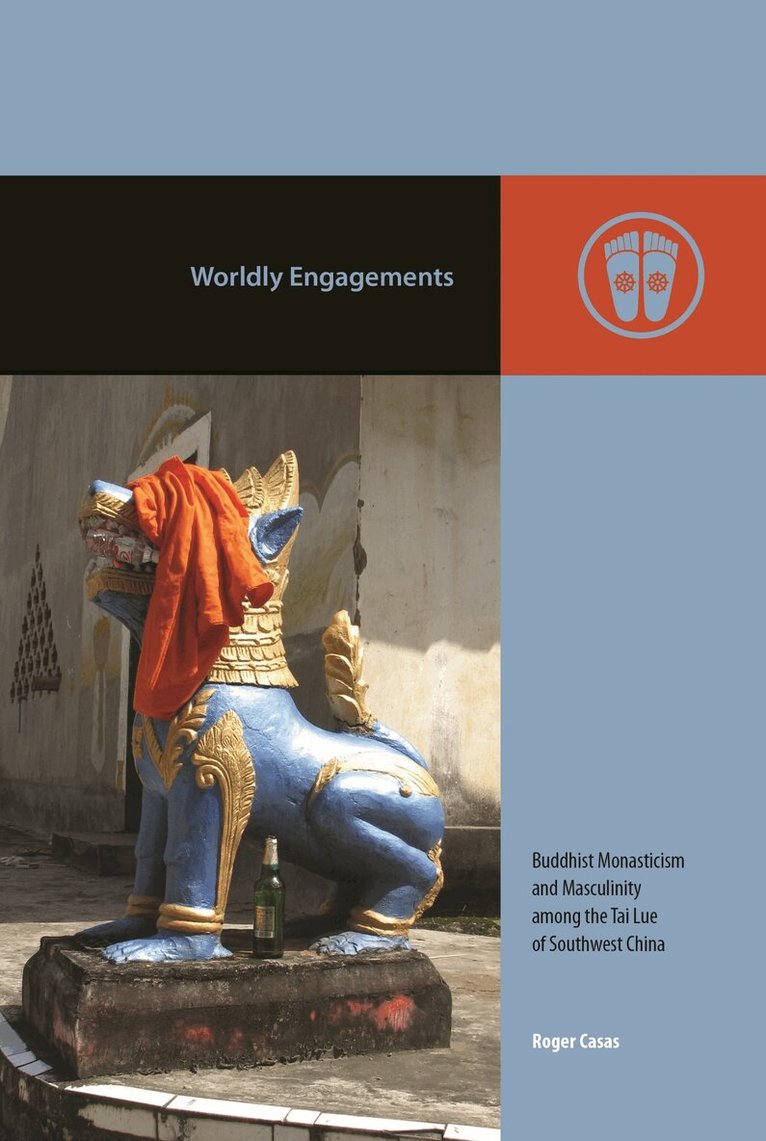
The Tai Lue of Sipsong Panna, located in China’s southern Yunnan province, are the largest community of Theravada Buddhists in a country where the Mahayana tradition is historically and overwhelmingly dominant. Following years of repression during the Maoist era, in the 1980s Buddhism among the Lue recovered and even thrived. In recent decades, and in light of ever-increasing global connectivity and visibility online, the public participation of Tai Lue novices and monks in practices such as eating in the afternoon, drinking alcohol, having girlfriends, and competing in sports—all considered unfitting, even unacceptable, behavior for Buddhist monastics in China and Southeast Asia—has been censured and evidenced as proof of the inadequacies and backwardness of this minority religious community. Worldly Engagements places such alleged misconduct by Lue monastics at the center of its enquiry to demonstrate that, far from characterizing a degraded or corrupt form of practice, it represents an essential part of the monasticism traditionally prevalent in the region, an all-encompassing and amphibious technology of self-mastery inextricably embedded in the mundane and the non-religious—that is, a vernacular discipline concerned mainly with making boys into men. Based on long-term ethnographic research in Sipsong Panna and earlier work conducted on mainland Southeast Asia, Worldly Engagements offers a comprehensive and innovative view of temporary Buddhist ordination among the Tai Lue as a key element in the contemporary configuration of localized manhood. It expands on conventional understandings of monasticism by focusing on religious specialists’ daily routines—from the moment they enter the temple as novices to their disrobing—paying attention to the socially embedded and individually embodied aspects of a journey determined by the dynamics of gender performance. The result is a rich portrayal of the temple experience as a site for Lue youths to negotiate competing demands from families, religious superiors, and peers, as well as navigate the challenges presented by national models of successful masculinity and the powerful influence of Thai Buddhism.
Inbunden, Engelska, 2026
1 040 kr
Kommande
Temples and Teahouses delves into the daily lives of Buddhist monastics, lay practitioners, entrepreneurs, and government officials working to expand Buddhism in a highly secular country. Drawing on two decades of ethnographic research in cities throughout China, author Gareth Fisher explores how these determined visionaries collaborated to restore temples and open teahouses to meet growing demand for Buddhist practice spaces. Some sought to revive traditional practices such as devotion to Amitabha while others offered new programs that included charitable work and mindfulness meditation to address the changing needs of urban people. Through an analysis of their efforts, Fisher examines the paradoxical relationship between Buddhism and secularity, defined by philosopher Charles Taylor not as religion’s absence but as an awareness of both immanent and transcendent possibilities of being. The urban Buddhist communities Fisher encountered challenged religion’s separation from everyday life under secularization while simultaneously establishing new boundaries between the religious and secular. They transformed temples and teahouses into refuges from the demands and materialistic values of modern city life—into "spaces of otherwise" where they could explore novel ways of thinking while navigating the cross-pressures of living both Buddhist and secular lives. Temples and Teahouses will appeal to a wide range of readers interested in the role of Buddhism in modernity, the place of lived religion in contemporary Chinese society, and the relationship between religion and secularism.