Critical Perspectives on Eudora Welty - Böcker
Visar alla böcker i serien Critical Perspectives on Eudora Welty. Handla med fri frakt och snabb leverans.
13 produkter
13 produkter
1 355 kr
Skickas inom 10-15 vardagar
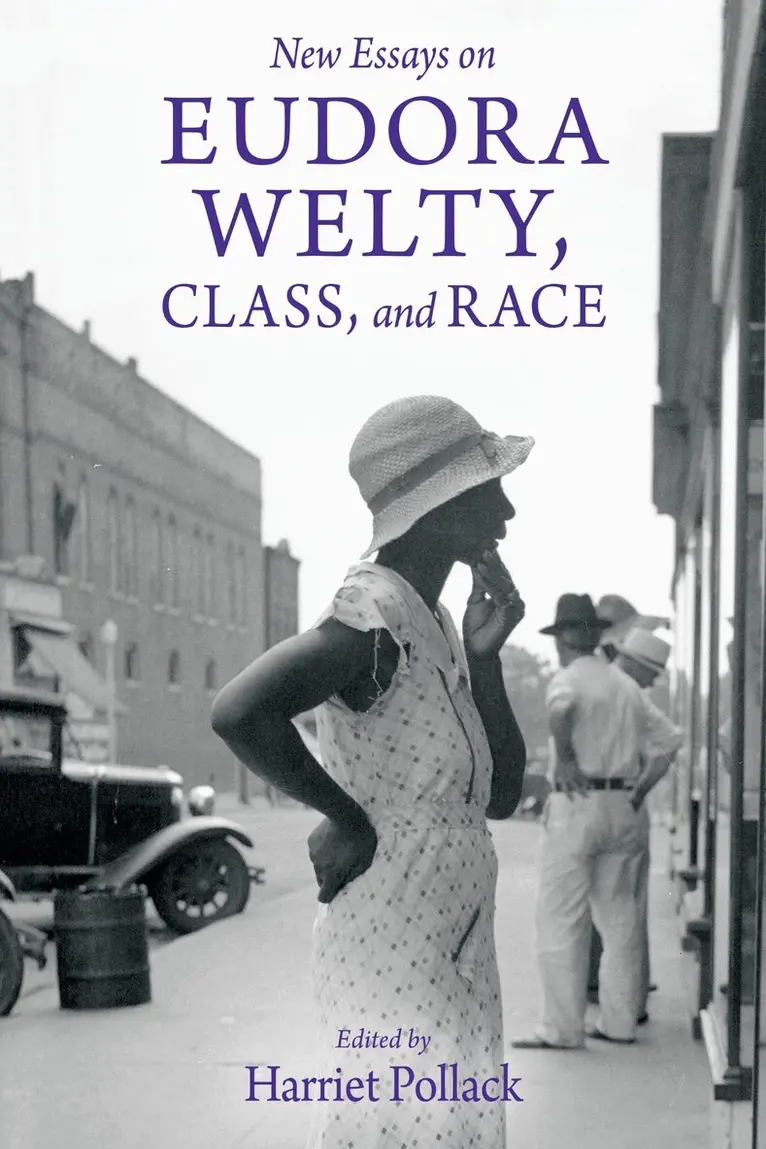
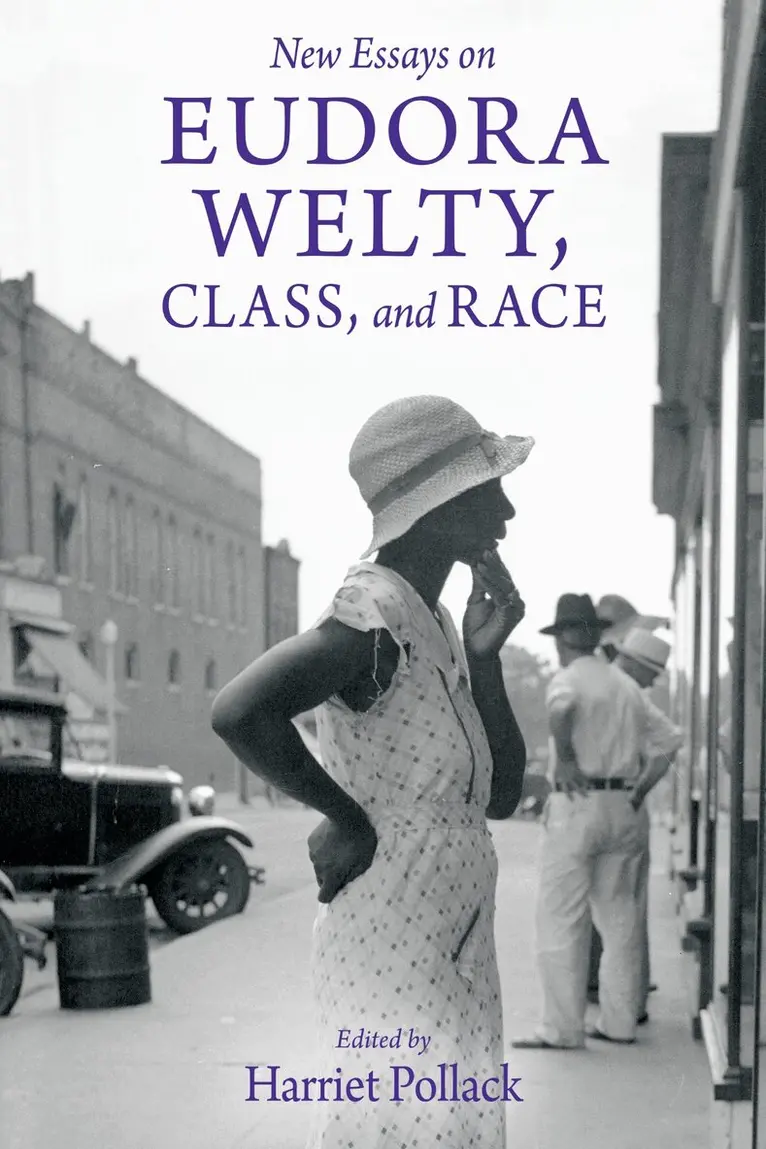
Contributions by Jacob Agner, Susan V. Donaldson, Sarah Gilbreath Ford, Stephen M. Fuller, Jean C. Griffith, Ebony Lumumba, Rebecca Mark, Donnie McMahand, Kevin Murphy, Harriet Pollack, Christin Marie Taylor, Annette Trefzer, and Adrienne Akins Warfield. The year 2013 saw the publication of Eudora Welty, Whiteness, and Race, a collection in which twelve critics changed the conversation on Welty’s fiction and photography by mining and deciphering the Complexity of her responses to the Jim Crow South. The thirteen diverse voices in New Essays on Eudora Welty, Class, and Race deepen, reflect on, and respond to those seminal discussions. These essays freshly consider such topics as Welty’s uses of African American signifying in her short stories and her attention to public street performances interacting with Jim Crow rules in her unpublished photographs. Contributors discuss her adaptations of gothic plots, haunted houses, Civil War stories, and film noir. And they frame Welty’s work with such Subjects as Bob Dylan’s songwriting, the idea and history of the orphan in America, and standup comedy. They compare her handling of whiteness and race to other works by such contemporary writers as William Faulkner, Richard Wright, Toni Morrison, Chester Himes, and Alice Walker. Discussions of race and class here also bring her masterwork The Golden Apples and her novel Losing Battles, underrepresented in earlier conversations, into new focus.Moreover, as a group these essays provide insight into Welty as an innovative craftswoman and modernist technician, busily altering literary form with her frequent, pointed makeovers of familiar story patterns, plots, and genres.
421 kr
Skickas inom 10-15 vardagar
Contributions by Jacob Agner, Susan V. Donaldson, Sarah Gilbreath Ford, Stephen M. Fuller, Jean C. Griffith, Ebony Lumumba, Rebecca Mark, Donnie McMahand, Kevin Murphy, Harriet Pollack, Christin Marie Taylor, Annette Trefzer, and Adrienne Akins Warfield. The year 2013 saw the publication of Eudora Welty, Whiteness, and Race, a collection in which twelve critics changed the conversation on Welty’s fiction and photography by mining and deciphering the Complexity of her responses to the Jim Crow South. The thirteen diverse voices in New Essays on Eudora Welty, Class, and Race deepen, reflect on, and respond to those seminal discussions. These essays freshly consider such topics as Welty’s uses of African American signifying in her short stories and her attention to public street performances interacting with Jim Crow rules in her unpublished photographs. Contributors discuss her adaptations of gothic plots, haunted houses, Civil War stories, and film noir. And they frame Welty’s work with such Subjects as Bob Dylan’s songwriting, the idea and history of the orphan in America, and standup comedy. They compare her handling of whiteness and race to other works by such contemporary writers as William Faulkner, Richard Wright, Toni Morrison, Chester Himes, and Alice Walker. Discussions of race and class here also bring her masterwork The Golden Apples and her novel Losing Battles, underrepresented in earlier conversations, into new focus.Moreover, as a group these essays provide insight into Welty as an innovative craftswoman and modernist technician, busily altering literary form with her frequent, pointed makeovers of familiar story patterns, plots, and genres.
1 213 kr
Skickas inom 10-15 vardagar
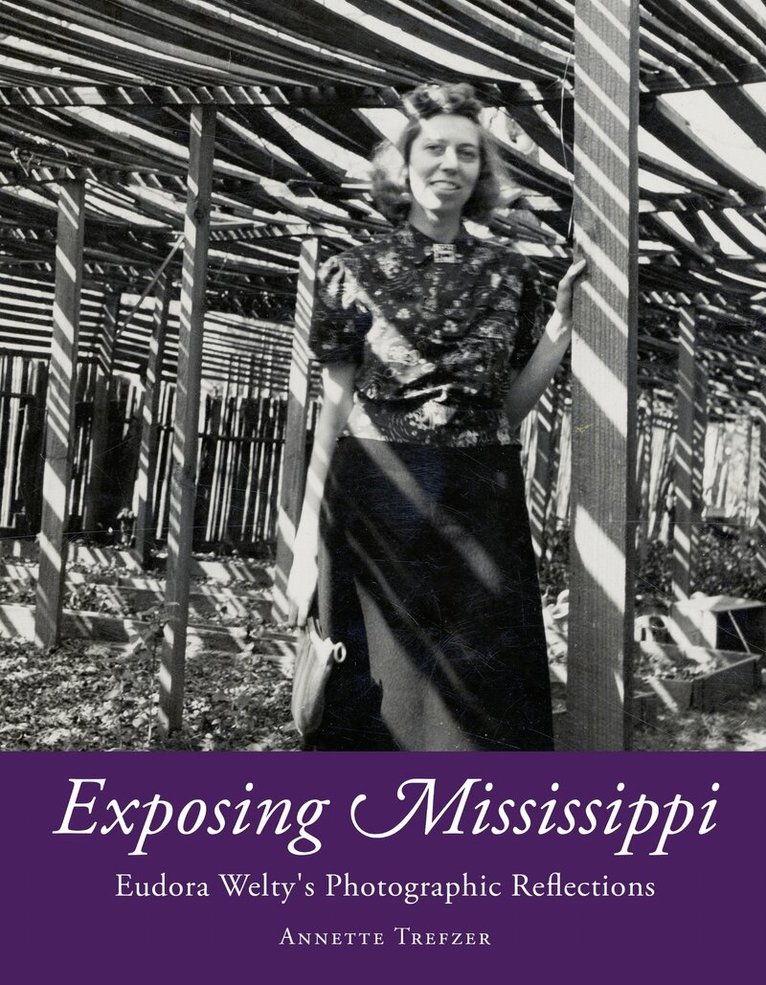
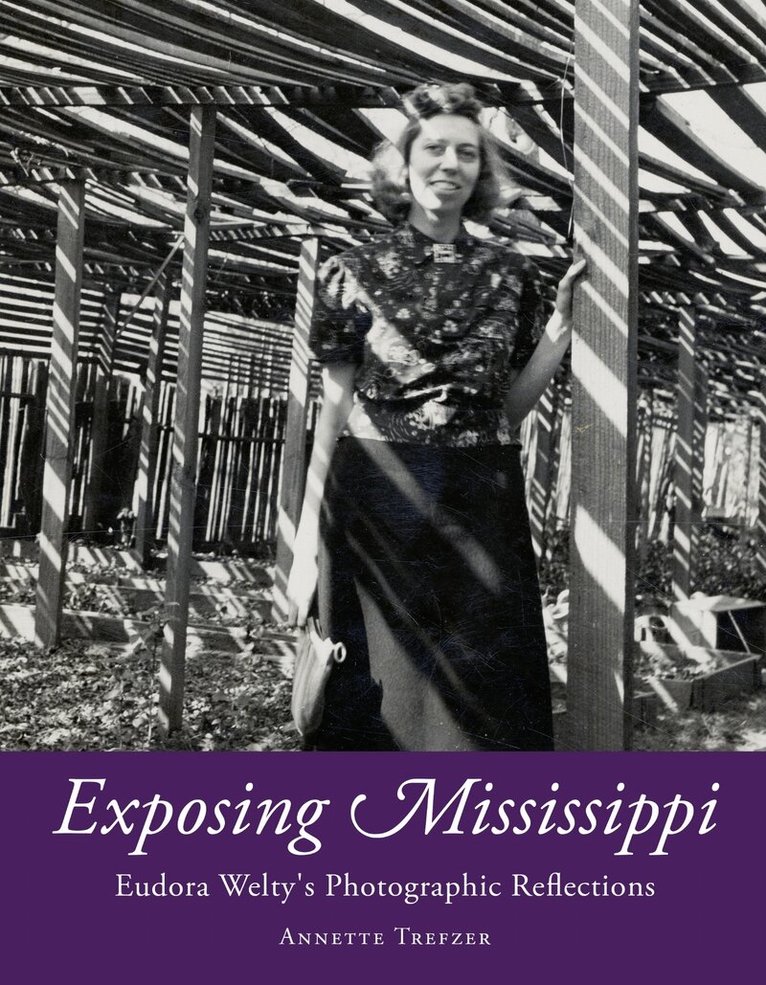
Internationally known as a writer, Eudora Welty has as well been spotlighted as a talented photographer. The prevalent idea remains that Welty simply took snapshots before she found her true calling as a renowned fiction writer. But who was Welty as a photographer? What did she see? How and why did she photograph? And what did Welty know about modern photography? In Exposing Mississippi: Eudora Welty's Photographic Reflections, Annette Trefzer elucidates Welty’s photographic vision and answers these questions by exploring her photographic archive and writings on photography.The photographs Welty took in the 1930s and ’40s frame her visual response to the cultural landscapes of the segregated South during the Depression. The photobook One Time, One Place, which was selected, curated, and shaped into a visual narrative by Welty herself, serves as a starting point and guide for the following chapters on her spatial hermeneutic. The book is divided into sections by locations and offers how the framing of these areas reveals Welty’s radical commentary of the spaces her camera captured. There are over eighty images in Exposing Mississippi, including some never-before-seen archival photographs, and sections of the book draw on over three hundred more. The chapters on institutional, leisure, and memorial landscapes address how Welty’s photographs contribute to, reflect on, and intervene in customary visual constructions of the Depression-era South.
432 kr
Skickas inom 10-15 vardagar
Internationally known as a writer, Eudora Welty has as well been spotlighted as a talented photographer. The prevalent idea remains that Welty simply took snapshots before she found her true calling as a renowned fiction writer. But who was Welty as a photographer? What did she see? How and why did she photograph? And what did Welty know about modern photography? In Exposing Mississippi: Eudora Welty's Photographic Reflections, Annette Trefzer elucidates Welty’s photographic vision and answers these questions by exploring her photographic archive and writings on photography.The photographs Welty took in the 1930s and ’40s frame her visual response to the cultural landscapes of the segregated South during the Depression. The photobook One Time, One Place, which was selected, curated, and shaped into a visual narrative by Welty herself, serves as a starting point and guide for the following chapters on her spatial hermeneutic. The book is divided into sections by locations and offers how the framing of these areas reveals Welty’s radical commentary of the spaces her camera captured. There are over eighty images in Exposing Mississippi, including some never-before-seen archival photographs, and sections of the book draw on over three hundred more. The chapters on institutional, leisure, and memorial landscapes address how Welty’s photographs contribute to, reflect on, and intervene in customary visual constructions of the Depression-era South.
1 355 kr
Skickas inom 10-15 vardagar
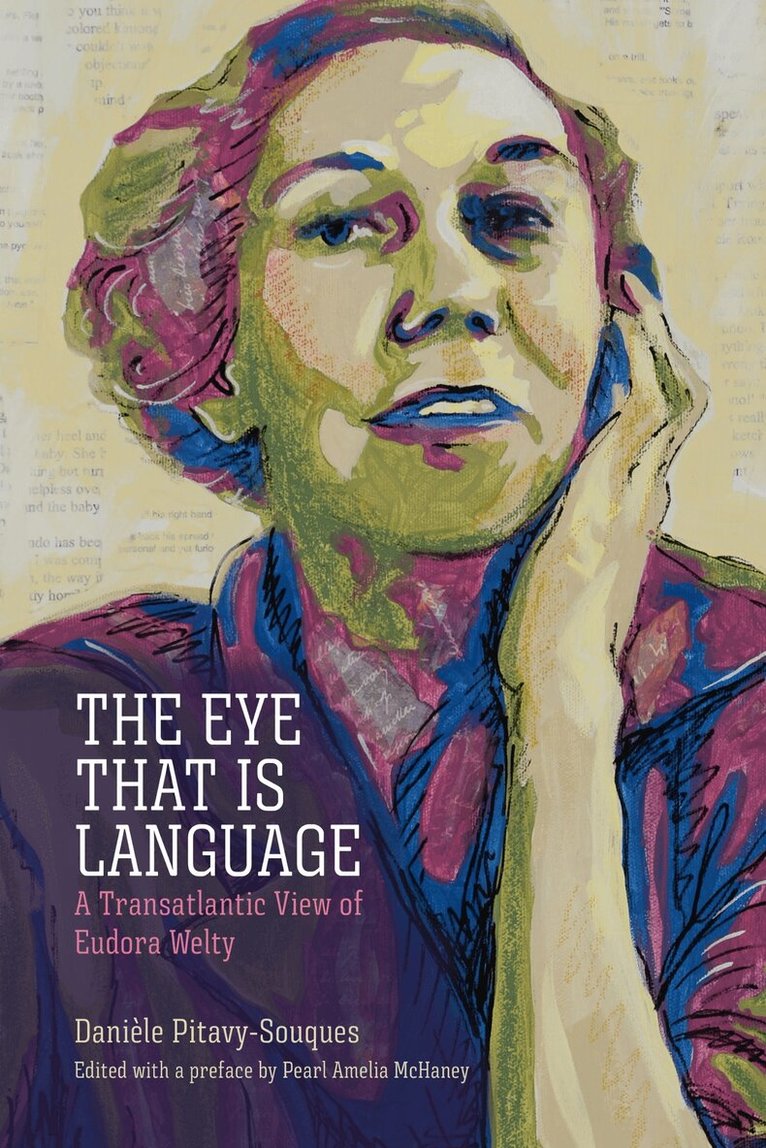
Danièle Pitavy-Souques was a European powerhouse of Welty studies. In this collection of essays, Pitavy-Souques pours new light on Welty’s view of the world and her international literary import, challenging previous readings of Welty’s fiction, memoir, and photographs in illuminating ways. The nine essays collected here offer scholars, critics, and avid readers a new understanding and enjoyment of Welty’s work. The volume explores beloved stories in Welty’s masterpiece The Golden Apples, as well as "A Curtain of Green," "Flowers for Marjorie," "Old Mr. Marblehall," "A Still Moment," "Livvie," "Circe," "Kin," and The Optimist’s Daughter, One Writer’s Beginnings, and One Time, One Place. Essays include "Technique as Myth: The Structure of The Golden Apples" (1979), "A Blazing Butterfly: The Modernity of Eudora Welty" (1987), and others written between 2000 and 2018. Together, they reveal and explain Welty’s brilliance for employing the particular to discover the universal.Pitavy-Souques, who briefly lived in and often revisited the South, met with Welty several times in her Jackson, Mississippi, home. Her readings draw on the visual arts, European theorists, and styles of modernism, postmodernism, surrealism, as well as the baroque and the gothic. The included essays reflect Pitavy-Souques’s European education, her sophisticated understanding of intellectual theories and artistic movements abroad, and her passion for the literary achievement of women of genius. The Eye That Is Language: A Transatlantic View of Eudora Welty reveals the way in which Welty’s narrative techniques broaden her work beyond southern myths and mysteries into a global perspective of humanity.
415 kr
Skickas inom 7-10 vardagar
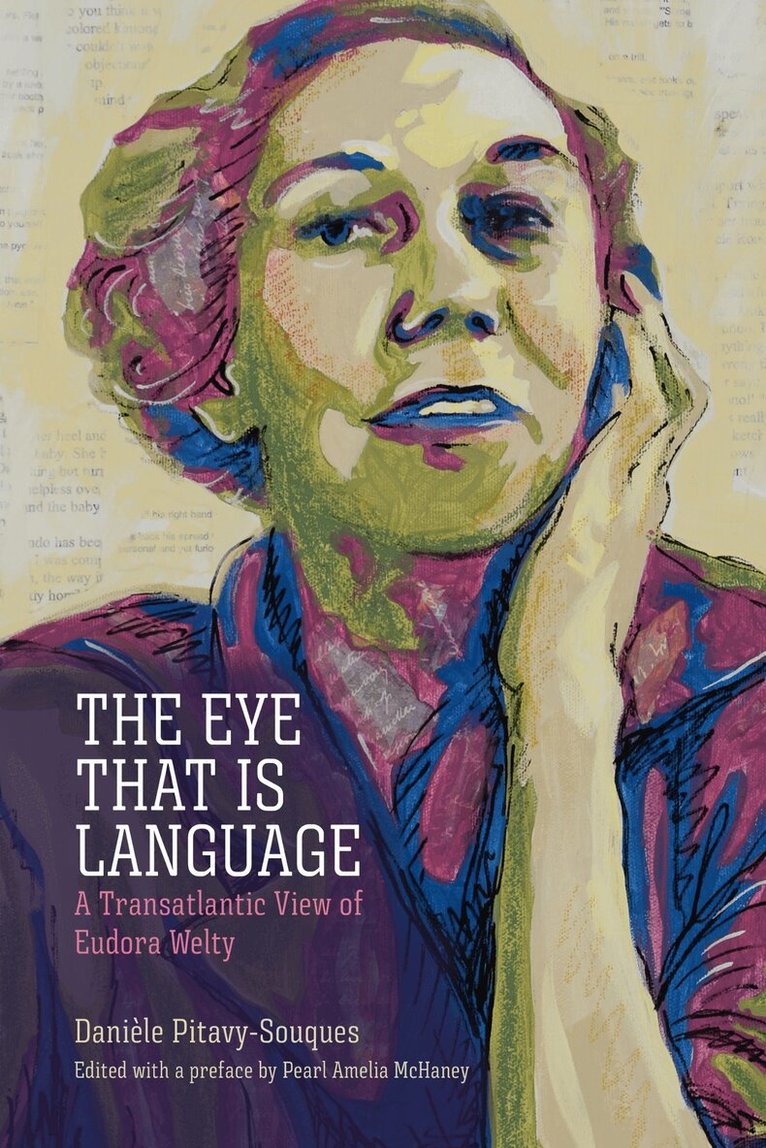
Danièle Pitavy-Souques was a European powerhouse of Welty studies. In this collection of essays, Pitavy-Souques pours new light on Welty’s view of the world and her international literary import, challenging previous readings of Welty’s fiction, memoir, and photographs in illuminating ways. The nine essays collected here offer scholars, critics, and avid readers a new understanding and enjoyment of Welty’s work. The volume explores beloved stories in Welty’s masterpiece The Golden Apples, as well as "A Curtain of Green," "Flowers for Marjorie," "Old Mr. Marblehall," "A Still Moment," "Livvie," "Circe," "Kin," and The Optimist’s Daughter, One Writer’s Beginnings, and One Time, One Place. Essays include "Technique as Myth: The Structure of The Golden Apples" (1979), "A Blazing Butterfly: The Modernity of Eudora Welty" (1987), and others written between 2000 and 2018. Together, they reveal and explain Welty’s brilliance for employing the particular to discover the universal.Pitavy-Souques, who briefly lived in and often revisited the South, met with Welty several times in her Jackson, Mississippi, home. Her readings draw on the visual arts, European theorists, and styles of modernism, postmodernism, surrealism, as well as the baroque and the gothic. The included essays reflect Pitavy-Souques’s European education, her sophisticated understanding of intellectual theories and artistic movements abroad, and her passion for the literary achievement of women of genius. The Eye That Is Language: A Transatlantic View of Eudora Welty reveals the way in which Welty’s narrative techniques broaden her work beyond southern myths and mysteries into a global perspective of humanity.
1 355 kr
Skickas inom 10-15 vardagar
Contributions by Jacob Agner, Sarah Gilbreath Ford, Katie Berry Frye, Michael Kreyling, Andrew B. Leiter, Rebecca Mark, Suzanne Marrs, Tom Nolan, Michael Pickard, Harriet Pollack, and Victoria RichardEudora Welty’s ingenious play with readers’ expectations made her a cunning writer, a paramount modernist, a short story artist of the first rank, and a remarkable literary innovator. In her signature puzzle-texts, she habitually engages with familiar genres and then delights readers with her transformations and nonfulfillment of conventions. Eudora Welty and Mystery: Hidden in Plain Sight reveals how often that play is with mystery, crime, and detective fiction genres, popular fiction forms often condescended to in literary studies, but unabashedly beloved by Welty throughout her lifetime.Put another way, Welty often creates her stories’ secrets by both evoking and displacing crime fiction conventions. Instead of restoring order with a culminating reveal, her story-puzzles characteristically allow mystery to linger and thicken. The mystery pursued becomes mystery elsewhere. The essays in this collection shift attention from narratives, characters, and plots as they have previously been understood by unearthing enigmas hidden within those constructions.Some of these new readings continue Welty’s investigation of hegemonic whiteness and southern narratives of race—outlining these in chalk as outright crime stories. Other essays show how Welty anticipated the regendering of the form now so characteristic of contemporary women mystery writers. Her tender and widely ranging personal correspondence with the hard-boiled American crime writer Ross Macdonald is also discussed. Together these essays make the case that across her career, Eudora Welty was arguably one of the genre’s greatest double agents, and, to apply the titles of Macdonald’s novels to her inventiveness with the form, she is its "underground woman," its unexpected "sleeping beauty.
421 kr
Skickas inom 10-15 vardagar
Contributions by Jacob Agner, Sarah Gilbreath Ford, Katie Berry Frye, Michael Kreyling, Andrew B. Leiter, Rebecca Mark, Suzanne Marrs, Tom Nolan, Michael Pickard, Harriet Pollack, and Victoria RichardEudora Welty’s ingenious play with readers’ expectations made her a cunning writer, a paramount modernist, a short story artist of the first rank, and a remarkable literary innovator. In her signature puzzle-texts, she habitually engages with familiar genres and then delights readers with her transformations and nonfulfillment of conventions. Eudora Welty and Mystery: Hidden in Plain Sight reveals how often that play is with mystery, crime, and detective fiction genres, popular fiction forms often condescended to in literary studies, but unabashedly beloved by Welty throughout her lifetime.Put another way, Welty often creates her stories’ secrets by both evoking and displacing crime fiction conventions. Instead of restoring order with a culminating reveal, her story-puzzles characteristically allow mystery to linger and thicken. The mystery pursued becomes mystery elsewhere. The essays in this collection shift attention from narratives, characters, and plots as they have previously been understood by unearthing enigmas hidden within those constructions.Some of these new readings continue Welty’s investigation of hegemonic whiteness and southern narratives of race—outlining these in chalk as outright crime stories. Other essays show how Welty anticipated the regendering of the form now so characteristic of contemporary women mystery writers. Her tender and widely ranging personal correspondence with the hard-boiled American crime writer Ross Macdonald is also discussed. Together these essays make the case that across her career, Eudora Welty was arguably one of the genre’s greatest double agents, and, to apply the titles of Macdonald’s novels to her inventiveness with the form, she is its "underground woman," its unexpected "sleeping beauty.
439 kr
Skickas inom 7-10 vardagar
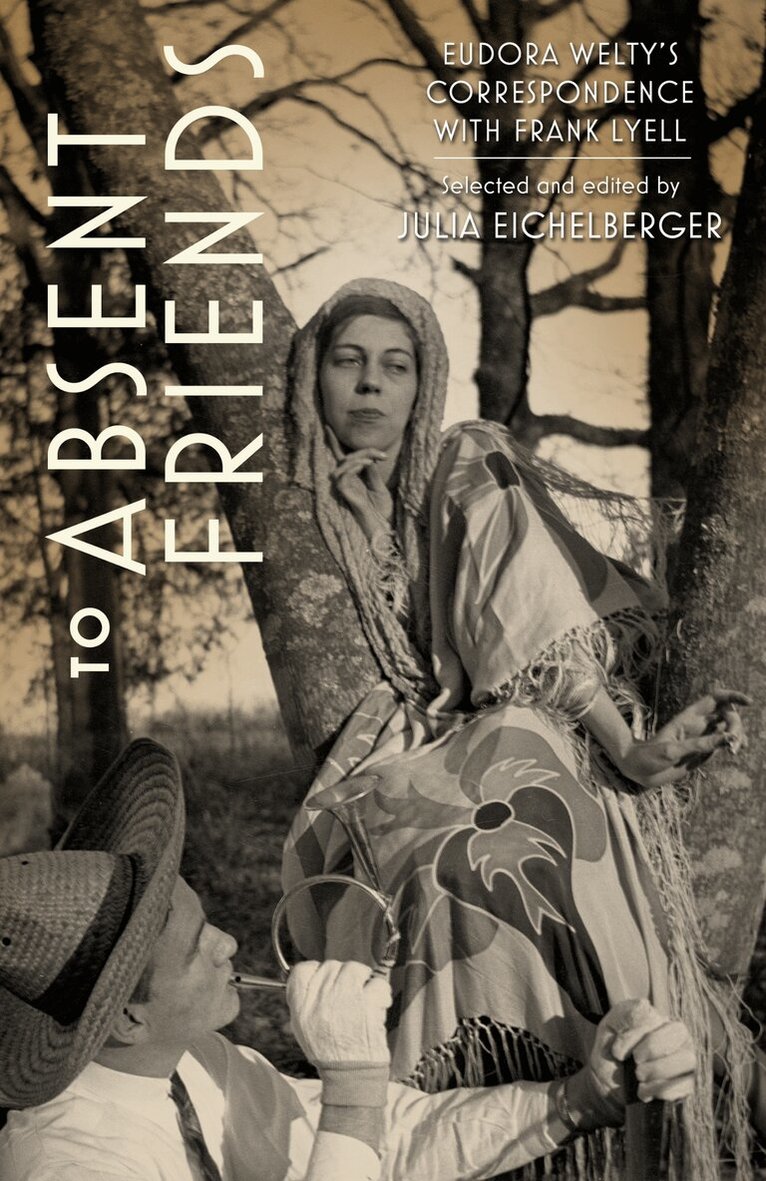
With over 350 complete or excerpted letters, most previously unpublished, To Absent Friends: Eudora Welty's Correspondence with Frank Lyell forms an epistolary narrative of Welty’s writing life and her nearly fifty-year friendship with Frank Lyell, a friend from Jackson, Mississippi. Also included in the text are extensive annotations to explain the letters’ myriad, often telegraphic cultural references. Early letters show both correspondents’ youthful exuberance as Lyell pursued graduate studies at Princeton and Welty, based in Jackson, visited New York whenever she could. They saw much to ridicule in the grown-up world they were entering, but their letters also convey deep admiration for music, literature, art, dance, and other cultural expressions.Letters from the 1940s discuss Welty’s work in progress, Lyell’s wartime service in the Army Air Forces Intelligence, and his teaching jobs in North Carolina and Texas. In the 1950s, her mother’s health began to fail, and the civil rights movement and other world events hovered in the background of letters reporting on the Weltys’ challenging lives. As Welty’s fame grew, the friends continued to share gossip, descriptions of enjoyably bad movies, and reports on literature that moved them. The friends’ final decade of correspondence includes playfulness alongside poignant reminders of their own aging. Becoming quieter, calmer versions of their youthful selves, they retained their delight in high and low culture, their veneration of art, and their love of the absurd. Taken together, these letters document a remarkable artist’s responses to her time and place and a sparkling friendship.
1 380 kr
Kommande
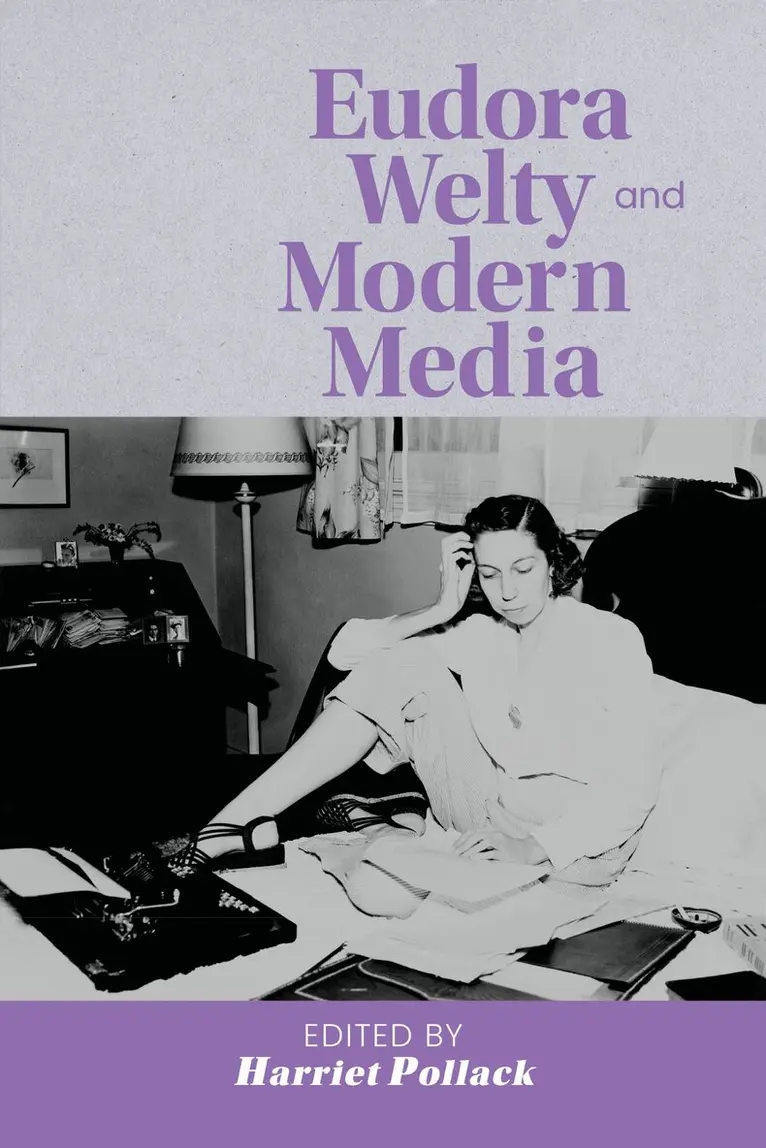
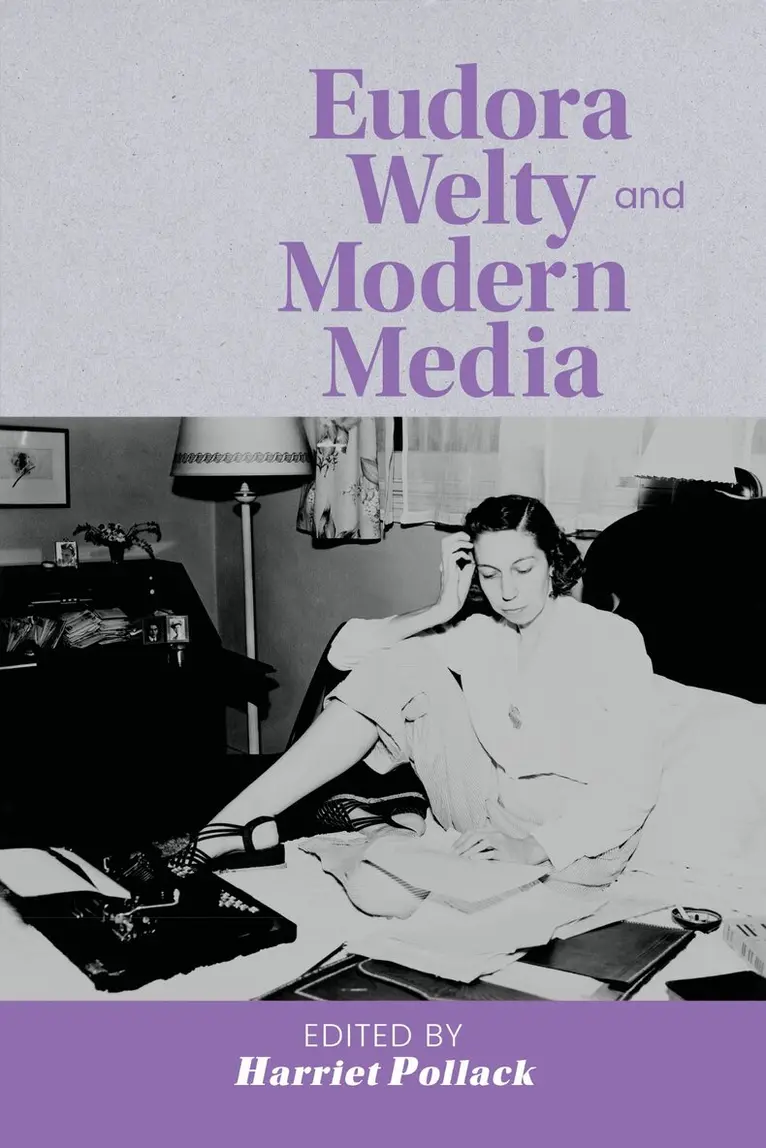
Contributions by Jacob Agner, Stephen M. Fuller, Ebony Lumumba, Pearl McHaney, Donnie McMahand, David McWhirter, Kevin Murphy, Harriet Pollack, Kaitlyn Smith, Matthew D. Sutton, Christin Marie Taylor, Annette Trefzer, and Keri Watson As a child, Eudora Welty rode trains, listened to music on her parents' Victrola, and absorbed the magic of early sound technology. In her twenties, she developed a passion for photography and supported Mississippi’s first radio station, WJDX—founded by her father. Later, she would use her first literary prize money to purchase a state-of-the-art radio console, infuse her fiction with popular songs, and collaborate with woman-owned Caedmon Records to bring modernist literature into the world of recorded sound. These engagements with mass media formed a foundational part of Welty’s creative life, yet they have been largely understudied—until now. Eudora Welty and Modern Media brings together eleven original essays that explore Welty’s wide-ranging engagement with twentieth-century technologies and forms of communication, including photography, radio, the recording industry, contemporary visual arts, film, advertising, magazine and fashion culture, journalism, and television. Edited by Harriet Pollack, the collection reframes Welty as a modernist innovator—akin to William Faulkner, T. S. Eliot, or James Joyce—but who, as a Mississippi woman welcoming change, embraced the new rather than retreated from it. As Eliot reimagined poetry and Joyce redefined the novel, Welty transformed the American short story in tandem with the shifting media landscape of her time.
330 kr
Kommande
Contributions by Jacob Agner, Stephen M. Fuller, Ebony Lumumba, Pearl McHaney, Donnie McMahand, David McWhirter, Kevin Murphy, Harriet Pollack, Kaitlyn Smith, Matthew D. Sutton, Christin Marie Taylor, Annette Trefzer, and Keri Watson As a child, Eudora Welty rode trains, listened to music on her parents' Victrola, and absorbed the magic of early sound technology. In her twenties, she developed a passion for photography and supported Mississippi’s first radio station, WJDX—founded by her father. Later, she would use her first literary prize money to purchase a state-of-the-art radio console, infuse her fiction with popular songs, and collaborate with woman-owned Caedmon Records to bring modernist literature into the world of recorded sound. These engagements with mass media formed a foundational part of Welty’s creative life, yet they have been largely understudied—until now. Eudora Welty and Modern Media brings together eleven original essays that explore Welty’s wide-ranging engagement with twentieth-century technologies and forms of communication, including photography, radio, the recording industry, contemporary visual arts, film, advertising, magazine and fashion culture, journalism, and television. Edited by Harriet Pollack, the collection reframes Welty as a modernist innovator—akin to William Faulkner, T. S. Eliot, or James Joyce—but who, as a Mississippi woman welcoming change, embraced the new rather than retreated from it. As Eliot reimagined poetry and Joyce redefined the novel, Welty transformed the American short story in tandem with the shifting media landscape of her time.
1 380 kr
Kommande
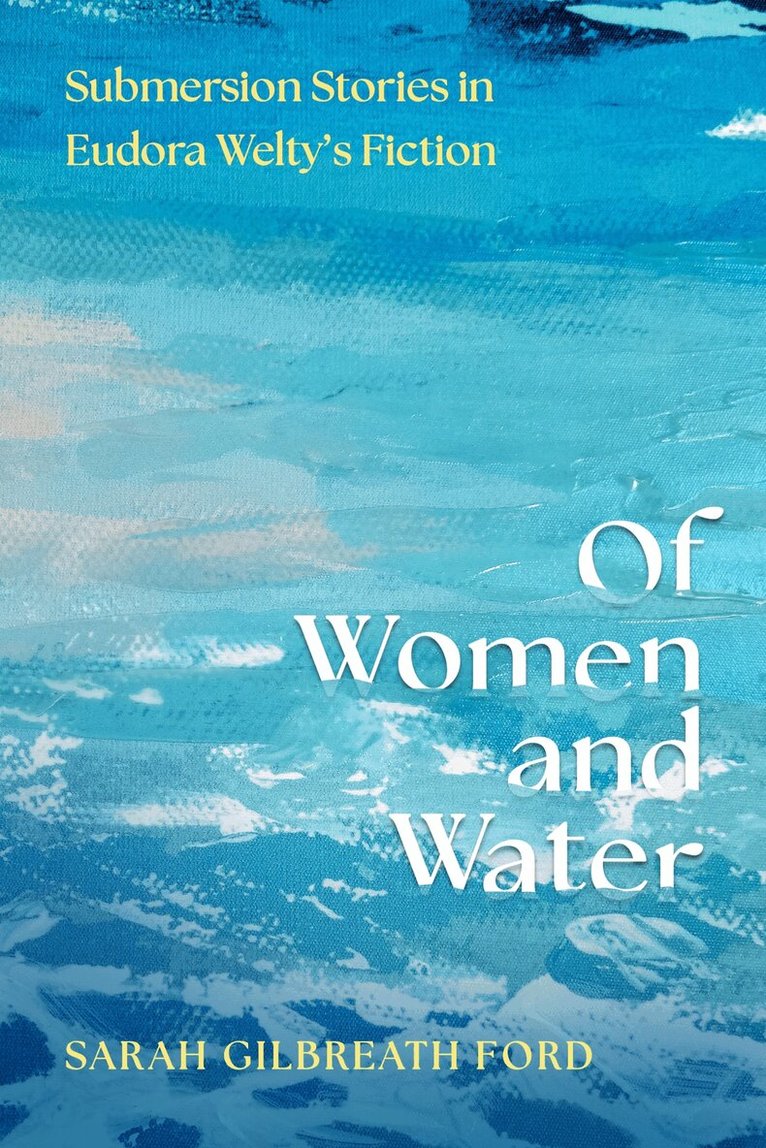
Too often, when women in literary texts come of age, they die. Instead of entering an adulthood full of possibility, female characters time and again follow the path charted by Ophelia and drown, either literally in waters they cannot navigate or metaphorically in a society that does not allow them to construct their own stories.Eudora Welty, however, rewrites this standard female coming-of-age story by repeating a specific key scene. More than a dozen times in her narratives, a young woman encounters a body of water—a lake, a river, a whirlpool, or even a rain barrel. In every case, the character’s submersion signals her entry into an adulthood full of possible danger. When the submersion experience becomes a spiritual baptism, however, the enchanted natural world can empower female characters to counter human social structures that tend to leave them silent, ignored, or dead.In crafting these submersion scenes, Welty upends the power dynamics of perspective. Against the corporate point of view of a town, society, or family, Welty writes the individual, submerged perspectives of women trying to create adult identities not defined by societal scripts. By positing an ecofeminist reading of Welty’s fiction, Of Women and Water: Submersion Stories in Eudora Welty’s Fiction argues that Welty’s texts seek a narrative that will safely land female characters in adulthood with the agency to tell their own stories of confinement, submersion, and escape.
341 kr
Kommande
Too often, when women in literary texts come of age, they die. Instead of entering an adulthood full of possibility, female characters time and again follow the path charted by Ophelia and drown, either literally in waters they cannot navigate or metaphorically in a society that does not allow them to construct their own stories. Eudora Welty, however, rewrites this standard female coming-of-age story by repeating a specific key scene. More than a dozen times in her narratives, a young woman encounters a body of water—a lake, a river, a whirlpool, or even a rain barrel. In every case, the character’s submersion signals her entry into an adulthood full of possible danger. When the submersion experience becomes a spiritual baptism, however, the enchanted natural world can empower female characters to counter human social structures that tend to leave them silent, ignored, or dead. In crafting these submersion scenes, Welty upends the power dynamics of perspective. Against the corporate point of view of a town, society, or family, Welty writes the individual, submerged perspectives of women trying to create adult identities not defined by societal scripts. By positing an ecofeminist reading of Welty’s fiction, Of Women and Water: Submersion Stories in Eudora Welty’s Fiction argues that Welty’s texts seek a narrative that will safely land female characters in adulthood with the agency to tell their own stories of confinement, submersion, and escape.