Critical Studies in Italian Migrations - Böcker
Visar alla böcker i serien Critical Studies in Italian Migrations. Handla med fri frakt och snabb leverans.
10 produkter
10 produkter
1 300 kr
Skickas inom 10-15 vardagar
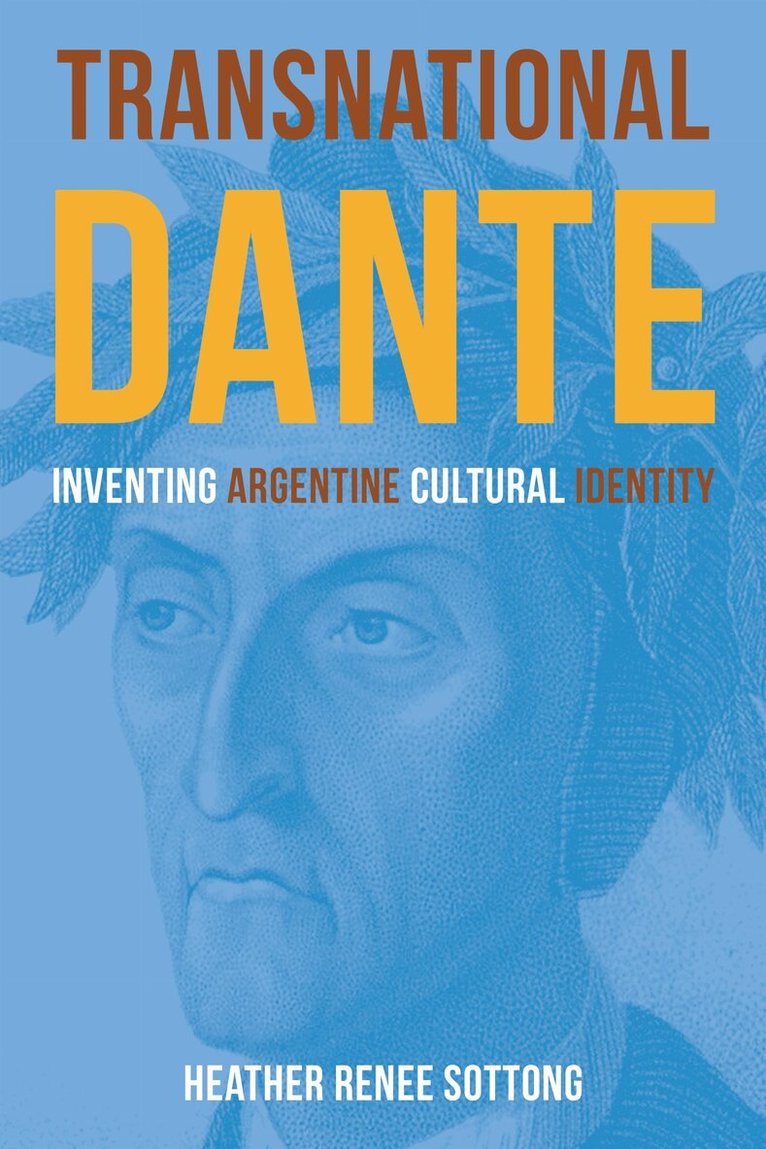
Opens the field of Dante Studies to further transnational studies of the Divine Comedy's circulation, translation, and global influenceThis fascinating book examines how Dante was repurposed by Argentine politicians and authors who were concerned with the construction of Argentine national identity in the late nineteenth and early twentieth centuries. Sottong's work is informed by the theories of Eric Hobsbawm, Benedict Anderson, and Nicolas Shumway, who coined the concepts of "invented traditions," "imagined communities," and "guiding fictions," respectively. Sottong has applied these notions to the case of Argentina, which, after the War of Independence from Spain (1810–1818), had to develop its own national cultural identity.In this volume, she investigates Dante's transnational influence in Argentina: Why did Argentine authors consistently call upon Dante in their attempts to develop Argentine literature? What are the textual and thematic characteristics of Dante's Divine Comedy that make it an ideal vehicle for literary appropriation? What are the historical and cultural factors that account for Dante's enduring popularity in Italy and beyond? How did the strong presence of Italians in Argentina influence cultural production in the developing nation? And how are the re-writings of Dante in the Argentine canon in dialogue with one another?What Sottong found, remarkably, was that rewriting Dante was a way for Argentine authors to voice their views on the direction that should be taken to develop Argentine letters; Dante became something of a literary guide as Argentine intellectuals navigated the complex labyrinth of their national identity. The consistent rewriting of the Divine Comedy in the Argentine context testifies to the fact that great works of literature can be revived during different periods and even reappropriated by various peoples to foster mythologies of inclusion or exclusion related to national identity.
357 kr
Skickas inom 7-10 vardagar
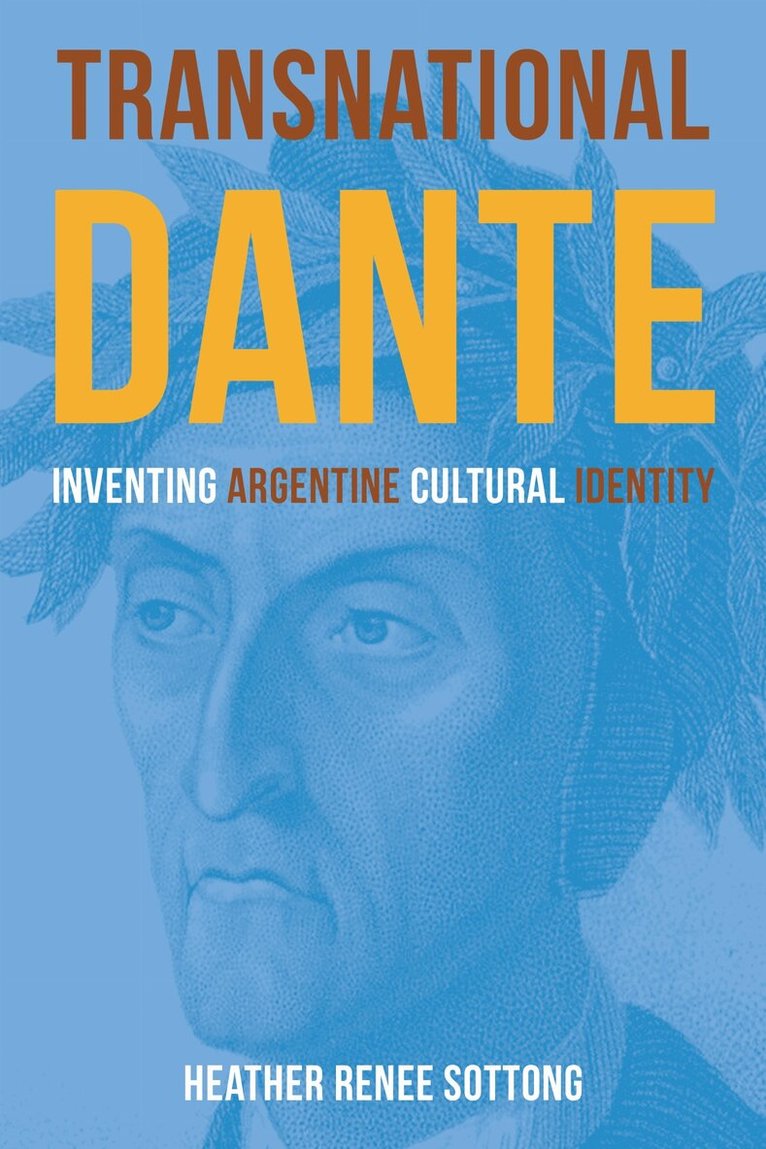
Opens the field of Dante Studies to further transnational studies of the Divine Comedy's circulation, translation, and global influenceThis fascinating book examines how Dante was repurposed by Argentine politicians and authors who were concerned with the construction of Argentine national identity in the late nineteenth and early twentieth centuries. Sottong's work is informed by the theories of Eric Hobsbawm, Benedict Anderson, and Nicolas Shumway, who coined the concepts of "invented traditions," "imagined communities," and "guiding fictions," respectively. Sottong has applied these notions to the case of Argentina, which, after the War of Independence from Spain (1810–1818), had to develop its own national cultural identity.In this volume, she investigates Dante's transnational influence in Argentina: Why did Argentine authors consistently call upon Dante in their attempts to develop Argentine literature? What are the textual and thematic characteristics of Dante's Divine Comedy that make it an ideal vehicle for literary appropriation? What are the historical and cultural factors that account for Dante's enduring popularity in Italy and beyond? How did the strong presence of Italians in Argentina influence cultural production in the developing nation? And how are the re-writings of Dante in the Argentine canon in dialogue with one another?What Sottong found, remarkably, was that rewriting Dante was a way for Argentine authors to voice their views on the direction that should be taken to develop Argentine letters; Dante became something of a literary guide as Argentine intellectuals navigated the complex labyrinth of their national identity. The consistent rewriting of the Divine Comedy in the Argentine context testifies to the fact that great works of literature can be revived during different periods and even reappropriated by various peoples to foster mythologies of inclusion or exclusion related to national identity.
1 164 kr
Skickas inom 10-15 vardagar
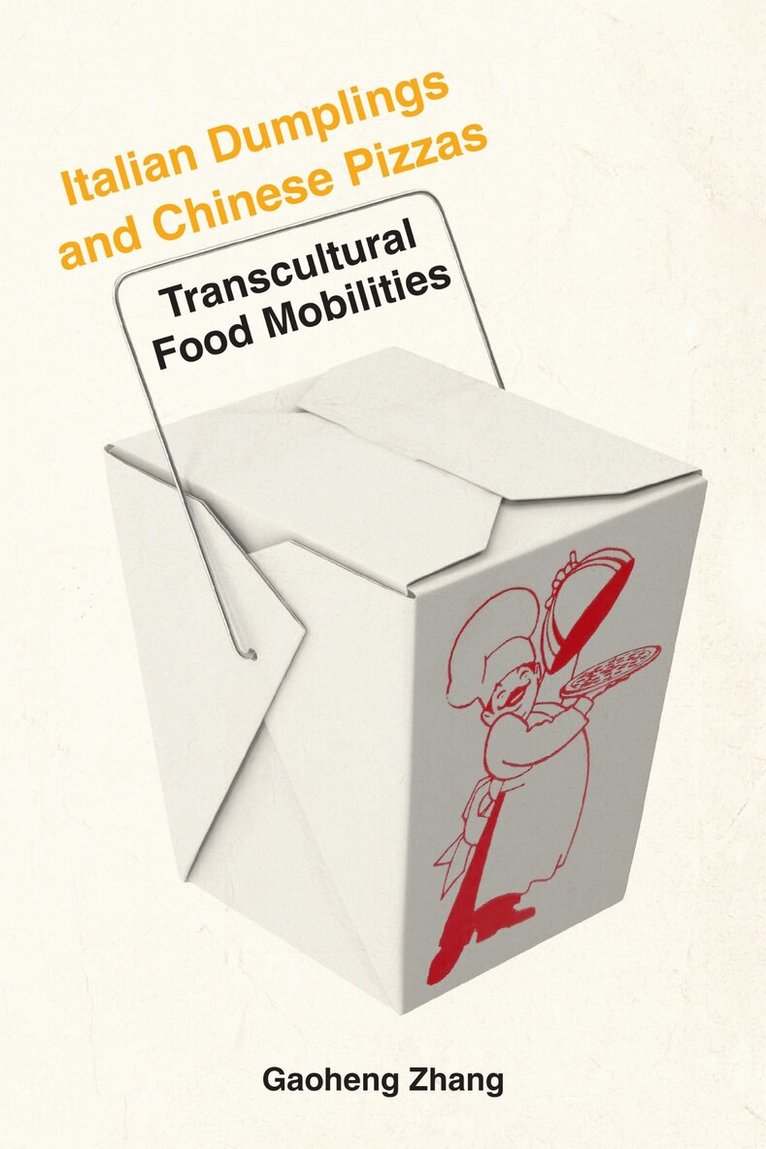
Designs a novel analytical framework to approach transcultural food mobilities, a culinary phenomenon that has been with us for decades as a result of colonialism and globalization Why is it surprising for some of us to read the pairing of "Chinese" with "pizzas" and "Italian" with "dumplings," such as proposed in the book’s title? After all, in some regions of the two countries, Italians eat frequently dumplings, and Chinese frequently make baked, steamed, or fried flatbread with toppings or fillings. Furthermore, when dumplings are made in Italy by Chinese migrants or Chinese Italians, or when pizzas are made in China by Italian migrants, Chinese Italians, or Chinese without apparent ties with Italy, are these culinary products Chinese, Italian, Chinese-Italian, or something else? Why do we need to care for such labeling dilemmas? This book shows how China-Italy food mobilities relayed in popular culture helped forge Chinese and Italians’ socioeconomic identities in recent decades by fundamentally shaping contemporary Chinese and Italian consumer cultures. This book addresses China-Italy food cultures against the backdrops of two epoch-making socioeconomic processes. During the 1980s, Chinese cuisine became the first non-European food widely available in Italy, thanks to the widespread presence of Chinese eateries. Only American fast food, which established itself in Italy around the same time, enjoyed comparable popularity as a destination for Italian culinary tourism. Meanwhile, in the early 1990s, together with American hamburgers and fried chicken, the American food chain Pizza Hut’s pizzas and spaghetti were the first non-Asian foods that post-Mao Chinese customers recognized as "Western." The book proposes a critical framework that analyzes transcultural food mobilities by seriously assessing the confluence of diverse mobilities and their impact on food cultures. Ultimately, the study shows that a sophisticated interpretation of transcultural food mobilities can help address alterity and build understanding in a world of increasing political and cultural polarization.
379 kr
Skickas inom 10-15 vardagar
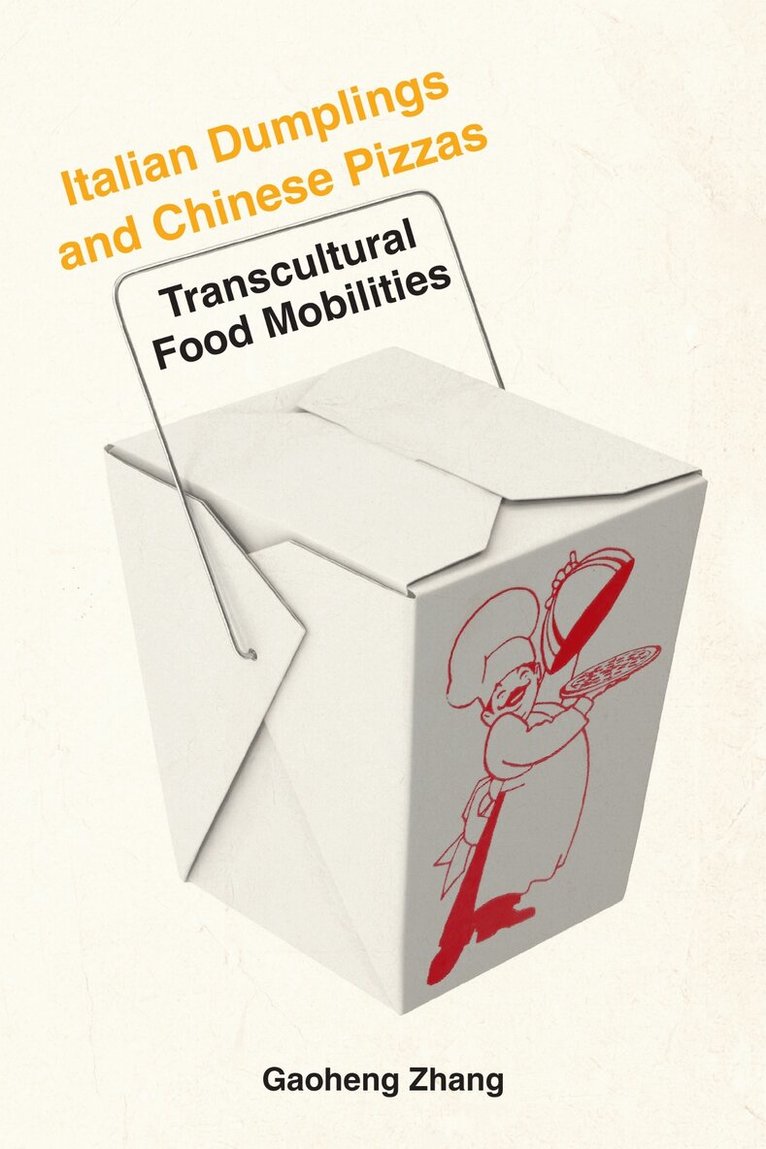
Designs a novel analytical framework to approach transcultural food mobilities, a culinary phenomenon which has been with us for decades as a result of colonialism and globalizationWhy is it surprising for some of us to read the pairing of "Chinese" with "pizzas" and "Italian" with "dumplings," such as proposed in the book’s title? After all, in some regions of the two countries, Italians eat dumplings, and Chinese make baked, steamed, or fried flatbread with toppings or fillings frequently. Furthermore, when dumplings are made in Italy by Chinese migrants or Chinese Italians, or when pizzas are made in China by Italian migrants, Chinese Italians, or Chinese without apparent ties with Italy, are these culinary products Chinese, Italian, Chinese-Italian, or something else? Why do we need to care for such labeling dilemmas?This book shows how China-Italy food mobilities relayed in popular culture helped forge Chinese and Italians’ socioeconomic identities in recent decades by fundamentally shaping contemporary Chinese and Italian consumer cultures. This book addresses China-Italy food cultures against the backdrops of two epoch-making socioeconomic processes. During the 1980s, Chinese cuisine became the first non-European food widely available in Italy, thanks to the widespread presence of Chinese eateries. Only American fast food, which established itself in Italy around the same time, enjoyed comparable popularity as a destination for Italian culinary tourism. Meanwhile, in the early 1990s, together with American hamburgers and fried chicken, the American food chain Pizza Hut’s pizzas and spaghetti were the first non-Asian foods that post-Mao Chinese customers recognized as "Western." The book proposes a critical framework that analyzes transcultural food mobilities by seriously assessing the confluence of diverse mobilities and their impact on food cultures. Ultimately, the study shows that a sophisticated interpretation of transcultural food mobilities can help address alterity and build understanding in a world of increasing political and cultural polarization.
1 300 kr
Skickas inom 10-15 vardagar
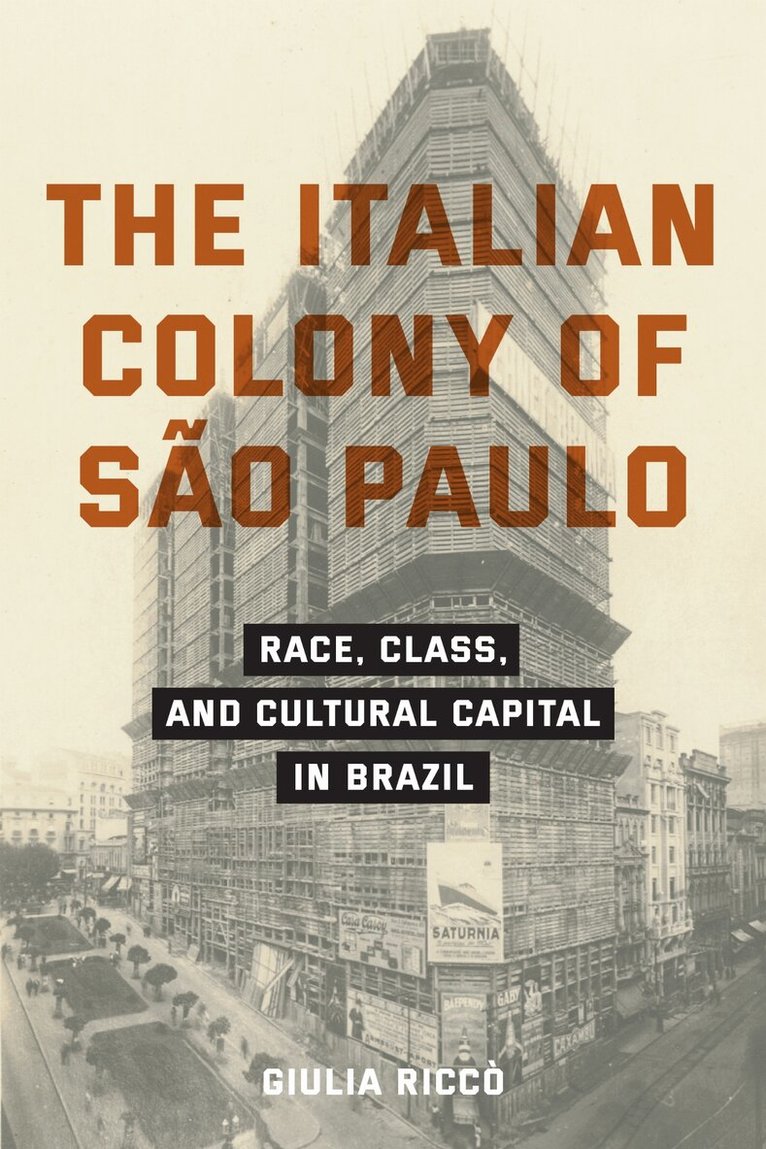
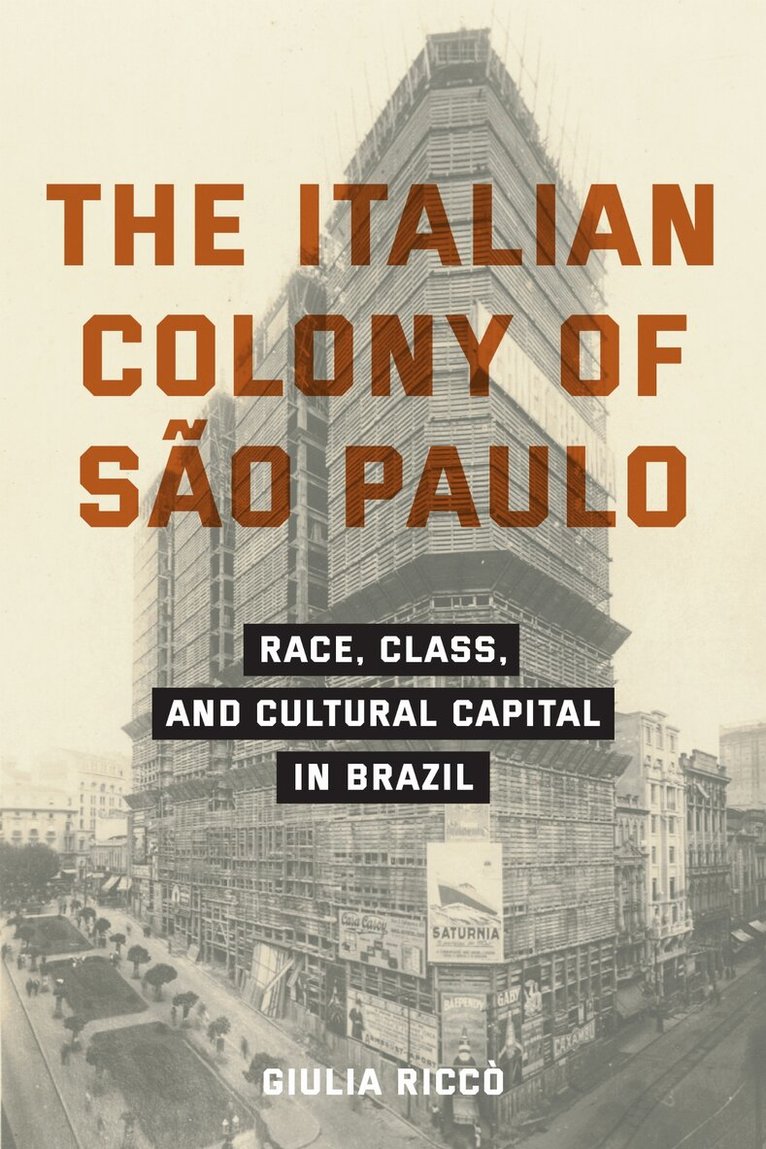
WINNER, 2024 ALDO AND JEANNE SCAGLIONE PUBLICATION AWARD FOR A MANUSCRIPT IN ITALIAN LITERARY STUDIES, MODERN LANGUAGES ASSOCIATIONIntroduces a way to study migration that privileges literary analysis over and against sociological data and insists on the importance of culture in the production of political identities This book argues that Italians first became racialized as white in São Paulo, Brazil, at the turn of the twentieth century. Whereas Italians in the United States struggled with xenophobia and were often not fully acknowledged as white, in São Paulo, due to a series of social, economic, and cultural factors, Italians became closely associated with ideas of whiteness, modernization, and civilization. This book brings to light how the overlooked experiences of Italians in Brazil complicate conventional narratives about the racial ambiguity and oppression of Italians in the Americas, on the one hand, and the conflation of Italians with cultural and economic backwardness in Europe, on the other. In the book, close readings of a wide array of texts—the travel writings of Gina Lombroso Ferrero, the short stories of Antônio de Alcântara Machado, the columns of José Correia Leite, the political essays of Miguel Reale, and the memoirs of Zélia Gattai—trace a "New World Italian discourse," or the overlapping narratives about Italian racial, economic, and cultural superiority that constructed and maintained Italians’ status as a model minority in São Paulo. These discursive practices represent essential antecedents to the racial nationalism that reared its ugly head in Italy throughout the twentieth century and remain central to contemporary debates about national identity in the Italian public sphere.The Italian Colony of São Paulo: Race, Class, and Cultural Capital in Brazil is available from the publisher on an open-access basis.
413 kr
Skickas
WINNER, 2024 ALDO AND JEANNE SCAGLIONE PUBLICATION AWARD FOR A MANUSCRIPT IN ITALIAN LITERARY STUDIES, MODERN LANGUAGES ASSOCIATIONIntroduces a way to study migration that privileges literary analysis over and against sociological data and insists on the importance of culture in the production of political identities This book argues that Italians first became racialized as white in São Paulo, Brazil, at the turn of the twentieth century. Whereas Italians in the United States struggled with xenophobia and were often not fully acknowledged as white, in São Paulo, due to a series of social, economic, and cultural factors, Italians became closely associated with ideas of whiteness, modernization, and civilization. This book brings to light how the overlooked experiences of Italians in Brazil complicate conventional narratives about the racial ambiguity and oppression of Italians in the Americas, on the one hand, and the conflation of Italians with cultural and economic backwardness in Europe, on the other. In the book, close readings of a wide array of texts - the travel writings of Gina Lombroso Ferrero, the short stories of Antônio de Alcântara Machado, the columns of José Correia Leite, the political essays of Miguel Reale, and the memoirs of Zélia Gattai - trace a "New World Italian discourse," or the overlapping narratives about Italian racial, economic, and cultural superiority that constructed and maintained Italians’ status as a model minority in São Paulo. These discursive practices represent essential antecedents to the racial nationalism that reared its ugly head in Italy throughout the twentieth century and remain central to contemporary debates about national identity in the Italian public sphere.The Italian Colony of São Paulo: Race, Class, and Cultural Capital in Brazil /i>is available from the publisher on an open-access basis.
Becoming Loyal Americans
The Movement to Reclassify Italian Alien Enemies During the Second World War
Inbunden, Engelska, 2027
1 180 kr
Kommande
A critical read for exploring the discursive links to the origins of fascist and antifascist rhetoric in the United States Becoming Loyal Americans is a study of the Italian American movement during the Second World War to reclassify not only the status of alien enemy but also the perception of the ethnic community as singularly loyal to the United States. The book argues that the anti-fascist actors at the helm of this movement, although seeking liberative ends to lift discriminatory wartime legislation and defeat Benito Mussolini, reproduced fascist political myths to realize movement success. These political myths, in turn, were appropriated by the Roosevelt administration to secure the ethnic bloc's continued wartime support. Cucchiara considers the implications of this discourse's legacy for the ethnic community and the American body politic, as these political myths, no matter how reworked to fit an emancipatory framework, were carriers of narrative elements steeped in a history of domination and violence. The resultant opened the possibility for these political myths to be mined by future actors, regardless of ethnic background, to realize illiberal ends.Becoming Loyal Americans is the first book on the reclassification movement. It provides a fresh perspective and original insight into debates within Italian American studies, regarding wartime identity, the continued utility and appeal of a fascist imaginary, and the strength of ancestral ties to Italy. This book also presents a timely account of the implications of divisive political discourse and policies for people with roots in nations that the American government deems the 'enemy'. It engages with questions that are as relevant then, as they are now, regarding the construction of ethnic and civic identity for alienated groups, the forging of dual commitments within discriminatory legislative and discursive constraints, and the channels by which immigrant and ethnic communities navigate affiliations, affections, forms of patriotism, and a sense of civic duty to the United States and their respective countries of origins.
Becoming Loyal Americans
The Movement to Reclassify Italian Alien Enemies During the Second World War
Häftad, Engelska, 2027
357 kr
Kommande
A critical read for exploring the discursive links to the origins of fascist and antifascist rhetoric in the United States Becoming Loyal Americans is a study of the Italian American movement during the Second World War to reclassify not only the status of alien enemy but also the perception of the ethnic community as singularly loyal to the United States. The book argues that the anti-fascist actors at the helm of this movement, although seeking liberative ends to lift discriminatory wartime legislation and defeat Benito Mussolini, reproduced fascist political myths to realize movement success. These political myths, in turn, were appropriated by the Roosevelt administration to secure the ethnic bloc's continued wartime support. Cucchiara considers the implications of this discourse's legacy for the ethnic community and the American body politic, as these political myths, no matter how reworked to fit an emancipatory framework, were carriers of narrative elements steeped in a history of domination and violence. The resultant opened the possibility for these political myths to be mined by future actors, regardless of ethnic background, to realize illiberal ends.Becoming Loyal Americans is the first book on the reclassification movement. It provides a fresh perspective and original insight into debates within Italian American studies, regarding wartime identity, the continued utility and appeal of a fascist imaginary, and the strength of ancestral ties to Italy. This book also presents a timely account of the implications of divisive political discourse and policies for people with roots in nations that the American government deems the 'enemy'. It engages with questions that are as relevant then, as they are now, regarding the construction of ethnic and civic identity for alienated groups, the forging of dual commitments within discriminatory legislative and discursive constraints, and the channels by which immigrant and ethnic communities navigate affiliations, affections, forms of patriotism, and a sense of civic duty to the United States and their respective countries of origins.
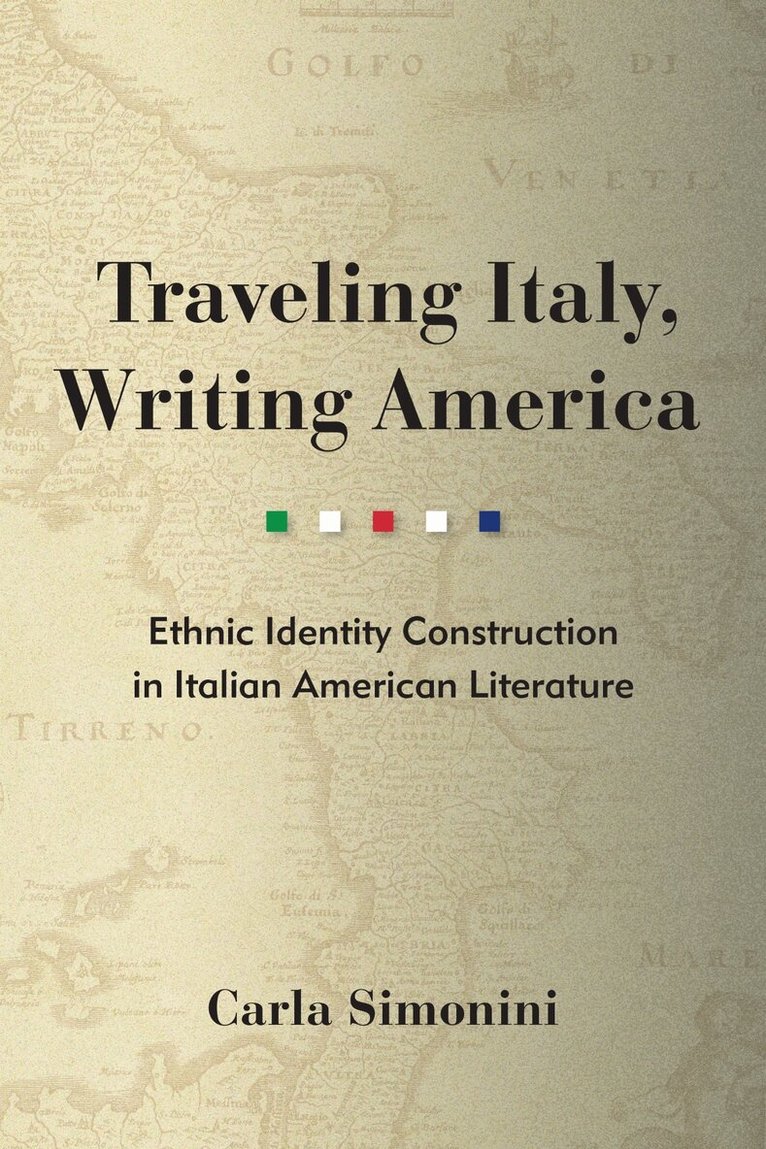
Traveling Italy, Writing America
Ethnic Identity Construction in Italian American Literature
Inbunden, Engelska, 2026
1 317 kr
Kommande
Illuminates why Italy continues to captivate the American imagination, connecting classic literature to contemporary memoirs and popular media that still view Italy as a site of transformation, desire, and reflectionTraveling Italy, Writing America argues that the American idea of Italy, at once sunny and dark, refined and excessive, has played a crucial role in shaping both U.S. national identity and Italian American literary self-fashioning. The book shows how this idea was forged in nineteenth-century American travel writing and later reimagined by early Italian American authors as a means of claiming cultural legitimacy within the United States.Beginning with Margaret Fuller, Nathaniel Hawthorne, William Dean Howells, Mark Twain, and Henry James, the study demonstrates how Italy became a stage on which Americans rehearsed questions of taste, class, and national identity. It then turns to Antonio Arrighi, Pascal D’Angelo, and Giuseppe Cautela, showing how these writers appropriated familiar tropes of aesthetic ideal and passionate excess, recasting them as autoethnographic tools through which to assert Italian American subjectivity within a racialized literary marketplace. Rather than accepting a simple historical shift from Italophilia to Italophobia, the book reveals a persistent push-and-pull between attraction and repulsion, in which admiration and anxiety coexist and immigrant writers learn to work productively within that tension.The book’s intervention is twofold. First, it relocates early Italian American literature from the margins of "ethnic writing" into the broader genealogy of American travel writing and U.S. literary history. Second, it reframes debates about cultural hierarchy and aesthetic value through the lens of autoethnography, showing how immigrant authors engaged, revised, and repurposed dominant cultural codes in order to make themselves legible within American culture. Extending the analysis to Julia Savarese’s mid-century break with Italy as a validating reference and to contemporary memoirs of return, the book explains why Italy’s enduring allure, combining aesthetic promise with cultural tension, _continues to shape American literary and popular imagination.Traveling Italy, Writing America offers a new account of Italian American literary formation, demonstrating how the language of travel itself became a crucial medium through which ethnic identity, cultural authority, and literary belonging were negotiated in the United States.
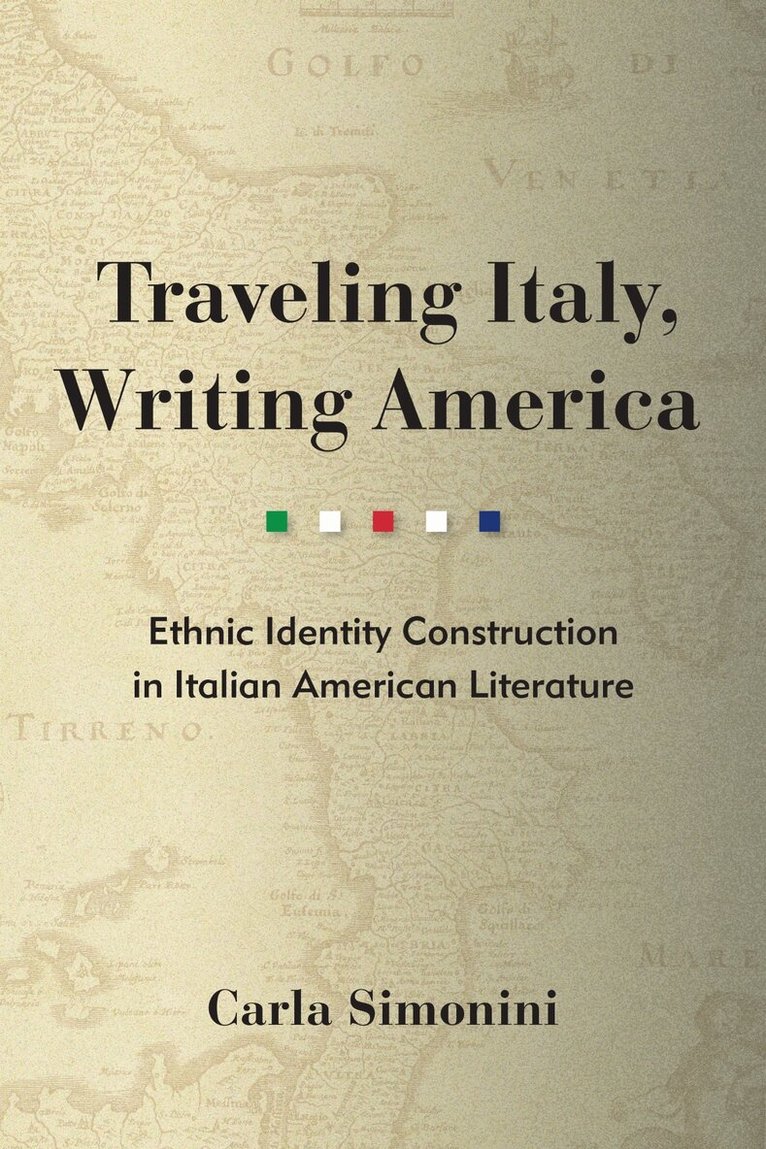
Traveling Italy, Writing America
Ethnic Identity Construction in Italian American Literature
Häftad, Engelska, 2026
399 kr
Kommande
Illuminates why Italy continues to captivate the American imagination, connecting classic literature to contemporary memoirs and popular media that still view Italy as a site of transformation, desire, and reflectionTraveling Italy, Writing America argues that the American idea of Italy, at once sunny and dark, refined and excessive, has played a crucial role in shaping both U.S. national identity and Italian American literary self-fashioning. The book shows how this idea was forged in nineteenth-century American travel writing and later reimagined by early Italian American authors as a means of claiming cultural legitimacy within the United States.Beginning with Margaret Fuller, Nathaniel Hawthorne, William Dean Howells, Mark Twain, and Henry James, the study demonstrates how Italy became a stage on which Americans rehearsed questions of taste, class, and national identity. It then turns to Antonio Arrighi, Pascal D’Angelo, and Giuseppe Cautela, showing how these writers appropriated familiar tropes of aesthetic ideal and passionate excess, recasting them as autoethnographic tools through which to assert Italian American subjectivity within a racialized literary marketplace. Rather than accepting a simple historical shift from Italophilia to Italophobia, the book reveals a persistent push-and-pull between attraction and repulsion, in which admiration and anxiety coexist and immigrant writers learn to work productively within that tension.The book’s intervention is twofold. First, it relocates early Italian American literature from the margins of "ethnic writing" into the broader genealogy of American travel writing and U.S. literary history. Second, it reframes debates about cultural hierarchy and aesthetic value through the lens of autoethnography, showing how immigrant authors engaged, revised, and repurposed dominant cultural codes in order to make themselves legible within American culture. Extending the analysis to Julia Savarese’s mid-century break with Italy as a validating reference and to contemporary memoirs of return, the book explains why Italy’s enduring allure, combining aesthetic promise with cultural tension, _continues to shape American literary and popular imagination.Traveling Italy, Writing America offers a new account of Italian American literary formation, demonstrating how the language of travel itself became a crucial medium through which ethnic identity, cultural authority, and literary belonging were negotiated in the United States.