• Fri frakt över 249 kr
  • •
  • Snabba leveranser
  • •
  • Billiga böcker
Kundservice

Du är på sajten för privatpersoner.

Företag, bibliotek eller offentlig verksamhet?

Du handlar på classic.bokus.com, där alla dina funktioner finns intakta.
Till classic.bokus.com
Bokus logotyp. Gå till startsidan.
  • Erbjudanden
  • Nyheter
  • Student
  • Topplistor
  • Barn & ungdom
  • Bokus Play
  • E-böcker
  • Pocketböcker
  • Spel & pussel

10% rabatt på allt med kod: NYSTART10 →

Sidfot

Mina sidor

    Hjälp

    • Kundservice
    • Vanliga frågor och svar
    • Frakt och leverans
    • Retur vid ångerrätt
    • Reklamera vara
    • Betalning
    • Köpvillkor
    • Allmänna villkor
    • Information om webbplatsens tillgänglighet

    Om Bokus

    • Om oss
    • Pressrum
    • För studenter
    • För företag
    • För bibliotek och offentlig verksamhet
    • För leverantörer
    • Hållbarhet

    Populärt

    • Aktuella erbjudanden
    • Presentkort
    • Studentlitteratur
    • Nya böcker
    • Topplistor
    • Signerade böcker
    • Engelska böcker

    Inspiration

    • Boktips
    • BookTok
    • Populära bokserier
    • Barnbokskaraktärer
    • Populära författare
    Logotyp för Bokus
    Följ oss på Facebook (extern länk)Följ oss på Instagram (extern länk)Följ oss på YouTube (extern länk)Följ oss på TikTok (extern länk)
    bokus @ CookiesAnpassa cookiesIntegritetspolicyKöpvillkor
    Till Citymail hemsida (extern länk)Till Budbee hemsida (extern länk)Till Postnord hemsida (extern länk)Till Schenker hemsida (extern länk)Till Early Bird hemsida (extern länk)Till Walleys hemsida (extern länk)
    1. Samhälle och politik
    2. Sociologi och antropologi
    3. Antropologi

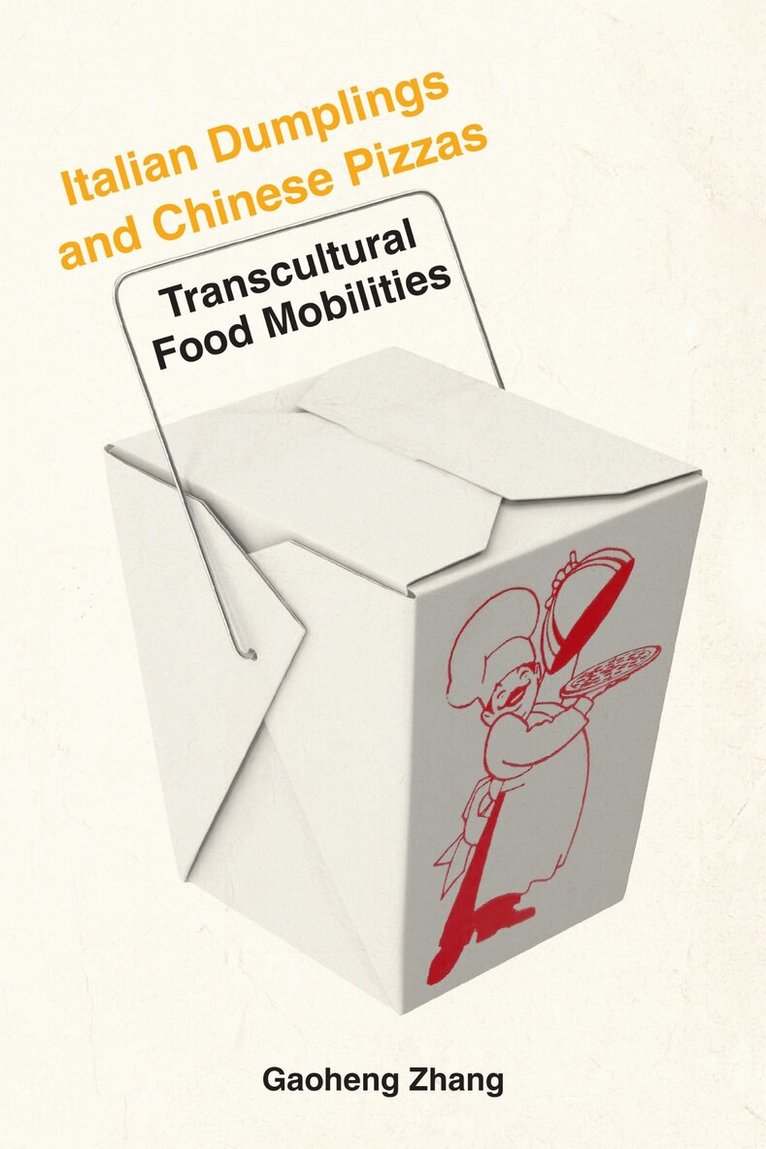
    Italian Dumplings and Chinese Pizzas

    Transcultural Food Mobilities

    AvGaoheng Zhang

    Inbunden, Engelska, 2025

    Del i serien Critical Studies in Italian Migrations

    1 208 kr

    Beställningsvara. Skickas inom 10-15 vardagar. Fri frakt över 249 kr.

    Fler format och utgåvor

    Häftad

    388 kr

    Beskrivning

    Designs a novel analytical framework to approach transcultural food mobilities, a culinary phenomenon that has been with us for decades as a result of colonialism and globalization Why is it surprising for some of us to read the pairing of "Chinese" with "pizzas" and "Italian" with "dumplings," such as proposed in the book’s title? After all, in some regions of the two countries, Italians eat frequently dumplings, and Chinese frequently make baked, steamed, or fried flatbread with toppings or fillings. Furthermore, when dumplings are made in Italy by Chinese migrants or Chinese Italians, or when pizzas are made in China by Italian migrants, Chinese Italians, or Chinese without apparent ties with Italy, are these culinary products Chinese, Italian, Chinese-Italian, or something else? Why do we need to care for such labeling dilemmas? This book shows how China-Italy food mobilities relayed in popular culture helped forge Chi­nese and Italians’ socioeconomic identities in recent decades by fundamentally shaping contempo­rary Chinese and Italian consumer cultures. This book addresses China-Italy food cultures against the backdrops of two epoch-making socioeconomic processes. During the 1980s, Chinese cuisine became the first non-European food widely available in Italy, thanks to the widespread presence of Chinese eateries. Only American fast food, which established itself in Italy around the same time, enjoyed comparable popularity as a destination for Italian culinary tourism. Meanwhile, in the early 1990s, together with American hamburgers and fried chicken, the American food chain Pizza Hut’s pizzas and spaghetti were the first non-Asian foods that post-Mao Chinese customers recognized as "Western." The book proposes a critical framework that analyzes transcultural food mobilities by seriously assessing the confluence of diverse mobilities and their impact on food cultures. Ulti­mately, the study shows that a sophisticated interpretation of transcultural food mobilities can help address alterity and build understanding in a world of increasing political and cultural polarization.

    Produktinformation

    • Utgivningsdatum:2025-10-07
    • Mått:152 x 229 x 19 mm
    • Vikt:504 g
    • Format:Inbunden
    • Språk:Engelska
    • Serie:Critical Studies in Italian Migrations
    • Antal sidor:240
    • Förlag:Fordham University Press
    • ISBN:9781531512163

    Utforska kategorier

    • Antropologi inom Samhälle och politik
    • Europas historia inom Historia och arkeologi
    • Kulturvetenskap inom Samhälle och politik

    Mer om författaren

    Gaoheng Zhang is Associate Professor of Italian Studies at the University of British Columbia. His recent books include two monographs, Fashion Communications Between Italy and China: Unfolding a Sartorial Relationship (Bloomsbury, 2025) and Migration and the Media: Debating Chinese Migration to Italy, 1992–2012 (Toronto, 2019), and a co-edited volume, Cultural Mobilities Between China and Italy (Palgrave Macmillan, 2024).

    Recensioner i media

    "Food constitutes a great entry point to observe the relationship between the Chinese and Italian cultures, as it is central to both. Looking at hospitality, food production, tourism, and media within the broader context of globalization, Zhang Gaoheng provides an original and stimulating analysis of the mobilities and the migration flows that have connected the two countries in the past few decades." - Fabio Parasecoli, Professor of Food Studies, New York University

    Innehållsförteckning

    • Introduction: Transcultural China-Italy Food Mobilities 11. Chinese Migrants’ Food Entrepreneurship and Italians’ Culinary Tourism, 1962–2020 252. Romantic Waitresses vs. "Kung Food" Workers: Gendering the Chinese Restaurant 533. The Chinese Who Eat Dogmeat: Racialization of Chinese Food Consumption 834. Fighting "Yellow Mozzarella": Italians Safeguard Food’s Authenticity 1055. Pizza Hut, Fine Dining, and Trattorie: Italian Gastronomy Tourism in China 1276. Slow and Fast, Sweet and Sour: Chinese Foodie Travelers in Italy 161Conclusion 191Acknowledgments 197Notes 201Bibliography 239Index 255