Emotions of the Past - Böcker
Visar alla böcker i serien Emotions of the Past. Handla med fri frakt och snabb leverans.
9 produkter
9 produkter
1 460 kr
Skickas inom 5-8 vardagar
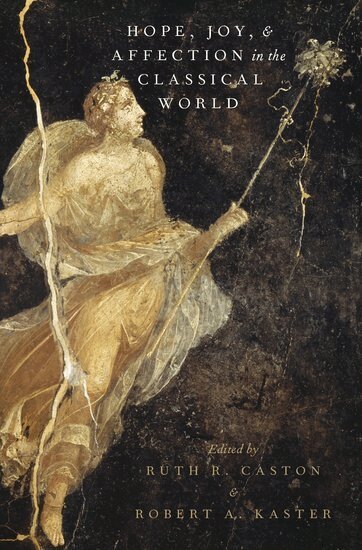
The emotions have long been an interest for those studying ancient Greece and Rome. But while the last few decades have produced excellent studies of individual emotions and the different approaches to them by the major philosophical schools, the focus has been almost entirely on negative emotions. This might give the impression that the Greeks and Romans had little to say about positive emotion, something that would be misguided. As the chapters in this collection indicate, there are representations of positive emotions extending from archaic Greek poetry to Augustine, and in both philosophical works and literary genres as wide-ranging as lyric poetry, forensic oratory, comedy, didactic poetry, and the novel. Nor is the evidence uniform: while many of the literary representations give expression to positive emotion but also describe its loss, the philosophers offer a more optimistic assessment of the possibilities of attaining joy or contentment in this life.The positive emotions show some of the same features that all emotions do. But unlike the negative emotions, which we are able to describe and analyze in great detail because of our preoccupation with them, positive emotions tend to be harder to articulate. Hence the interest of the present study, which considers how positive emotions are described, their relationship to other emotions, the ways in which they are provoked or upset by circumstances, how they complicate and enrich our relationships with other people, and which kinds of positive emotion we should seek to integrate. The ancient works have a great deal to say about all of these topics, and for that reason deserve more study, both for our understanding of antiquity and for our understanding of the positive emotions in general.
1 391 kr
Skickas inom 5-8 vardagar
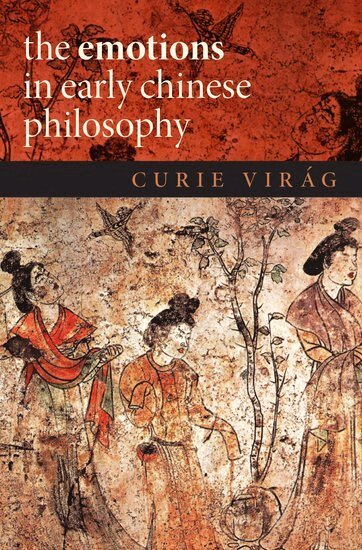
In China, the debate over the moral status of emotions began around the 4th century BCE, when early philosophers first began to invoke psychological categories such as the mind (xin), human nature (xing), and emotions (qing) to explain the sources of ethical authority and the foundations of our knowledge about the world. Although some thinkers during this period proposed that human emotions and desires were temporary physiological disturbances in the mind caused by the impact of things in the world, this was not the account that would eventually gain currency. The consensus among those thinkers who would come to be recognized as the foundational figures of the Confucian and Daoist philosophical traditions was that the emotions represented the underlying, dispositional constitution of a person, and that they embodied the patterned workings of the cosmos itself. This book sets out to explain why the emotions were such a central preoccupation among early thinkers, and what was at stake in the entire discussion, situating the entire debate within developments in thinking about the self, the cosmos, and the political order. It shows that the mainstream account of emotions as patterned reality emerged as part of a major conceptual shift towards the recognition of natural reality as intelligible, orderly and coherent. And that the idea that all human beings possessed a shared, underlying, dispositional nature, was itself one of the consequences of this idea. The mainstream account of emotions thus played a crucial role in summoning the very idea of the human being as a universal category -- an idea that would be of particular interest during the subsequent period of empire -- and in establishing the cognitive and practical agency of human beings.
1 461 kr
Skickas inom 5-8 vardagar
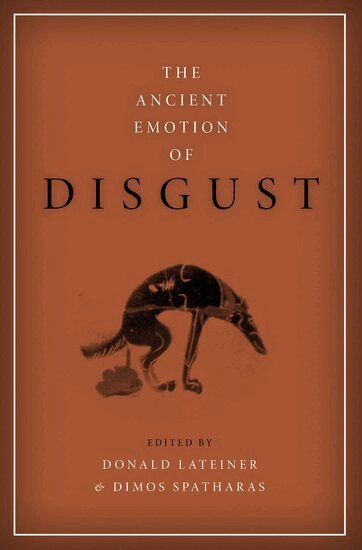
The study of emotions and emotional displays has achieved a deserved prominence in recent classical scholarship. The emotions of the classical world can be plumbed to provide a valuable heuristic tool. Emotions can help us understand key issues of ancient ethics, ideological assumptions, and normative behaviors, but, more frequently than not, classical scholars have turned their attention to "social emotions" requiring practical decisions and ethical judgments in public and private gatherings. The emotion of disgust has been unwarrantedly neglected, even though it figures saliently in many literary genres, such as iambic poetry and comedy, historiography, and even tragedy and philosophy. This collection of seventeen essays by fifteen authors features the emotion of disgust as one cutting edge of the study of Greek and Roman antiquity. Individual contributions explore a wide range of topics. These include the semantics of the emotion both in Greek and Latin literature, its social uses as a means of marginalizing individuals or groups of individuals, such as politicians judged deviant or witches, its role in determining aesthetic judgments, and its potentialities as an elicitor of aesthetic pleasure. The papers also discuss the vocabulary and uses of disgust in life (Galli, actors, witches, homosexuals) and in many literary genres: ancient theater, oratory, satire, poetry, medicine, historiography, Hellenistic didactic and fable, and the Roman novel. The Introduction addresses key methodological issues concerning the nature of the emotion, its cognitive structure, and modern approaches to it. It also outlines the differences between ancient and modern disgust and emphasizes the appropriateness of "projective or second-level disgust" (vilification) as a means of marginalizing unwanted types of behavior and stigmatizing morally condemnable categories of individuals. The volume is addressed first to scholars who work in the field of classics, but, since texts involving disgust also exhibit significant cultural variation, the essays will attract the attention of scholars who work in a wide spectrum of disciplines, including history, social psychology, philosophy, anthropology, comparative literature, and cross-cultural studies.
979 kr
Skickas inom 5-8 vardagar
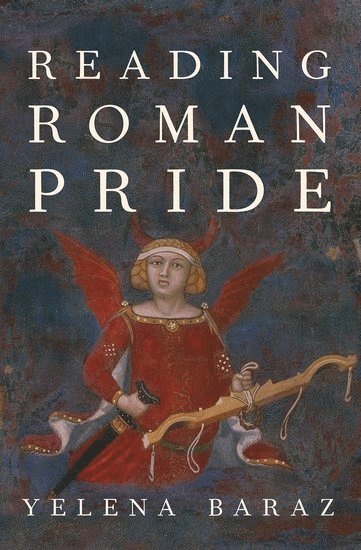
Pride is pervasive in Roman texts, as an emotion and a political and social concept implicated in ideas of power. This study examines Roman discourse of pride from two distinct complementary perspectives. The first is based on scripts, mini-stories told to illustrate what pride is, how it arises and develops, and where it fits within the Roman emotional landscape. The second is semantic, and draws attention to differences between terms within the pride field. The peculiar feature of Roman pride that emerges is that it appears exclusively as a negative emotion, attributed externally and condemned, up to the Augustan period. This previously unnoticed lack of expression of positive pride in republican discourse is a result of the way the Roman republican elite articulates its values as anti-monarchical and is committed, within the governing class, to power-sharing and a kind of equality. The book explores this uniquely Roman articulation of pride attributed to people, places, and institutions and traces the partial rehabilitation of pride that begins in the texts of the Augustan poets at the time of great political change. Reading for pride produces innovative readings of texts that range from Plautus to Ausonius, with major focus on Cicero, Livy, Vergil, and other Augustan poets.
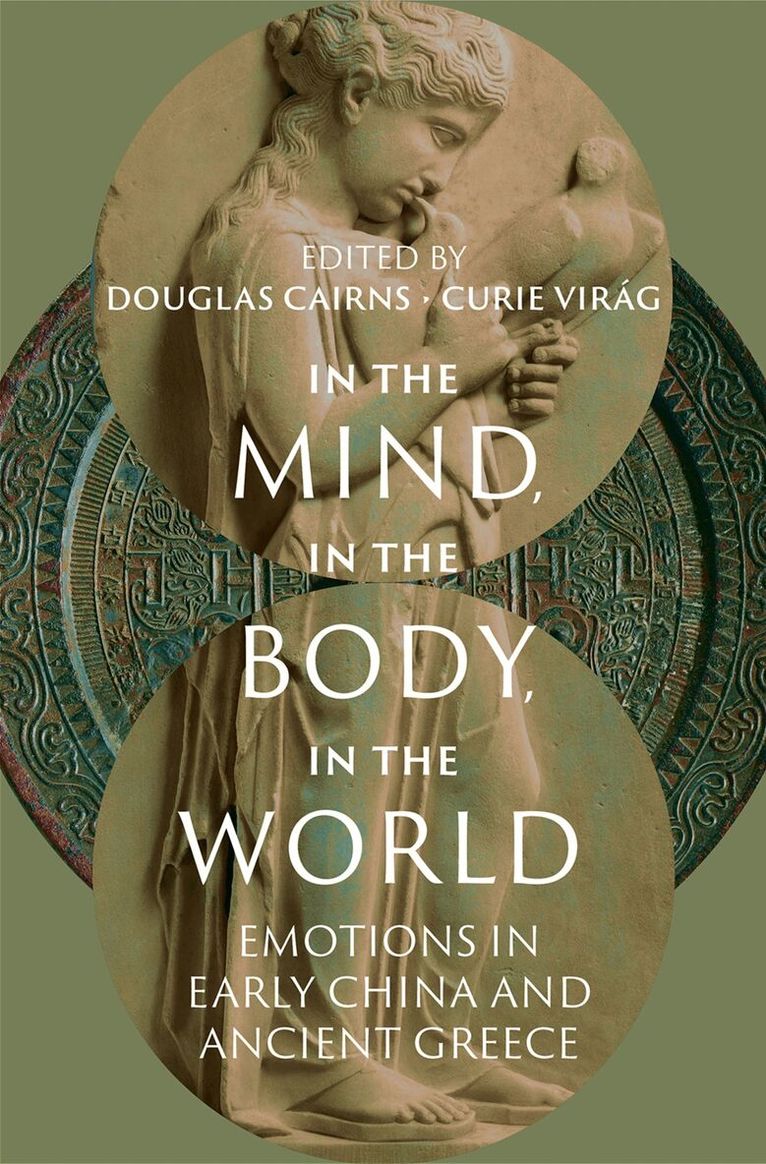
In the Mind, in the Body, in the World
Emotions in Early China and Ancient Greece
Inbunden, Engelska, 2024
1 064 kr
Skickas inom 5-8 vardagar
This volume of newly commissioned essays marks a collaborative effort among scholars of ancient Greece and early China to investigate discourses of emotions in ancient philosophy, medicine, and literature from c. 5th century BCE-2nd century CE. The aim is to bring scholars working in the two ancient traditions together to explore ways in which cross-cultural and cross-disciplinary investigation might be deployed to advance our understanding of the emotions in these ancient societies, and ultimately, to confront and challenge certain long-standing modern approaches to emotions. The volume not only highlights the diverse ways in which emotions have been portrayed and discussed in different geographical and cultural contexts, but also interrogates the concepts through which writers and thinkers in the past experienced and thought about the emotions. The book takes emotions not as natural givens, but as aspects of human experience and conceptualization whose significance can be properly assessed only within the practices, discourses, and institutions of particular societies. The volume addresses a wide range of topics, such as equanimity and impassivity in Daoism and Stoic thought; therapies of emotions in Greco-Roman and early Chinese medicine and philosophy; the cultivation of emotions in relation to perception, attention, and appraisal in Mengzi and the Stoics; the workings of emotion in Aristotle's moral psychology; models of embodiment in canonical ancient medical texts; the ethics and politics of respect, fear, and awe across time, space and genre; and the social function and expression of contempt in Greek literature. In fostering engagement across traditions and disciplines, the volume seeks to make substantive contributions to existing research in the history and philosophy of emotions, as well as the cross-cultural and global study of emotions.
928 kr
Skickas inom 5-8 vardagar
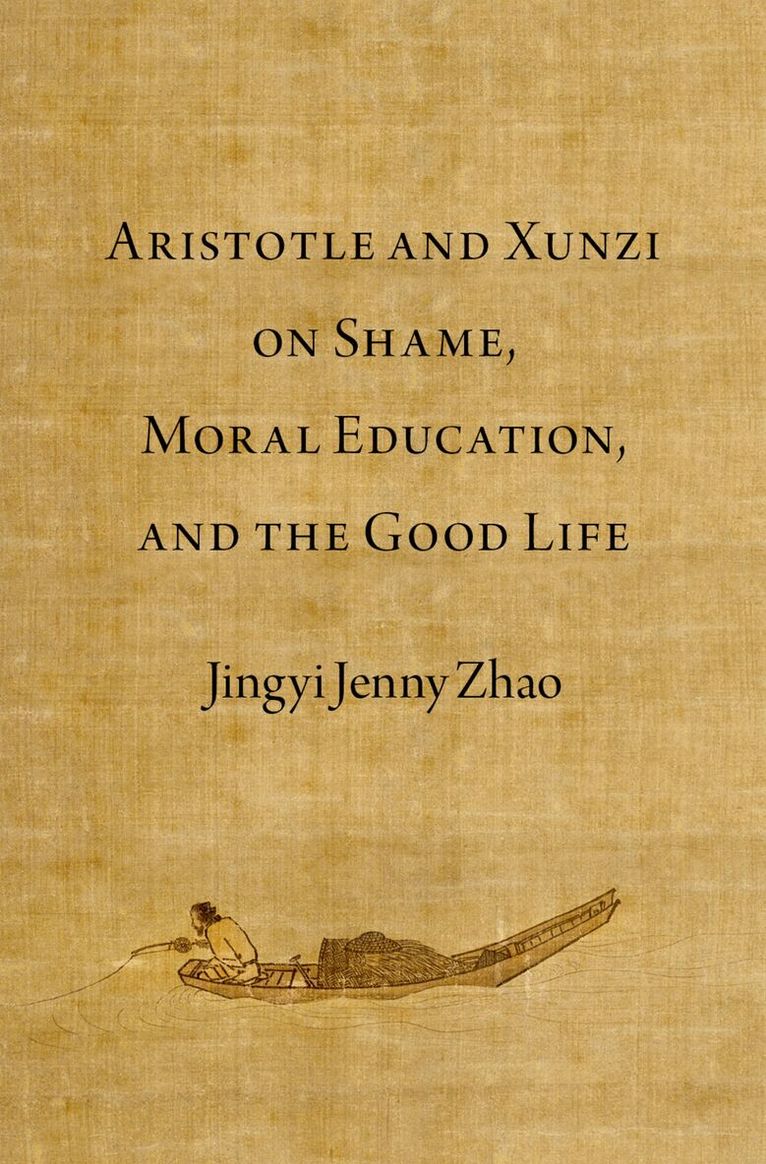
Despite recent developments in the history of emotions and in comparative studies, sustained cross-cultural comparative studies of the emotions remain few and far between. Jingyi Jenny Zhao has produced the first major work that takes two philosophers from the ancient Greek and early Chinese traditions to stimulate discussion of an interdisciplinary nature on the rich and complex topic of the emotions-in particular, of shame. It features comparative analysis of Greek and Chinese texts while bringing the ancient materials to bear on modern controversies such as the role of shame in moral education and social cohesion.Although unalike in their social-historical and intellectual backgrounds, Aristotle and Xunzi bear striking similarities in several respects: they both conceptualize humans as essentially members of communities, as having a unique set of characteristics that set them apart from other living things, and as beings in need of moral training to fulfil their potential and become integrated into a well-ordered society. The two philosophers' discourses on shame reveal important insights into their ideals of human nature, moral education and the good life.This book tackles directly the methodological problems that are relevant to anyone interested in cross-cultural comparisons and organizes discussions of the ancient sources to facilitate a thorough integration of perspectives from the cultural traditions concerned. This approach provides sufficient focus to allow for detailed textual analysis while giving scope for making constant connections to the broader comparative questions at issue.
938 kr
Skickas inom 5-8 vardagar
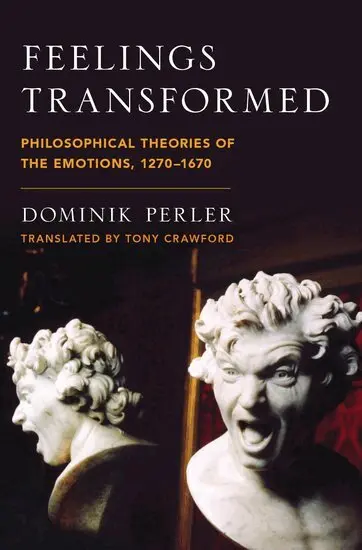
What are emotions? How do they arise? How do they relate to other mental and bodily states? And what is their specific structure? The book discusses these questions, focusing on medieval and early modern theories. It looks at a great number of authors, ranging from Aquinas to Spinoza, and shows that they gave sophisticated accounts of human emotions. They were particularly interested in the way we cope with our emotions: how we can change or perhaps even overcome them? To answer this question, medieval and early modern philosophers looked at the cognitive content of emotions, for they were all convinced that we need to work on that content if we want to change them. The book therefore pays particular attention to the intimate relationship between theories of emotions and theories of cognition.Moreover, the book emphasizes the importance of the metaphysical framework for medieval and early modern theories of emotions. It was a transformation of this framework that made new theories possible. Starting with an analysis of the Aristotelian framework, the book then looks at skeptical, dualist and monist frameworks, and it examines how the nature of emotions was explained in each of them. The discussion also takes the theological and scientific context into account, for changes in this context quite often gave rise to new problems - problems that concerned the love of God, the joy of resurrected souls, or the fear arising in a soul that is present in a body. All of these problems are examined on the basis of close textual analysis.
1 320 kr
Skickas inom 5-8 vardagar
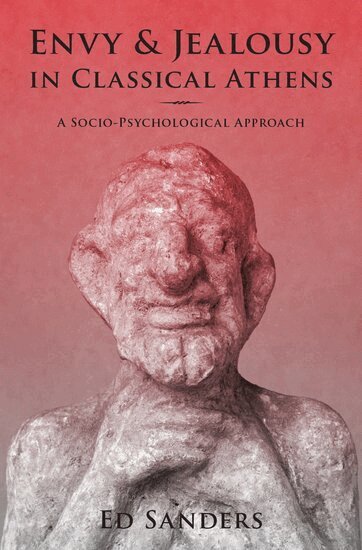
Emotions vary between cultures, especially in their eliciting conditions, social acceptability, forms of expression, and co-extent of terminology. Envy and Jealousy in Classical Athens examines the sensation, expression, and literary representation of envy and jealousy in Classical Athens. Previous scholarship has primarily taken a lexical approach, focusing on usage of the Greek words phthonos (envy, begrudging, jealousy, spite) and zêlos (emulative rivalry). This has value, but also limitations, for two reasons: the discreditable nature of phthonos renders its ascription or disclamation suspect, and there is no Classical Greek label for sexual jealousy. A complementary approach is therefore required, which reads the expressed values and actions of entire situations. Building on recent developments in reading emotion "scripts" in classical texts, this book applies to Athenian culture and literature insights on the contexts, conscious and subconscious motivations, subjective manifestations, and indicative behaviors of envy, jealousy, and related emotions, derived from modern philosophical, psychological, psychoanalytical, sociological, and anthropological scholarship. This enables an exploration of both the explicit theorization and evaluation of envy and jealousy, and also the more oblique ways in which they find expression across different genres--in particular philosophy, oratory, comedy, and tragedy.
1 400 kr
Skickas inom 5-8 vardagar
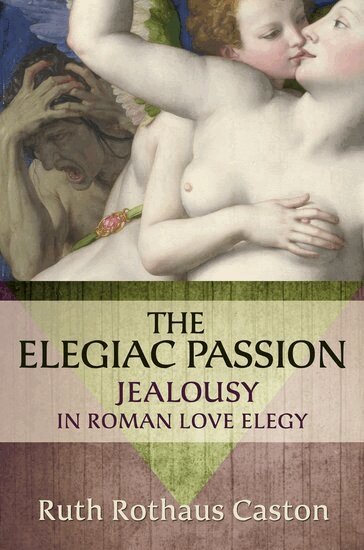
The passions were a topic of widespread interest in antiquity, as evidenced by the recent surge of interest and research in the emotions in Greek and Roman literature. Until now, however, there has been very little focus on love elegy or its relation to contemporary philosophical positions. Yet Roman love elegy depends crucially upon the passions: without love, anger, jealousy, pity, and fear, elegy could not exist at all. The Elegiac Passion provides the first investigation of the ancient representation of jealousy in its Roman context, as well as its significance for Roman love elegy itself. The poems of Propertius, Tibullus, and Ovid are built upon the presumed existence of a love triangle involving poet, mistress, and rival: the very structure of elegy thus creates an ideal scenario for the arousal of jealousy.This study begins by examining the differences between the elegiac treatment of love and that of philosophy, whether Stoic or Epicurean. Ruth Caston uses the main chapters to address the depiction of jealousy in the love relationship and explores in detail the role of the senses, the role of readers--both those internal and external to the poems--, and the use of violence as a response to jealousy. Elegy provides a multi-faceted perspective on jealousy that gives us details and nuances of the experience of jealousy not found elsewhere in ancient literature. She argues that jealousy turns centrally on the question of fides. The fear of broken obligations and the consequent lack of trust are relevant not only to the love affair that forms the subject of these poems but to many other relationships represented in elegy as well. Overall, she demonstrates that jealousy is not merely the subject matter of elegy: it creates and structures elegy's various generic features. Jealousy thus provides a much more satisfying explanation for the specific character of Roman elegy than the various theories about its origins that have typically been put forward.