Erasmus Institute Books - Böcker
Visar alla böcker i serien Erasmus Institute Books. Handla med fri frakt och snabb leverans.
13 produkter
13 produkter
1 233 kr
Skickas inom 10-15 vardagar
Taking its title from a poem of William Butler Yeats, this collection of essays focuses on "Adam's Curse"—the burdens and harsh conditions that, as Denis Donoghue underscores throughout, make any human achievement difficult. As he says, those "conditions include at various levels of reference the Fall of Man, categorical failure, loss, the limitations inscribed so insistently in human life that they seem to be in the nature of things, like death and weather." But hope is never ruled out, as Donoghue reminds us of "the possibility of putting up with the conditions and turning them to some account."It is the "putting up with the conditions and turning them to some account"—a post-lapsarian struggle fraught with religious questions—that most interests Donoghue. These essays, which are explorations of both faith and literary works that engage faith, address a dazzling range of texts and writers: Yeats, Milton, Larkin, Heaney, Emmanuel Levinas, Alasdair MacIntyre, John Crowe Ransom, Henry Adams, William Lynch's Christ and Apollo, and Robert Bellah's Beyond Belief, among others. Common to all is an alertness to the social bearing of literature and the role it plays in relation to politics, religion, and especially ethics. What emerges, for Donoghue, is the need to restore the primacy of theology and church doctrine without evading the "dark parts" of the Old and New Testaments.Through his probing, reflective encounters with philosophical and religious issues, we witness a magisterial intelligence at work.
1 233 kr
Skickas inom 10-15 vardagar
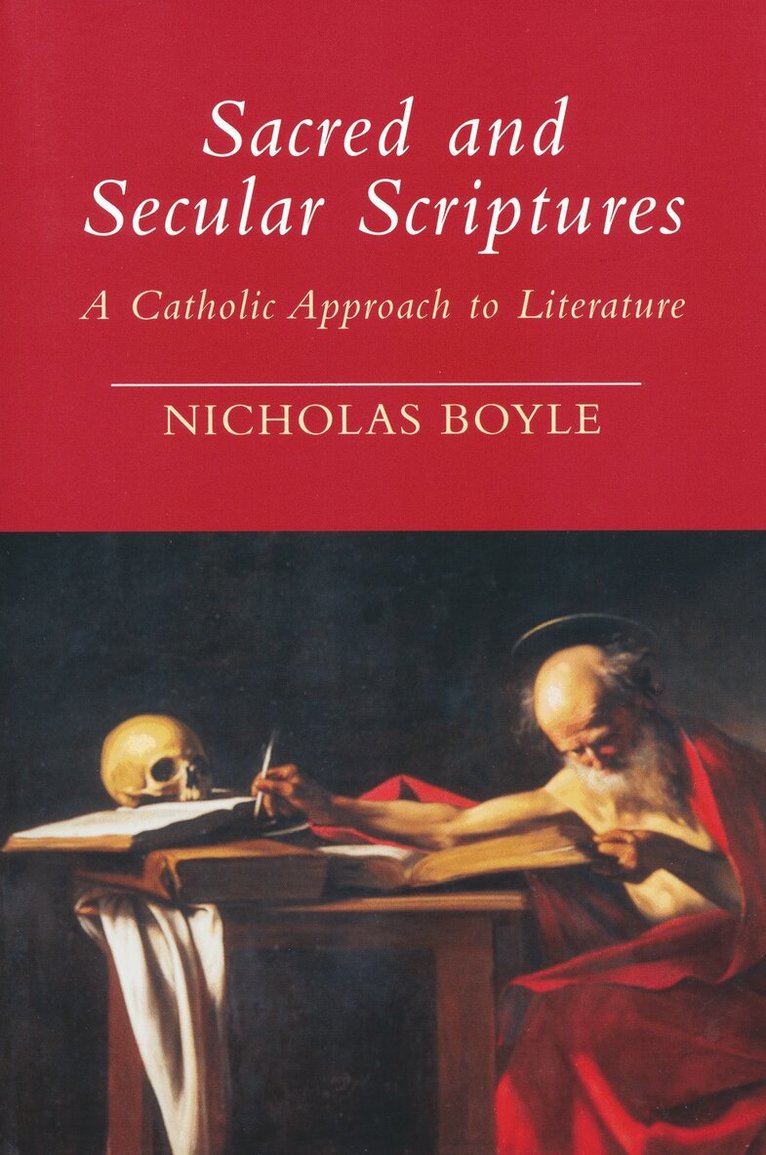
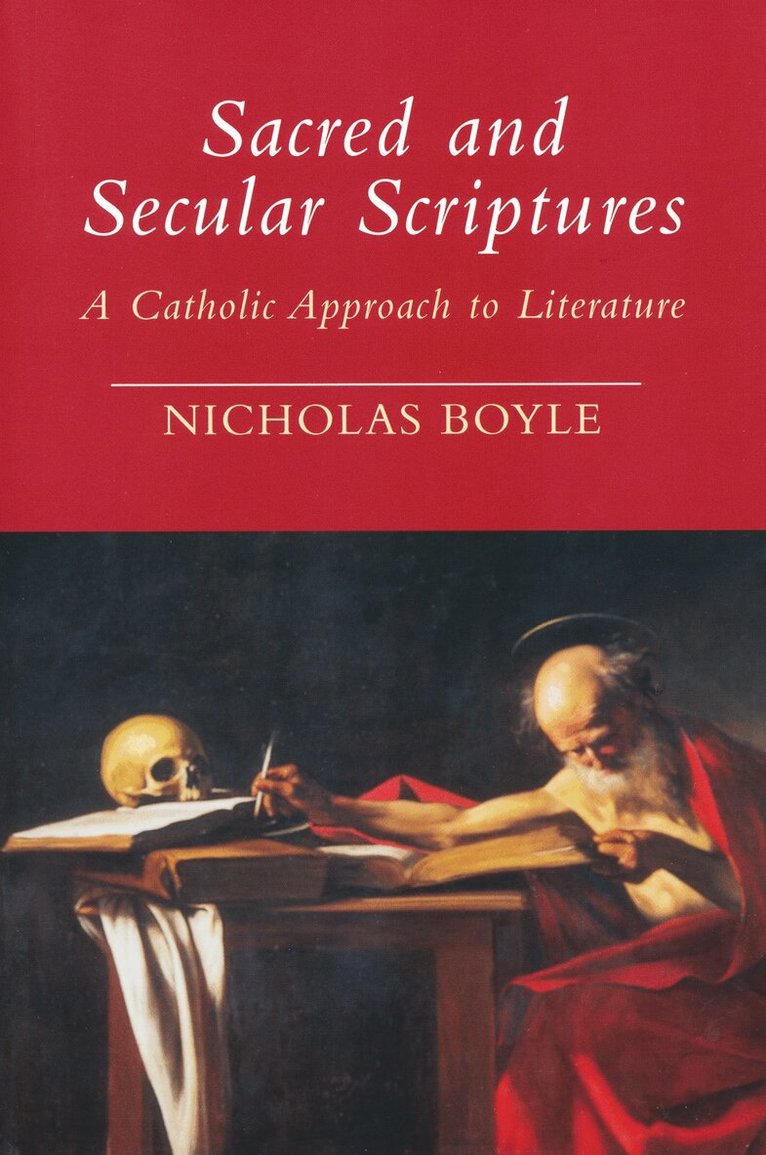
Nicholas Boyle's latest work begins with an observation—from theologian and medievalist Father Marie-Dominique Chenu, O.P.—that the Bible should be seen as a divinely ordained mediation between human culture and divine truth. But how far can we say that the Bible is 'literature'? Chenu is surely right that God is revealed in Scripture not through a system of ideas, but through a vivid historical narrative of people and places. But the Bible is also a sacred book. Expanding on this central dilemma, Boyle demonstrates that biblical scholarship and literary criticism must work together in the largely neglected task of integrating theology and modern secular culture.Boyle explores two lines of thought. In the first series of essays, he discusses a range of writers, primarily philosophers and theologians, who have treated the Bible as literature as a means of reconciling the sacred and the secular. In the second series, Boyle moves to the theme of literature as Bible, seeking a Catholic way of reading secular literature.These sophisticated and learned essays—drawn from the Erasmus Lectures Boyle delivered at the University of Notre Dame in 2003—cover a remarkable range of philosophers, theologians, and writers, including Herder, Schleiermacher, Hegel, Lévinas, Goethe, Austen, Melville, and Tolkien. This volume will reward its reader with penetrating, and often brilliant, insights.
299 kr
Skickas inom 10-15 vardagar
Nicholas Boyle's latest work begins with an observation—from theologian and medievalist Father Marie-Dominique Chenu, O.P.—that the Bible should be seen as a divinely ordained mediation between human culture and divine truth. But how far can we say that the Bible is 'literature'? Chenu is surely right that God is revealed in Scripture not through a system of ideas, but through a vivid historical narrative of people and places. But the Bible is also a sacred book. Expanding on this central dilemma, Boyle demonstrates that biblical scholarship and literary criticism must work together in the largely neglected task of integrating theology and modern secular culture.Boyle explores two lines of thought. In the first series of essays, he discusses a range of writers, primarily philosophers and theologians, who have treated the Bible as literature as a means of reconciling the sacred and the secular. In the second series, Boyle moves to the theme of literature as Bible, seeking a Catholic way of reading secular literature.These sophisticated and learned essays—drawn from the Erasmus Lectures Boyle delivered at the University of Notre Dame in 2003—cover a remarkable range of philosophers, theologians, and writers, including Herder, Schleiermacher, Hegel, Lévinas, Goethe, Austen, Melville, and Tolkien. This volume will reward its reader with penetrating, and often brilliant, insights.
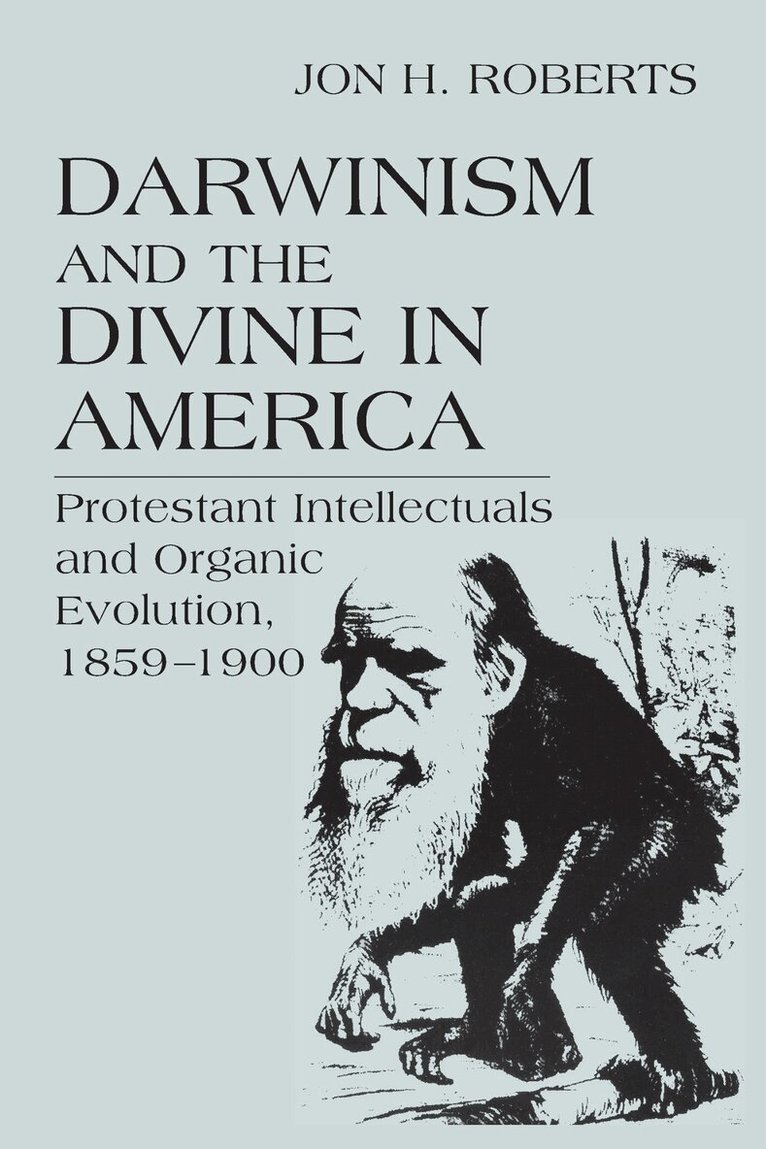
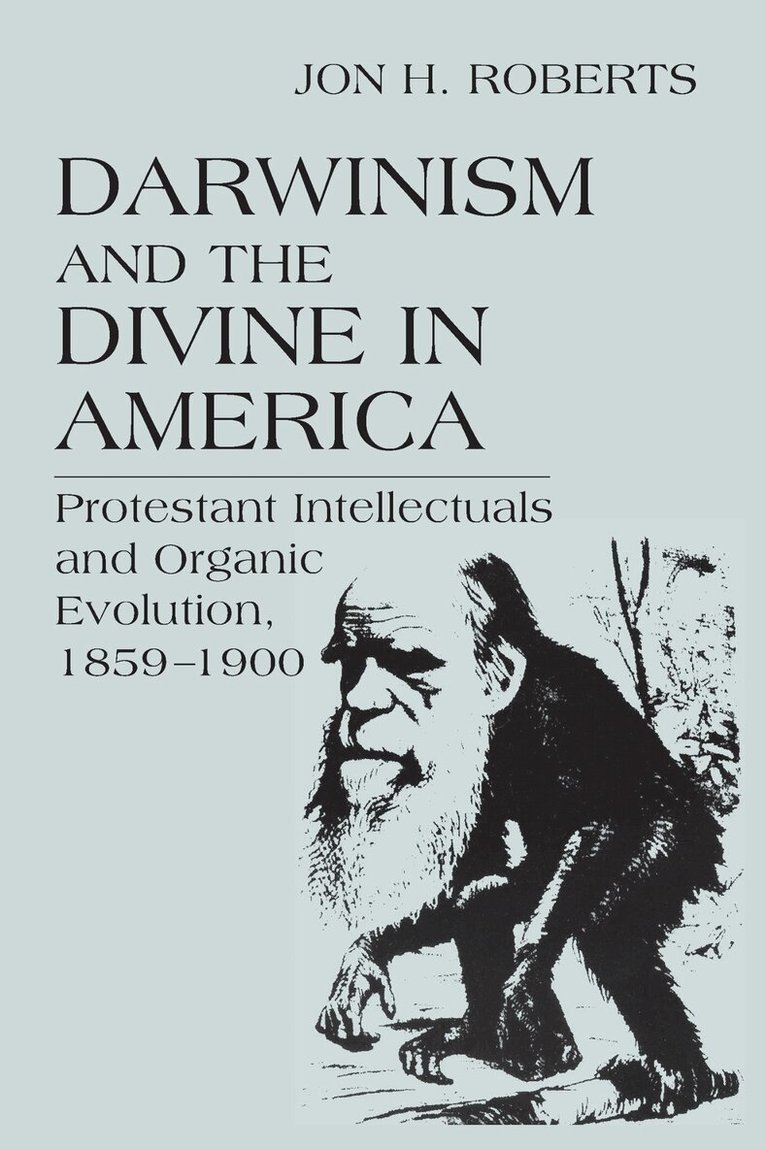
Darwinism and the Divine in America
Protestant Intellectuals and Organic Evolution, 1859–1900
Häftad, Engelska, 2001
366 kr
Skickas inom 10-15 vardagar
Originally published in 1988, Jon Roberts's book provided the first comprehensive analytical overview of public dialogue among nineteenth-century American Protestant intellectuals who struggled with the theory of organic evolution. Before the publication of Darwin's Origin of Species in 1859, most American Protestant intellectuals valued science, especially natural history, for supplying data that appeared to be invaluable for defending many major tenets of the Christian worldview. Arguments over the scientific merits of Darwin's theory gave way to discussions of its theological implications. Roberts's book reconstructs the course of that conversation from 1875 to 1900.
1 072 kr
Skickas inom 10-15 vardagar
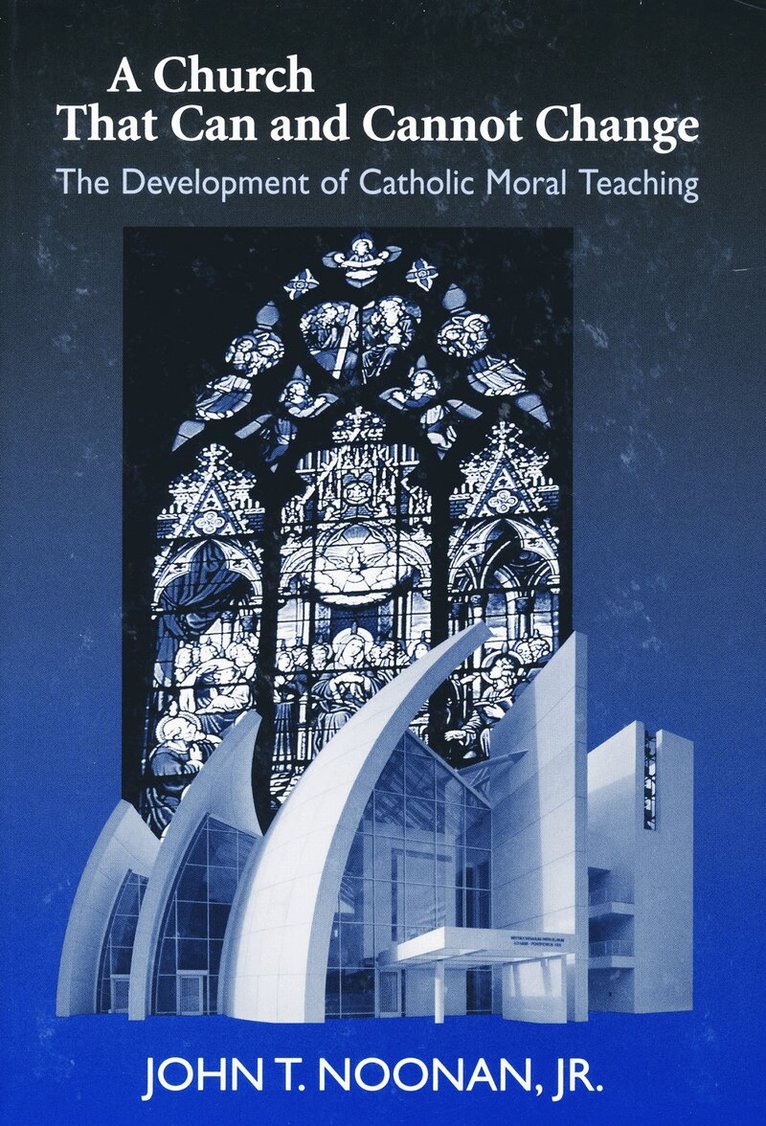
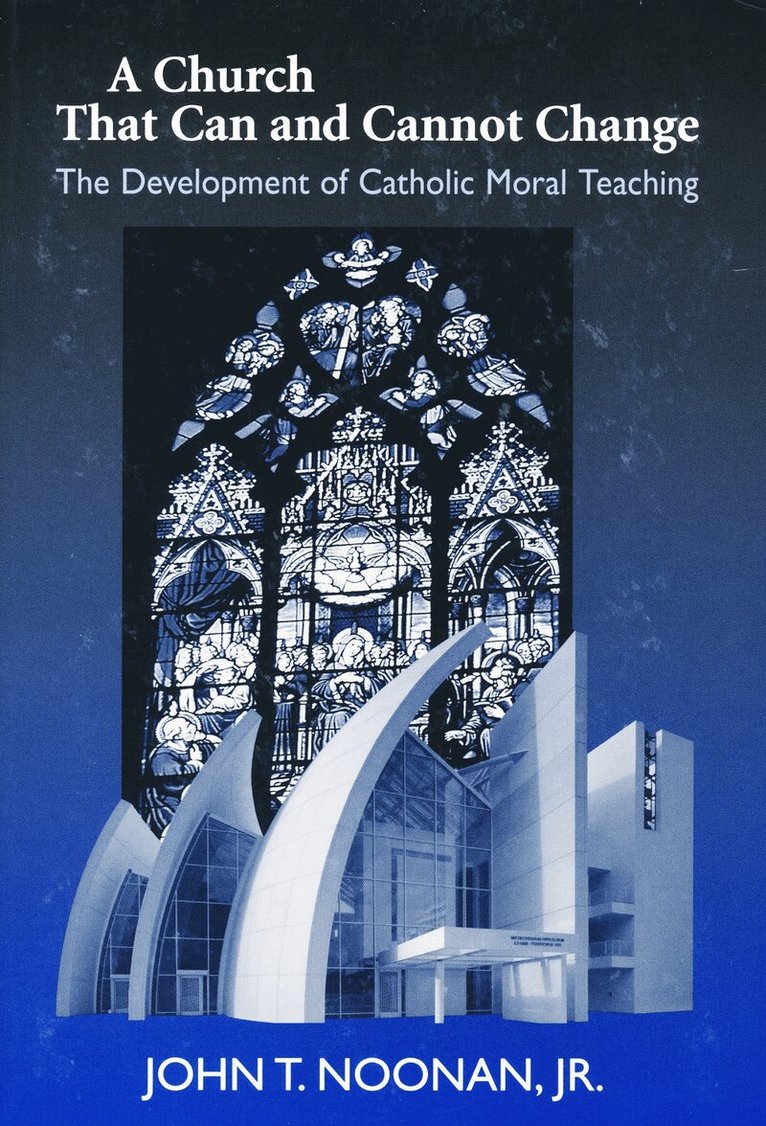
Using concrete examples, John T. Noonan, Jr., demonstrates that the moral teaching of the Catholic Church has changed and continues to change without abandoning its foundational commitment to the Gospel of Jesus Christ. Specifically, Noonan looks at the profound changes that have occurred over the centuries in Catholic moral teaching on freedom of conscience, lending for a profit, and slavery. He also offers a close examination of the change now in progress concerning divorce.In these changes Noonan perceives the Catholic Church to be a vigorous, living organism answering new questions with new answers, and enlarging the capacity of believers to learn through experience and empathy what love demands. He contends that the impetus to change comes from a variety of sources, including prayer, meditation on Scripture, new theological insights and analyses, the evolution of human institutions, and the examples and instruction given by persons of good will.Noonan also states that the Church cannot change its commitment to preaching the Gospel of Jesus Christ. Given this absolute, how can the moral teaching of the Church change? Noonan finds this question unanswerable when asked in the abstract. But in the context of the specific facts and events he discusses in this book, an answer becomes clear. As our capacity to grasp the Gospel grows, so too, our understanding and compassion, which give life to the Gospel commandments of love, grow.
260 kr
Skickas inom 10-15 vardagar
Using concrete examples, John T. Noonan, Jr., demonstrates that the moral teaching of the Catholic Church has changed and continues to change without abandoning its foundational commitment to the Gospel of Jesus Christ. Specifically, Noonan looks at the profound changes that have occurred over the centuries in Catholic moral teaching on freedom of conscience, lending for a profit, and slavery. He also offers a close examination of the change now in progress concerning divorce.In these changes Noonan perceives the Catholic Church to be a vigorous, living organism answering new questions with new answers, and enlarging the capacity of believers to learn through experience and empathy what love demands. He contends that the impetus to change comes from a variety of sources, including prayer, meditation on Scripture, new theological insights and analyses, the evolution of human institutions, and the examples and instruction given by persons of good will.Noonan also states that the Church cannot change its commitment to preaching the Gospel of Jesus Christ. Given this absolute, how can the moral teaching of the Church change? Noonan finds this question unanswerable when asked in the abstract. But in the context of the specific facts and events he discusses in this book, an answer becomes clear. As our capacity to grasp the Gospel grows, so too, our understanding and compassion, which give life to the Gospel commandments of love, grow.
1 339 kr
Skickas inom 10-15 vardagar
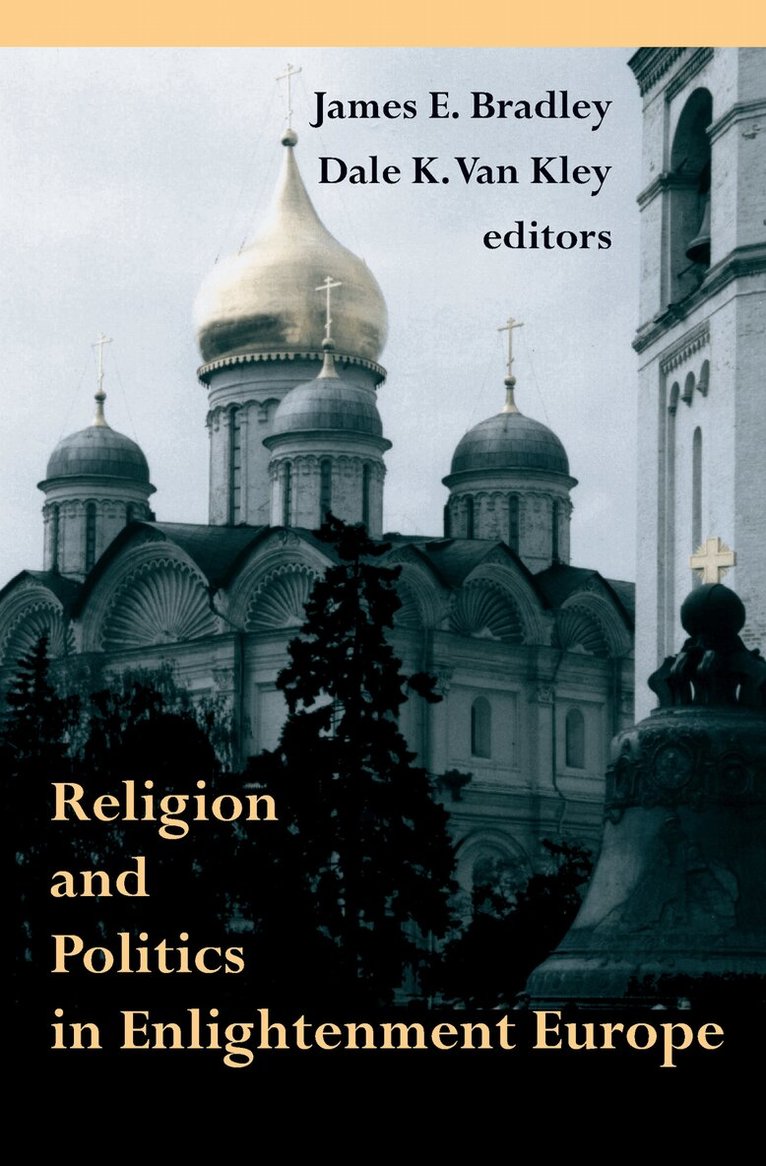
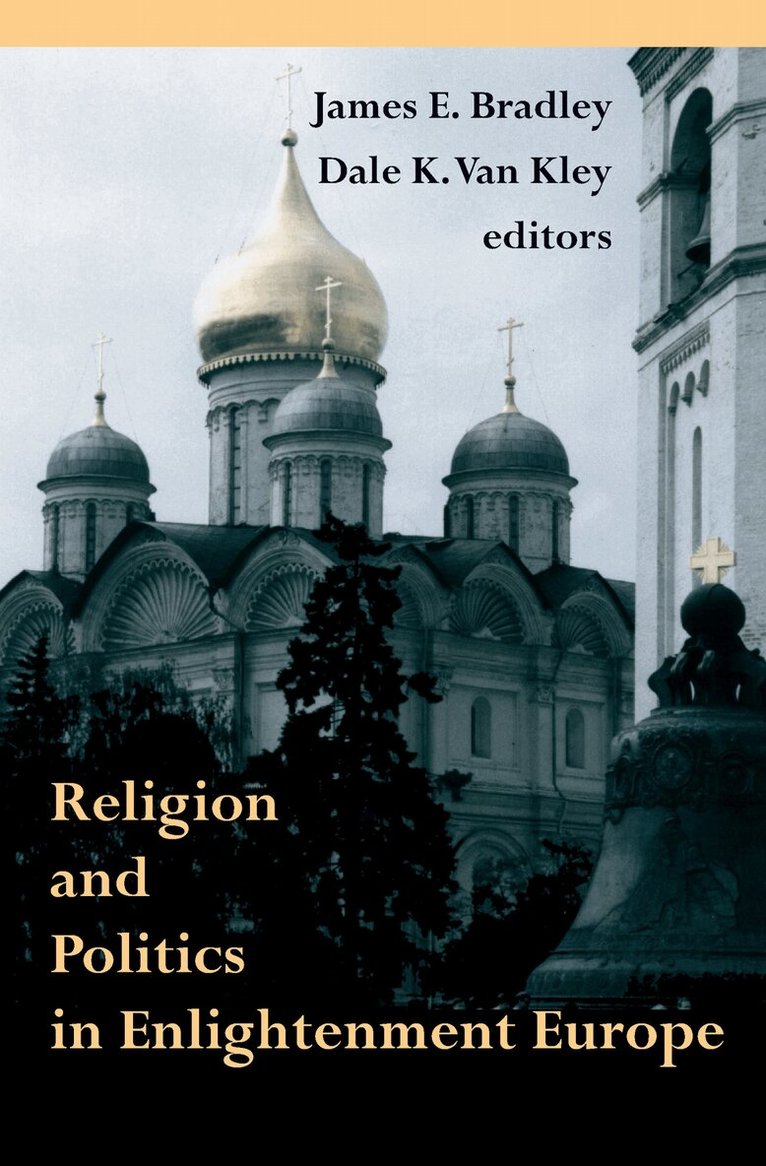
Religion and Politics in Enlightenment Europe, a collection of original essays from leading scholars, demonstrates that the collapse of the post-Reformation confessional state was more the result of religious dissent from within, much of it orthodox, than attacks of an anti-religious Enlightenment. In sharp contrast to the Reformation-era religious conflicts which tended to pit Protestant and Catholic confessions and states against each other, the eighteenth-century religious conflicts described in Religion and Politics in Enlightenment Europe took place within the various confessional establishments and states that founded and maintained them, such as Russian Orthodoxy in the East and the Anglican Establishment in England and Ireland.In the course of its analysis, Religion and Politics in Enlightenment Europe destroys the notion of any kind of privileged relationship between "religion" and political or social "reaction". This book reveals the religious roots of modern ideas of individual rights and limitations on government, as well as the imperative of political order and the need for social hierarchy. It also shows the impossibility of any purely secular treatment of eighteenth-century European political history or institutions.Based on fresh, primary research as well as a synthesis of secondary sources, Religion and Politics in Enlightenment Europe turns the familiar eighteenth century of the textbooks upside down and inside out, challenging the dominant narratives of secularization and inevitable conclusion in the French Revolution.
366 kr
Skickas inom 10-15 vardagar
Religion and Politics in Enlightenment Europe, a collection of original essays from leading scholars, demonstrates that the collapse of the post-Reformation confessional state was more the result of religious dissent from within, much of it orthodox, than attacks of an anti-religious Enlightenment. In sharp contrast to the Reformation-era religious conflicts which tended to pit Protestant and Catholic confessions and states against each other, the eighteenth-century religious conflicts described in Religion and Politics in Enlightenment Europe took place within the various confessional establishments and states that founded and maintained them, such as Russian Orthodoxy in the East and the Anglican Establishment in England and Ireland.In the course of its analysis, Religion and Politics in Enlightenment Europe destroys the notion of any kind of privileged relationship between "religion" and political or social "reaction". This book reveals the religious roots of modern ideas of individual rights and limitations on government, as well as the imperative of political order and the need for social hierarchy. It also shows the impossibility of any purely secular treatment of eighteenth-century European political history or institutions.Based on fresh, primary research as well as a synthesis of secondary sources, Religion and Politics in Enlightenment Europe turns the familiar eighteenth century of the textbooks upside down and inside out, challenging the dominant narratives of secularization and inevitable conclusion in the French Revolution.
928 kr
Skickas inom 3-6 vardagar
Many of the critical political issues of our time—from the 1992–1995 Balkan Wars to the continuing crisis in the Middle East to the role of Muslim immigrants in Western Europe—revolve around issues of religion and tolerance. The predominant approach to these concerns is to espouse the doctrines of liberal humanistic virtue. These doctrines, however, fail to resonate in communities that maintain more traditional religious definitions of self and society.Modest Claims, which features essays by Seligman and dialogues between scholars representing the three monotheistic faiths, provides the beginnings of a very different set of arguments on tolerance and tradition. In so doing it seeks to uncover the sources of toleration and pluralism that exist within the traditions of Judaism, Christianity, and Islam. Most contemporary approaches leave these sources largely unexplored and often marginalize them in current public debates and social agendas. Seligman and his dialogue partners seek to engage traditional understandings to uncover internal components that make dialogue between different religions and cultures possible. Espousing the idea of translation as a metaphor for the tolerant act, Modest Claims takes difference seriously as an aspect of existence that can be neither trivialized nor ignored. It explores and develops specifically religious arguments for tolerance and acceptance of others, as well as new strategies for understanding difference that are not rooted in individualist worldviews.This important and timely book breathes new life into the search for peace and toleration in an increasingly fractured world.
260 kr
Skickas inom 10-15 vardagar
Many of the critical political issues of our time—from the 1992–1995 Balkan Wars to the continuing crisis in the Middle East to the role of Muslim immigrants in Western Europe—revolve around issues of religion and tolerance. The predominant approach to these concerns is to espouse the doctrines of liberal humanistic virtue. These doctrines, however, fail to resonate in communities that maintain more traditional religious definitions of self and society.Modest Claims, which features essays by Seligman and dialogues between scholars representing the three monotheistic faiths, provides the beginnings of a very different set of arguments on tolerance and tradition. In so doing it seeks to uncover the sources of toleration and pluralism that exist within the traditions of Judaism, Christianity, and Islam. Most contemporary approaches leave these sources largely unexplored and often marginalize them in current public debates and social agendas. Seligman and his dialogue partners seek to engage traditional understandings to uncover internal components that make dialogue between different religions and cultures possible. Espousing the idea of translation as a metaphor for the tolerant act, Modest Claims takes difference seriously as an aspect of existence that can be neither trivialized nor ignored. It explores and develops specifically religious arguments for tolerance and acceptance of others, as well as new strategies for understanding difference that are not rooted in individualist worldviews.This important and timely book breathes new life into the search for peace and toleration in an increasingly fractured world.
420 kr
Skickas inom 10-15 vardagar
In this wide-ranging and timely volume, fourteen scholars address the important question, How should we talk about religion, whether our own or the religion of others? They confront such fundamental topics as the sufficiency of "reason" for a full life; the adequacy of our methods of describing and analyzing religion; the degree to which any serious confrontation with the religious experiences of others will challenge our own; and whether there can be a pluralism that does not dissolve into universal relativism.Writing from a diversity of perspectives and academic disciplines—philosophy, classics, medieval studies, history, anthropology, economics, political science, and art history, among others—the contributors illuminate issues at the heart of the most significant cultural, social, and political debates of our day.What emerges is not a univocal answer to the question posed in the title. Instead, by demonstrating how religion is talked about in the languages of very different academic disciplines, the essayists creatively address issues that no one should ignore: fundamentalism; the role of religion in American democracy; the tension between secular liberalism and religious rhetoric; monotheism versus pluralism; and the relationship between poverty and liberation theology. Collectively, their various approaches to talking about religion—differences due to background, age, nationality, religious outlook, and intellectual commitment, yet all valid—provide a general response to the question in the book's title: in intellectual and personal community.Contributorss: Luis E. Bacigalupo, Clifford Ando, Sabine MacCormack, R. Scott Appleby, Bilinda Straight, Patrick J. Deneen, Wayne C. Booth (1921–2005), Eugene Garver, Javier Iguíñiz Echeverría, Ruth Abbey, Sol Serrano, Carol Bier, Jeffrey Kripal, Ebrahim Moosa.
360 kr
Skickas inom 10-15 vardagar
Taking its title from a poem of William Butler Yeats, this collection of essays focuses on "Adam's Curse"—the burdens and harsh conditions that, as Denis Donoghue underscores throughout, make any human achievement difficult. As he says, those "conditions include at various levels of reference the Fall of Man, categorical failure, loss, the limitations inscribed so insistently in human life that they seem to be in the nature of things, like death and weather." But hope is never ruled out, as Donoghue reminds us of "the possibility of putting up with the conditions and turning them to some account."It is the "putting up with the conditions and turning them to some account"—a post-lapsarian struggle fraught with religious questions—that most interests Donoghue. These essays, which are explorations of both faith and literary works that engage faith, address a dazzling range of texts and writers: Yeats, Milton, Larkin, Heaney, Emmanuel Levinas, Alasdair MacIntyre, John Crowe Ransom, Henry Adams, William Lynch's Christ and Apollo, and Robert Bellah's Beyond Belief, among others. Common to all is an alertness to the social bearing of literature and the role it plays in relation to politics, religion, and especially ethics. What emerges, for Donoghue, is the need to restore the primacy of theology and church doctrine without evading the "dark parts" of the Old and New Testaments.Through his probing, reflective encounters with philosophical and religious issues, we witness a magisterial intelligence at work.
Darwinism and the Divine in America
Protestant Intellectuals and Organic Evolution, 1859–1900
Inbunden, Engelska, 2001
1 339 kr
Skickas inom 10-15 vardagar
Originally published in 1988, Jon Roberts's book provided the first comprehensive analytical overview of public dialogue among nineteenth-century American Protestant intellectuals who struggled with the theory of organic evolution. Before the publication of Darwin's Origin of Species in 1859, most American Protestant intellectuals valued science, especially natural history, for supplying data that appeared to be invaluable for defending many major tenets of the Christian worldview. Arguments over the scientific merits of Darwin's theory gave way to discussions of its theological implications. Roberts's book reconstructs the course of that conversation from 1875 to 1900.