Adam Seligman – författare
Visar alla böcker från författaren Adam Seligman. Handla med fri frakt och snabb leverans.
3 produkter
3 produkter
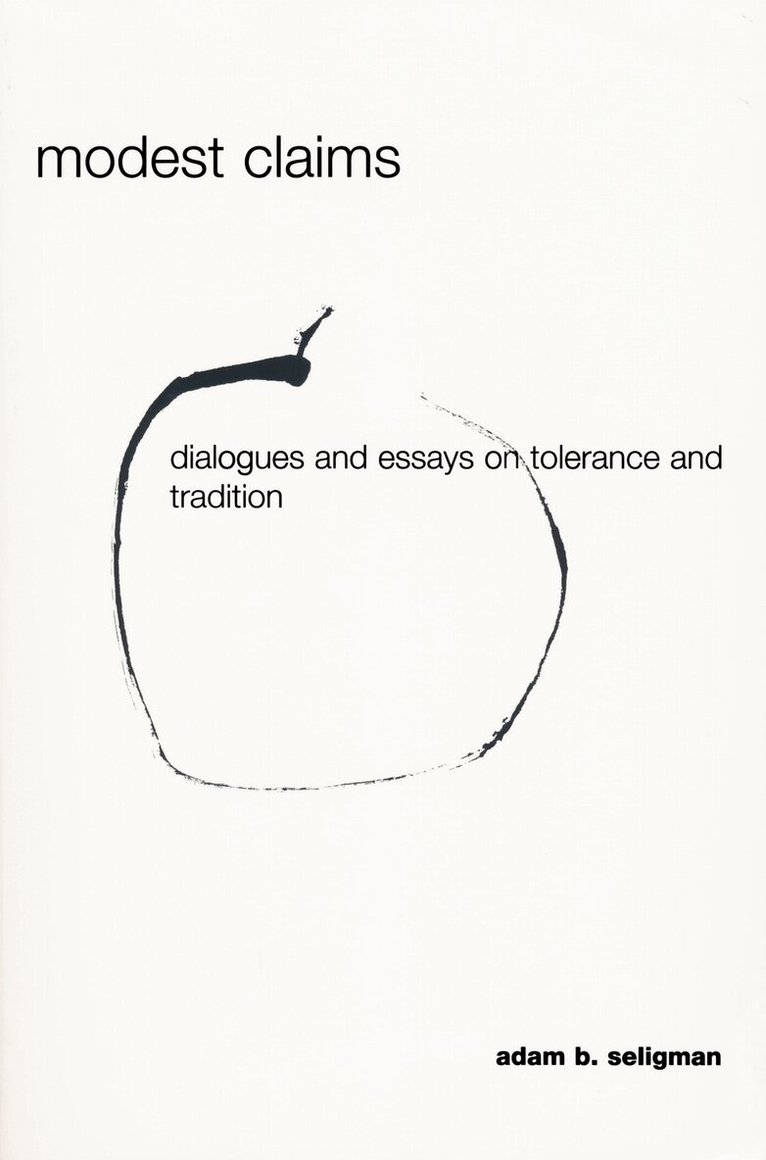
Inbunden, Engelska, 2004
905 kr
Skickas inom 3-6 vardagar
Many of the critical political issues of our time—from the 1992–1995 Balkan Wars to the continuing crisis in the Middle East to the role of Muslim immigrants in Western Europe—revolve around issues of religion and tolerance. The predominant approach to these concerns is to espouse the doctrines of liberal humanistic virtue. These doctrines, however, fail to resonate in communities that maintain more traditional religious definitions of self and society.Modest Claims, which features essays by Seligman and dialogues between scholars representing the three monotheistic faiths, provides the beginnings of a very different set of arguments on tolerance and tradition. In so doing it seeks to uncover the sources of toleration and pluralism that exist within the traditions of Judaism, Christianity, and Islam. Most contemporary approaches leave these sources largely unexplored and often marginalize them in current public debates and social agendas. Seligman and his dialogue partners seek to engage traditional understandings to uncover internal components that make dialogue between different religions and cultures possible. Espousing the idea of translation as a metaphor for the tolerant act, Modest Claims takes difference seriously as an aspect of existence that can be neither trivialized nor ignored. It explores and develops specifically religious arguments for tolerance and acceptance of others, as well as new strategies for understanding difference that are not rooted in individualist worldviews.This important and timely book breathes new life into the search for peace and toleration in an increasingly fractured world.
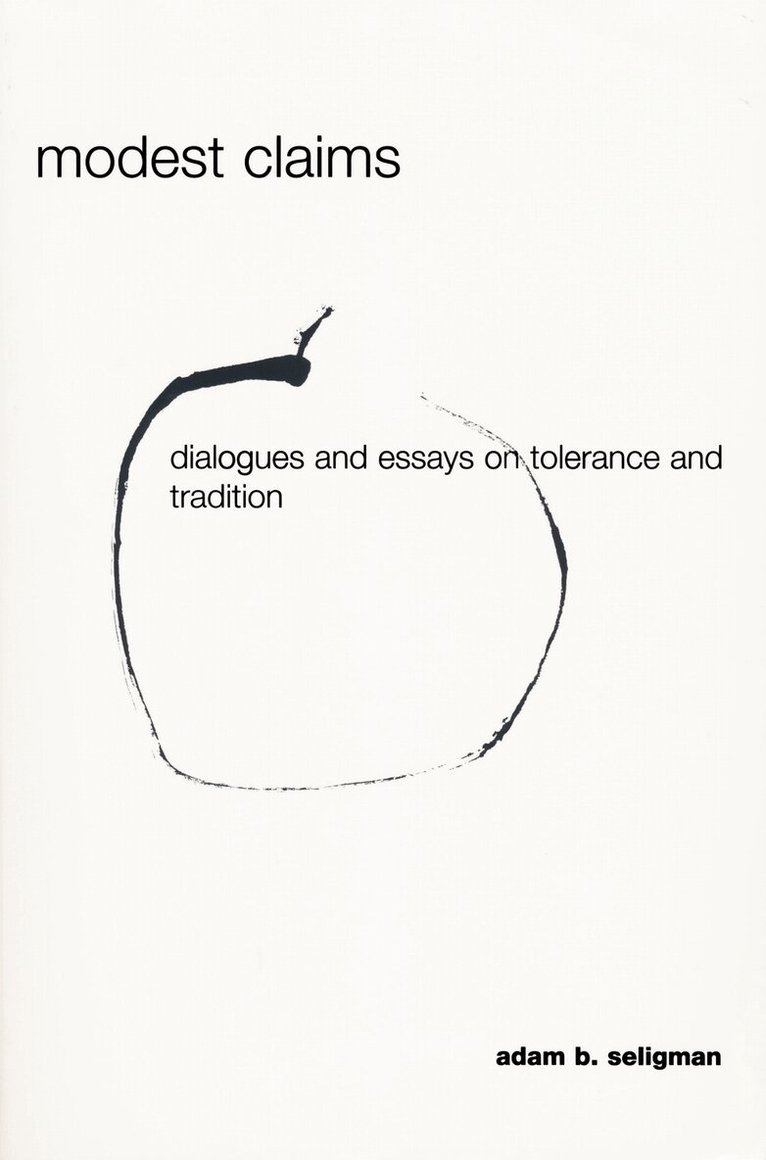
Häftad, Engelska, 2004
269 kr
Skickas inom 10-15 vardagar
Many of the critical political issues of our time—from the 1992–1995 Balkan Wars to the continuing crisis in the Middle East to the role of Muslim immigrants in Western Europe—revolve around issues of religion and tolerance. The predominant approach to these concerns is to espouse the doctrines of liberal humanistic virtue. These doctrines, however, fail to resonate in communities that maintain more traditional religious definitions of self and society.Modest Claims, which features essays by Seligman and dialogues between scholars representing the three monotheistic faiths, provides the beginnings of a very different set of arguments on tolerance and tradition. In so doing it seeks to uncover the sources of toleration and pluralism that exist within the traditions of Judaism, Christianity, and Islam. Most contemporary approaches leave these sources largely unexplored and often marginalize them in current public debates and social agendas. Seligman and his dialogue partners seek to engage traditional understandings to uncover internal components that make dialogue between different religions and cultures possible. Espousing the idea of translation as a metaphor for the tolerant act, Modest Claims takes difference seriously as an aspect of existence that can be neither trivialized nor ignored. It explores and develops specifically religious arguments for tolerance and acceptance of others, as well as new strategies for understanding difference that are not rooted in individualist worldviews.This important and timely book breathes new life into the search for peace and toleration in an increasingly fractured world.
E-bok
Engelska, 1992170 kr
Läs direkt efter köp
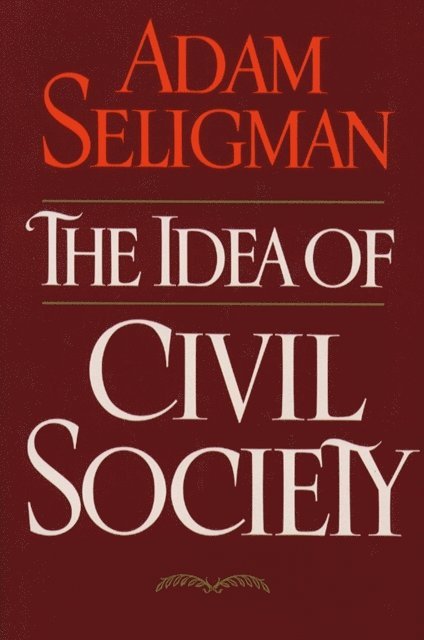
As the countries of East-Central Europe struggle to create liberal democracy and the United States and other Western nations attempt to rediscover their own tarnished civil institutions, Adam Seligman identifies the neglect of the idea of "civil society" as a central concern common to both cultures today. Two centuries after its origins in the Enlightenment, the idea of civil society is being revived to provide an answer to the question of how individuals can pursue their own interests while preserving the greater good of society and, similarly, how society can advance the interests of the individuals who comprise it. However, as Seligman shows, the erosion of the very moral beliefs and philosophical assumptions upon which the idea of civil society was founded makes its revival much more difficult than is generally recognized.