Historic Kitchens – serie
Visar alla böcker i serien Historic Kitchens. Handla med fri frakt och snabb leverans.
3 produkter
3 produkter
1 039 kr
Skickas inom 10-15 vardagar
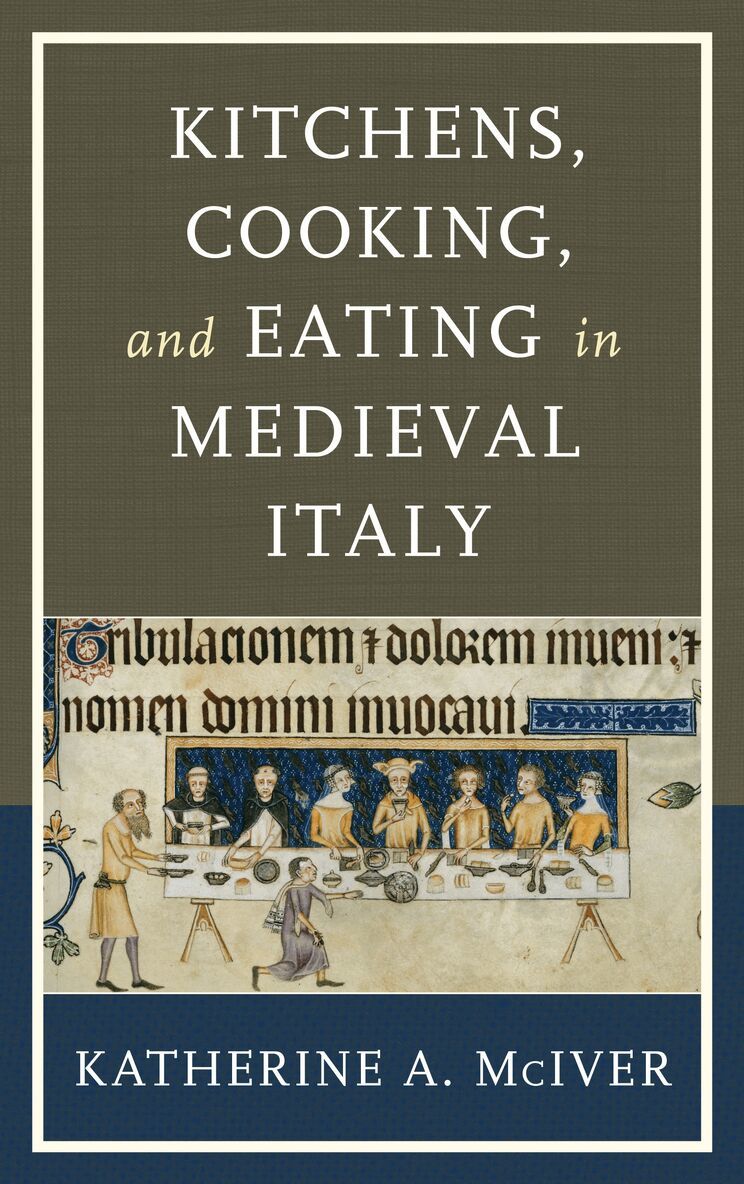
The modern twenty-first century kitchen has an array of time saving equipment for preparing a meal: a state of the art stove and refrigerator, a microwave oven, a food processor, a blender and a variety of topnotch pots, pans and utensils. We take so much for granted as we prepare the modern meal – not just in terms of equipment, but also the ingredients, without needing to worry about availability or seasonality. We cook with gas or electricity – at the turn of the switch we have instant heat. But it wasn’t always so. Just step back a few centuries to say the 1300s and we’d find quite a different kitchen, if there was one at all. We might only have a fireplace in the main living space of a small cottage. If we were lucky enough to have a kitchen, the majority of the cooking would be done over an open hearth, we’d build a fire of wood or coal and move a cauldron over the fire to prepare a stew or soup. A drink might be heated or kept warm in a long-handled saucepan, set on its own trivet beside the fire. Food could be fried in a pan, grilled on a gridiron, or turned on a spit. We might put together a small improvised oven for baking. Regulating the heat of the open flame was a demanding task. Cooking on an open hearth was an all-embracing way of life and most upscale kitchens had more than one fireplace with chimneys for ventilation. One fireplace was kept burning at a low, steady heat at all times for simmering or boiling water and the others used for grilling on a spit over glowing, radiant embers. This is quite a different situation than in our modern era – unless we were out camping and cooking over an open fire.In this book Katherine McIver explores the medieval kitchen from its location and layout (like Francesco Datini of Prato two kitchens), to its equipment (the hearth, the fuels, vessels and implements) and how they were used, to who did the cooking (man or woman) and who helped. We’ll look at the variety of ingredients (spices, herbs, meats, fruits, vegetables), food preservation and production (salted fish, cured meats, cheese making) and look through recipes, cookbooks and gastronomic texts to complete the picture of cooking in the medieval kitchen. Along the way, she looks at illustrations like the miniatures from the Tacuinum Sanitatis (a medieval health handbook), as well as paintings and engravings, to give us an idea of the workings of a medieval kitchen including hearth cooking, the equipment used, how cheese was made, harvesting ingredients, among other things. She explores medieval cookbooks such works as Anonimo Veneziano, Libro per cuoco (fourtheenth century), Anonimo Toscano, Libro della cucina (fourteenth century), Anonimo Napoletano (end of thirteenth/early fourteenth century), Liber de coquina, Anonimo Medidonale, Due libri di cucina (fourteenth century), Magninus Mediolanensis (Maino de’ Maineri), Opusculum de saporibus (fourteenth century), Johannes Bockenheim, Il registro di cucina (fifteenth century), Maestro Martino’s Il Libro de arte coquinaria (fifteenth century) and Bartolomeo Sacchi, called Platina’s On Right Pleasure and Good Health (1470). This is the story of the medieval kitchen and its operation from the thirteenth-century until the late fifteenth-century.
1 245 kr
Skickas inom 10-15 vardagar
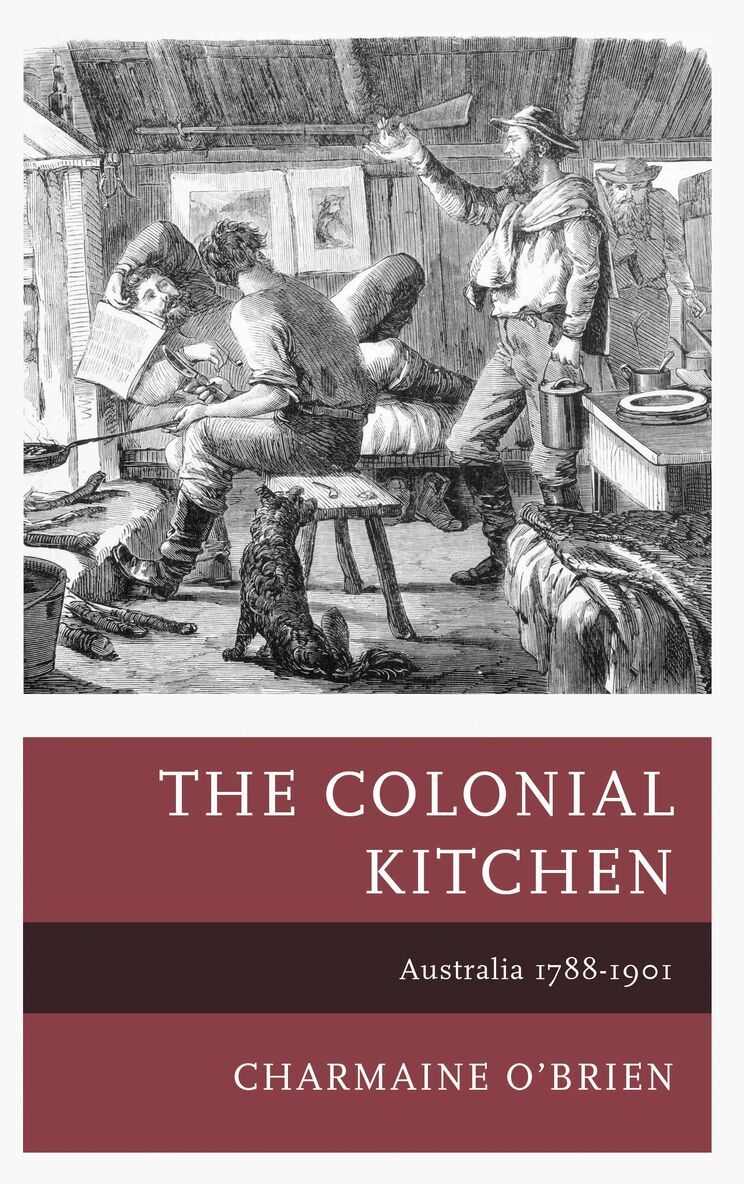
The first Europeans to settle on the Aboriginal land that would become known as Australia arrived in 1788. From the first these colonists were accused of ineptitude when it came to feeding themselves: as legend has it they nearly starved to death because they were hopeless agriculturists and ignored indigenous foods. As the colony developed Australians developed a reputation as dreadful cooks and uncouth eaters who gorged themselves on meat and disdained vegetables. By the end of the nineteenth century the Australian diet was routinely described as one of poorly cooked mutton, damper, cabbage, potatoes and leaden puddings all washed down with an ocean of saccharine sweet tea: These stereotypes have been allowed to stand as representing Australia’s colonial food history. Contemporary Australians have embraced ‘exotic’ European and Asian cuisines and blended elements of these to begin to shape a distinctive “Australian” style of cookery but they have tended to ignore, or ridicule, what they believe to be the terrible English cuisine of their colonial ancestors largely because of these prevailing negative stereotypes. The Colonial Kitchen: Australia 1788- 1901 challenges the notion that colonial Australians were all diabolical cooks and ill-mannered eaters through a rich and nuanced exploration of their kitchens, gardens and dining rooms; who was writing about food and what their purpose might have been; and the social and cultural factors at play on shaping what, how and when they at ate and how this was represented.
1 245 kr
Skickas inom 10-15 vardagar
In international culinary history, Germany is still largely a blank space, its unparalleled wealth of source material and large body of published research available only to readers of German. This books aims to give everybody else an overview of German foodways at a crucial juncture in its history. The Reformation era, broadly speaking from the Imperial Reforms of the 1480s to the beginning of the Thirty Years’ War, laid the foundations for many developments in German culture, language, and history, not least the notion of its existence as a country. Understanding the food traditions and habits of the time is important to anyone studying Germany’s culinary history and identity. Using original source material, food production, processing and consumption are explored with a view to the social significance of food and the practicalities of feeding a growing population. Food habits across the social spectrum are presented, looking at the foodways of rich and poor in city and country. The study shows a foodscape richly differentiated by region, class, income, gender and religion, but united by a shared culinary identity that was just beginning to emerge. An appendix of recipes helps the reader gain an appreciation of the practical aspects of food in the age of Martin Luther.