• Fri frakt över 249 kr
  • •
  • Snabba leveranser
  • •
  • Billiga böcker
Kundservice

Du är på sajten för privatpersoner.

Företag, bibliotek eller offentlig verksamhet?

Du handlar på classic.bokus.com, där alla dina funktioner finns intakta.
Till classic.bokus.com
Bokus logotyp. Gå till startsidan.
  • Erbjudanden
  • Nyheter
  • Student
  • Topplistor
  • Barn & ungdom
  • Bokus Play
  • E-böcker
  • Pocketböcker
  • Spel & pussel

10% rabatt på allt med kod: NYSTART10 →

Sidfot

Mina sidor

    Hjälp

    • Kundservice
    • Vanliga frågor och svar
    • Frakt och leverans
    • Retur vid ångerrätt
    • Reklamera vara
    • Betalning
    • Köpvillkor
    • Allmänna villkor
    • Information om webbplatsens tillgänglighet

    Om Bokus

    • Om oss
    • Pressrum
    • För studenter
    • För företag
    • För bibliotek och offentlig verksamhet
    • För leverantörer
    • Hållbarhet

    Populärt

    • Aktuella erbjudanden
    • Presentkort
    • Studentlitteratur
    • Nya böcker
    • Topplistor
    • Signerade böcker
    • Engelska böcker

    Inspiration

    • Boktips
    • BookTok
    • Populära bokserier
    • Barnbokskaraktärer
    • Populära författare
    Logotyp för Bokus
    Följ oss på Facebook (extern länk)Följ oss på Instagram (extern länk)Följ oss på YouTube (extern länk)Följ oss på TikTok (extern länk)
    bokus @ CookiesAnpassa cookiesIntegritetspolicyKöpvillkor
    Till Citymail hemsida (extern länk)Till Budbee hemsida (extern länk)Till Postnord hemsida (extern länk)Till Schenker hemsida (extern länk)Till Early Bird hemsida (extern länk)Till Walleys hemsida (extern länk)
    1. Samhälle och politik
    2. Samhälle och kultur
    3. Kultur och medier
    4. Kulturvetenskap

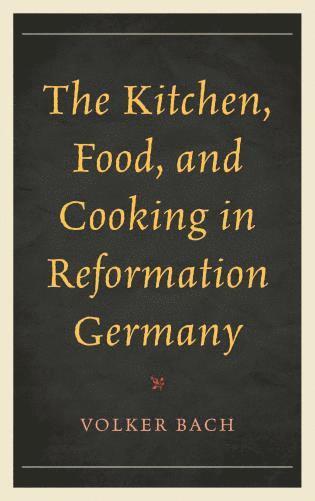
    Kitchen, Food, and Cooking in Reformation Germany

    AvVolker Bach

    Inbunden, Engelska, 2016

    Del i serien Historic Kitchens

    1 293 kr

    Beställningsvara. Skickas inom 10-15 vardagar. Fri frakt över 249 kr.

    Beskrivning

    In international culinary history, Germany is still largely a blank space, its unparalleled wealth of source material and large body of published research available only to readers of German. This books aims to give everybody else an overview of German foodways at a crucial juncture in its history. The Reformation era, broadly speaking from the Imperial Reforms of the 1480s to the beginning of the Thirty Years’ War, laid the foundations for many developments in German culture, language, and history, not least the notion of its existence as a country. Understanding the food traditions and habits of the time is important to anyone studying Germany’s culinary history and identity. Using original source material, food production, processing and consumption are explored with a view to the social significance of food and the practicalities of feeding a growing population. Food habits across the social spectrum are presented, looking at the foodways of rich and poor in city and country. The study shows a foodscape richly differentiated by region, class, income, gender and religion, but united by a shared culinary identity that was just beginning to emerge. An appendix of recipes helps the reader gain an appreciation of the practical aspects of food in the age of Martin Luther.

    Produktinformation

    • Utgivningsdatum:2016-09-30
    • Mått:156 x 239 x 21 mm
    • Vikt:481 g
    • Format:Inbunden
    • Språk:Engelska
    • Serie:Historic Kitchens
    • Antal sidor:218
    • Förlag:Bloomsbury Publishing Plc
    • ISBN:9781442251274

    Utforska kategorier

    • Kulturvetenskap inom Samhälle och politik
    • Socialhistoria och kulturhistoria inom Historia och arkeologi
    • Europas historia inom Historia och arkeologi

    Mer om författaren

    Volker Bach is a freelance translator, English teacher at a private language school in Hamburg, and freelance historical cooking instructor at Hamburg University English Department. He has published one book on culinary history.

    Recensioner i media

    Bach’s monograph is a valuable resource, both for those with a specific interest in culinary history and for historians of early modern Germany who seek to develop a fuller picture of the lives their subjects lived. It is perhaps a professional hazard for historians that, in our fascination with texts and ideas and laws, it can sometimes be tempting to forget that early modern Germans, from Luther and Charles V to peasants in Bavaria or Alsace, were fully embodied human beings. They engaged in the world around them not only with their minds but also with their senses, and Volker Bach’s book is an excellent way to gain insight into an important aspect of their everyday lived realities. Seasoned scholars and nonspecialists alike will find much of value in his work.