History of Disability - Böcker
Visar alla böcker i serien History of Disability. Handla med fri frakt och snabb leverans.
12 produkter
12 produkter
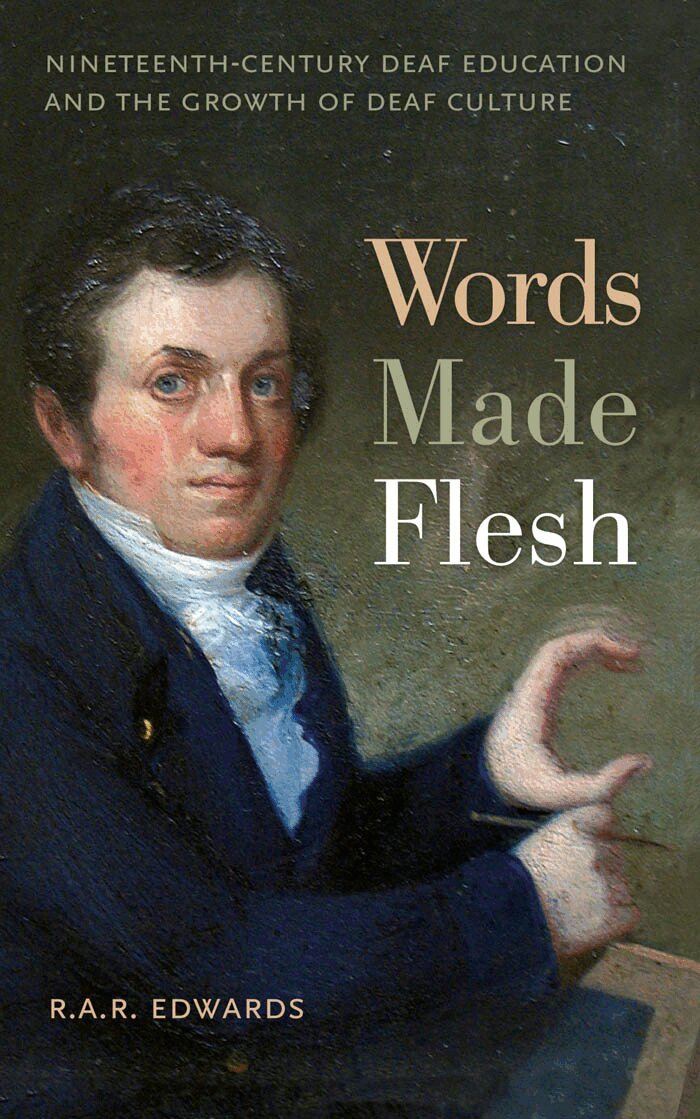
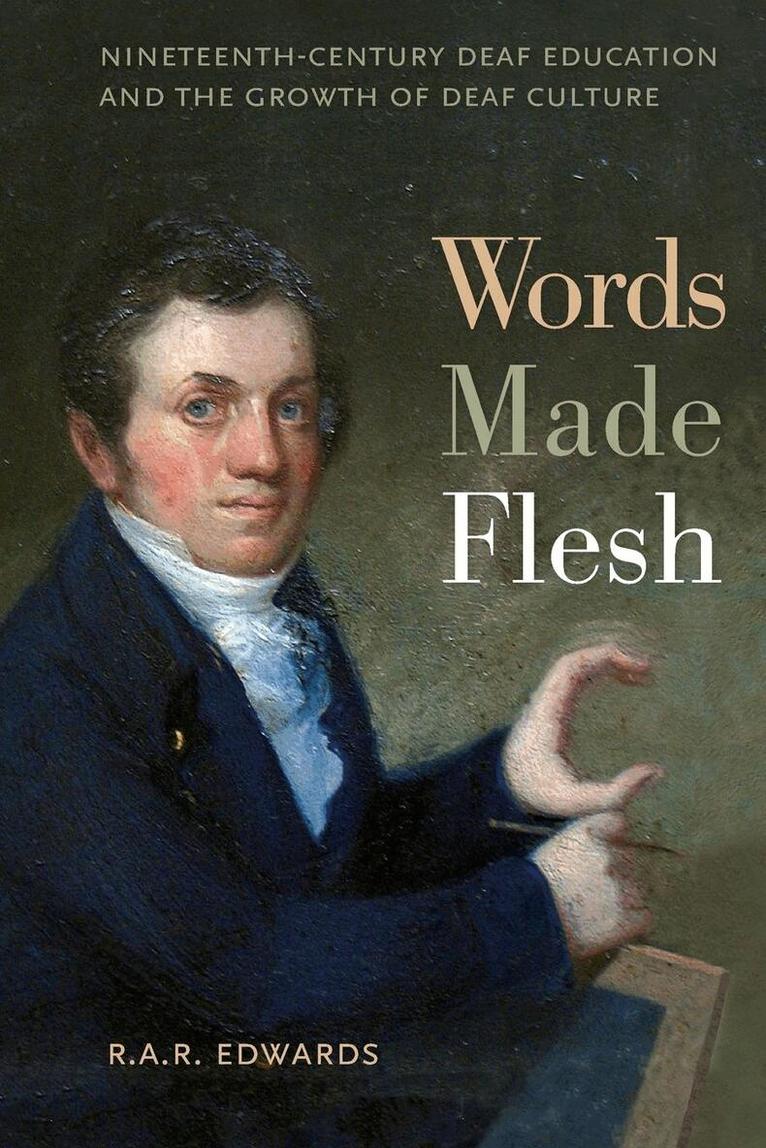
Words Made Flesh
Nineteenth-Century Deaf Education and the Growth of Deaf Culture
Inbunden, Engelska, 2012
1 191 kr
Skickas inom 10-15 vardagar
During the early nineteenth century, schools for the deaf appeared in the United States for the first time. These schools were committed to the use of the sign language to educate deaf students. Manual education made the growth of the deaf community possible, for it gathered deaf people together in sizable numbers for the first time in American history. It also fueled the emergence of Deaf culture, as the schools became agents of cultural transformations.Just as the Deaf community began to be recognized as a minority culture, in the 1850s, a powerful movement arose to undo it, namely oral education. Advocates of oral education, deeply influenced by the writings of public school pioneer Horace Mann, argued that deaf students should stop signing and should start speaking in the hope that the Deaf community would be abandoned, and its language and culture would vanish. In this revisionist history, Words Made Flesh explores the educational battles of the nineteenth century from both hearing and deaf points of view. It places the growth of the Deaf community at the heart of the story of deaf education and explains how the unexpected emergence of Deafness provoked the pedagogical battles that dominated the field of deaf education in the nineteenth century, and still reverberate today.
985 kr
Skickas inom 10-15 vardagar
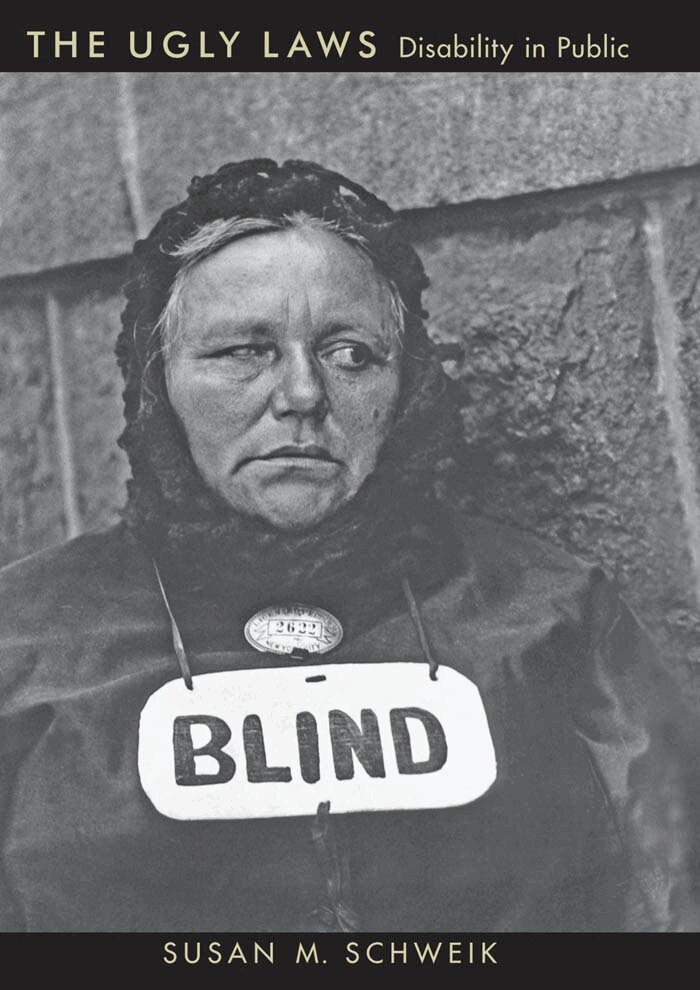
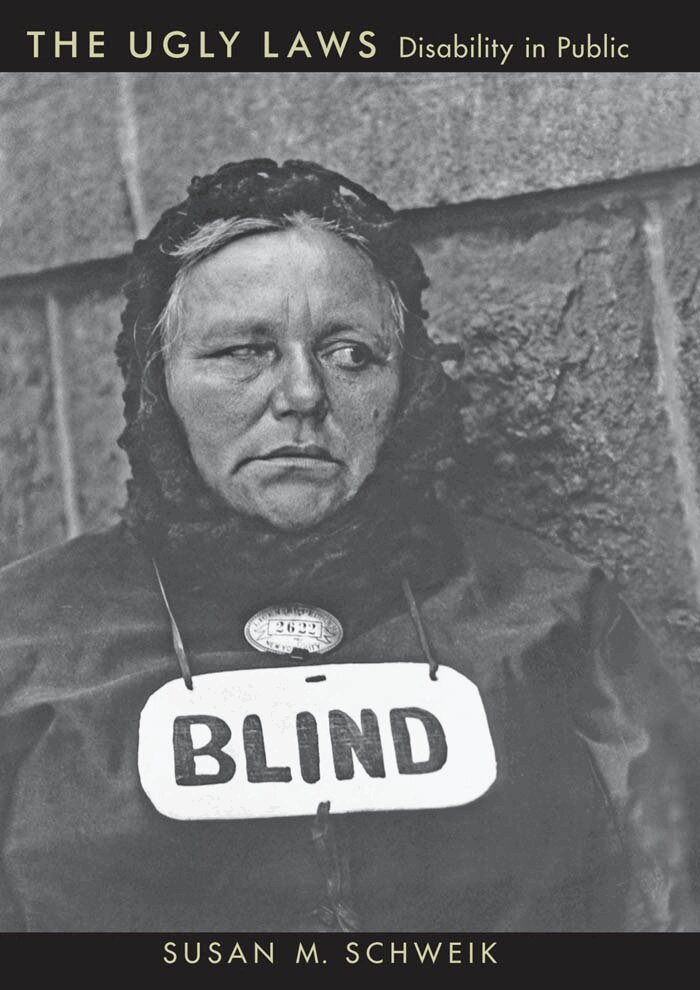
The murky history behind municipal laws criminalizing disabilityIn the late-nineteenth and early-twentieth centuries, municipal laws targeting "unsightly beggars" sprang up in cities across America. Seeming to criminalize disability and thus offering a visceral example of discrimination, these "ugly laws" have become a sort of shorthand for oppression in disability studies, law, and the arts.In this watershed study of the ugly laws, Susan M. Schweik uncovers the murky history behind the laws, situating the varied legislation in its historical context and exploring in detail what the laws meant. Illustrating how the laws join the history of the disabled and the poor, Schweik not only gives the reader a deeper understanding of the ugly laws and the cities where they were generated, she locates the laws at a crucial intersection of evolving and unstable concepts of race, nation, sex, class, and gender. Moreover, she explores the history of resistance to the ordinances, using the often harrowing life stories of those most affected by their passage. Moving to the laws' more recent history, Schweik analyzes the shifting cultural memory of the ugly laws, examining how they have been used—and misused—by academics, activists, artists, lawyers, and legislators.
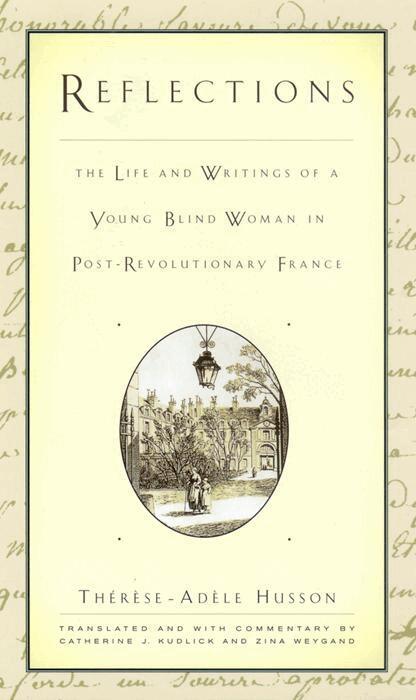
Reflections
The Life and Writings of a Young Blind Woman in Post-Revolutionary France
Inbunden, Engelska, 2002
330 kr
Skickas
In the 1820s, several years before Braille was invented, Therese-Adele Husson, a young blind woman from provincial France, wrote an audacious manifesto about her life, French society, and her hopes for the future. Through extensive research and scholarly detective work, authors Catherine Kudlick and Zina Weygand have rescued this intriguing woman and the remarkable story of her life and tragic death from obscurity, giving readers a rare look into a world recorded by an unlikely historical figure. Reflections is one of the earliest recorded manifestations of group solidarity among people with the same disability, advocating self-sufficiency and independence on the part of blind people, encouraging education for all blind children, and exploring gender roles for both men and women. Resolutely defying the sense of "otherness" which pervades discourse about the disabled, Husson instead convinces us that that blindness offers a fresh and important perspective on both history and ourselves.In rescuing this important historical account and recreating the life of an obscure but potent figure, Weygand and Kudlick have awakened a perspective that transcends time and which, ultimately, remaps our inherent ideas of physical sensibility.
902 kr
Skickas inom 10-15 vardagar
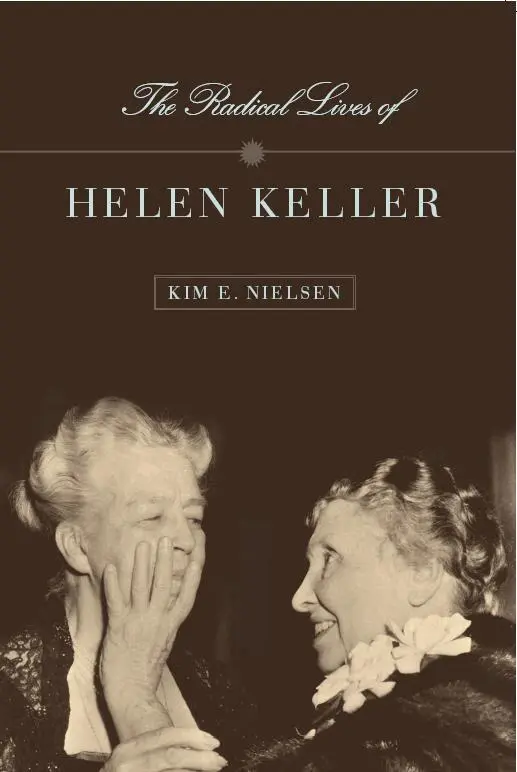
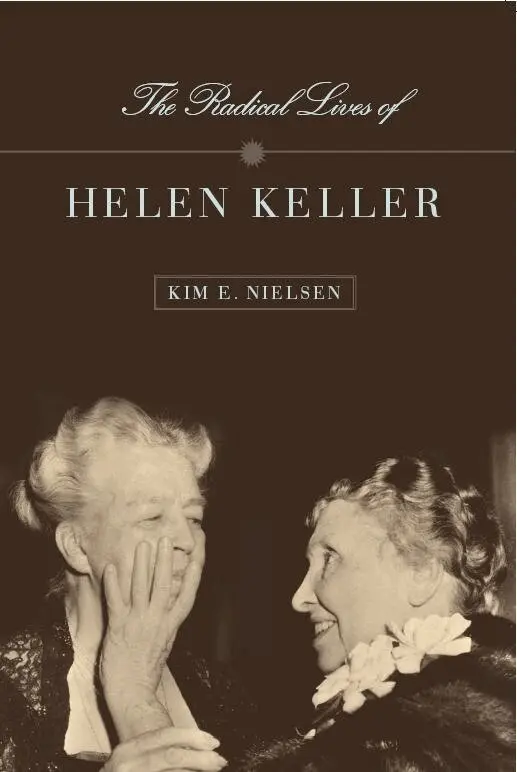
A political biography that reveals new sides to Helen KellerSeveral decades after her death in 1968, Helen Keller remains one of the most widely recognized women of the twentieth century. But the fascinating story of her vivid political life—particularly her interest in radicalism and anti-capitalist activism—has been largely overwhelmed by the sentimentalized story of her as a young deaf-blind girl.Keller had many lives indeed. Best known for her advocacy on behalf of the blind, she was also a member of the socialist party, an advocate of women's suffrage, a defender of the radical International Workers of the World, and a supporter of birth control—and she served as one of the nation's most effective but unofficial international ambassadors. In spite of all her political work, though, Keller rarely explored the political dimensions of disability, adopting beliefs that were often seen as conservative, patronizing, and occasionally repugnant. Under the wing of Alexander Graham Bell, a controversial figure in the deaf community who promoted lip-reading over sign language, Keller became a proponent of oralism, thereby alienating herself from others in the deaf community who believed that a rich deaf culture was possible through sign language. But only by distancing herself from the deaf community was she able to maintain a public image as a one-of-a-kind miracle.Using analytic tools and new sources, Kim E. Nielsen's political biography of Helen Keller has many lives, teasing out the motivations for and implications of her political and personal revolutions to reveal a more complex and intriguing woman than the Helen Keller we thought we knew.
343 kr
Skickas inom 7-10 vardagar
A political biography that reveals new sides to Helen KellerSeveral decades after her death in 1968, Helen Keller remains one of the most widely recognized women of the twentieth century. But the fascinating story of her vivid political life—particularly her interest in radicalism and anti-capitalist activism—has been largely overwhelmed by the sentimentalized story of her as a young deaf-blind girl.Keller had many lives indeed. Best known for her advocacy on behalf of the blind, she was also a member of the socialist party, an advocate of women's suffrage, a defender of the radical International Workers of the World, and a supporter of birth control—and she served as one of the nation's most effective but unofficial international ambassadors. In spite of all her political work, though, Keller rarely explored the political dimensions of disability, adopting beliefs that were often seen as conservative, patronizing, and occasionally repugnant. Under the wing of Alexander Graham Bell, a controversial figure in the deaf community who promoted lip-reading over sign language, Keller became a proponent of oralism, thereby alienating herself from others in the deaf community who believed that a rich deaf culture was possible through sign language. But only by distancing herself from the deaf community was she able to maintain a public image as a one-of-a-kind miracle.Using analytic tools and new sources, Kim E. Nielsen's political biography of Helen Keller has many lives, teasing out the motivations for and implications of her political and personal revolutions to reveal a more complex and intriguing woman than the Helen Keller we thought we knew.
689 kr
Skickas inom 10-15 vardagar
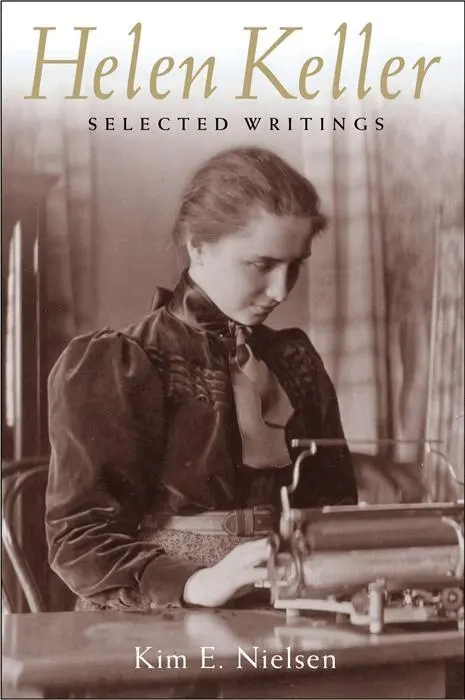
"[My life] is so rich with blessings—an immense capacity of enjoyment, books, and beloved friends. . . . Most earnestly I pray the dear Heavenly Father that I may sometime make myself far more worthy of the love shown to me than I am now."—April 22, 1900 letter from Helen Keller to John Hitz, AFBWhen Helen Keller died in 1968, at the age of eighty-eight years old, she was one of the most widely known women in the world. The overnight success of her biography, The Story of My Life, written at age twenty-three, made it obvious to Keller that she was endowed with a gift for writing and speaking. As she got older, she increasingly began to do both on a variety of subjects extending beyond her own disability, including social, political, and theological issues.Helen Keller: Selected Writings collects Keller's personal letters, political writings, speeches, and excerpts of her published materials from 1887 to 1968. The book also includes an introductory essay by Kim E. Nielsen, headnotes to each document, and a selected bibliography of work by and about Keller. The majority of the letters and some prints, all drawn from the Helen Keller Archives at the American Foundation for the Blind in New York, are being published for the first time.Literature, education, advocacy, politics, religion, travel: the many interests of Helen Keller culminate in this book and are reflected in her spirited narration. Also portrayed are the individuals Keller inspired and took inspiration from, including her teacher Annie Sullivan, her family, and others with whom she formed friendships throughout the course of her life.This often charming collection revels in and preserves Keller's public and private life, coming to us in the year which marks the 125th anniversary of her birthday.
944 kr
Skickas inom 10-15 vardagar
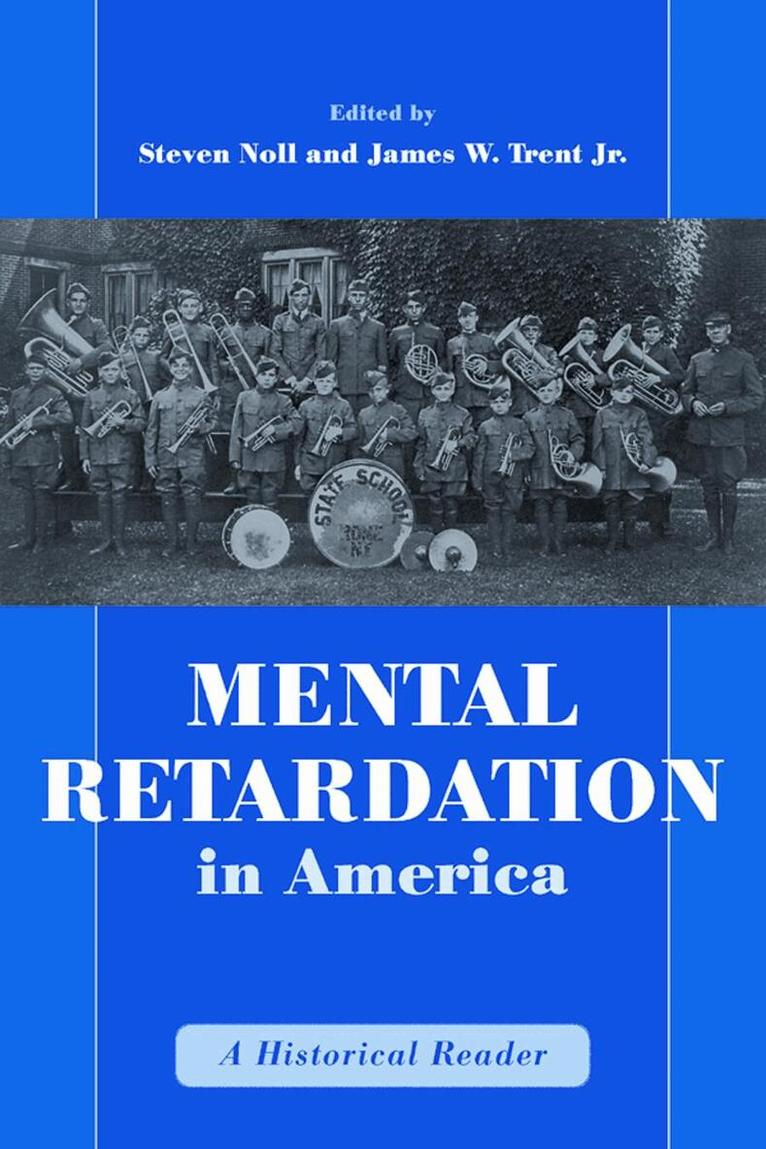
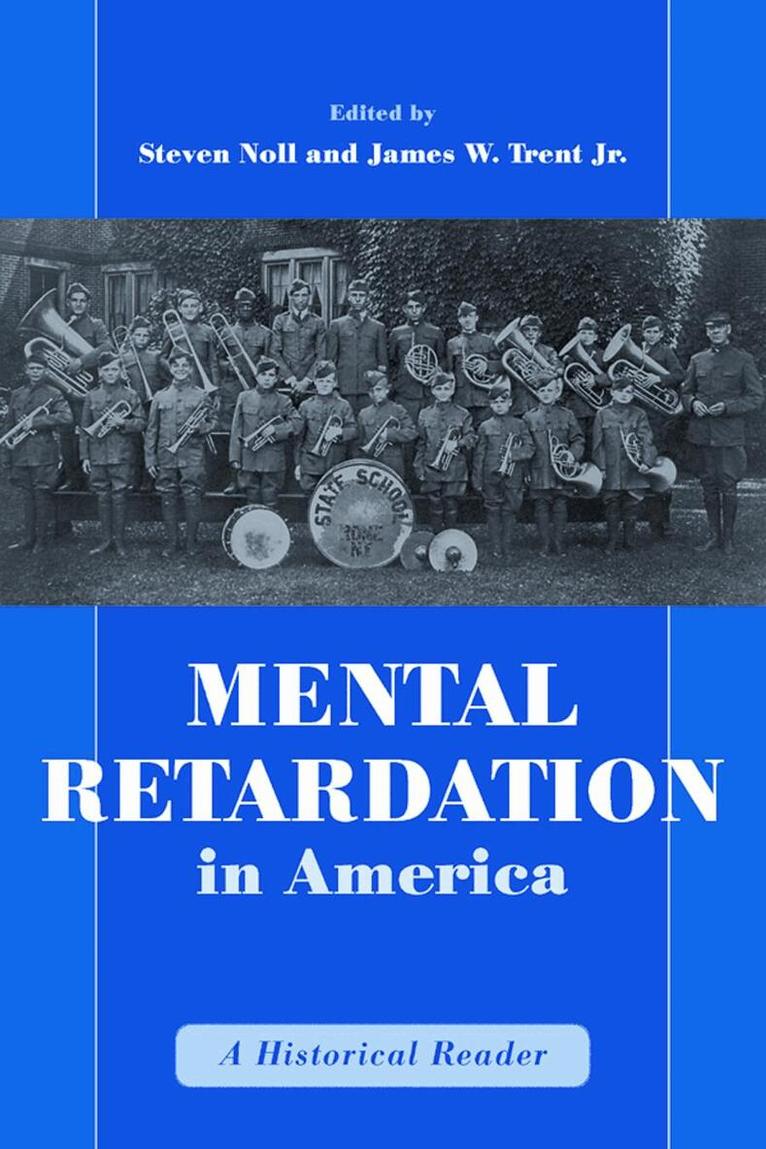
The expressions "idiot, you idiot, you're an idiot, don't be an idiot," and the like are generally interpreted as momentary insults. But, they are also expressions that represent an old, if unstable, history. Beginning with an examination of the early nineteenth century labeling of mental retardation as "idiocy," to what we call developmental, intellectual, or learning disabilities, Mental Retardation in America chronicles the history of mental retardation, its treatment and labeling, and its representations and ramifications within the changing economic, social, and political context of America.Mental Retardation in America includes essays with a wide range of authors who approach the problems of retardation from many differing points of view. This work is divided into five sections, each following in chronological order the major changes in the treatment of people classified as retarded. Exploring historical issues, as well as current public policy concerns, Mental Retardation in America covers topics ranging from representations of the mentally disabled as social burdens and social menaces; Freudian inspired ideas of adjustment and adaptation; the relationship between community care and institutional treatment; historical events, such as the Buck v. Bell decision, which upheld the opinion on eugenic sterilization; the evolution of the disability rights movement; and the passage of the Americans with Disabilities Act (ADA) in 1990.
414 kr
Skickas inom 7-10 vardagar
The expressions "idiot, you idiot, you're an idiot, don't be an idiot," and the like are generally interpreted as momentary insults. But, they are also expressions that represent an old, if unstable, history. Beginning with an examination of the early nineteenth century labeling of mental retardation as "idiocy," to what we call developmental, intellectual, or learning disabilities, Mental Retardation in America chronicles the history of mental retardation, its treatment and labeling, and its representations and ramifications within the changing economic, social, and political context of America.Mental Retardation in America includes essays with a wide range of authors who approach the problems of retardation from many differing points of view. This work is divided into five sections, each following in chronological order the major changes in the treatment of people classified as retarded. Exploring historical issues, as well as current public policy concerns, Mental Retardation in America covers topics ranging from representations of the mentally disabled as social burdens and social menaces; Freudian inspired ideas of adjustment and adaptation; the relationship between community care and institutional treatment; historical events, such as the Buck v. Bell decision, which upheld the opinion on eugenic sterilization; the evolution of the disability rights movement; and the passage of the Americans with Disabilities Act (ADA) in 1990.
414 kr
Skickas inom 7-10 vardagar
The murky history behind municipal laws criminalizing disabilityIn the late-nineteenth and early-twentieth centuries, municipal laws targeting "unsightly beggars" sprang up in cities across America. Seeming to criminalize disability and thus offering a visceral example of discrimination, these "ugly laws" have become a sort of shorthand for oppression in disability studies, law, and the arts.In this watershed study of the ugly laws, Susan M. Schweik uncovers the murky history behind the laws, situating the varied legislation in its historical context and exploring in detail what the laws meant. Illustrating how the laws join the history of the disabled and the poor, Schweik not only gives the reader a deeper understanding of the ugly laws and the cities where they were generated, she locates the laws at a crucial intersection of evolving and unstable concepts of race, nation, sex, class, and gender. Moreover, she explores the history of resistance to the ordinances, using the often harrowing life stories of those most affected by their passage. Moving to the laws' more recent history, Schweik analyzes the shifting cultural memory of the ugly laws, examining how they have been used—and misused—by academics, activists, artists, lawyers, and legislators.
944 kr
Skickas inom 10-15 vardagar
A collected volume highlighting disability's hidden history in American societyDisability has always been a preoccupation of American society and culture. From antebellum debates about qualification for citizenship to current controversies over access and reasonable accommodations, disability has been present, in penumbra if not in print, on virtually every page of American history. Yet historians have only recently begun the deep excavation necessary to retrieve lives shrouded in religious, then medical, and always deep-seated cultural, misunderstanding.This volume opens up disability's hidden history. In these pages, a North Carolina Youth finds his identity as a deaf Southerner challenged in Civil War-era New York. Deaf community leaders ardently defend sign language in early 20th century America. The mythic Helen Keller and the long-forgotten American Blind People's higher Education and General Improvement Association each struggle to shape public and private roles for blind Americans. White and black disabled World War I and II veterans contest public policies and cultural values to claim their citizenship rights.Neurasthenic Alice James and injured turn-of-the-century railroadmen grapple with the interplay of disability and gender. Progressive-era rehabilitationists fashion programs to make crippled children economically productive and socially valid, and two Depression-era fathers murder their sons as public opinion blames the boys' mothers for having cherished the lads' lives. These and many other figures lead readers through hospital-schools, courtrooms, advocacy journals, and beyond to discover disability's past.Coupling empirical evidence with the interdisciplinary tools and insights of disability studies, the book explores the complex meanings of disability as identity and cultural signifier in American history.
414 kr
Skickas inom 7-10 vardagar
A collected volume highlighting disability's hidden history in American societyDisability has always been a preoccupation of American society and culture. From antebellum debates about qualification for citizenship to current controversies over access and reasonable accommodations, disability has been present, in penumbra if not in print, on virtually every page of American history. Yet historians have only recently begun the deep excavation necessary to retrieve lives shrouded in religious, then medical, and always deep-seated cultural, misunderstanding.This volume opens up disability's hidden history. In these pages, a North Carolina Youth finds his identity as a deaf Southerner challenged in Civil War-era New York. Deaf community leaders ardently defend sign language in early 20th century America. The mythic Helen Keller and the long-forgotten American Blind People's higher Education and General Improvement Association each struggle to shape public and private roles for blind Americans. White and black disabled World War I and II veterans contest public policies and cultural values to claim their citizenship rights.Neurasthenic Alice James and injured turn-of-the-century railroadmen grapple with the interplay of disability and gender. Progressive-era rehabilitationists fashion programs to make crippled children economically productive and socially valid, and two Depression-era fathers murder their sons as public opinion blames the boys' mothers for having cherished the lads' lives. These and many other figures lead readers through hospital-schools, courtrooms, advocacy journals, and beyond to discover disability's past.Coupling empirical evidence with the interdisciplinary tools and insights of disability studies, the book explores the complex meanings of disability as identity and cultural signifier in American history.
Words Made Flesh
Nineteenth-Century Deaf Education and the Growth of Deaf Culture
Häftad, Engelska, 2014
374 kr
Skickas inom 7-10 vardagar
During the early nineteenth century, schools for the deaf appeared in the United States for the first time. These schools were committed to the use of the sign language to educate deaf students. Manual education made the growth of the deaf community possible, for it gathered deaf people together in sizable numbers for the first time in American history. It also fueled the emergence of Deaf culture, as the schools became agents of cultural transformations.Just as the Deaf community began to be recognized as a minority culture, in the 1850s, a powerful movement arose to undo it, namely oral education. Advocates of oral education, deeply influenced by the writings of public school pioneer Horace Mann, argued that deaf students should stop signing and should start speaking in the hope that the Deaf community would be abandoned, and its language and culture would vanish. In this revisionist history, Words Made Flesh explores the educational battles of the nineteenth century from both hearing and deaf points of view. It places the growth of the Deaf community at the heart of the story of deaf education and explains how the unexpected emergence of Deafness provoked the pedagogical battles that dominated the field of deaf education in the nineteenth century, and still reverberate today.