History of Science and Scholarship in the Netherlands – serie
Visar alla böcker i serien History of Science and Scholarship in the Netherlands. Handla med fri frakt och snabb leverans.
6 produkter
6 produkter
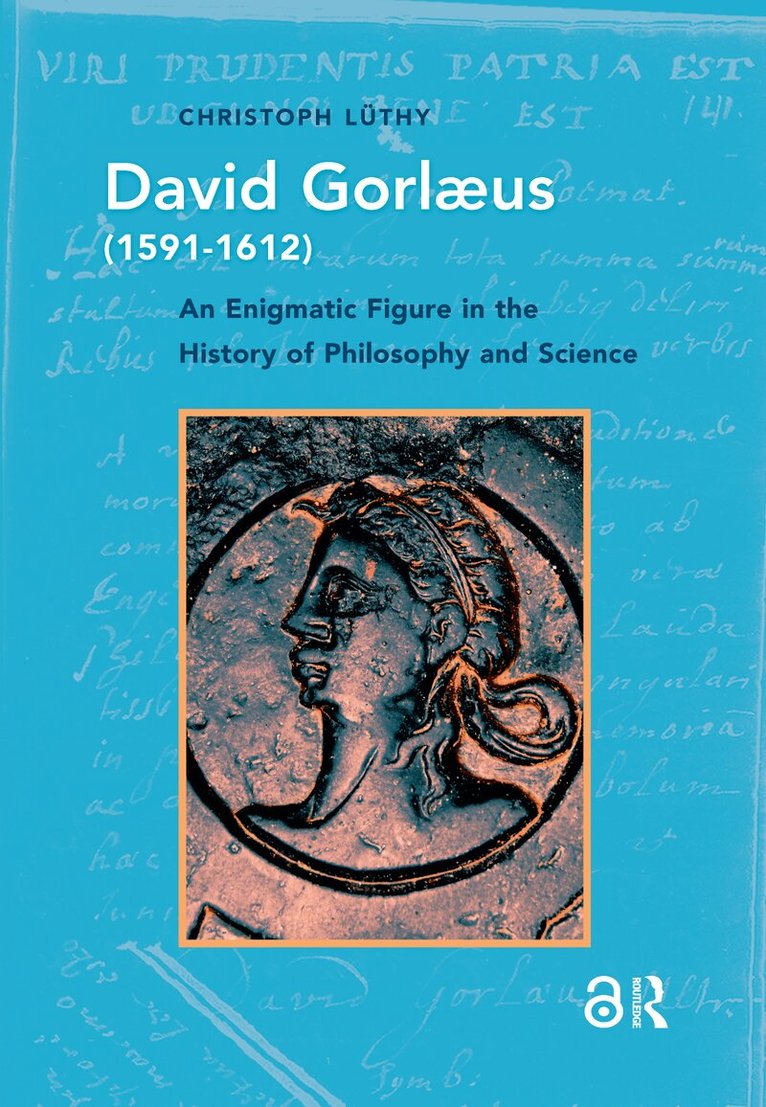
David Gorlaeus (1591-1612)
An Enigmatic Figure in the History of Philosophy and Science
Häftad, Engelska, 2025
651 kr
Skickas inom 10-15 vardagar
When David Gorlaeus (1591-1612) passed away at 21 years of age, he left behind two highly innovative manuscripts. Once they were published, his work had a remarkable impact on the evolution of seventeenth-century thought.,However, as his identity was unknown, divergent interpretations of their meaning quickly sprang up. Seventeenth-century readers understood him as an anti-Aristotelian thinker and as a precursor of Descartes. Twentieth-century historians depicted him as an atomist, natural scientist and even as a chemist. And yet, when Gorlaeus died, he was a beginning student in theology. His thought must in fact be placed at the intersection between philosophy, the nascent natural sciences, and theology.,The aim of this book is to shed light on Gorlaeus’ family circumstances, his education at Franeker and Leiden, and on the virulent Arminian crisis which provided the context within which his work was written. It also attempts to define Gorlaeus’ place in the history of Dutch philosophy and to assess the influence that it exercised in the evolution of philosophy and science, and notably in early Cartesian circles. Christoph Lüthy is professor of the history of philosophy and science at Radboud University Nijmegen, the Netherlands. Toen David Gorlaeus (1591-1612) op 21 jarige leeftijd overleed, liet hij twee baanbrekende manuscripten na. Na de postume publicatie in 1620 en 1651 hadden zijn werken een opmerkelijke invloed.,Doordat Gorlaeus’ identiteit onbekend was, ontstonden al snel zeer uiteenlopende interpretaties van de publicaties. Lezers uit de zeventiende eeuw dachten met een anti-aristotelische denker en een voorloper van Descartes van doen te hebben. Twintigste-eeuwse historici schilderden hem af als een atomist, natuurwetenschapper en zelfs als chemicus. Gorlaeus was echter 'slechts' beginnend theologiestudent en zijn werk bevindt zich op het kruispunt van filosofie, de ontluikende natuurwetenschappen en theologie.Dit boek beoogt inzicht te geven in de familieomstandigheden van Gorlaeus, zijn opleiding aan de universiteit van Franeker en Leiden en de historische context waarin hij zijn werk schreef. Ten slotte probeert de auteur te bepalen welke plaats Gorlaeus’ werken innemen in de geschiedenis van de Nederlandse filosofie en wat hun invloed was op de ontwikkelingen in filosofie en wetenschap.
651 kr
Skickas inom 10-15 vardagar
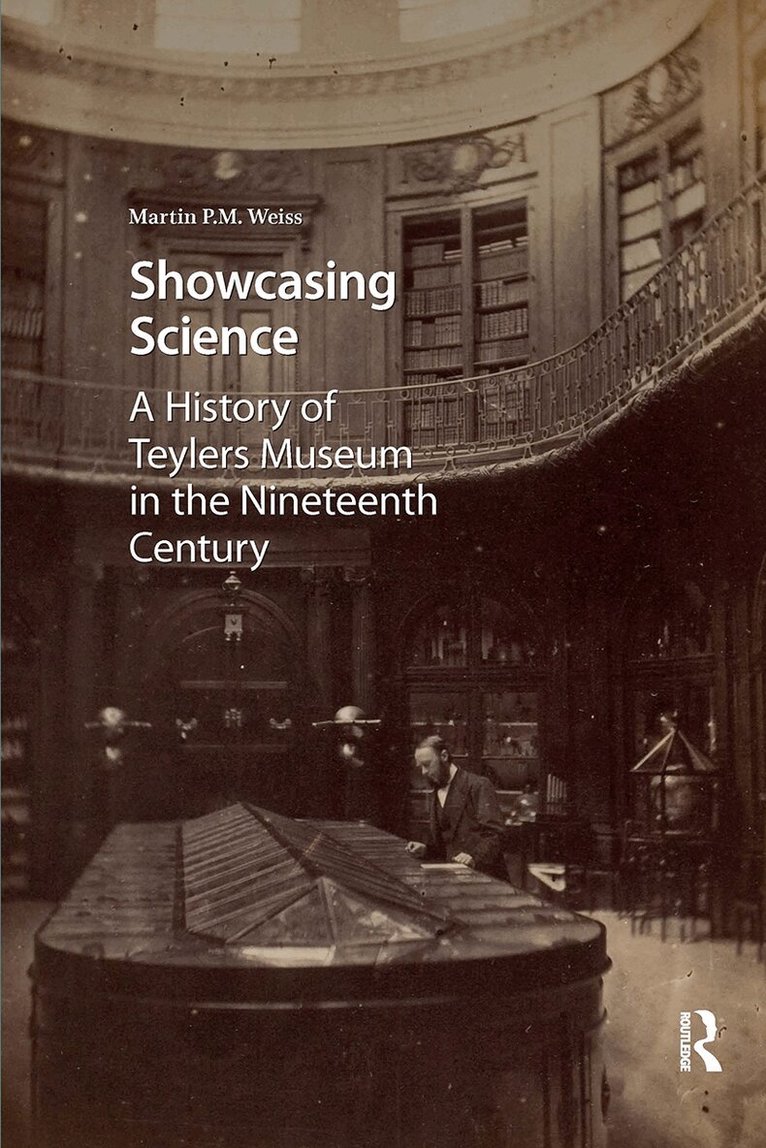
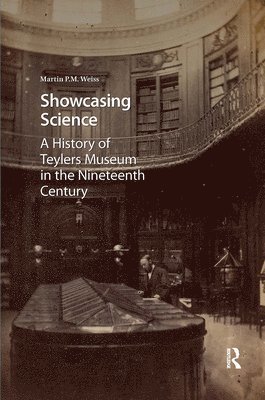
Teylers Museum was founded in 1784 and soon thereafter became one of the most important centres of Dutch science. The Museum's first director, Martinus van Marum, famously had the world's largest electrostatic generator built and set up in Haarlem. This subsequently became the most prominent item in the Museum's world-class, publicly accessible, and constantly growing collections. These comprised scientific instruments, mineralogical and palaeontological specimens, prints, drawings, paintings, and coins. Van Marum's successors continued to uphold the institution's prestige and use the collections for research purposes, while it was increasingly perceived as an art museum by the public. In the early twentieth century, the Nobel Prize laureate Hendrik Antoon Lorentz was appointed head of the scientific instrument collection and conducted experiments on the Museum's premises. Showcasing Science: A History of Teylers Museum in the Nineteenth Century charts the history of Teylers Museum from its inception until Lorentz' tenure. From the vantage point of the Museum's scientific instrument collection, this book gives an analysis of the changing public role of Teylers Museum over the course of the nineteenth century.
651 kr
Skickas inom 10-15 vardagar
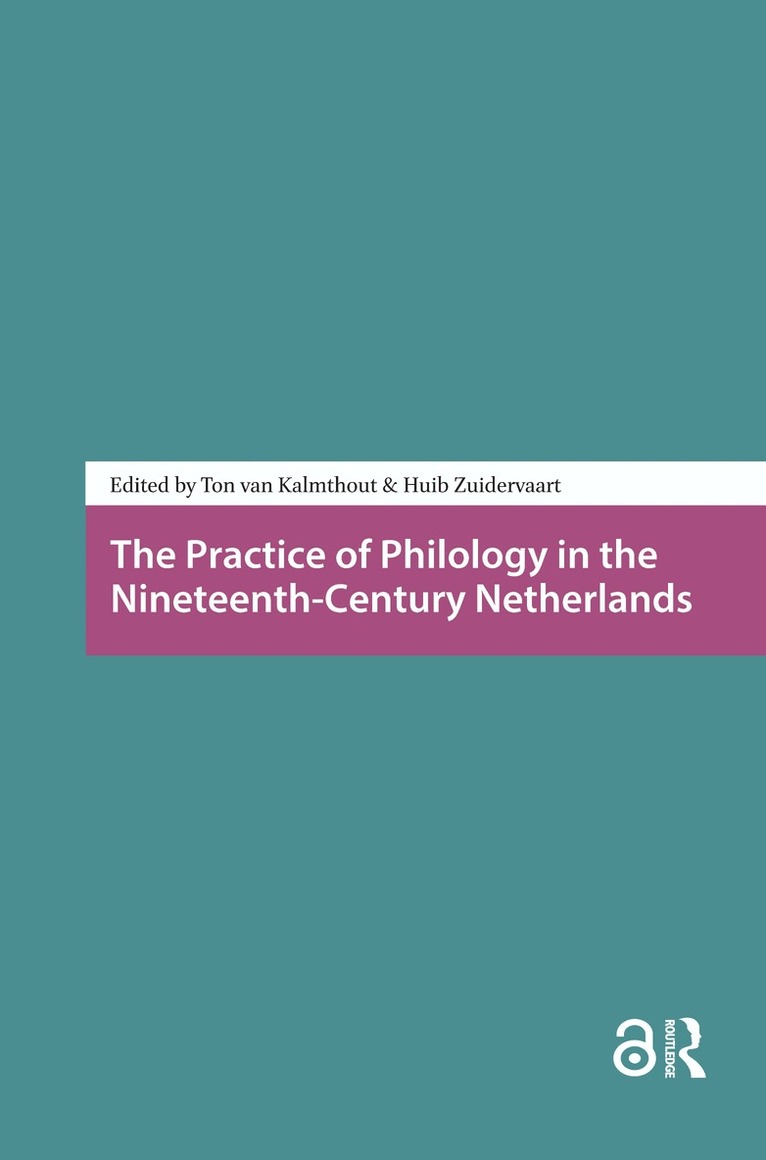
The Netherlands have a long and important tradition in scholarly philology. For instance in the early days of Leiden University 'philology', or the critical examination of classical texts, was regarded as a 'cutting-edge science'. This field of scholarship had far reaching implications on disciplines such as theology, chronology, astronomy, history, law and other demarcated bodies of knowledge identified as a separate science. Regardless of the exact field of inquiry, philologists as protectors and teachers of the written heritage always played a pivotal role in the formation of the cultural repertoire of the educated public. As men of learning and high esteem, philologists also exerted influence outside the cultural sphere, especially in politics and religion. The ever-changing composition of the philological frame of reference made no difference in this respect., But in the nineteenth century, the practice of philology was passing a crucial phase of change. In both its object of study and in its methods, several fundamental modifications occurred. Texts in the vernacular and national philologies attracted more and more attention of the public, and 'neo-philology' succeeded in taking over the central position traditionally occupied by classical philology. Subfields such as 'linguistics', 'edition technique' and 'history' grew into new, more-or-less independent (sub-)disciplines, whereas scientific methods such as stemmatology and comparative approaches were introduced in the humanities. This redesigned the landscape of philology radically. New boundaries became apparent and existing ones were questioned or drawn sharper. At the time, philology underwent an accelerated process of differentiation and professionalization. Philology demarcated its own more or less independent sphere, with a specific authority. The establishment of a branch of 'national philology' can be regarded as an example of discipline formation in the humanities. This fascinating process of change and the search for new boundaries in Dutch philology is highlighted in this book The Practice of Philology in the Netherlands in the Nineteenth Century, the first book on this topic in the English language.
David Gorlaeus (1591-1612)
An Enigmatic Figure in the History of Philosophy and Science
Inbunden, Engelska, 2012
1 773 kr
Skickas inom 10-15 vardagar
When David Gorlaeus (1591-1612) passed away at 21 years of age, he left behind two highly innovative manuscripts. Once they were published, his work had a remarkable impact on the evolution of seventeenth-century thought. However, as his identity was unknown, divergent interpretations of their meaning quickly sprang up. Seventeenth-century readers
1 826 kr
Skickas inom 10-15 vardagar
This volume illuminates how philology and its focus on the critical examination of classical texts began an accelerated process of specialization in Dutch scholarship of the 1800s.
1 909 kr
Skickas inom 10-15 vardagar
This book charts the history of Teylers Museum from its inception until Lorentz' tenure. From the vantage point of the Museum's scientific instrument collection, it gives an analysis of the changing public role of Teylers Museum over the course of the 19th century.