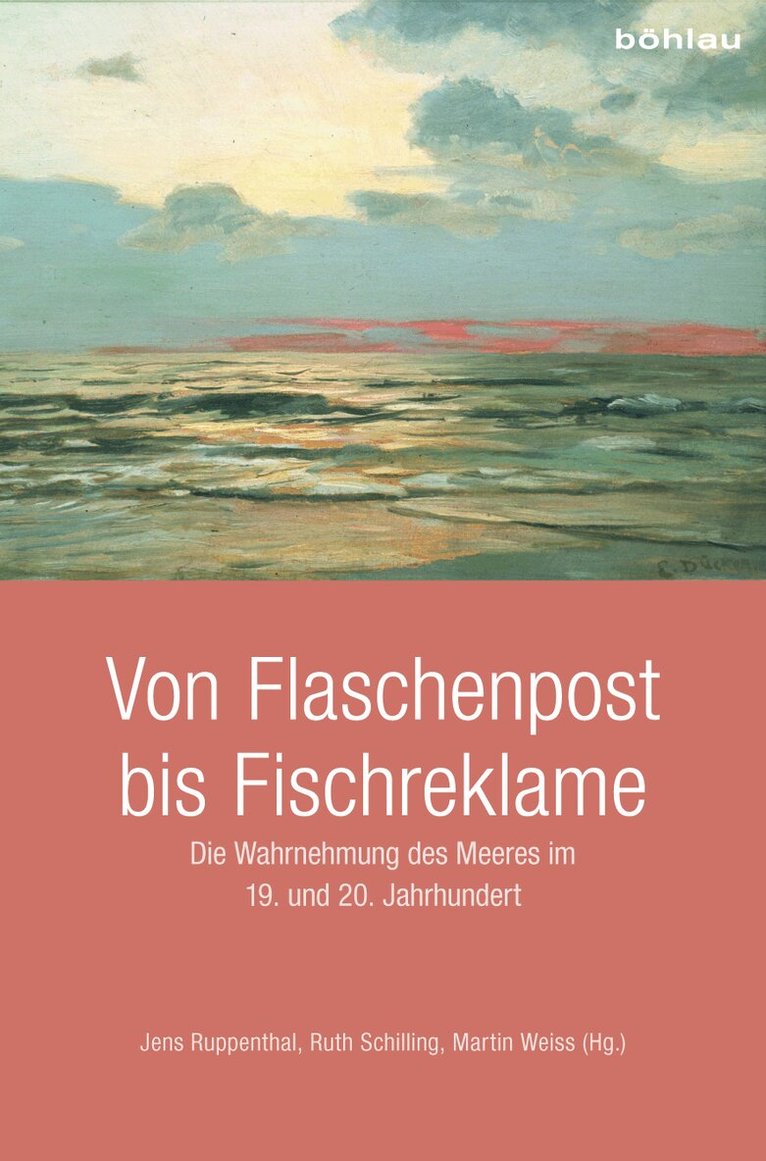
Wie wandelt sich die Wahrnehmung des Meeres? Dieser Band vereint geistes- und kulturwissenschaftliche Aufsätze zu den Praktiken und Medien der Wahrnehmung, Deutung und Rezeption des Meeres im 19. und 20. Jahrhundert. Die Autorinnen und Autoren belegen darin, dass sich in historischen Zeugnissen der Auseinandersetzung mit dem Meer nicht einfach punktuelle, zeitlich und räumlich „eingefrorene“ Beobachtungen manifestieren, sondern immer auch veränderte Bewertungen. In ihren Beiträgen werden die Varianten der Meereswahrnehmung – je nach Standpunkt des Betrachters vom Schiff, von der Küste oder vom Hinterland aus – ebenso berücksichtigt wie die vielfältigen Formen der Überlieferung – von wissenschaftlichen Beschreibungen bis zu künstlerischen Zeugnissen.
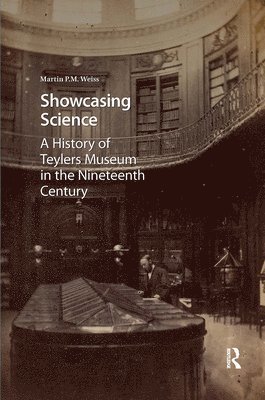
Teylers Museum was founded in 1784 and soon thereafter became one of the most important centres of Dutch science. The Museum's first director, Martinus van Marum, famously had the world's largest electrostatic generator built and set up in Haarlem. This subsequently became the most prominent item in the Museum's world-class, publicly accessible, and constantly growing collections. These comprised scientific instruments, mineralogical and palaeontological specimens, prints, drawings, paintings, and coins. Van Marum's successors continued to uphold the institution's prestige and use the collections for research purposes, while it was increasingly perceived as an art museum by the public. In the early twentieth century, the Nobel Prize laureate Hendrik Antoon Lorentz was appointed head of the scientific instrument collection and conducted experiments on the Museum's premises. Showcasing Science: A History of Teylers Museum in the Nineteenth Century charts the history of Teylers Museum from its inception until Lorentz' tenure. From the vantage point of the Museum's scientific instrument collection, this book gives an analysis of the changing public role of Teylers Museum over the course of the nineteenth century.
Wie wandelt sich die Wahrnehmung des Meeres? Dieser Band vereint geistes- und kulturwissenschaftliche Aufsätze zu den Praktiken und Medien der Wahrnehmung, Deutung und Rezeption des Meeres im 19. und 20. Jahrhundert. Die Autorinnen und Autoren belegen darin, dass sich in historischen Zeugnissen der Auseinandersetzung mit dem Meer nicht einfach punktuelle, zeitlich und räumlich „eingefrorene“ Beobachtungen manifestieren, sondern immer auch veränderte Bewertungen. In ihren Beiträgen werden die Varianten der Meereswahrnehmung – je nach Standpunkt des Betrachters vom Schiff, von der Küste oder vom Hinterland aus – ebenso berücksichtigt wie die vielfältigen Formen der Überlieferung – von wissenschaftlichen Beschreibungen bis zu künstlerischen Zeugnissen.
Teylers Museum was founded in 1784 and soon thereafter became one of the most important centres of Dutch science. The Museum's first director, Martinus van Marum, famously had the world's largest electrostatic generator built and set up in Haarlem. This subsequently became the most prominent item in the Museum's world-class, publicly accessible, and constantly growing collections. These comprised scientific instruments, mineralogical and palaeontological specimens, prints, drawings, paintings, and coins. Van Marum's successors continued to uphold the institution's prestige and use the collections for research purposes, while it was increasingly perceived as an art museum by the public. In the early twentieth century, the Nobel Prize laureate Hendrik Antoon Lorentz was appointed head of the scientific instrument collection and conducted experiments on the Museum's premises. Showcasing Science: A History of Teylers Museum in the Nineteenth Century charts the history of Teylers Museum from its inception until Lorentz' tenure. From the vantage point of the Museum's scientific instrument collection, this book gives an analysis of the changing public role of Teylers Museum over the course of the nineteenth century.