Informed Conservation - Böcker
Visar alla böcker i serien Informed Conservation. Handla med fri frakt och snabb leverans.
17 produkter
17 produkter
269 kr
Skickas inom 7-10 vardagar
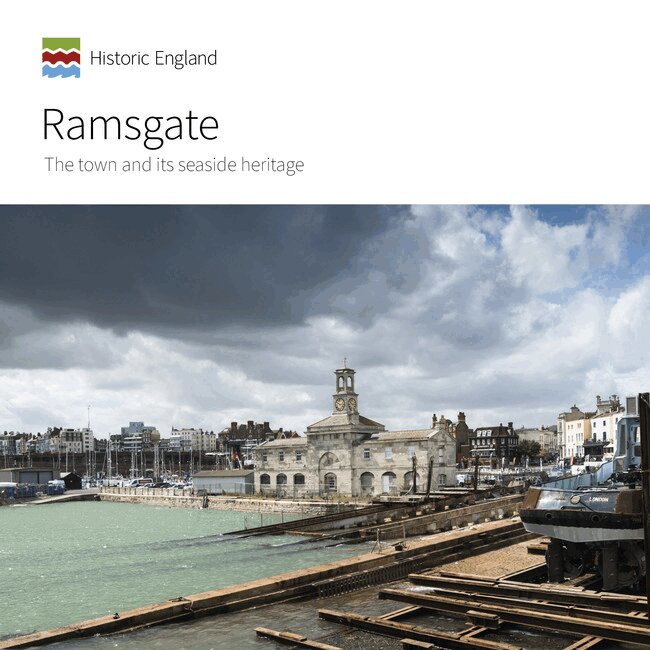
For over 250 years people have headed to Ramsgate for a day at the seaside – and discovered much more in the process. This book charts Ramsgate’s transformation from quiet fishing village to a ‘harbour of refuge’ and seaside resort, driven by the town’s strategic position on the east Kent coast. Once visited by a handful of intrepid sea bathers, improvements in passenger boats and the arrival in 1846 of the railway opened up the resort to thousands of holidaymakers, necessitating new bathing facilities and entertainment venues. Early 19th century Ramsgate was patronised by royalty and boasted up-to-date terraces, crescents and squares. The town attracted minority faith communities, represented by the synagogue completed in 1833 for Sir Moses Montefiore and A. W. N. Pugin’s Roman Catholic church of St Augustine (1845-50).This wide-ranging, accessible study tells the story of Ramsgate’s rich maritime and seaside heritage. It also profiles the challenges and opportunities that the town faces today in seeking to redefine itself as an attractive place to visit, live and work. Ramsgate: the town and its seaside heritage combines documentary research with insights derived from the town’s fascinating architectural heritage, illustrated with new and archival photographs.
277 kr
Skickas inom 7-10 vardagar
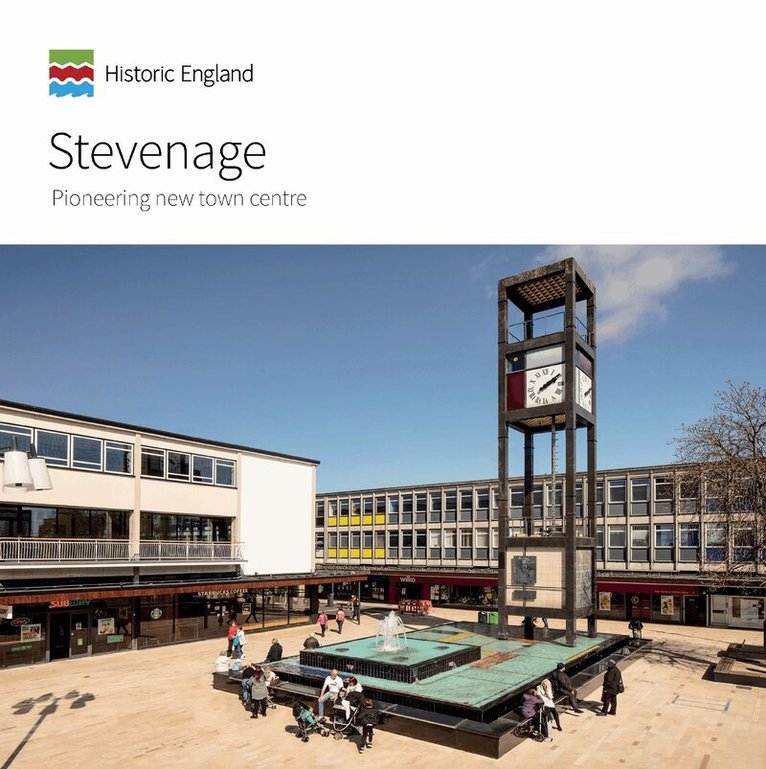
This book charts the history of Stevenage new town centre, looking at its planning, development, design influences, significance and survival. The historic market town of Stevenage was the first location to be designated for major expansion under the New Towns Act 1946, making it Britain's first post-war new town. As part of this a new town centre was planned from 1946. Informed by the ideas of figures including Gordon Stephenson and Clarence Stein, among the leading planners of their day, the detailed design of this area was undertaken in the 1950s by Stevenage Development Corporation, under Chief Architect Leonard Vincent. The shopping precinct, with surrounding car parks and bus station, was built first, begun in earnest in 1956 and officially opened in April 1959. Its design is notable: the fully pedestrian precinct is one of the earliest examples of this kind of development in Britain and on a scale unequalled in Europe at the time of its initiation. The shopping precinct, designated as a conservation area in 1988, is notable for its uniformity, integrity and level of survival. Provision was also made in the town centre for offices, community, entertainment and public buildings, which will be discussed in this book, along with expansion works undertaken in the 1960s and ‘70s.
219 kr
Skickas inom 7-10 vardagar
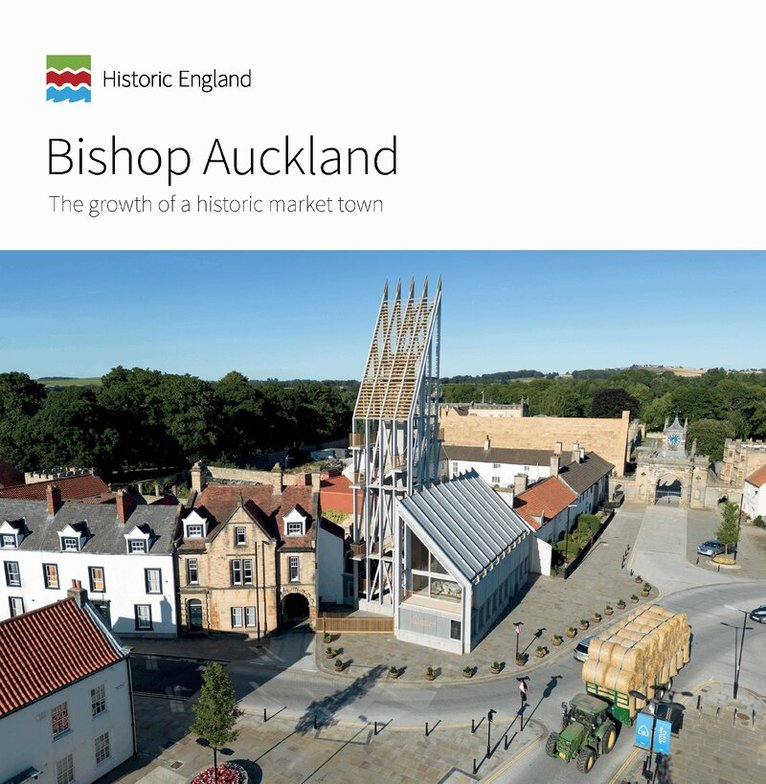
Nestled within the rolling hills and tree-filled landscape of Weardale, Bishop Auckland is an attractive market town with a rich collection of buildings dating from many centuries and an archaeological legacy spanning two millennia. This is a place shaped by the power of the bishops of Durham, who held their main residence at the splendid Auckland Castle, and by the fluctuating prospects of commerce and industry – all very much celebrated in the unique character of its buildings and open spaces. This book brings together recent research into the town’s archaeology, history and architecture. It tells the story of the establishment of the bishops’ palace strategically placed upon a hilltop plateau, and of the market place and settlement which grew alongside it to become a thriving industrial town. Now set to become an exciting visitor destination centred around the historic core, Bishop Auckland is ready to begin its next chapter and you are invited to explore and celebrate what makes this important town so special.
226 kr
Skickas inom 7-10 vardagar
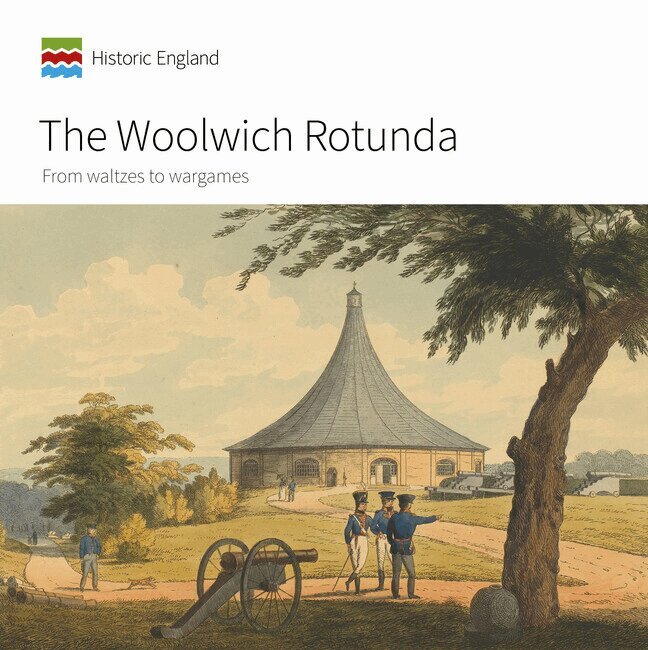
This book tells the story of a remarkable building, the Rotunda, and its unique landscape. The Rotunda has had two separate but equally significant lives – the first as a tented ballroom in Westminster and the second as an artillery museum in Woolwich. The structure was commissioned in 1814 by the Prince Regent, the future King George IV, and designed by renowned architect John Nash. Having hosted a major party celebrating the Allied victory in the Napoleonic Wars and honouring the Duke of Wellington, the Rotunda was dismantled and transferred in 1818 to the military garrison at Woolwich. There it was rebuilt as a permanent structure and opened as an artillery museum in 1820 – one of the earliest of its kind in the world. On its new site, the Rotunda formed an integral part of the Royal Military Repository, founded in Woolwich in 1778 as an educational facility for the Royal Regiment of Artillery and based at the Repository Grounds from the early 1800s. As well as outlining the site’s history, this book highlights its innovation and popularity and places the Rotunda and Repository Grounds in their historical context. The Rotunda only closed as a museum at the turn of the 20th century, after 180 years, and is now a high-profile building at risk.
263 kr
Skickas inom 7-10 vardagar
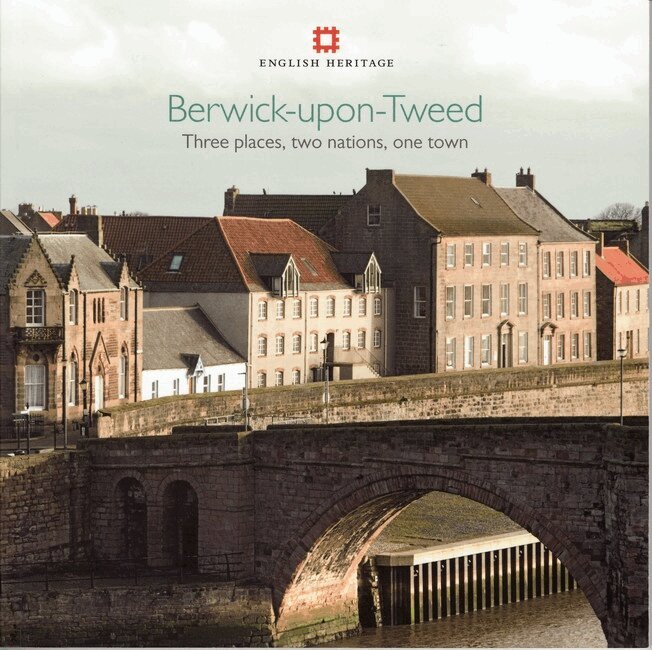
Nikolaus Pevsner described Berwick-upon-Tweed as ‘one of the most exciting towns in England’ [Nikolaus Pevsner, Buildings of England: Northumberland (1957), 88] – a place where an absorbing historical tale can still be read in the dense fabric of its old streets and buildings. It attracts not only day-trippers and holidaymakers but also new residents who have learnt to appreciate the spirit of the place. But outsiders all too easily confine their attention to the space within the impressive Elizabethan ramparts, while local people are sometimes unaware or dismissive of the wider significance of the very things that they know so intimately.Berwick deserves to be known better, and to be celebrated not just as a vivid reminder of what many other towns were once like, but more especially as something unique and distinctive, shaped by a peculiar combination of historical and geographical circumstances. This distinctiveness is acutely apparent as one passes between Berwick and the contrasting, but historically intertwined, settlements of Tweedmouth and Spittal.This book presents something of the wealth of historic interest encapsulated in Berwick, Tweedmouth and Spittal, and explains how these places came to assume such varied and distinctive forms. Above all, it urges that a town anxious for stability and prosperity in the future must know where it has come from as well as where it is going.
255 kr
Skickas inom 7-10 vardagar
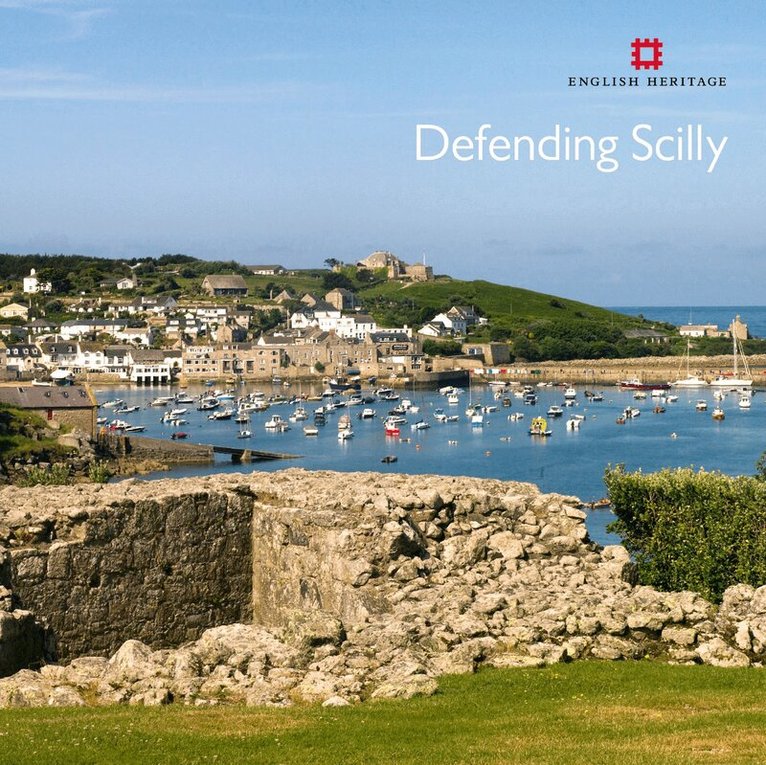
The Isles of Scilly are renowned for their natural beauty, wild flowers and temperate climate, but there is another reason to visit these paradise islands. Since the 16th century they have been in the frontline of this country’s military defences and successive generations of fortifications have survived in Scilly, unmatched in any other location around Britain. This unrivalled survival was due to the lack of pressure to develop the islands and happily because the feared enemy rarely attacked. However, there is another threat to this precious heritage, the power of the sea. William Borlase in the mid-18th century recorded how much of the islands’ history had succumbed to rising sea level, and today increasingly turbulent weather patterns may be accelerating the process of coastal erosion.This book celebrates the unique survival of military fortifications on the islands, but it also serves to illustrate the value and vulnerability of the whole country’s coastal heritage. Like King Canute, we cannot turn back the sea, but we can celebrate these precious survivals from the colourful history of our island nation.
255 kr
Skickas inom 7-10 vardagar
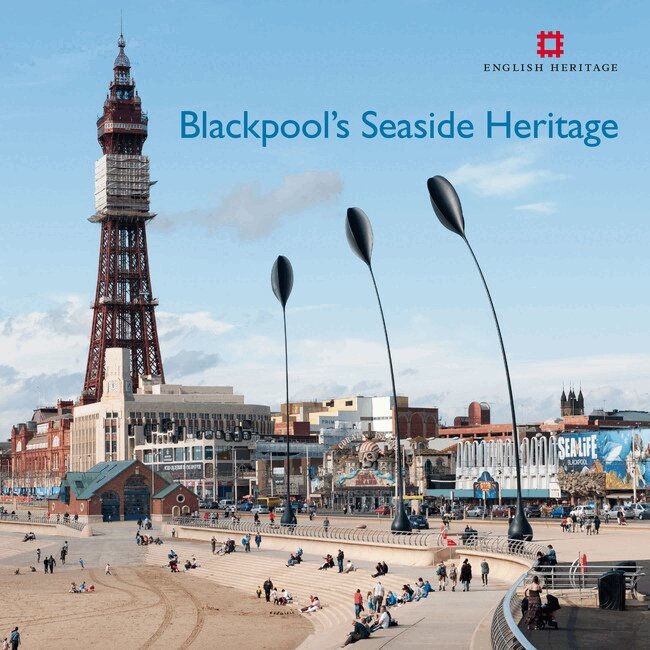
Blackpool is Britain’s favourite seaside resort. Each year millions of visitors come to walk on its three piers, ride donkeys, enjoy shows at the Winter Gardens, scream on the thrilling rides at the Pleasure Beach and ride the lift to the top of the Tower. Generations of holidaymakers have stayed in its hotels, lodging houses and bed and breakfasts and all have succumbed to its delectable fish and chips. Two centuries of tourism has left behind a rich heritage, but Blackpool has also inherited a legacy of social and economic problems, as well as the need for comprehensive new sea defences to protect the heart of the town. In recent years this has led to the transformation of its seafront and to regeneration programmes to try to improve the town, for its visitors and residents. This book celebrates Blackpool’s rich heritage and examines how its colourful past is playing a key part in guaranteeing that it has a bright future.
255 kr
Skickas inom 7-10 vardagar
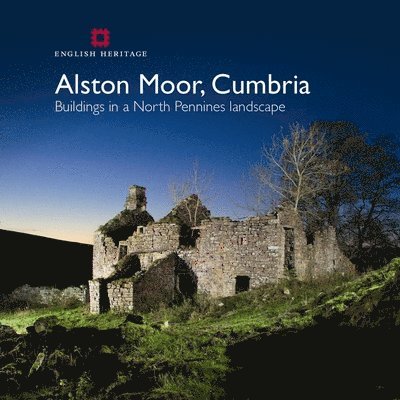
Alston Moor is a large rural parish in Cumbria which historically both depended upon and provided important services for the agricultural and mineral industries of the North Pennines.Much of the area's settlement is dispersed among hamlets and single farmsteads. Isolated from major northern cities such as Carlisle and Newcastle by the surrounding hills and moors, the parish's wild upland landscape provides a conditioning influence on a distinctive tradition of vernacular building types, ranging from the bastle to its later 18th- and 19th-century derivatives and 'mine shops' providing lodgings for miners close to their place of work. Found across the parish, and with urban variants present in Alston itself, these buildings have in common first-floor living accommodation whilst the ground floor is used for cow-byres in more rural areas and for general storage, workshops and shops in urban and industrial contexts. This development of the bastle, a fortified house type found on both sides of the Anglo-Saxon border is nationally significant yet remains under-examined at the level of architectural and historical synthesis. This publication presents an informed account of Alston Moor's vernacular buildings from their earliest survival onwards, and sets them within their regional and national context. It explores how houses of various types combine with a rich legacy of public and industrial buildings to create places of distinctive character. It takes a whole-landscape view of the area, relating its buildings and settlements to the wider patterns of landscape evolution resulting from agricultural and industrial activity and the development of communications.
255 kr
Skickas inom 7-10 vardagar
Although perhaps best known today as the home of Vauxhall Motors, Luton’s industrial roots run much deeper. Long before it became associated with motor cars, Luton was the centre of ladies’ hat production in this country – a success founded upon the earlier regional industry of straw-plaiting. Many surrounding towns and villages fed into the industry and helped to make the region globally renowned. At its peak in the 1930s, the region was producing as many as 70 million hats in a single year; however, it entered a rapid decline following the Second World War from which it never recovered. This has left Luton, Dunstable and a number of other local towns with a challenging inheritance of neglected and decaying fragments of a once vital industry.This book is intended to be an introduction and guide to the area’s historical depth and to its distinctive and varied character, seeking to explain the development of the region as the centre of the hatting industry in the south and exploring the lives of the people working there during the nineteenth and early twentieth centuries. The historic links between the surviving building stock and the hatting industry are assessed and the book highlights the significance of the surviving fabric and the potential of the historic environment within future conservation and regeneration plans.
255 kr
Skickas inom 7-10 vardagar
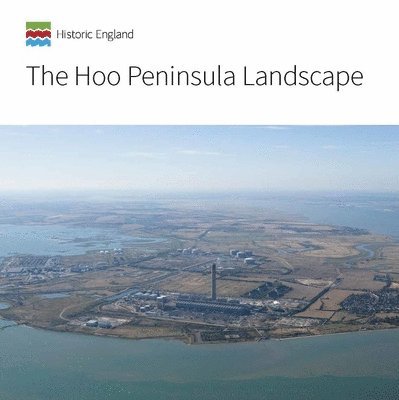
The Hoo Peninsula is located on the north Kent coast 30 miles east of Central London. This book raises awareness of the positive contribution that the historic environment makes to the Hoo Peninsula by describing how changing patterns of land use and maritime activity over time have given this landscape and seascape its distinctive character. It uses new information, which involved historic landscape, seascape and farmstead characterisation, aerial photographic mapping and analysis, area assessment of the buildings, detailed survey of key sites and other desk-based research. It takes a thematic view of the major influences on the history and development of the Hoo Peninsula and demonstrates the role that the Peninsula plays in the national story. The book is an important step towards changing the perception that the Hoo Peninsula is an out-of-the-way area, scarred by past development, where the landscape has no heritage value and major infrastructure can be developed with minimum objection.
255 kr
Skickas inom 7-10 vardagar
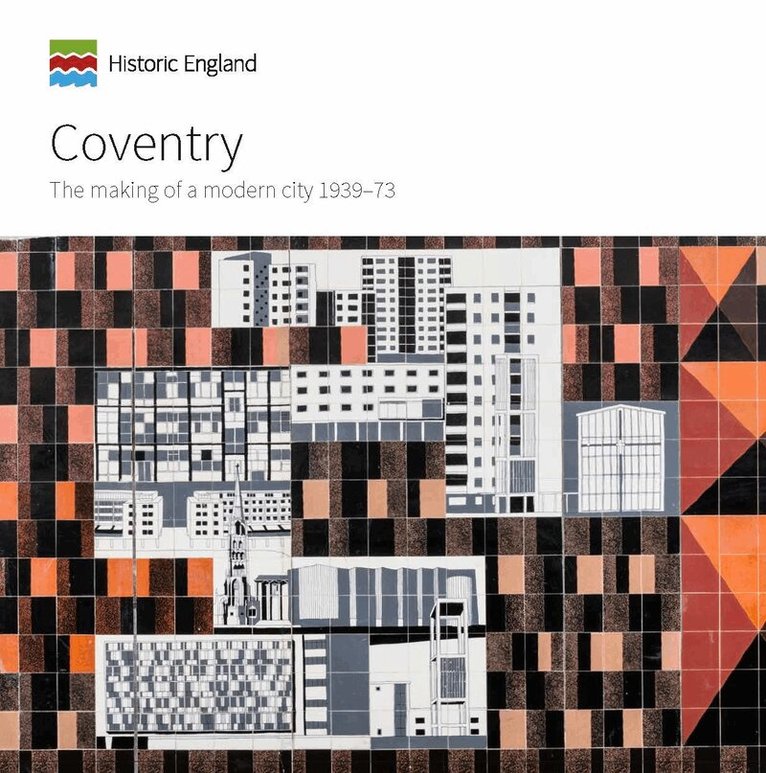
The Coventry Blitz of 14 November 1940 was a key event of the Second World War and in the growth of public consciousness of the destructive power of warfare. The medieval city, already undergoing rapid change, was largely destroyed on that night. The destruction was seen as an opportunity by some including the then City Architect, Donald Gibson. The result was the first of the master plans for post-war redevelopment of Britain’s bombed city centres. The redevelopment of Coventry city centre to plans by Gibson and his successors provided an intensely urban and civilised centre, embodying new planning principles. Post-war Coventry was hugely influential and Gibson’s ideas helped to shape the rebuilding of other city centres, the post-war new towns and developments in Europe. Despite incremental change in the subsequent decades the planning and architecture of Gibson’s city centre are still clearly legible.The modern demands of a growing city on its centre are now very different from those of the post-war years. Coventry needs to grow and plan for its future and change will inevitably affect the city centre. This book aims to inform the public and decision makers of the significance of Coventry, and especially its centre, so that change can be managed in ways that will continue the life, use and enjoyment of the best of Coventry’s remarkable post-war heritage.
255 kr
Skickas inom 7-10 vardagar
Although goods traffic accounted in many cases for a higher proportion of railway companies’ revenue than passengers, the buildings associated with it have received very little attention in comparison to their passenger counterparts. They once played as important a role in distribution as the ‘big sheds’ near motorway junctions do today. The book shows how the basic design of goods sheds evolved early in the history of railways, and how the form of goods sheds reflected the function they performed. Although goods sheds largely functioned in the same way, there was considerable scope for variety of architectural expression in their external design. The book brings out how they varied considerably in size from small timber huts to the massive warehouses seen in major cities. It also looks at how many railway companies developed standard designs for these buildings towards the end of the 19th century and at how traditional materials such as timber, brick and stone gave way to steel and concrete in the 20th This building type is subject to a high level of threat with development pressure in urban and suburban areas for both car parking and housing having already accounted for the demise of many of these buildings. Despite this, some 600 have been identified as still extant and the book will, for the first time, provide a comprehensive gazetteer of the surviving examples.
255 kr
Skickas inom 7-10 vardagar
Two centuries ago Weston-super-Mare was a small, rarely visited village but its location alongside the Severn Estuary soon made it a convenient bathing place for the wealthy inhabitants of Bristol and Bath. Once the railway arrived in 1841, the handful of brave sea bathers became thousands of day trippers in search of fun and sunshine. Weston also became popular with excursionists and holidaymakers arriving by steamer from South Wales. To cater for all these visitors, the small entertainment and bathing facilities enjoyed by the wealthy Georgian elite were replaced by larger, more popular facilities, including two piers, Winter Gardens, a large swimming bath and a substantial open-air pool. Weston is not only a busy seaside resort, but a popular place to live. During the 19th century its population rose from around 100 to almost 20,000 and its handful of small, fisherman’s cottages became a sea of terraces, crescents and villas constructed using the local stone. A distinctive type of villa emerged in Weston, different from those found at either of its larger neighbours. This was in large part due to Hans Fowler Price, the town’s leading architect for more than half a century from 1860 until his death in 1912. The book celebrates the complex history and colourful heritage of the town. It also looks to the future to examine how its 200-year story might contribute to a prosperous future.
255 kr
Skickas inom 7-10 vardagar
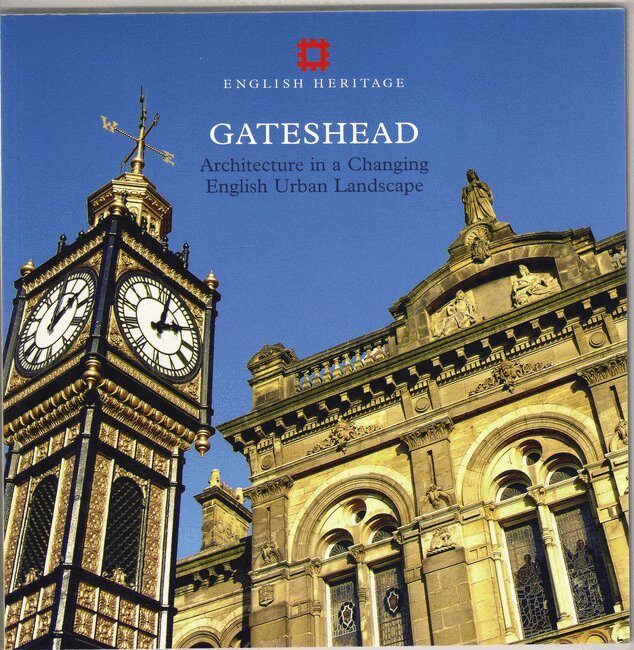
Gateshead has often been overshadowed by Newcastle, its northern neighbour across the River Tyne, yet its history is full of fascinating insights into the way in which a northern industrial town experienced the 19th and 20th centuries. This book explores this period of great change through a study of the town's everyday historic landscape. The story of industry includes the legacy of railway engineering and the construction of the Team Valley Trading Estate, a nationally significant example of a state-sponsored attempt to engineer economic change. Gateshead's growth brought new civic responsibilities and the borough's public buildings - town hall, libraries, schools and hospitals - illustrate how services were provided. Dominating the landscape, however, is the housing built for the town's fast-growing population, and this tells a rich story of changing lifestyles, from the highly distinctive 'Tyneside flats' of the 19th century to post-war high-rise blocks. The book concludes with a discussion of the conservation of the historic environment in a new period of great change.
278 kr
Skickas
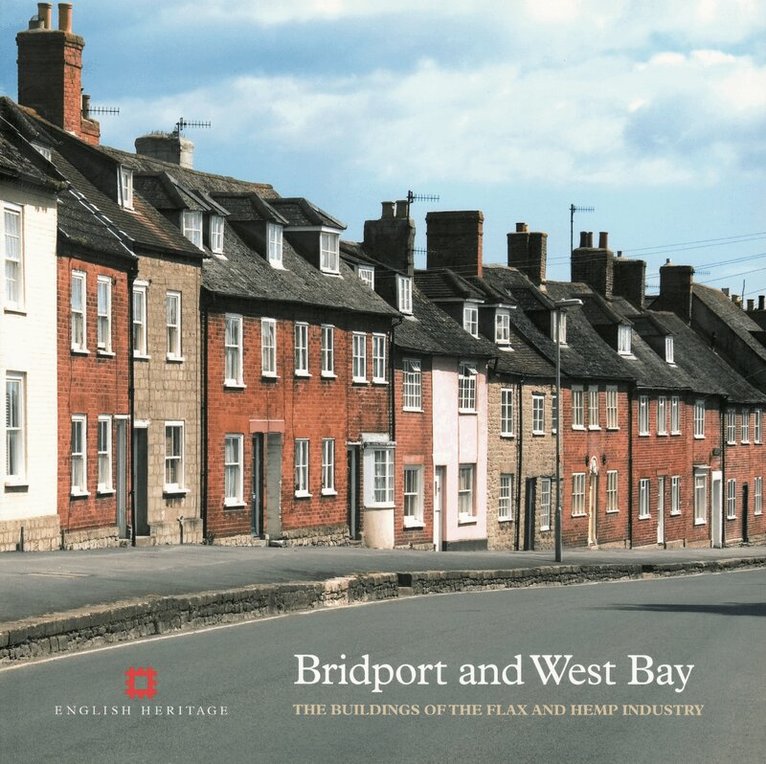
Bridport is an industrial market town on the west Dorset coast which has played a pivotal role in the region's hemp and flax industry for over 700 years. The industrial heritage of this town is not widely known outside the area and very little has been published on the regional and national significance of Bridport. Hemp and flax was traditionally grown locally and used for the production of cordage, netting and sailcloth: this industry expanded from the 18th century onwards with the construction of new mills and warehouses along with the continued use of traditional rope and twine walks, creating a highly distinctive range of building types.
267 kr
Skickas inom 7-10 vardagar
Today many English towns, adjusting to the needs of the 21st century, are turning to the historic environment as a means of reinforcing their identity and distinctiveness, precious attributes in a town's local and regional profile. For Stourport-on-Severn, this special identity is written large in the central part of the town, for there can be few places with such a strong association with a single determining feature - for Stourport, its canal infrastructure - and with a discrete period of development - in this case, the period 1770 to 1850. The regeneration of Stourport depends on many things but the protection and presentation of its historic environment must lie at the centre of efforts to bring new life to the town. Understanding how Stourport assumed its present form is crucial to public enjoyment of the place and to the planning of change and this book aims to contribute to both aspects by celebrating the town's unique qualities and character.
263 kr
Skickas inom 7-10 vardagar
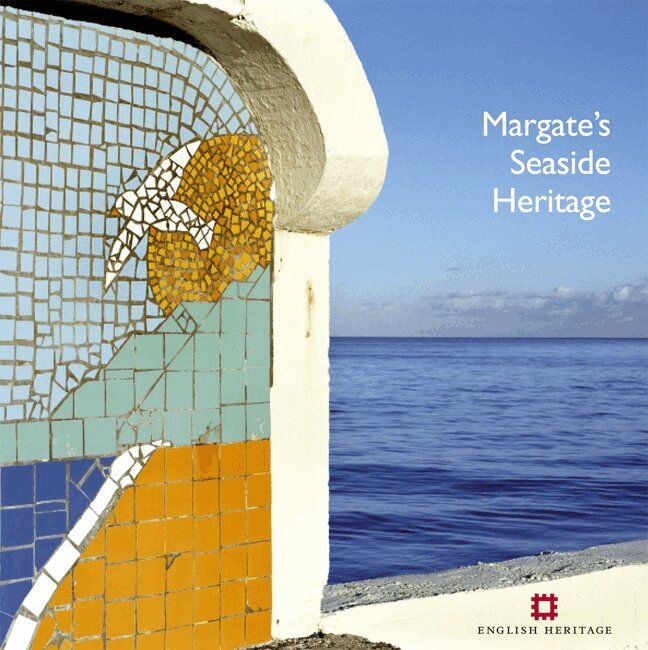
The seaside holiday and the seaside resort are two of England’s greatest exports to the world. Since the early 18th century, when some of the wealthiest people first sought improved health by bathing in saltwater, the lure of the sea has been a fundamental part of the British way of life, and millions of people still head to the coast each year. Margate has an important place in the story of seaside holidays. It vies with Scarborough, Whitby and Brighton for the title of England’s first seaside resort, and it was the first to offer sea-water baths to visitors. Margate can also claim other firsts, including the first Georgian square built at a seaside resort (Cecil Square), the first substantial seaside development outside the footprint of an historic coastal town, the site of the world’s first sea-bathing hospital, and, as a result of its location along the Thames from London, the first popular resort frequented by middle- and lower-middle-class holidaymakers. It is unlikely that Margate will ever attract the vast numbers of visitors that flocked there in the 19th and early 20th centuries. However, with growing concerns about the environmental effects of air travel and a continuing awareness of the threat of excessive exposure to the sun, the English seaside holiday may enjoy some form of revival. If Margate finds ways to renew itself while retaining its historic identity, it may once again become a vibrant destination for holidays, as well as being an attractive place for people to live and work.