• Fri frakt över 249 kr
  • •
  • Snabba leveranser
  • •
  • Billiga böcker
Kundservice

Du är på sajten för privatpersoner.

Företag, bibliotek eller offentlig verksamhet?

Du handlar på classic.bokus.com, där alla dina funktioner finns intakta.
Till classic.bokus.com
Bokus logotyp. Gå till startsidan.
  • Erbjudanden
  • Nyheter
  • Student
  • Topplistor
  • Barn & ungdom
  • Bokus Play
  • E-böcker
  • Pocketböcker
  • Spel & pussel

10% rabatt på allt med kod: NYSTART10 →

Sidfot

Mina sidor

    Hjälp

    • Kundservice
    • Vanliga frågor och svar
    • Frakt och leverans
    • Retur vid ångerrätt
    • Reklamera vara
    • Betalning
    • Köpvillkor
    • Allmänna villkor
    • Information om webbplatsens tillgänglighet

    Om Bokus

    • Om oss
    • Pressrum
    • För studenter
    • För företag
    • För bibliotek och offentlig verksamhet
    • För leverantörer
    • Hållbarhet

    Populärt

    • Aktuella erbjudanden
    • Presentkort
    • Studentlitteratur
    • Nya böcker
    • Topplistor
    • Signerade böcker
    • Engelska böcker

    Inspiration

    • Boktips
    • BookTok
    • Populära bokserier
    • Barnbokskaraktärer
    • Populära författare
    Logotyp för Bokus
    Följ oss på Facebook (extern länk)Följ oss på Instagram (extern länk)Följ oss på YouTube (extern länk)Följ oss på TikTok (extern länk)
    bokus @ CookiesAnpassa cookiesIntegritetspolicyKöpvillkor
    Till Citymail hemsida (extern länk)Till Budbee hemsida (extern länk)Till Postnord hemsida (extern länk)Till Schenker hemsida (extern länk)Till Early Bird hemsida (extern länk)Till Walleys hemsida (extern länk)
    1. Kultur
    2. Arkitektur

    Railway Goods Shed and Warehouse in England

    AvJohn Minnis

    Häftad, Engelska, 2016

    Del i serien Informed Conservation

    265 kr

    Beställningsvara. Skickas inom 5-8 vardagar. Fri frakt över 249 kr.

    Beskrivning

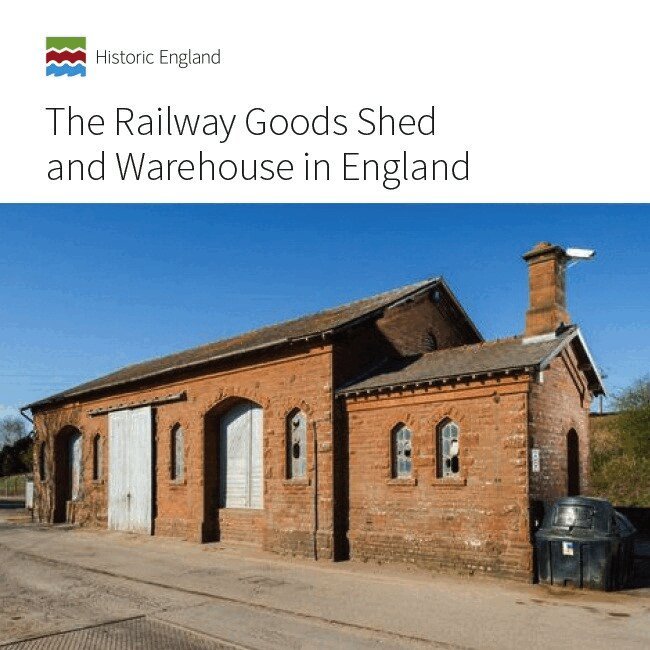
    Although goods traffic accounted in many cases for a higher proportion of railway companies’ revenue than passengers, the buildings associated with it have received very little attention in comparison to their passenger counterparts. They once played as important a role in distribution as the ‘big sheds’ near motorway junctions do today. The book shows how the basic design of goods sheds evolved early in the history of railways, and how the form of goods sheds reflected the function they performed. Although goods sheds largely functioned in the same way, there was considerable scope for variety of architectural expression in their external design. The book brings out how they varied considerably in size from small timber huts to the massive warehouses seen in major cities. It also looks at how many railway companies developed standard designs for these buildings towards the end of the 19th century and at how traditional materials such as timber, brick and stone gave way to steel and concrete in the 20thThis building type is subject to a high level of threat with development pressure in urban and suburban areas for both car parking and housing having already accounted for the demise of many of these buildings. Despite this, some 600 have been identified as still extant and the book will, for the first time, provide a comprehensive gazetteer of the surviving examples.

    Produktinformation

    • Utgivningsdatum:2016-09-15
    • Mått:210 x 210 x 11 mm
    • Vikt:454 g
    • Format:Häftad
    • Språk:Engelska
    • Serie:Informed Conservation
    • Antal sidor:140
    • Förlag:Historic England
    • ISBN:9781848023284

    Utforska kategorier

    • Arkitektur inom Kultur
    • Arkeologiska perioder och områden inom Historia och arkeologi
    • Böcker om tåg inom Sport, fritid och hobby

    Mer om författaren

    Author, Downham Market. Simon Hickman is a Principal Inspector of Historic Buildings and Areas with Historic England.

    Recensioner i media

    'A building type that technology has rendered obsolete, they are today used for many different purposes, while a great many have been lost altogether. In part this is due to a failure to appreciate their significance. John Minnis draws attention not only to the range, but also the quality of these seemingly workaday buildings.' Context, the Journal of the Institute of Historic Building Conservation

    Innehållsförteckning

    • 1. How a goods shed functioned 2. The origins and evolution of the goods shed 3. Plan forms 4. Company designs 5. Large goods sheds and warehouses 6. The 20th-century goods shed and warehouse 7. Conservation – by Simon Hickman