Introducing Earth and Environmental Sciences - Böcker
Visar alla böcker i serien Introducing Earth and Environmental Sciences. Handla med fri frakt och snabb leverans.
15 produkter
15 produkter
347 kr
Skickas inom 7-10 vardagar
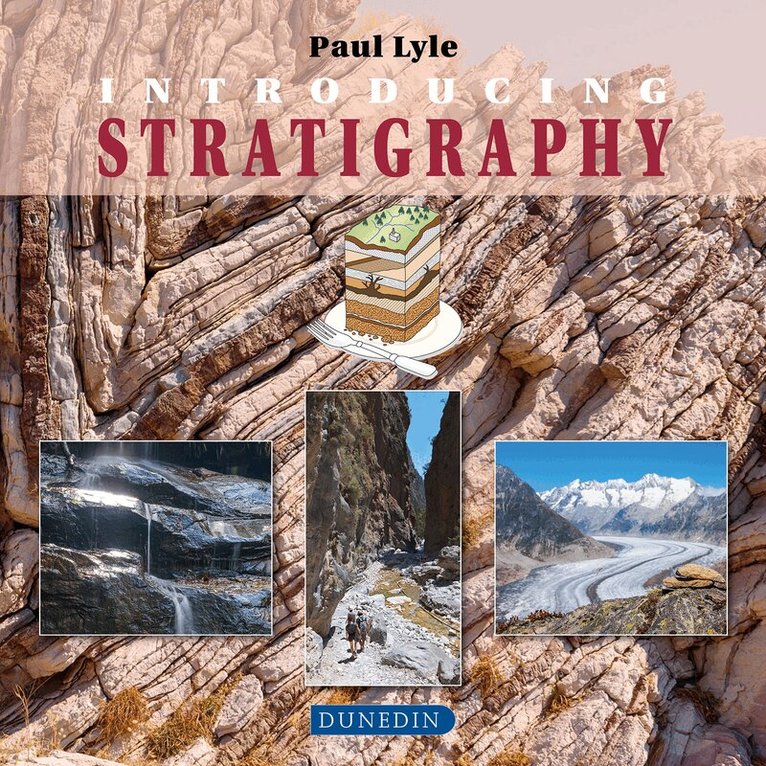
Stratigraphy is the branch of geology which studies rock layers (strata) and layering (stratification).Stratigraphy deals primarily with sedimentary rocks but also embraces layered igneous rocks where layers result from successive lava flows.A common goal of stratigraphic studies is the interpretation of sequences of rock strata, thus understanding the time relationships involved, and correlating units of the sequence with rock strata elsewhere. Nicholas Steno described four principles of stratigraphy in the seventeenth century, including the law of superposition which states that states that, in undeformed stratigraphic sequences, the oldest strata will be at the bottom of the sequence. These ideas still underpin modern stratigraphy which is governed by The International Commission on Stratigraphy. Its primary objective is to precisely define global units (systems, series, and stages) of the International Chronostratigraphic Chart that, in turn, are the basis for the units (periods, epochs, and age) of the International Geologic Time Scale.Stratigraphy has application in many scientific fields, including archaeology, palaeontology and in the search for natural resources. This succinct and accessible introduction to stratigraphy will prove helpful to students and amateur geologists alike.
347 kr
Skickas inom 7-10 vardagar
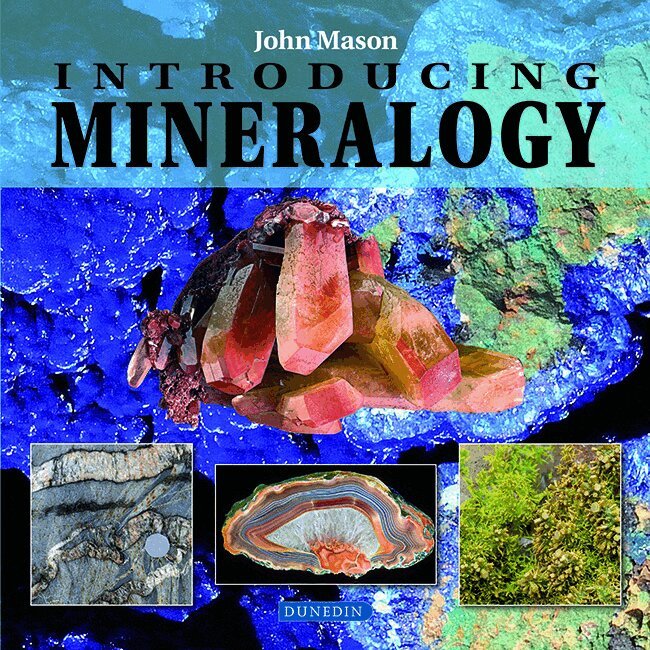
People have been fascinated by minerals since prehistory. The attractions of minerals lie in their colours, their beautiful crystals and the discoveries of their uses and the metals that can be obtained from them. Minerals receive attention from a wide variety of people: mining executives, collectors, prospectors and scientists unravelling their molecular structure and origins. But, for someone new to mineralogy, the subject can appear to be overwhelmingly complex.In Introducing Mineralogy John Mason considers the essence of mineralogy in a clear and logical manner. The book begins with the basic chemistry of minerals and the way in which the mineral kingdom is classified. It then considers mineral occurrences, both typical, such as the minerals that largely make up common rocks like granite, and atypical, such as concentrations of rare metals in ore-deposits. The ways in which minerals are studied using microscopes and the importance of careful observation and interpretation are discussed and the topics of mineral collecting and related issues are addressed. The final chapters explore the uses of minerals, both industrial and scientific, and take a look at environmental issues associated with mineral extraction and usageLavishly illustrated in colour and complete with a glossary, the book is aimed at students embarking on courses in the Earth Sciences and at the amateur collector who wants to find out more about the colourful rocks they may find when out walking.
347 kr
Skickas inom 7-10 vardagar
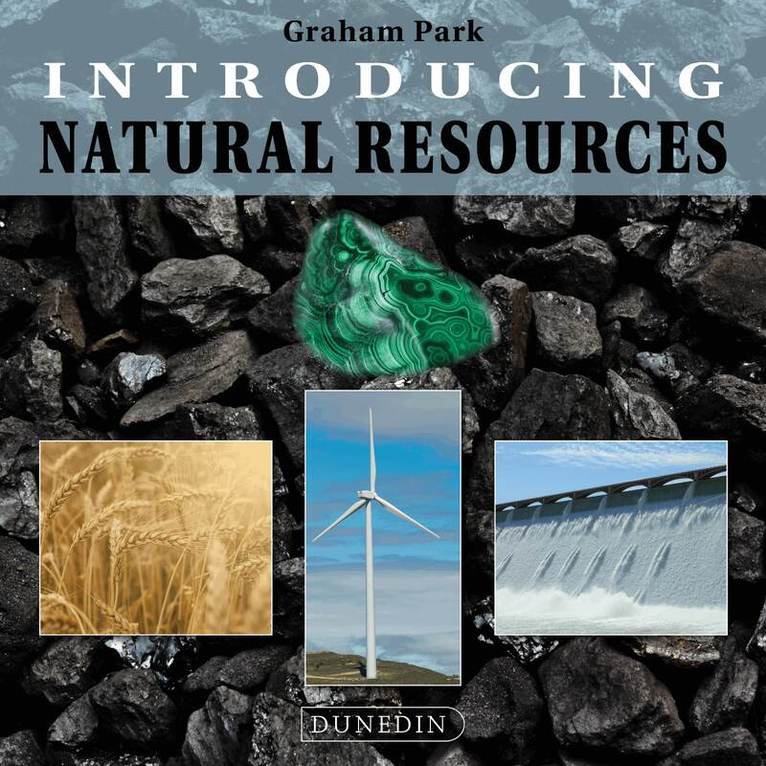
Over the many millennia that the human race has inhabited our planet, a use has been found for almost everything that is to be found on it. However, since the Industrial Revolution, many of the resources that we have come to rely on are being depleted, some at an alarming rate. Misuse of others, such as fossil fuels, is causing such damage to the environment that measures are being taken at an international level to restrict their useIntroducing Natural Resources explains how the natural resources of the Earth originated, by outlining the astronomical and geological evolution of the planet in the early period of its existence. The genesis, mode of occurrence, and abundance of the various non-renewable mineral resources are described, together with the methods of extraction, extent of reserves, and any environmental problems. The use of renewable resources, such as solar energy, air, and water, are then discussed, together with plant and animal life, which are renewable resources only if properly managed. The book concludes with a summary of future issues in resource management.Copiously illustrated, this book is intended for those whose interest in natural resources has been stimulated, perhaps by media coverage of declining resources or environmental pollution, and who want to better understand the issues involved. Technical terms are kept to a minimum and are explained in a glossary.
347 kr
Skickas inom 7-10 vardagar
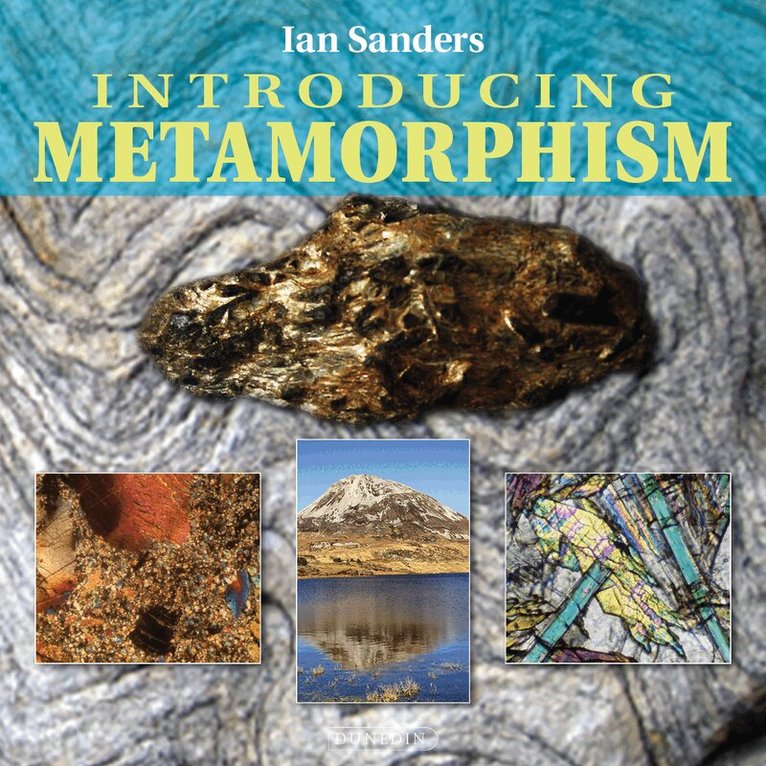
Metamorphic rocks are one of the three main types of rock. Originally comprising either igneous or sedimentary rocks, metamorphic rocks are the products of change by heat and pressure, often at great depths in the earth’s crust, into a completely new form. One of the classic examples of the result of a metamorphic process is the transformation of sedimentary mudstone into slate.Introducing Metamorphism provides a succinct introduction to metamorphism. Ian Sanders explains how and why rocks change during metamorphic processes. He discusses the role of water in metamorphism and describes the different types of metamorphic processes including contact, shock and high pressure metamorphism and metamorphism in an orogenic belt.Copiously illustrated and written for those who wish to gain a clear understanding of metamorphic processes, Introducing Metamorphism is designed to make the processes that led to the formation of these rocks intelligible to its readers. Technical terms are kept to a minimum and are explained in a glossary.
334 kr
Skickas inom 7-10 vardagar
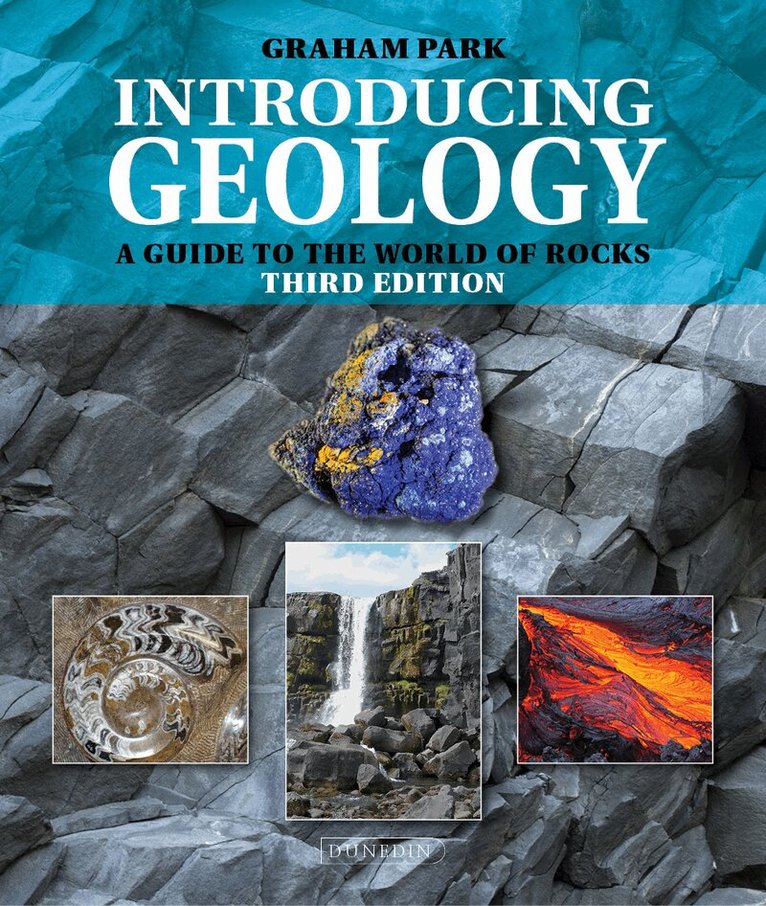
Our world is made of rock. Although much of the Earth’s surface is covered by vegetation, concrete or water, if one digs down far enough solid rock will always be found. Those who live in a landscape where rock outcrops are obvious will have wondered about the kind of rocks they are looking at and how they came to be where they are now.Graham Park’s introductory book has swiftly established itself as a key resource for those looking for a straightforward explanation of what geology tells us about the world. Many objects of great beauty and which excite our curiosity, such as crystals or fossils, are to be found by examining rocks. In particular fossils, whilst interesting in themselves, tell us from their context in geological time of biological evolution and these clues give an insight into the origins of life on earth.Copiously illustrated this book is intended for those whose interest in geology has been awakened, perhaps by media coverage of earthquakes or of dinosaurs, and want to know more. It has proved an ideal primer for those considering the study of earth sciences more formally. Technical terms are kept to a minimum and are explained in a glossary.
347 kr
Skickas inom 7-10 vardagar
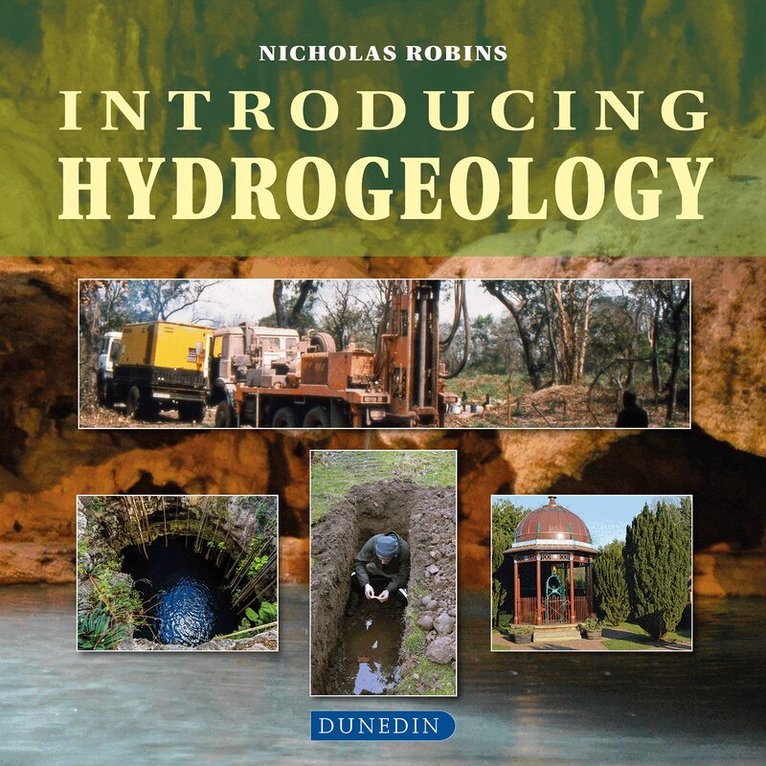
Hydrogeology is an important and vibrant sub-set of geology. It deals with the distribution and movement of water, groundwater, in the soil and rocks of the Earth. Groundwater transport is one part of the overall hydrological cycle; water is transferred by evaporation from the oceans into the atmosphere. Some falls to land as precipitation, some percolates underground, much of it to become groundwater. Groundwater travels from areas of high elevation to discharge points such as springs or to lower surface waters. On its way, it acquires its own distinct chemical signature, while its period underground can vary between only a few weeks to tens of thousands of years.Hydrogeology interacts with a variety of diverse disciplines beyond geology, not least hydrology, climatology and socio-economics. Nick Robins describes the basic concepts of groundwater flow analysis in simple language and avoids burdening the reader with overmuch analytical detail. All facets of hydrogeology, physical and chemical, are described, so the book places hydrogeology in its important role, underpinning our increasing demands on the environment. A variety of topical issues are considered, including climate change impact, water scarcity, nuclear waste repositories and oil shale fracking.As with other titles in the series, Introducing Hydrogeology will appeal to the non-scientist interested in learning more about this important topic; to those staring on or contemplating a career in hydrogeology; and to those studying related topics, such as civil engineering, who require a sound overview of this branch of earth science.
347 kr
Skickas inom 7-10 vardagar
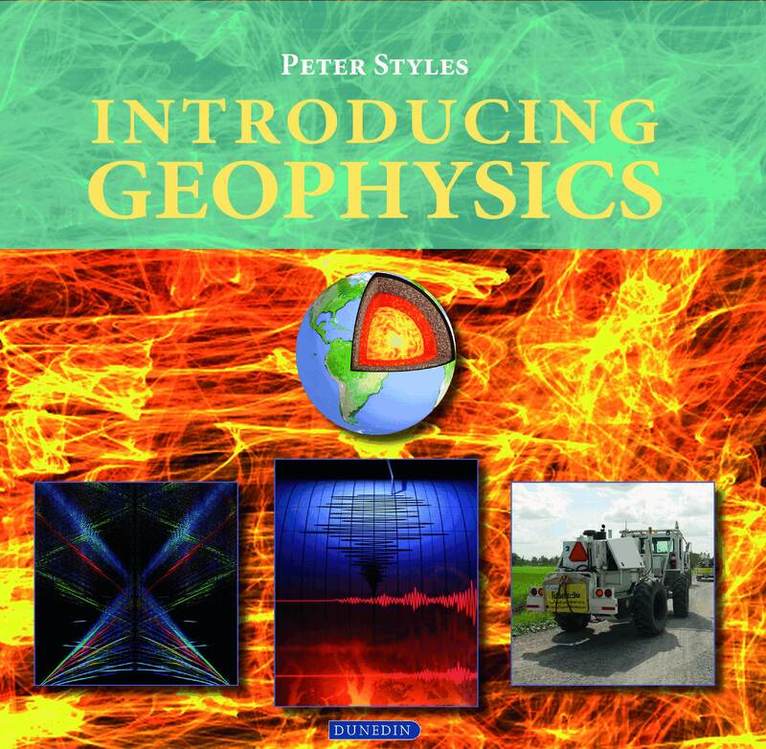
Geophysics is a term that might discourage any but the most inquisitive Earth Scientist but, simply put, it is the study of the Physics of the Earth. As the Earth is very large and relatively slow-moving it is described by the classical Physics disciplines such as heat, gravity, magnetism, electricity, vibrations and waves. Everything we know about the deep Earth, apart from the superficial pinpricks provided by boreholes, we have learned from geophysics. In this approachable and well-illustrated introduction to the many multi-disciplinary facets of geophysics, Peter Styles has kept mathematics to a bare minimum.The composition of the Earth, its geothermal heat flow and the forces which drive Plate Tectonics and which make the Earth a dynamic system are discussed, as is the application of seismology which allows us to ‘see’ the complex structures which are hidden deep below the surface of our planet. The Earth’s magnetic field and its variations over time are described and we learn how these changes are recorded in sedimentary rocks and the ocean crust, allowing us to chart tectonic plate motions. Earth’s electrical properties and its gravity and the role these play in understanding the deep Earth and its evolution are explained clearly.A key aspect of the book, as befits a scientist whose working life has been devoted to Applied Geophysics, is a clear detailing of the application of Geophysics to practical matters. While geophysics plays a crucial role in surveying for hydrocarbon and mineral resources; it is also a fundamental environmental tool to look for hidden dangers beneath the surface, such as caves and old mine workings; for managing pollution and environmental hazards; and, most recently, for looking for and monitoring safe and secure places to store our manifold wastes, such as Carbon Dioxide and spent nuclear material. Readers will soon appreciate that the popular perceptions of practical geophysics as used in archaeology or forensics is merely a glimmer of the many crucial applications of this science to all our lives.
318 kr
Skickas inom 7-10 vardagar
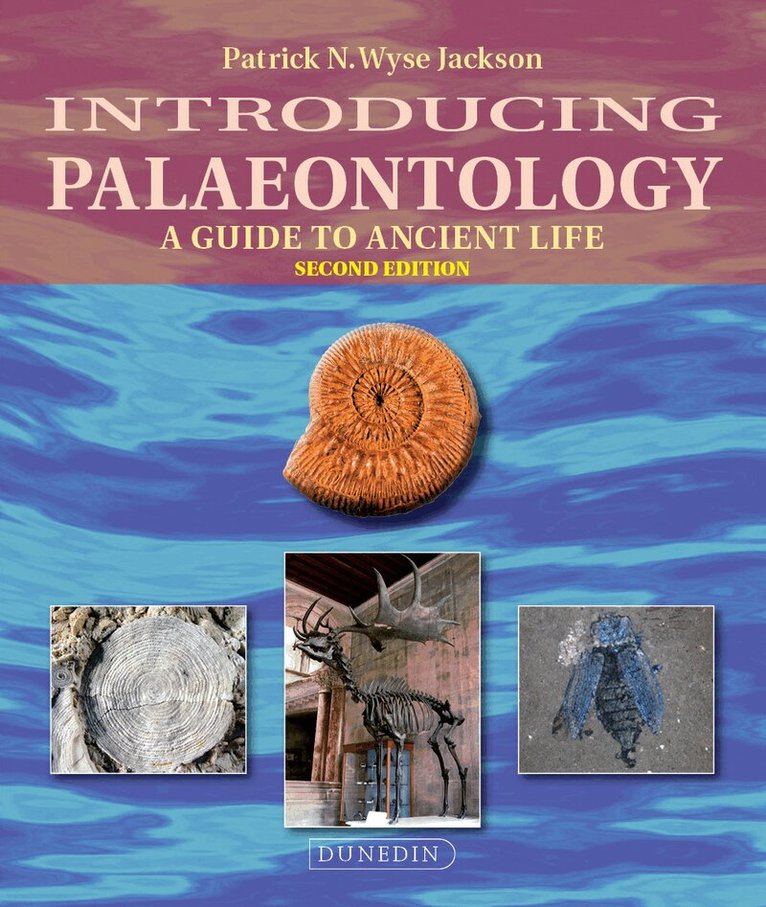
Life on Earth can be traced back over three billion years into the past. Many examples of the Earth's former inhabitants are to be found in rocks, preserved as beautiful and fascinating fossils. The earliest life forms were bacteria and algae; these produced the oxygen that enabled more complex life forms to develop. About 600 million years ago multi-cellular organisms appeared on Earth, some of which could protect themselves with hard parts such as shells. Many of these life forms were readily fossilized and are used to subdivide geological time. Numerous species have evolved and most are now extinct. Lineages can be traced and extinctions explained as a consequence of terrestrial and extra-terrestrial events.Now in a revised, updated and expanded Second Edition Introducing Palaeontology will continue to provide readers with a concise and accessible introduction to the science of palaeontology.
347 kr
Skickas inom 7-10 vardagar
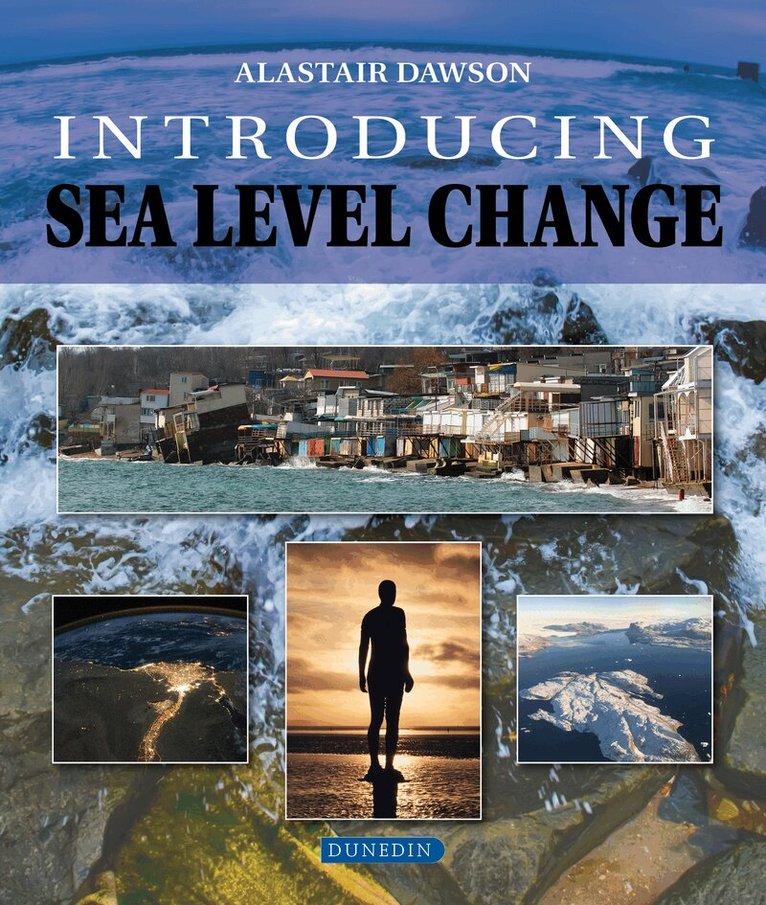
One of the most important issues in current debates on climate change is sea level rise. Hardly a day goes by when there is not a newspaper article, TV or radio presentation on the topic. Nearly half of the world's population live on or near the coast, so there is real concern about the impact that future sea level rise may have. Yet media predictions of future changes tend to be depicted in a sensationalist manner and quite often the explanations of the science of sea level change bear little relation to reality. This book details the history of scientific discoveries that have explained the patterns of sea level change that have taken place across the Earth in the past. Alastair Dawson introduces the many complex processes, some of which are not well-known, that influence patterns and rates of relative sea level change. Using this knowledge, the reader is much better placed to form a clearer perspective on what the future is likely to have in store for sea levels on Earth.Alastair Dawson first addresses some of the most important misconceptions about the topic of sea level change. He then explains the principal causes of sea level change focusing on the key issues of vertical land movements and changes in global ocean volume. He explores the key areas of science that we need to understand in order to evaluate competing assertions of how sea level is likely to change in the future. He also shows how, remarkably, the melting history of the last great ice sheets on Earth is still playing an important part in contributing to present patterns of sea level change. The book concludes with a consideration of the rates and patterns of sea level change that have occurred over the last century and demonstrates how satellite technology is presently contributing new ways of understanding of present patterns of change.
318 kr
Skickas inom 7-10 vardagar
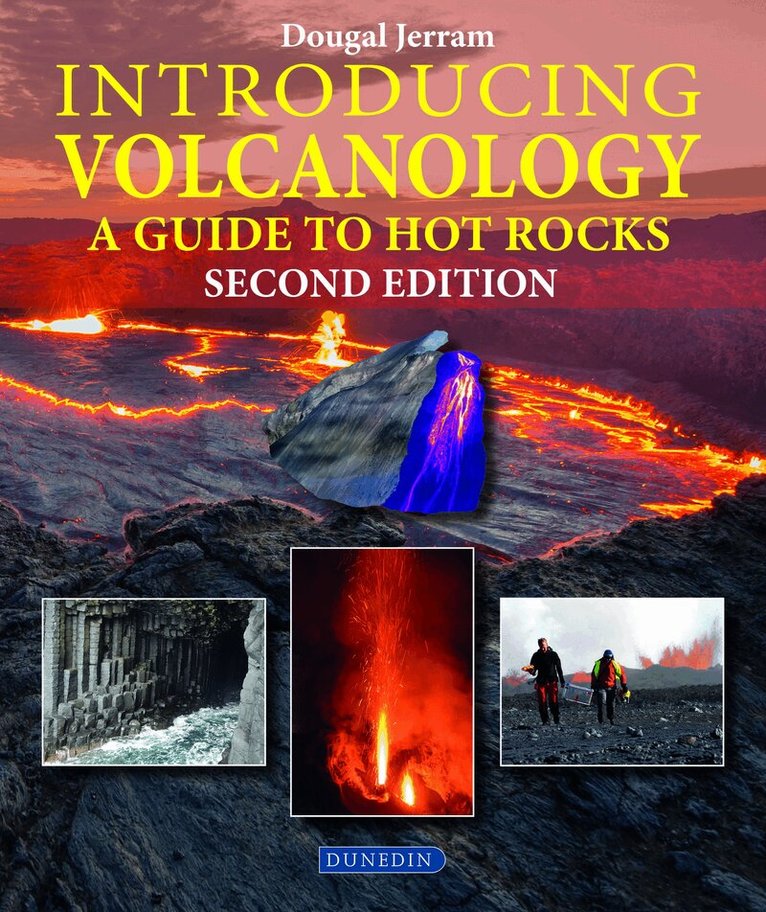
Volcanoes have an endless fascination. Their eruptions are a regular reminder of the power of nature and our vulnerability to this raw geological phenomenon, however volcanic activity, and its plumbing from beneath, is an essential element of the forces that shaped and constantly reshape our planet. Dougal Jerram answers the questions: What are volcanoes? What other volcanic activity is there? How do volcanoes relate to plate tectonics and the movement of continents? What are eruptions and why do they occur? How have volcanoes affected the earth's climate? Can we predict eruptions? He also describes the most notable eruptions in history and their effect. Copiously illustrated throughout Introducing Volcanology is a concise and accessible introduction to the science of hot rocks for those with an adult curiosity and for those contemplating a course of formal study. As with sister volumes, technical terms are kept to a minimum and a glossary is provided covering the whole subject from ash to zeolites.
318 kr
Skickas inom 7-10 vardagar
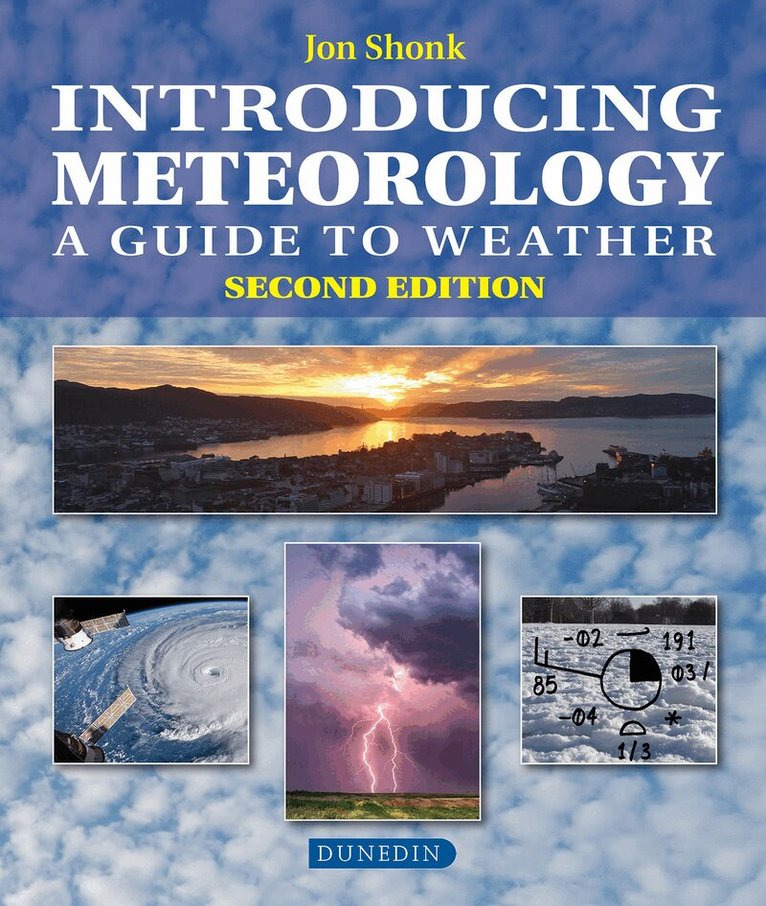
In many parts of the world the weather forms a daily topic of conversation, In others it hardly changes from one week to the next. However, human life is governed by the weather which affects much of our activity, from farming to fishing and from shopping to holiday-making. Introducing Meteorology has been written to provide a succinct overview of the science of the weather for students and for interested amateurs wanting a topical guide to this complex science. The initial chapters describe the development of the science, the atmosphere and the forces which govern the weather. The author then discusses weather influences at global and local scales before describing the science of weather forecasting. Copiously illustrated, this book is intended for those whose interest in meteorology has been stimulated, perhaps by media coverage of dramatic weather events, and who want to know more. Technical terms are kept to a minimum and are explained in a glossary.
347 kr
Skickas inom 7-10 vardagar
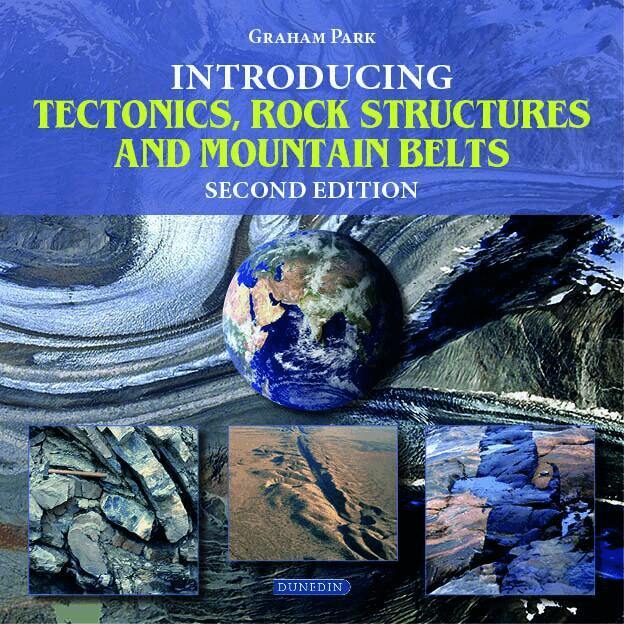
Introducing Tectonics, Rock Structures and Mountain Belts is written to explain the key concepts of tectonics and rock structures to students and to the interested non-specialist, especially those without a strong mathematical background. The study and understanding of geological structures has traditionally been guided by the rigorous application of mathematics and physics but, in this book, Graham Park has avoided mathematical equations altogether and has reduced the geometry to the minimum necessary. The application of plate tectonic theory has revolutionised structural geology by giving the study of rock structures a context in which they can be explained. Since the large-scale movements of the plates ultimately control smaller-scale structures, the study of tectonics is the key to understanding the latter. The reader is thus introduced to large-scale Earth structure and the theory of plate tectonics before dealing with geological structures such as faults and folds. Studies by structural geologists of the movement history of rock masses relative to each other, as revealed by the study of fault systems and shear zones, has helped to integrate rock structures with plate tectonics and this has been emphasised in the book. One of the most exciting aspects of geology is the study of the great mountain ranges, orogenic belts. The final three chapters of the book explain how knowledge of plate tectonic theory, geological structures and the processes of deformation may be employed to understand these orogenic belts. hilst excessive use of terminology is avoided, all technical terms are in a Glossary and, as with all books in this series, the text is illustrated profusely.
348 kr
Skickas
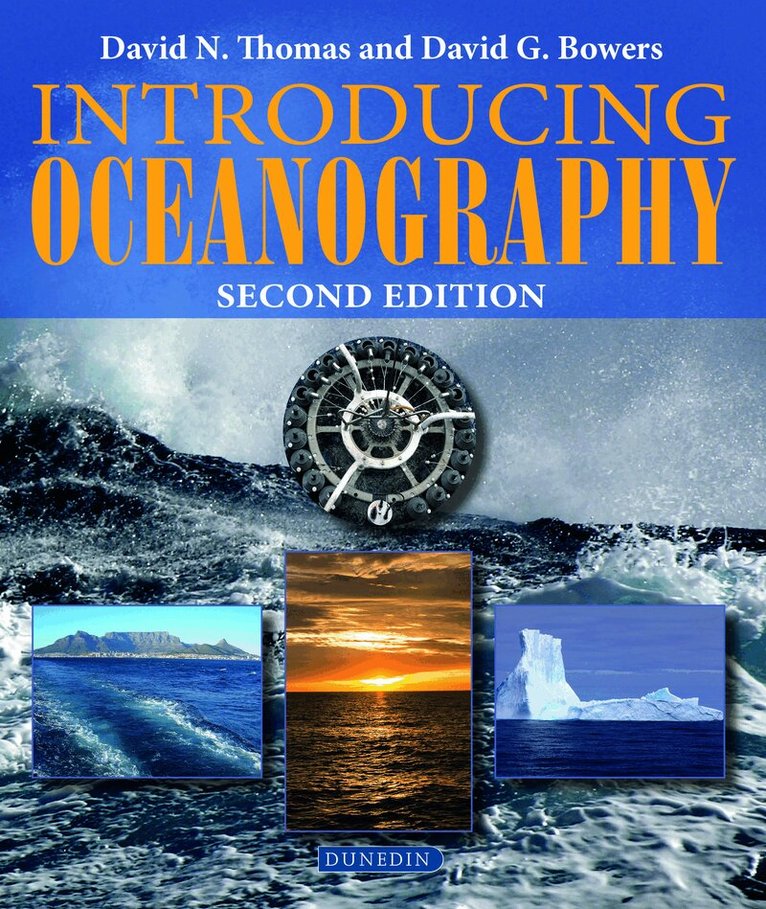
Two thirds of our planet is covered by oceans and seas. Over recent decades developments in ocean science have dramatically improved our understanding of the key role oceans play in the Earth System, and how vital they are for regulating global climate. Humans depend on the oceans for many resources, but at the same time their impacts on the marine systems around the world are of increasing concern. Introducing Oceanography has been written by two leading oceanographers to provide a succinct overview of the science of the study of the seas for students and for the interested adult wanting a topical guide to this enormous and complex subject. The initial chapters describe the oceans and the forces at work within them. The authors then discuss the effects of light, the chemistry of the seas and the food web before surveying biological oceanography in the main oceanic regions. The final chapter looks at the methodology of ocean study. Copiously illustrated, this book is intended for those whose interest in oceanography has been stimulated, perhaps by media coverage of declining resources or climate change and who want to know more. Technical terms are kept to a minimum and are explained in a glossary.
347 kr
Skickas inom 7-10 vardagar
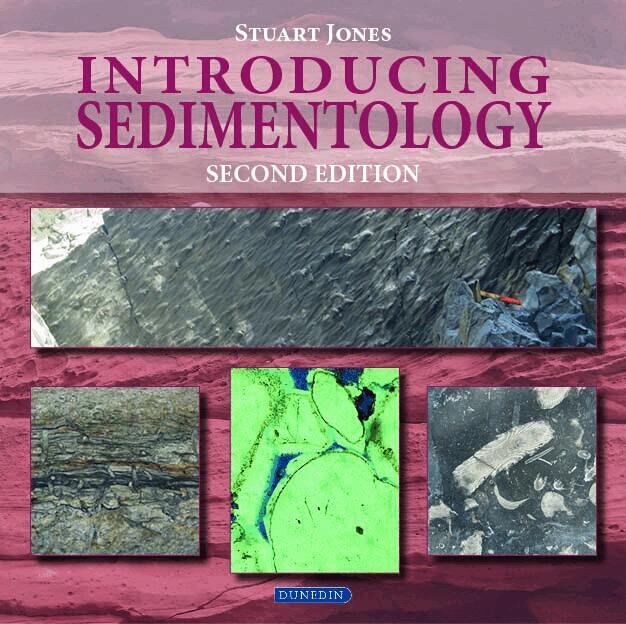
Sediments and sedimentary rocks are fundamental to our understanding of the Earth and the array of environments that characterise its surface. Since some 70% of the rocks on the Earth’s surface are sedimentary in origin and sediments are of great economic importance, there is a very good chance that we encounter a sedimentary rock or an associated sedimentary process at some point every day of our lives.Introducing Sedimentology covers all the rudimentary aspects of sedimentology including different types of sedimentary rocks, sedimentary structures, and environments of deposition of sediments. The application of sedimentology in the search for valuable economic resources is explained and how sedimentary rocks play a key role for subsurface storage of carbon dioxide and hydrogen as part of the low-carbon energy transition. Written for students, amateur enthusiasts and professional geologists, Introducing Sedimentology provides a succinct and accessible introduction to the science of sedimentology. It is generously illustrated with many explanatory line diagrams and colour photographs.
318 kr
Skickas inom 7-10 vardagar
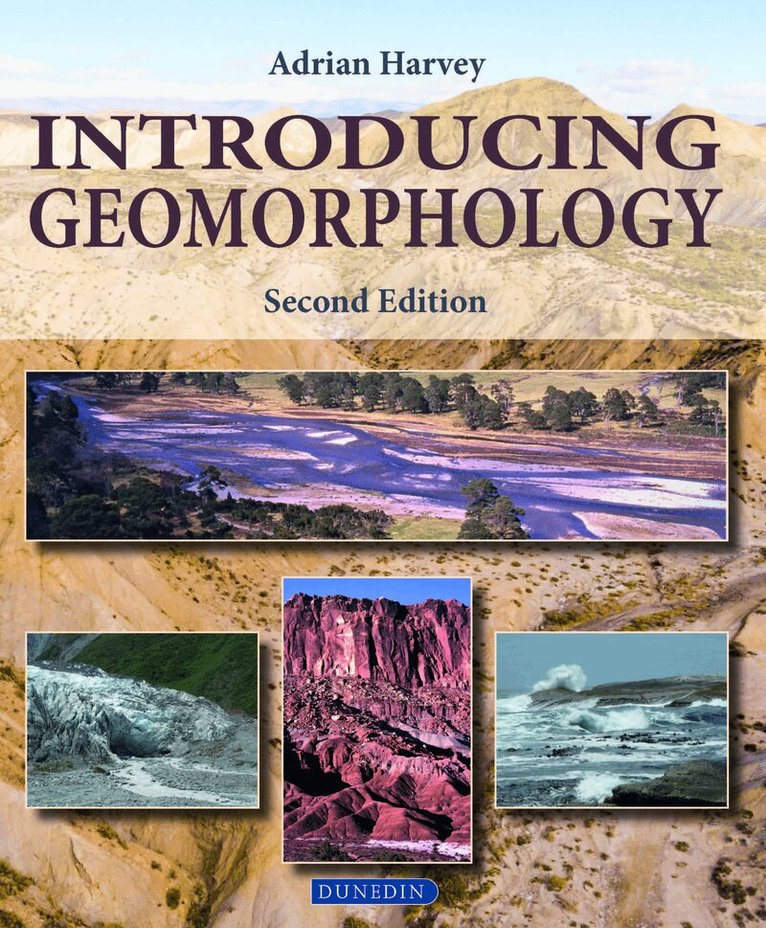
Geomorphology is the study of the earth’s landforms and the processes that made the landscape look the way it does today. What we see when we look at a scenic view is the result of the interplay of the forces that shape the earth’s surface. These operate on many different timescales and involve geological as well as climatic forces.Adrian Harvey introduces the varying geomorphological forces and differing timescales which thus combine: from the global, which shape continents and mountain ranges; through the regional, producing hills and river basins; to the local, forming beaches, glaciers and slopes; to those micro scale forces which weather rock faces and produce sediment. Finally, he considers the effect that humans have had on the world’s topography.