Ismaili Heritage - Böcker
Visar alla böcker i serien Ismaili Heritage. Handla med fri frakt och snabb leverans.
11 produkter
11 produkter
Central Asian Ismailis
An Annotated Bibliography of Russian, Tajik and Other Sources
Häftad, Engelska, 2022
368 kr
Skickas inom 10-15 vardagar
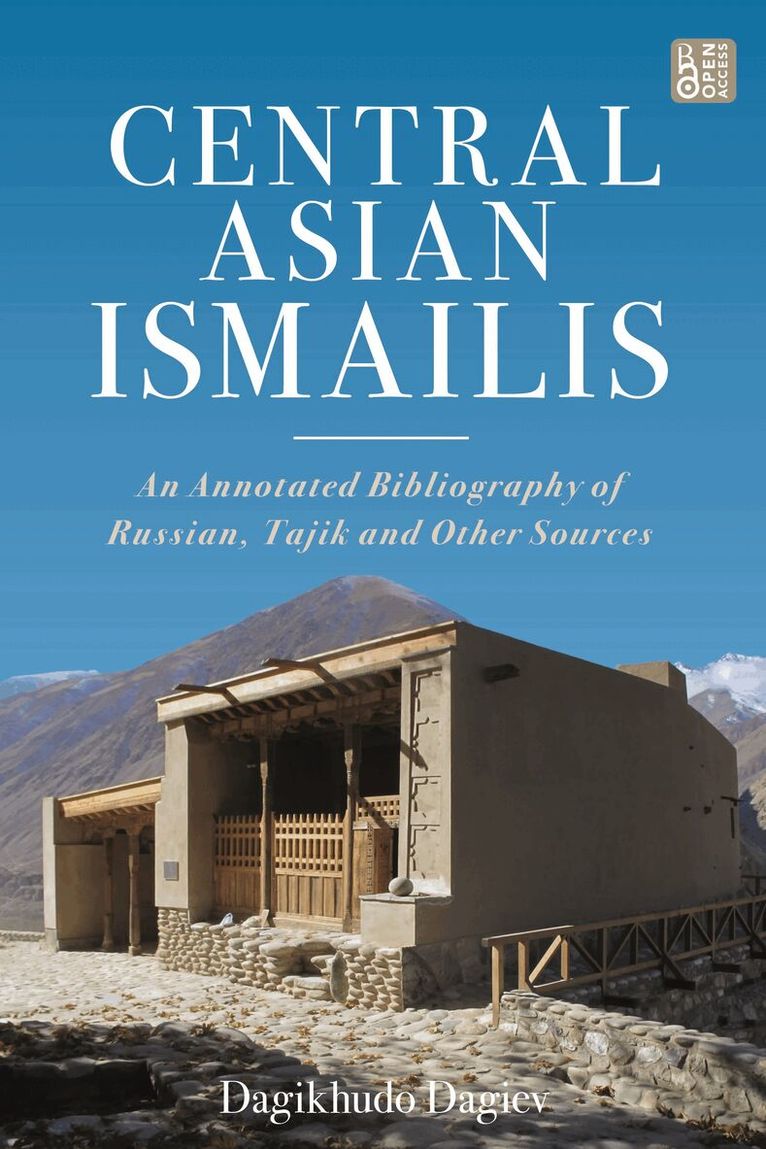
I.B. Tauris in association with the Institute of Ismaili StudiesThe Shi’i Ismaili Muslims of Central Asia have a complex political history. This open access book is the first English-language study of the Ismaili Muslims in this region, based on analysis of the Russian, Soviet and post-Soviet scholarship about them. It sheds new light on their history and heritage, and also shows how the Ismailis of Central Asia have been understood and presented in the academic literature. Divided into three parts, the first covers the spread of the Ismaili da’wa (mission) throughout Central Asia - known as Khurasan - from the 3rd/9th century until modern times. This part examines the prominent poet da’i Nasir-i Khusraw, who played an instrumental role in the expansion and development of Ismailism in Badakhshan in the eleventh century and reveals the impact of his religio-philosophical legacy in the life of the contemporary community. The second part examines the initial interest in Ismaili Studies engendered by Russian imperial rule. It also shows how approaches to the study of Ismailism were affected by 70 years of Communist atheist rule and the demise of the Communist political and ideological system. The third part presents an annotated bibliography of books, articles, and published and unpublished materials, including documents and oral materials on the history, thought and practices of the Ismailis of Central Asia, most of which has not been hitherto easily accessible to Western scholarship. The comprehensive survey and rich bibliography aims to illuminate the history and historiography of the Ismailis in Central Asia and facilitate further study on the subject by experts around the world.
Central Asian Ismailis
An Annotated Bibliography of Russian, Tajik and Other Sources
Inbunden, Engelska, 2022
1 142 kr
Skickas inom 10-15 vardagar
I.B. Tauris in association with the Institute of Ismaili StudiesThe Shi’i Ismaili Muslims of Central Asia have a complex political history. This open access book is the first English-language study of the Ismaili Muslims in this region, based on analysis of the Russian, Soviet and post-Soviet scholarship about them. It sheds new light on their history and heritage, and also shows how the Ismailis of Central Asia have been understood and presented in the academic literature. Divided into three parts, the first covers the spread of the Ismaili da’wa (mission) throughout Central Asia - known as Khurasan - from the 3rd/9th century until modern times. This part examines the prominent poet da’i Nasir-i Khusraw, who played an instrumental role in the expansion and development of Ismailism in Badakhshan in the eleventh century and reveals the impact of his religio-philosophical legacy in the life of the contemporary community. The second part examines the initial interest in Ismaili Studies engendered by Russian imperial rule. It also shows how approaches to the study of Ismailism were affected by 70 years of Communist atheist rule and the demise of the Communist political and ideological system. The third part presents an annotated bibliography of books, articles, and published and unpublished materials, including documents and oral materials on the history, thought and practices of the Ismailis of Central Asia, most of which has not been hitherto easily accessible to Western scholarship. The comprehensive survey and rich bibliography aims to illuminate the history and historiography of the Ismailis in Central Asia and facilitate further study on the subject by experts around the world.
Early Nizari Ismailis and their Neighbouring Powers
Politics in the Caspian Provinces
Häftad, Engelska, 2024
305 kr
Skickas inom 5-8 vardagar
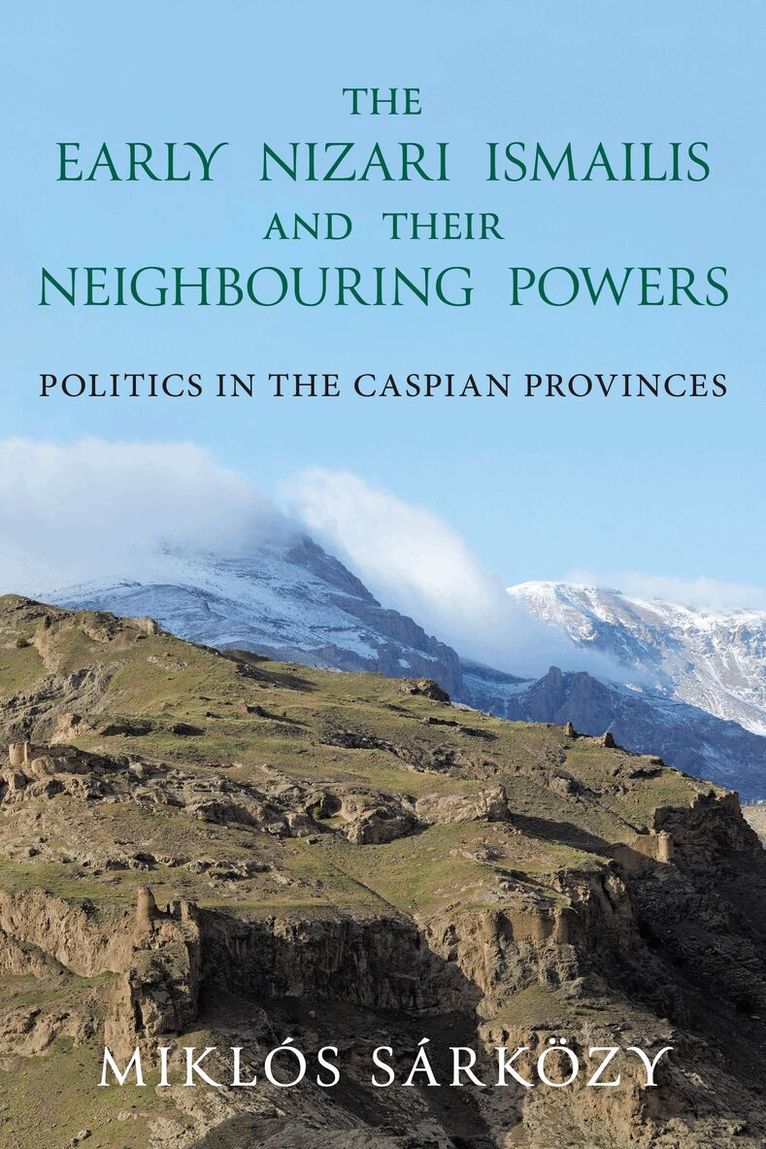
I.B. Tauris in association with the Institute of Ismaili Studies.This new history of the Alamut era of the Nizari Ismaili community concentrates on the local politics of the remote mountainous Caspian region. This is where the prominent religious and military leader, Hasan-i Sabbah (1050s-1124) famously founded the medieval Nizari Isma’ili state in 1090 before it collapsed at the hands of the Mongols in 1256.Miklós Sárközy presents here a fresh investigation of this period through a detailed examination of the regional Caspian histories across the turbulent 11th and early 13th centuries. His analysis provides an important contribution to our understanding of the development of the early Nizari Ismailis and their Imams in Iran. The book considers the effects of neighbouring regional powers on the formation and adaptions of the Nizari state whilst it was continuously subjected to the assaults of the Saljuq Turks. The result is a new perspective on how the Nizari Ismailis were able to survive and flourish through difficult times and establish themselves as a vital polity of the Muslim world.The Nizaris— also known as “Assassins” in western literature—have attracted considerable interest among both scholars and the general public. This book is a much-needed analysis of a neglected area of their vital history.
Early Nizari Ismailis and their Neighbouring Powers
Politics in the Caspian Provinces
Inbunden, Engelska, 2024
991 kr
Skickas inom 7-10 vardagar
This history of the Alamut era of the Nizari Ismaili community concentrates on the local politics of the remote mountainous Caspian region of northern Iran. This is where the prominent religious and military leader Hasan-i Sabbah (1050s–1124) famously founded the medieval Nizari Ismaili state in 1090, before it ultimately collapsed at the hands of the Mongols in 1256.Miklós Sárközy presents here a fresh investigation of this turbulent period through a detailed examination of the contemporary regional Caspian histories. His analysis provides an important contribution to our understanding of the development of the early Nizari Ismailis and their Imams in Iran. The book considers the effects of neighbouring regional powers on the formation and adaptions of the Nizari state whilst it was continuously subjected to the assaults of the Saljuq Turks. The result is a new perspective on how the Nizari Ismailis were able to survive and flourish through difficult times and to establish themselves as a significant polity of the Muslim world.The Nizaris—also known pejoratively as “the Assassins” in western literature—have attracted considerable interest among both scholars and the general public. This book is a much-needed analysis of a neglected area of their vital history.
555 kr
Skickas inom 10-15 vardagar
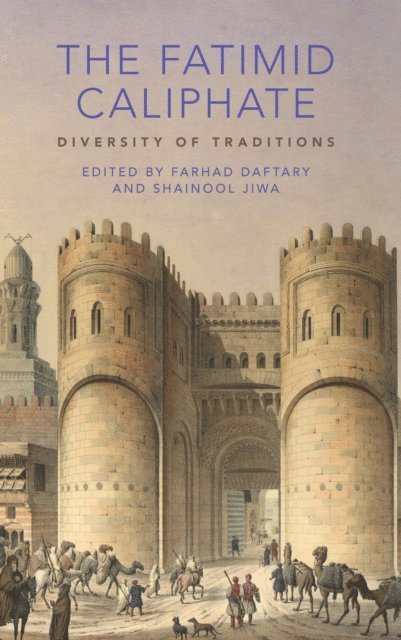
I.B.Tauris in association with the Institute of Ismaili StudiesThe Fatimids ruled much of the Mediterranean world for over two centuries. From the conquest of Qayrawan in 909 to defeat at the hands of Saladin in 1171, the Fatimid caliphate governed a vast area stretching, at its peak, from the Red Sea in the East to the Atlantic Ocean in the West. Their leaders - the Ismaili Shi`i Imam-caliphs - were distinctive in largely pursuing a policy of tolerance towards the religious and ethnic communities of their realm, and they embraced diverse approaches to the practicalities of administering a vast empire. Such methods of negotiating government and diversity created a lasting pluralistic legacy.The present volume, edited by Farhad Daftary and Shainool Jiwa, brings together a series of original contributions from a number of leading authorities in the field. Based on analyses of primary sources, the chapters shed fresh light on the impact of Fatimid rule. The book presents little explored aspects of state-society relations such as the Fatimid model of the vizierate, Sunni legal responses to Fatimid observance, and the role of women in prayer. Highlighting the distinctive nature of the Fatimid empire and its legacy, this book will be of special interest to researchers in mediaeval Islamic history and thought.
640 kr
Skickas inom 10-15 vardagar
A comprehensive treatment of Ismaili medieval history in its entirety. It will have great appeal to all scholars of medieval Islam. Farhad Daftary is one of the world's leading authorities on Ismaili history and literature. This important book, by an internationally acknowledged expert in Ismaili studies, introduces Ismaili history and thought in medieval times. Discussing the different phases in Ismaili history, it describes both the early Ismailis as well as the contributions of the later Ismailis to Islamic culture. A number of chapters deal with key Ismaili individuals such as Hasan-i Sabbah. Other chapters contextualise the Ismailis within the early Muslim societies, in addition to investigating the Ismaili-Crusader relations and the resulting legends on the Ismaili secret practices. Over the course of the work, it becomes clear that Ismaili historiography, and the perception of the Ismailis by others (in both Muslim and Christian milieus), have had a fascinating evolution. During their long history the Ismailis have often been accused of various heretical teachings and practices and - at the same time - a multitude of myths and misconceptions have ciculated about them.Farhad Daftary here separates myth from fact, propaganda from actuality, in a work characterised by his customary mastery of the sources and literature.
875 kr
Skickas inom 10-15 vardagar
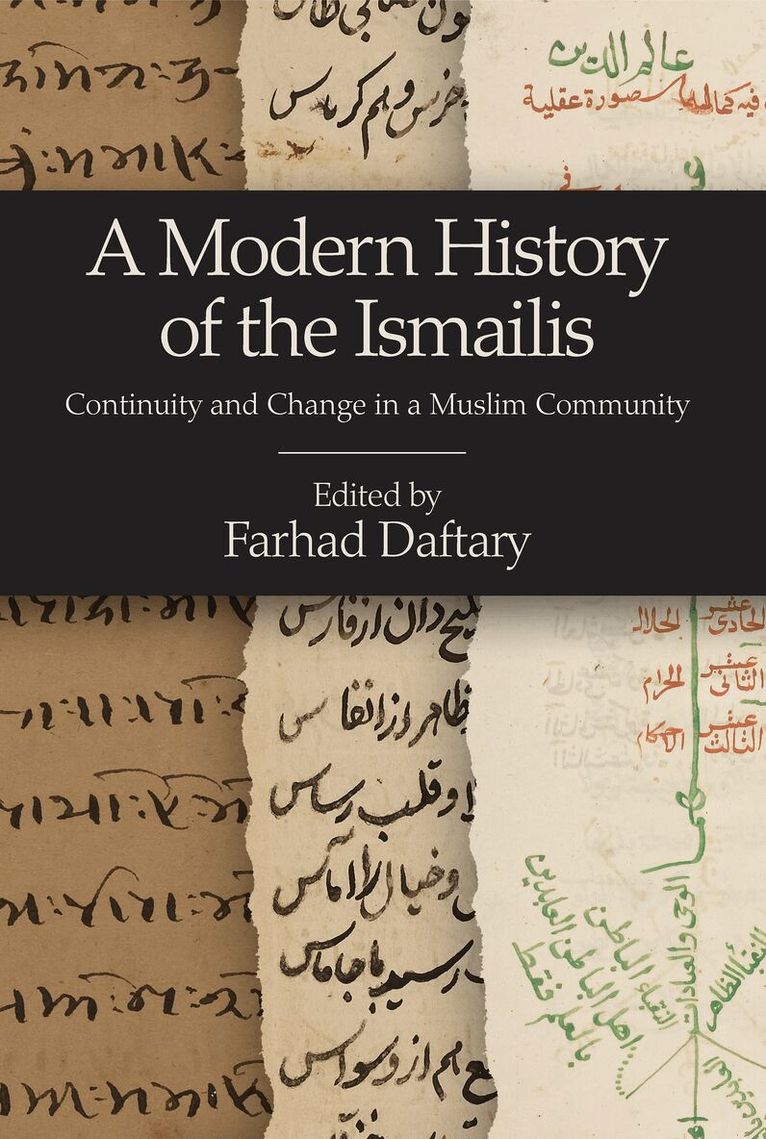
The Ismailis have enjoyed a long, eventful and complex history dating back to the 8th century CE and originating in the Shi'i tradition of Islam. During the medieval period, Ismailis of different regions - especially in central Asia, south Asia, Iran and Syria - developed and elaborated their own distinctive literary and intellectual traditions, which have made an outstanding contribution to the culture of Islam as a whole. At the same time, the Ismailis in the Middle Ages split into two main groups who followed different spiritual leaders. The bulk of the Ismailis came to have a line of imams now represented by the Aga Khans, while a smaller group - known in south Asia as the Bohras - developed their own type of leadership.This collection is the first scholarly attempt to survey the modern history of both Ismaili groupings since the middle of the 19th century. It covers a variety of topical issues and themes, such as the modernising policies of the Aga Khans, and also includes original studies of regional developments in Ismaili communities worldwide.The contributors focus too on how the Ismailis as a religious community have responded to the twin challenges of modernity and emigration to the West. "A Modern History of the Ismailis" will be welcomed as the most complete assessment yet published of the recent trajectory of this fascinating and influential Shi'i community.
764 kr
Skickas inom 10-15 vardagar
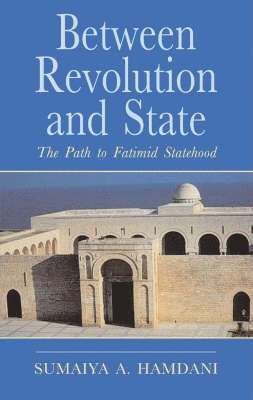
This book examines the most important writings of a tenth century Islamic theologian and jurist who was one of the most original thinkers of his period. It argues that Qadi al-Nu'man's works constituted new and vital genres in Ismaili Shi'i literature, an emergence necessitated by the Fatimids' transition from revolutionary movement to statehood, and by their desire to establish their authority as a Shi'i alternative to the Sunni Abbasid caliphate. Al-Nu'man, already famous in the Fatimid era, produced a legacy which consists of a school of law, historical and biographical works, new interpretations of Ismaili doctrine, and the formulation of a ceremonial language achieved through his work on court protocol. Between Revolution and State represents a sophisticated and readable analysis of one of the seminal figures of the Fatimid period.
Nasir Khusraw, the Ruby of Badakhshan
A Portrait of the Persian Poet, Traveller and Philosopher
Häftad, Engelska, 2002
362 kr
Skickas inom 10-15 vardagar
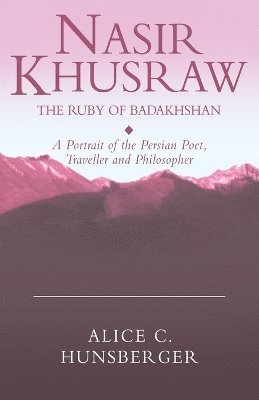
This is a comprehensive study of the life of Nasir-Khusraw, one of the foremost poets of the Persian language and a major Ismaili thinker and writer. Celebrated for a poetry that combines art with philosophy, trusted for the details of his travels throughout the Middle East, revered and criticized for his theological texts, he remains one of the most fascinating figures in Islamic history and literature. This volume also includes sections of his work.
Surviving the Mongols
Nizari Quhistani and the Continuity of the Ismaili Tradition in Persia
Inbunden, Engelska, 2002
488 kr
Skickas inom 10-15 vardagar
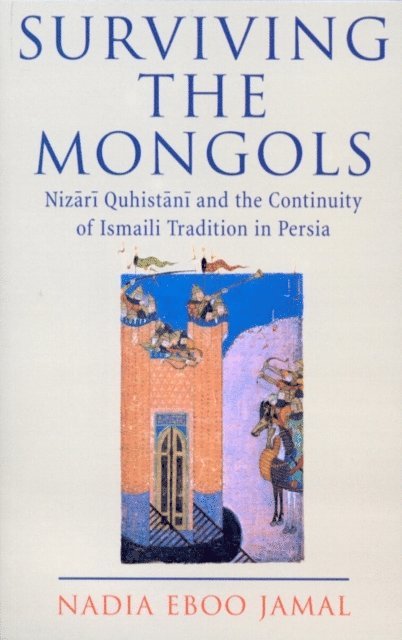
The Mongol invasion of Iran in the 13th century was a catastrophic event for all its inhabitants. For the persian Ismaili in particular, it put an end to their political aspirations and independent existence for many centuries. It has been held by many historians that subsequent to the fall of the central Ismaili fortress of Alumut to the Mongols, the community was virtually extripated from the region and its institutional network dismantled until its revival in the 16th century under the Safavid dynasty. Such an expansive view of post-Alumut Ismailism is questioned by this study which examines the poetic writings of Nizari Quhistani, one of the Ismaili authors who survived the Mongol invasion. The evidence of his writings demonstrate that while the Ismaili community was seriously impaired, its organizational structure and internal coherence were in no means decimated but continued to operate in different forms through the Mongol period of Persian history.
875 kr
Skickas inom 10-15 vardagar
Exploring an Islamic Empire surveys the three main phases of Fatimid history, and examines various sources that provide information for historical analysis. These sources range from direct evidence such as coins, building dedications, documents and letters, eyewitness and contemporary accounts, histories and biographies, scientific and literary writings, to the work of modern scholars. An extensive bibliography of both medieval sources and modern studies makes this not only a valuable addition to the historiography of the Fatimids but essential reading for students and scholars of Islamic history.