Journal of Ancient Judaism. Supplements - Böcker
Visar alla böcker i serien Journal of Ancient Judaism. Supplements. Handla med fri frakt och snabb leverans.
7 produkter
7 produkter
Del 37 - Journal of Ancient Judaism. Supplements
Human, Divine, and Textual Relationships: Essays on the Hebrew Bible
Inbunden, Engelska, 2024
1 864 kr
Skickas inom 3-6 vardagar
1 532 kr
Skickas inom 11-20 vardagar
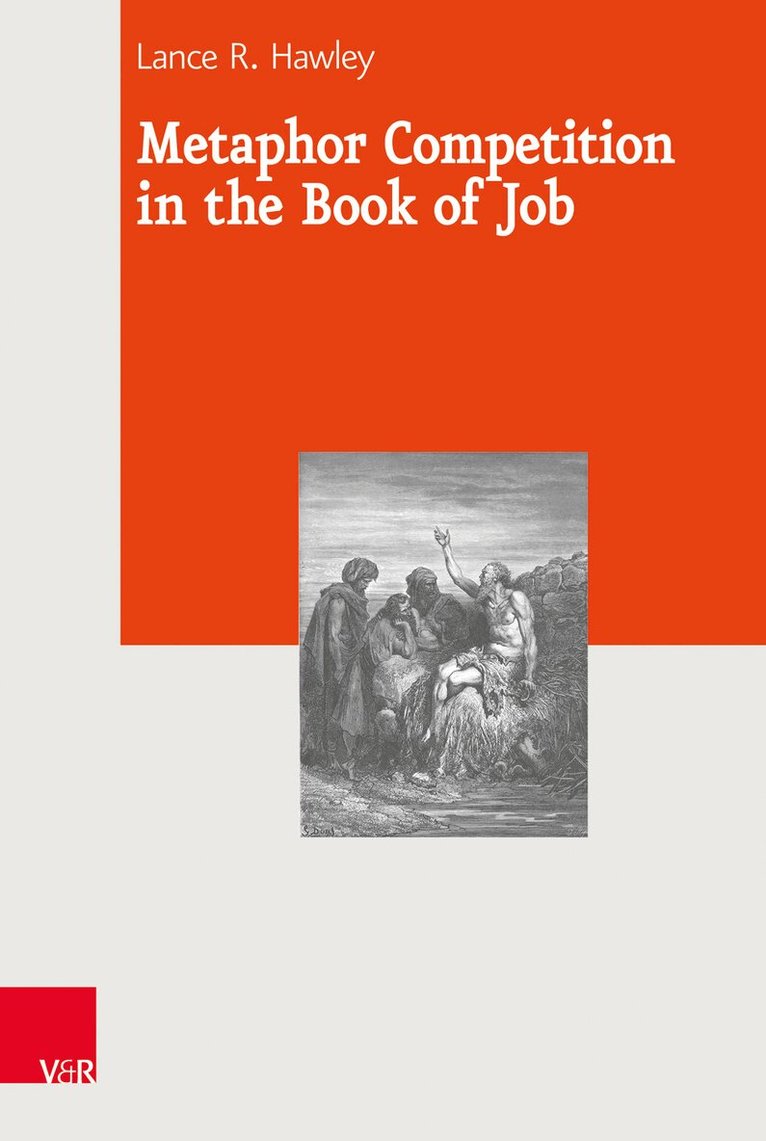
Within the book of Job, the interlocutors (Job, the friends, and Yahweh) seem to largely ignore one another's arguments. This observation leads some to propose that the dialogue lacks conceptual coherence. Lance Hawley argues that the interlocutors tangentially and sometimes overtly attend to previously stated points of view and attempt to persuade their counterparts through the employment of metaphor. Hawley uses the theoretical approach of Conceptual Metaphor Theory to trace the concepts of speech and animals throughout the dialogue. Beyond explaining the individual metaphors in particular texts, he shows how speech metaphors compete with one another, most perceptibly in the expressions of job's words are wind. With regard to animal metaphors, coherence is especially perceptible in the job is a predatory animal metaphor. In these expressions, the dialogue demonstrates intentional picking-up on previously stated arguments. Hawley argues that the animal images in the divine speeches are not metaphorical, in spite of recent scholarly interpretation that reads them as such. Rather, Yahweh appears as a sage to question the negative status of wild animals that Job and his friends assume in their significations of people are animals. This is especially apparent in Yahweh's strophes on the lion and the wild donkey, both of which appear multiple times in the metaphorical expressions of Job and his friends.
Del 18 - Journal of Ancient Judaism. Supplements
Exploring the Dead Sea Scrolls
Archaeology and Literature of the Qumran Caves
Inbunden, Engelska, 2015
2 229 kr
Skickas inom 11-20 vardagar
The eighteen essays in this collection were chosen by Prof. Hanan Eshel (1958–2010) shortly before his untimely death, to serve as a legacy of his rich contributions to Dead Sea Scrolls scholarship, particularly in the integration of archaeological and textual analysis.The Qumran texts that stand at the center of these articles are correlated with archaeological and geographic information and with a variety of textual sources including epigraphic evidence.The book includes essays that have been co-authored with Esther Eshel, Shlomit Kendi-Harel, Zeev Safrai, and John Strugnell.
Denying Her Voice: The Figure of Miriam in Ancient Jewish Literature
The Figure of Miriam in Ancient Jewish Literature
Inbunden, Engelska, 2016
1 534 kr
Skickas inom 11-20 vardagar
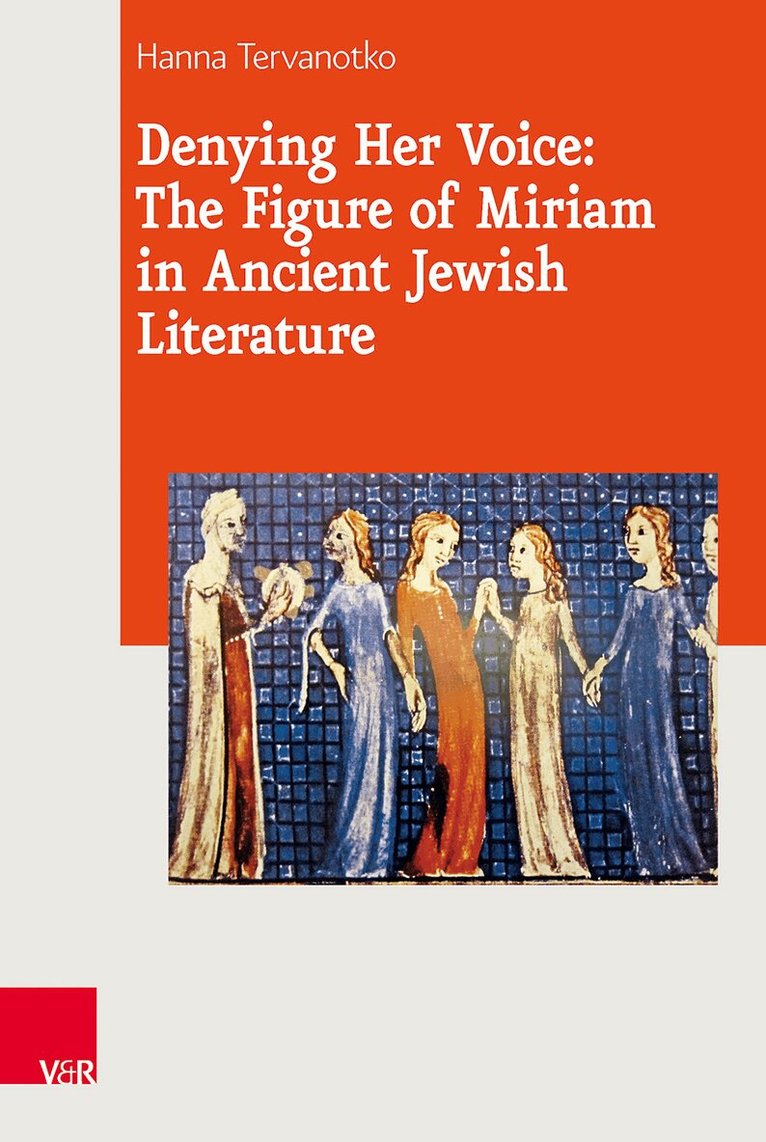
Hanna Tervanotko first analyzes the treatment and development of Miriam as a literary character in ancient Jewish texts, taking into account all the references to this figure preserved in ancient Jewish literature from the exilic period to the early second century C.E.: Exodus 15:20-21; Deuteronomy 24:8-9; Numbers 12:1-15; 20:1; 26:59; 1 Chronicles 5:29; Micah 6:4, the Septuagint, the Dead Sea Scrolls (4Q365 6 II, 1-7; 4Q377 2 I, 9; 4Q543 1 I, 6 = 4Q545 1 I, 5; 4Q546 12, 4; 4Q547 4 I, 10; 4Q549 2, 8), Jubilees 47:4; Ezekiel the Tragedian 18; Demetrius Chronographer frag. 3; texts by Philo of Alexandria: De vita contemplativa 87; Legum allegoriae 1.76; 2.66-67; 3.103; De agricultura 80-81; Liber antiquitatum biblicarum 9:10; 20:8, and finally texts by Josephus: Antiquitates judaicae 2.221; 3.54; 3.105; 4.78. These texts demonstrate that the picture of Miriam preserved in the ancient Jewish texts is richer than the Hebrew Bible suggests. The results provide a contradictory image of Miriam. On the one hand she becomes a tool of Levitical politics, whereas on the other she continues to enjoy a freer role. People continued to interpret earlier literary traditions in light of new situations, and interpretations varied in different contexts. Second, in light of poststructuralist literary studies that treat texts as reflections of specific social situations, Tervanotko argues that the treatment of Miriam in ancient Jewish literature reflects mostly a reality in which women had little space as active agents. Despite the general tendency to allow women only little room, the references to Miriam suggest that at least some prominent women may have enjoyed occasional freedom.
In Search of the Promised Land?
The Hasmonean Dynasty Between Biblical Models and Hellenistic Diplomacy
Inbunden, Engelska, 2018
1 532 kr
Skickas inom 11-20 vardagar
1 328 kr
Skickas inom 11-20 vardagar
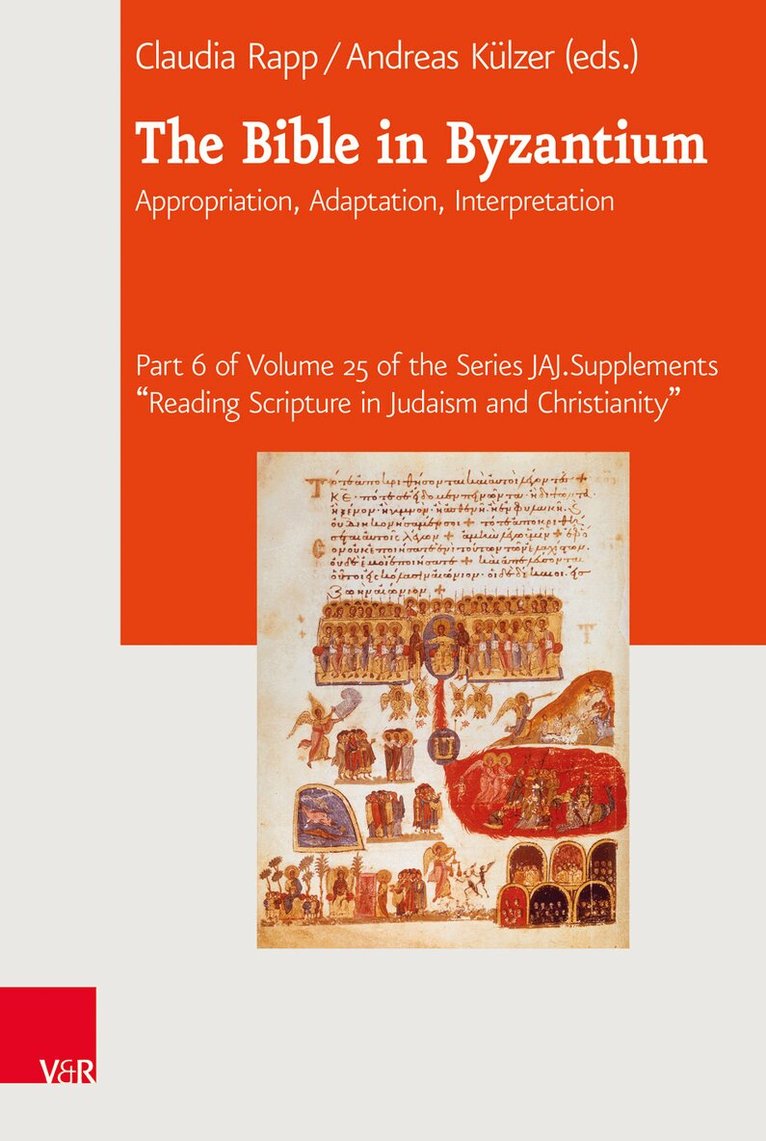
The Bible is the foundational text for the Byzantine Empire. The papers of this volume explore its reception through appropriation, adaptation and interpretation as articulated in all aspects of Byzantine society. Several sessions at the ISBL held in Vienna, 6 to 10 July 2014 on ‘The Reception of the Bible in Greco-Roman Tradition,’ ‘The Bible between Jews and Christians in Byzantium,’ ‘Biblical Scholarship in Byzantium,’ and ‘Biblical Foundations of Byzantine Identity and Culture’ built the basis of this volume.Various angles shed light on the Byzantine experience of the Bible. The wide range of source materials that inform the contributions to this volume—from manuscripts and military handbooks to lead seals and pilgrim guides— allows insights into a vivid liturgical tradition, which shapes Orthodox Christianity up today. As a thoroughly Christianized society, the Bible had sunk deep into the cultural DNA of Byzantium. The volume shows the multitude of strategies for the engagement with the Biblical text and the manifold ways in which the Bible message was experienced, articulated and brought to life on a daily basis.
1 532 kr
Skickas inom 11-20 vardagar
Novick studies the relationship between rabbinic midrash and classical (and to a lesser extent pre-classical) piyyut?. The first focuses on features of piyyut? that distinguish it, at least prima facie, from rabbinic midrash: its performative character, its formal constraints, and its character as prayer. The second part considers midrash and piyyut? together via an analysis of a narrative form that looms large in both corpora. The “serial narrative” is a narrative that binds biblical history together by stringing together instance of the “same” event across multiple time periods. Thereby, Novick surveys basic features of serial narratives in midrash and piyyut?. Subsequent chapters take up instance of specific serial narrative forms from Second Temple literature to piyyut: the kingdom series, the salvation history, and the serial confession. Together, the two parts yield a nuanced account of the continuities and discontinuities between the two great corpora produced by rabbinic and para-rabbinic circles in Roman Palestine.