Latin American Women Writers – Serie
Visar alla böcker i serien Latin American Women Writers. Handla med fri frakt och snabb leverans.
12 produkter
12 produkter
239 kr
Skickas inom 10-15 vardagar
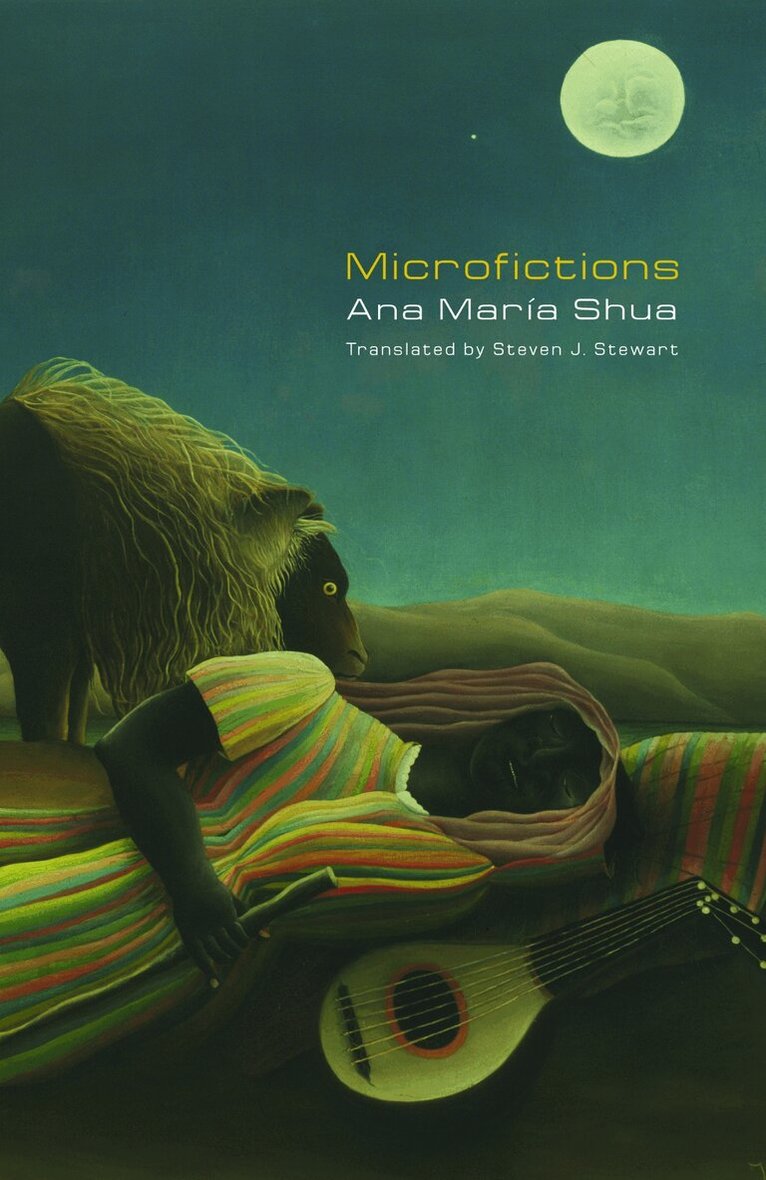
Cinderella's sisters surgically modify their feet to win the prince's love. A werewolf gathers up enough courage to visit a dentist. A medium trying to reach the afterworld gets a recorded message. A fox and a badger compete to out-fool each other. Whether writing of insomnia from a mosquito's point of view or showing us what happens after the princess kisses the frog, Ana María Shua, in these fleet and incandescent stories, is nothing if not pithy—except, of course, wildly entertaining. Some as short as a sentence, these microfictions have been selected and translated from four different books. Flashes of insight, cracks of wit, twists of logic, and quirks of language: these are fictions in the distinguished Argentinean tradition of Borges and Cortázar and Denevi, as powerful as they are brief. One of Argentina's most prolific and distinguished writers, and acclaimed worldwide, Shua displays in these microfictions the epitome of her humor, riddling logic, and mastery over our imagination. Now, for the first time in English, the fox transforms itself into a fable, and "the reader is invited to find the tail."
554 kr
Skickas inom 7-10 vardagar
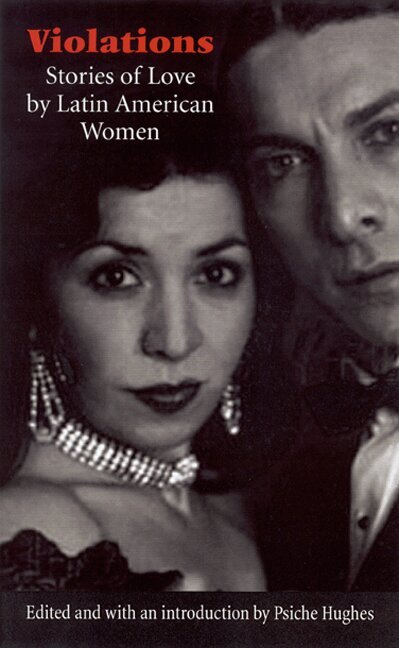
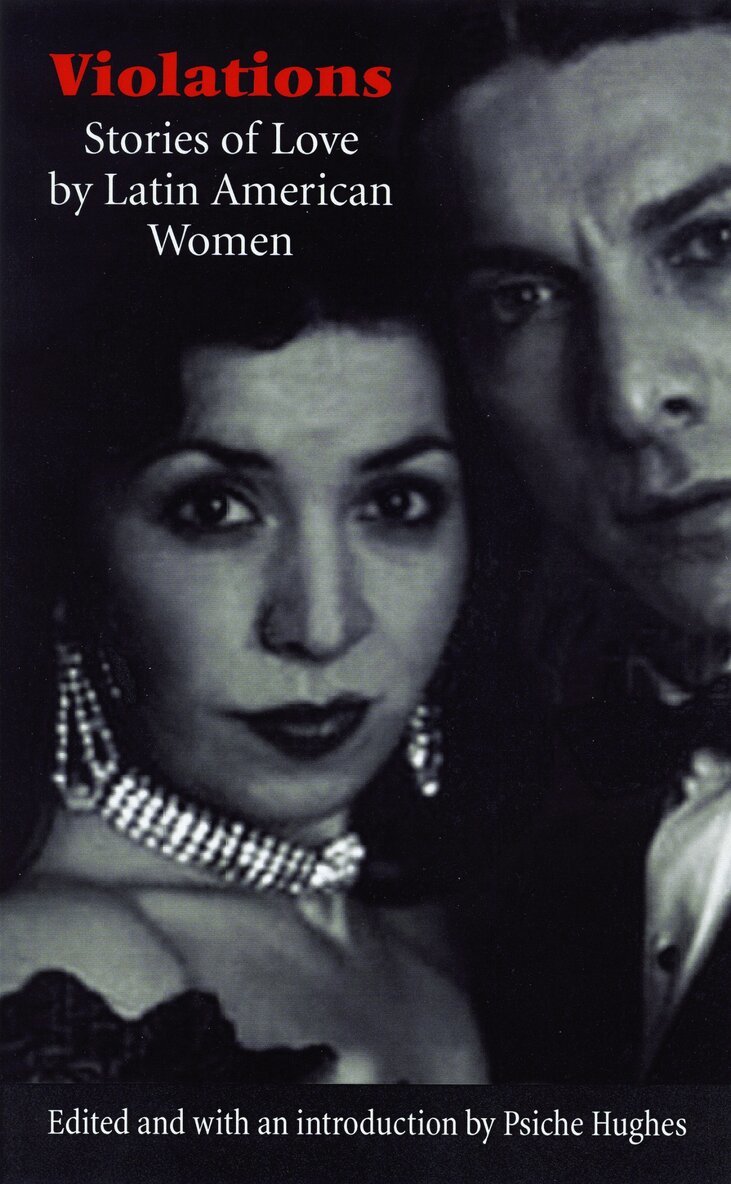
Forbidden love was a forbidden topic. Decorum was everything—in society, where Catholicism dictated the terms, and in literature, where a code of decency governed writers and readers alike. To women were left the pale love stories that conducted appropriate partners in proper settings to socially acceptable outcomes. So it was in Latin America well into the twentieth century. The stories in this volume announce a dramatic change, a transformation of the literature of love in Latin America, and of the role—even the nature—of women in this most "feminine" literary tradition. These stories, by exciting new writers as well as by the renowned, are "violations" of the most exhilarating sort, flouting conventions of language, behavior, subject matter, and style to remake and widen our once-narrow view of the literary landscape of Latin America. Here women writers from Mexico and Brazil, Colombia and Argentina, Cuba, Peru, and Uruguay break social, religious, political, and sexual barriers in fiction that is by turns erotic, satirical, shocking, tragic—and always, in its remapping of literary boundaries, deeply and richly entertaining.
235 kr
Skickas inom 7-10 vardagar
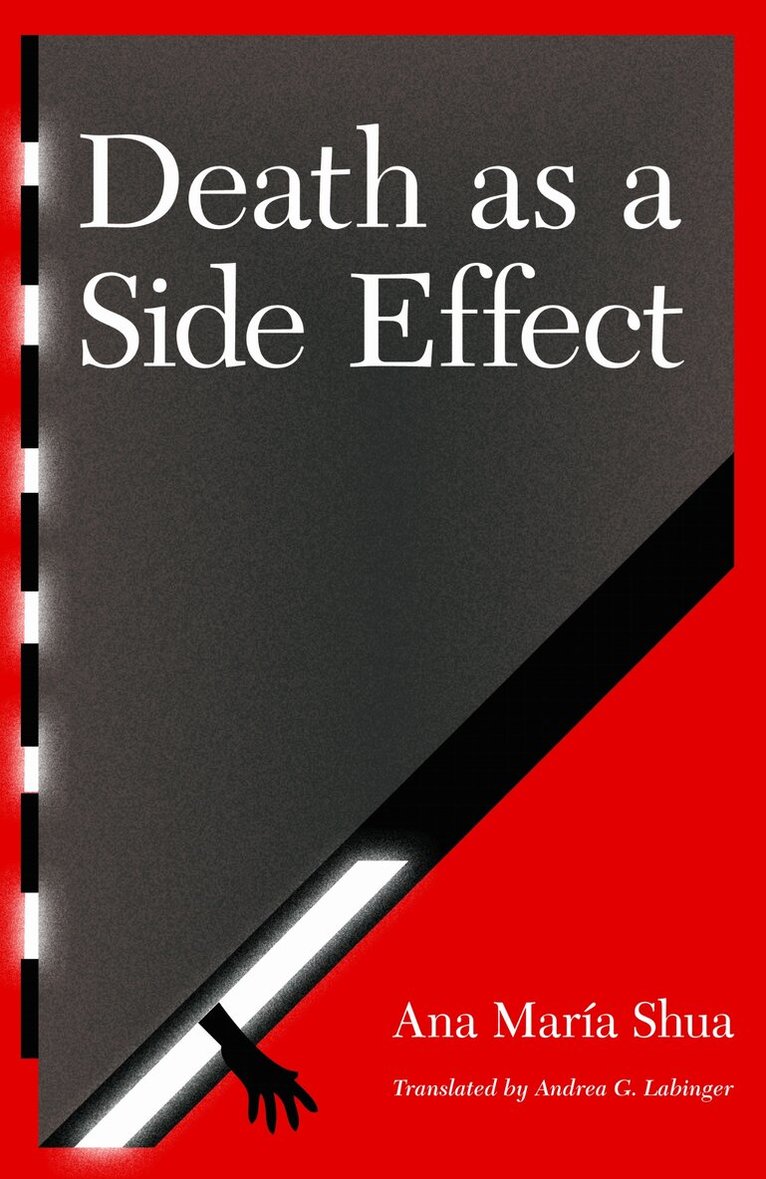
In Death as a Side Effect, Ana María Shua's brilliantly dark satire transports readers to a dystopic future Argentina where gangs of ad hoc marauders and professional thieves roam the streets while the wealthy purchase security behind fortified concrete walls and the elderly cower in their apartments in fear of being whisked off to state-mandated "convalescent" homes, never to return. Abandoned by his mistress, suffocated by his father, and estranged from his demented mother and ineffectual sister, Ernesto seeks his vanished lover. Hoping to save his dying father from the ministrations of a diabolical health-care system, he discovers that, ultimately, everyone is a patient, and the instruments wielded by the impersonal medical corps cut to the very heart of the social fabric. The world of this novel, with its closed districts, unsafe travel, ubiquitous security cameras, and widespread artificiality and uncertainty, is as familiar as it is strange—and as instructive, in its harrowing way, as it is deeply entertaining. The Spanish edition has been selected by the Congreso de la Lengua Española as one of the one hundred best Latin American novels published in the last twenty-five years.
239 kr
Skickas inom 10-15 vardagar
Dystopian fantasy, political parable, morality tale—however one reads it, this novel is first and foremost pure Ana María Shua, a work of fiction like no other and a dark pleasure to read. Shua, an Argentinian writer widely celebrated throughout Latin America, frames her complex drama in deceptively simple, straightforward prose. The story takes place at a fat farm called The Reeds, a nightmare world that might not exist but certainly could. The last resort of the overweight wealthy (or sponsored), The Reeds subjects its "campers" to extreme measures—particularly the regimented system of public humiliation imposed by its director, a glib and sharp-minded sadist called the Professor.Into the midst of this methodical madness comes Marina Rubin, who experiences all the excesses of The Reeds. The pervasive cruelty of this refined novel distances it from facile conclusions. Amid the mordant social satire, The Reeds' obese campers are far more than merely victims of the system, subjected to impossible social demands for physical perfection. Out of control, fierce, rebellious, or subjugated, they are recognizable human beings, contending with an unjust but efficient authority in their unique and solitary ways.
362 kr
Skickas inom 10-15 vardagar
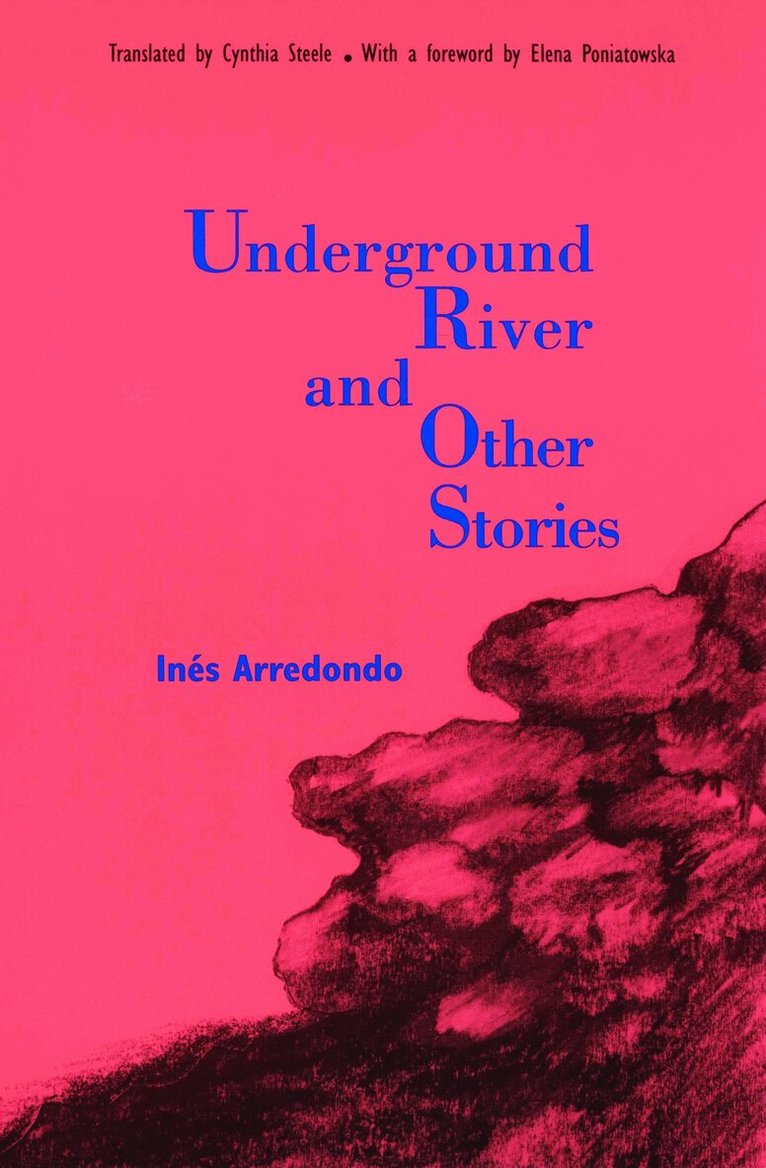
InÉs Arredondo (1928–1989) published just three slim volumes of stories over twenty-three years, yet her reputation as a great writer, “a necessary writer,” is firmly established in Mexico. Her works dwell on obsessions: erotic love, evil, purity, perversion, prostitution, tragic separation, and death. Most of her characters are involved in ill-fated searches for the Absolute through both excessively passionate and sadomasochistic relationships. Inevitably, the perfect, pure dyad of two youthful lovers is interrupted or corrupted through the interference of a third party (a rival lover or a child), aging, death, or public morality.Set at the beginning of the twentieth century in the tropical northwestern Mexican state of Sinaloa, the stories collected in Underground River and Other Stories focus on female subjectivity. Arredondo’s adult male characters are often predators, depraved collectors of adolescent virgins, like the plantation owners in “The Nocturnal Butterflies” and “Shadows in the Shadows” and the dying uncle in “The Shunammite,” who is kept alive by incestuous lust. Since the young female protagonists rarely have fathers to protect them, the only thing standing between them and these lechers are older women. Perversely, these older women act as accomplices–along with the extended family and the Roman Catholic Church–in the sordid age-old traffic in women.Underground River and Other Stories is the first appearance of Arredondo’s stories in English.
208 kr
Skickas inom 10-15 vardagar
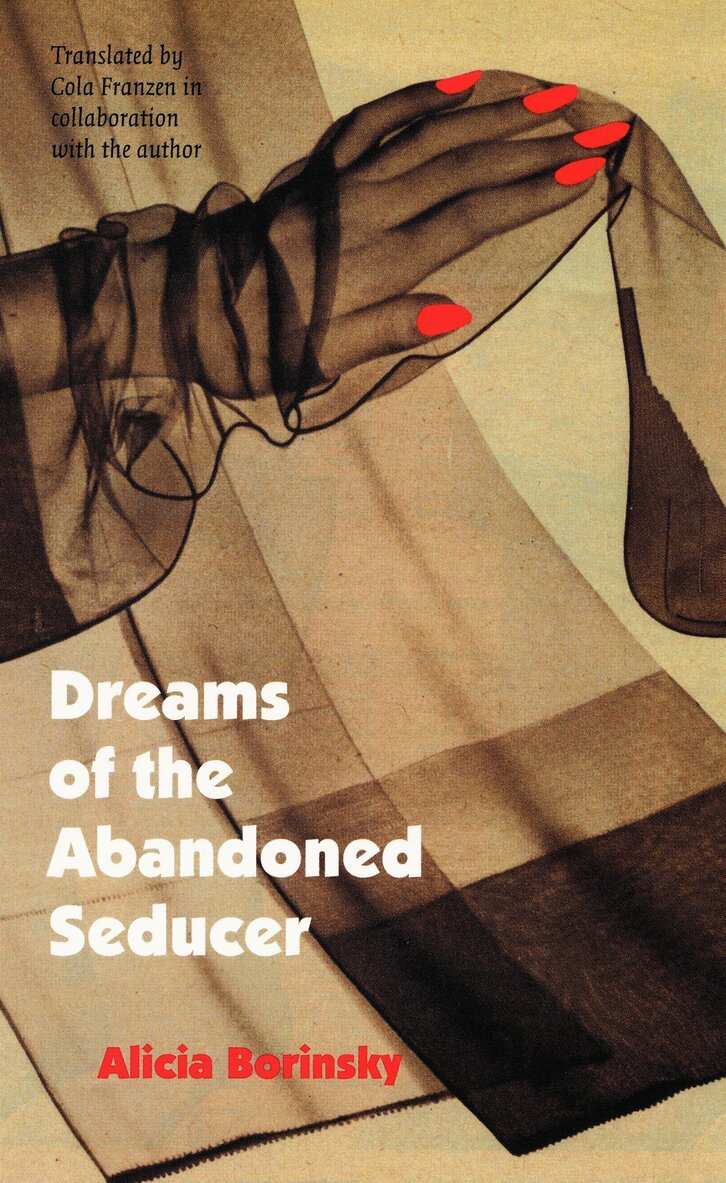
Dreams of the Abandoned Seducer takes place in the new "free market" era of personal choices and relations: a chaotic, sometimes hopeful, often comic world that has supplanted the old order of political terror and clearly demarcated ideological divides. The novel's vaudeville qualities, with characters shuffling on and off the page in rapid succession, are complemented by its exhilarating air of parody. Dreams draws ingeniously upon the sentimentality and ephemera of popular culture—quoting radio and TV shows, song lyrics, newspaper items, and bits of gossip— while also offering a sterner, more nuanced view of public and private relations. It is in large measure this mix of elements—"popular" and "high" culture, sentimentality and political understanding, vaudeville and arch satire—that makes Dreams an exemplary postmodern novel.
362 kr
Skickas inom 10-15 vardagar
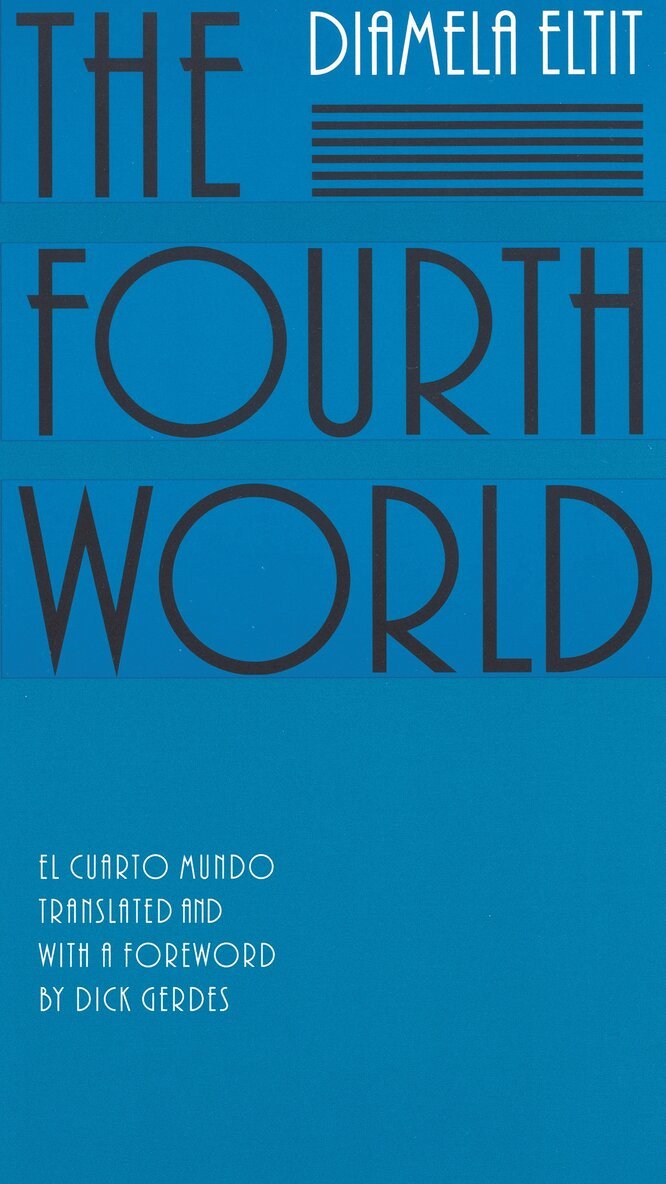
No one can be closer to another than a mother to her unborn child. No one, that is, except unborn twins jostling for space in the womb. In this concise and inventive novel, a twin brother and sister vie for attention from the reader much as they competed for room before their birth. Their prenatal intimacy and jealousy interlace until they can hardly recognize who is who. The chaos originating at the very moment of the twins’ conception gains dramatic proportions when they enter the world male and female.From the moment of their births, everything changes. The lives of the family members begin to unwind as they are each consumed by illness, obsession, and insanity. The inevitable and violent dissolution of the family becomes a metaphor in which Diamela Eltit explores the social crises in Chile during the military dictatorship of General Cesare Augusto Pinochet.Born in Santiago, Chile, in 1949, Diamela Eltit now makes her home in Mexico as Chile’s cultural attachÉ. The Fourth World, first published in 1988, is her third novel. While other Chilean writers fled the military dictatorship that began in 1973, Eltit found no alternative but to join resistance groups and actively protest the government until democracy was restored in 1989. In the intervening years she learned the dual importance of concealment and discovery in language and the vital connections among story, politics, and personal survival.
362 kr
Skickas inom 10-15 vardagar
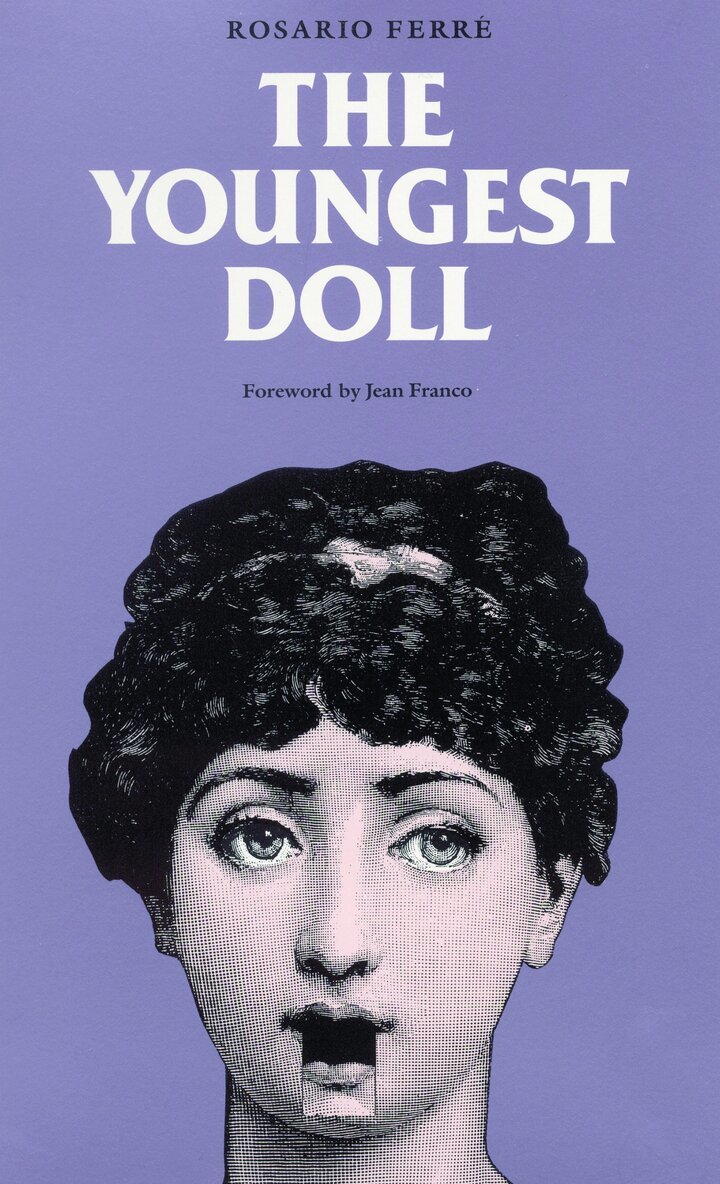
A gentle maiden aunt who has been victimized for years unexpectedly retaliates through her talent for making life-sized dolls filled with honey. "The Youngest Doll," based on a family anecdote, is a stunning literary expression of Rosario Ferré's feminist and social concerns. It is the premier story in a collection that was originally published in Spanish in 1976 as Papeles de Pandora and is now translated into English by the author. The daughter of a former governor of Puerto Rico, Ferré portrays women loosening the constraints that have bound them to a patriarchal culture. Anger takes creative rather than polemical form in ten stories that started Ferré on her way to becoming a leading woman writer in Latin America. The upper-middle-class women in The Youngest Doll, mostly married to macho men, rebel against their doll-like existence or retreat into fantasy, those without money or the right skin color are even more oppressed. In terms of power and influence, these women stand in the same relation to men as Puerto Rico itself does to the United States, and Ferré stretches artistic boundaries in writing about their situation. The stories, moving from the realistic to the nightmarish, are deeply, felt, full of irony and black humor, often experimental in form. The imagery is striking: an architect dreams about a beautiful bridge that "would open and close its arches like alligators making love"; a Mercedes Benz "shines in the dark like a chromium rhinoceros." One story, "The Sleeping Beauty," is a collage of letters, announcements, and photo captions that allows chilling conclusions to be drawn from what is not written. The collection includes Ferré's discussion of "When Women Love Men," a story about a prostitute and a society lady who unite in order to survive, and one that illustrates the woman writer's "art of dissembling anger through irony." In closing, she considers how her experience as a Latin American woman with ties to the United States has brought to her writing a dual cultural perspective.
362 kr
Skickas inom 10-15 vardagar
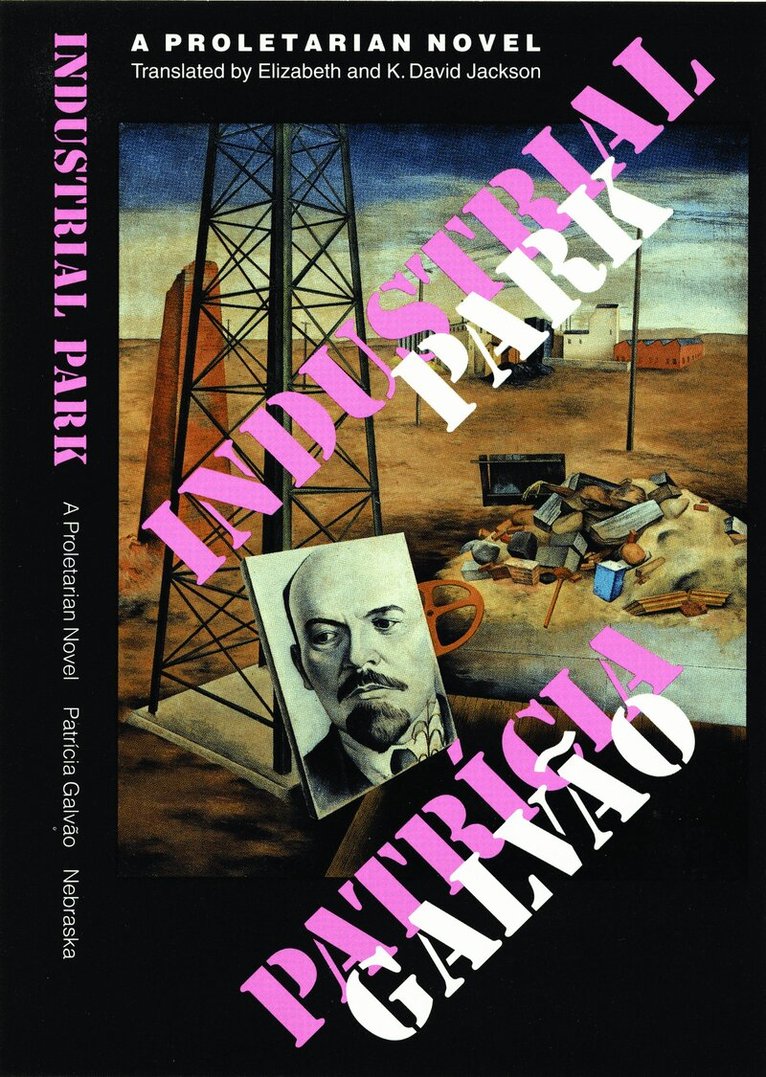
A member of Brazil's avant-garde in its heyday. Patrícia Galvão (or to use her nickname, Pagu) was extraordinary. Not only was her work among the most exciting and innovative published in the 1930s, it was unique in portraying an avant-garde woman's view of women in Sao Paulo during that audacious period. Industrial Park, first published in 1933, is Galvão's most notable literary achieve-ment. Like Döblin's portrayal of Berlin in Alexanderplatz or Biely's St Petersburg, it is a book about the voices, clashes, and traffic of a city in the middle of rapid change. It includes fragments of public documents as well as dialogue and narration, giving a panorama of the city in a sequence of colorful slices. The novel dramatizes the problems of exploitation, poverty, racial prejudice, prostitution, state repression, and neocolonialism, but it is by no means a doctrinaire tract. Galvão's ironic wit pervades the novel, aspiring not only to describe the teeming city but also to put art and politics in each other's service. Like many of her contemporaries Galvão was a member of the Brazilian Communist Party. She attracted Party criticism for her unorthodox behavior and outspokenness. A visit to Moscow in 1934 disenchanted her with the communist state, but she continued to militate for change upon returning to Brazil. She was imprisoned and tortured under the Vargas dictatorship between 1935 and 1940. In the 1940s she returned to the public through her journalism and literary activities. She died in 1962.
239 kr
Skickas inom 10-15 vardagar
Forbidden love was a forbidden topic. Decorum was everything—in society, where Catholicism dictated the terms, and in literature, where a code of decency governed writers and readers alike. To women were left the pale love stories that conducted appropriate partners in proper settings to socially acceptable outcomes. So it was in Latin America well into the twentieth century. The stories in this volume announce a dramatic change, a transformation of the literature of love in Latin America, and of the role—even the nature—of women in this most "feminine" literary tradition. These stories, by exciting new writers as well as by the renowned, are "violations" of the most exhilarating sort, flouting conventions of language, behavior, subject matter, and style to remake and widen our once-narrow view of the literary landscape of Latin America. Here women writers from Mexico and Brazil, Colombia and Argentina, Cuba, Peru, and Uruguay break social, religious, political, and sexual barriers in fiction that is by turns erotic, satirical, shocking, tragic—and always, in its remapping of literary boundaries, deeply and richly entertaining.
208 kr
Skickas inom 10-15 vardagar
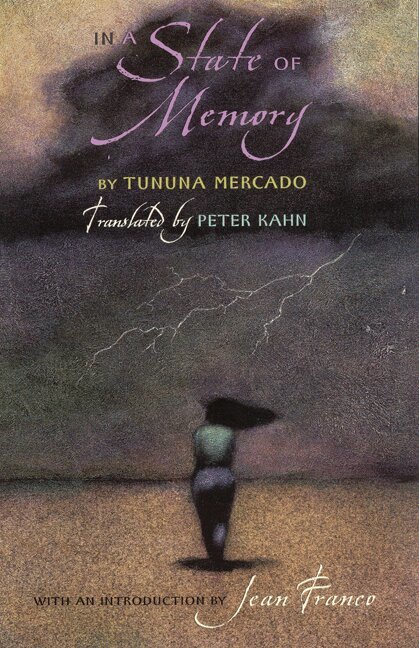
In a State of Memory is a novelistic memoir about exile, displacement, and return. Tununa Mercado explores the psychological and physical effects of the narrator's transition into a life in exile: the splintering of her identity, the difficulties of incorporating herself into a host culture, her physical illness, and the haunting memories of her past and the loved ones she left behind. In exile the narrator is constantly confronted with the vicariousness of her experiences—she wears secondhand clothes, buys secondhand furniture, and experiences other people's lives at second hand. After periods of exile in France and Mexico, she returns to Buenos Aires and finds it difficult to recognize the city, to attach memories to particular places. Through flashbacks, recollections, and short narratives, this story powerfully communicates an individual's experience of exile from an emotional and psychological perspective while at the same time linking the individual experience to the collective one. A well-known writer throughout Latin America and beyond, Tununa Mercado is a champion of literary style. Cautious, precise, and attentive to the rhythms of prose, her measured style is her hallmark. She lives in Buenos Aires. In a State of Memory is the first book-length English translation of Mercado's work.
208 kr
Skickas inom 10-15 vardagar
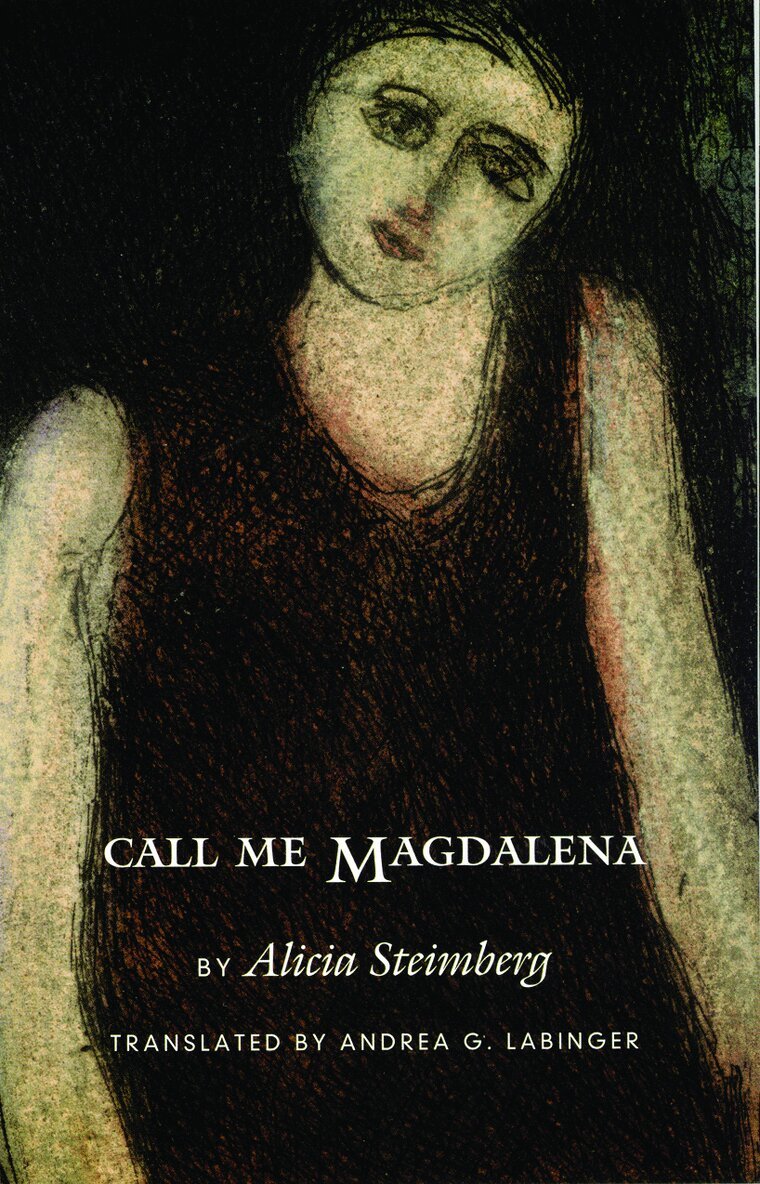
Erotic entanglements, startling revelations, a furtive intruder, even a possible murder? Not at all what the students of Mind Control class envisioned when they gathered on a ranch outside Buenos Aires for a relaxing weekend. But here nothing is quite what it seems, least of all Magdalena herself, who while recounting the weekend's events, changes her name as often as she changes her mind. Within the taut framework of a murder mystery, Alicia Steimberg weaves a tale far more concerned with who-is-it than with whodunit. In what is probably the celebrated author's most interesting and complex novel, Magdalena conducts us through her tortuous childhood as an Argentine Jew and through her doubts about morality and mortality, the existence of God, and the amorphous nature of identity. Animated by Steimberg's lively dialogue and wit, this eccentric tour of some of the more pressing questions about gender, identity, and existence itself is finally as intriguing and suspenseful as the mysteries large and small, otherworldly and mundane, that it invites us to contemplate.