Natalie Zemon Davis Annual Lectures Series - CEU Press - Böcker
Visar alla böcker i serien Natalie Zemon Davis Annual Lectures Series - CEU Press. Handla med fri frakt och snabb leverans.
14 produkter
14 produkter
292 kr
Skickas inom 10-15 vardagar
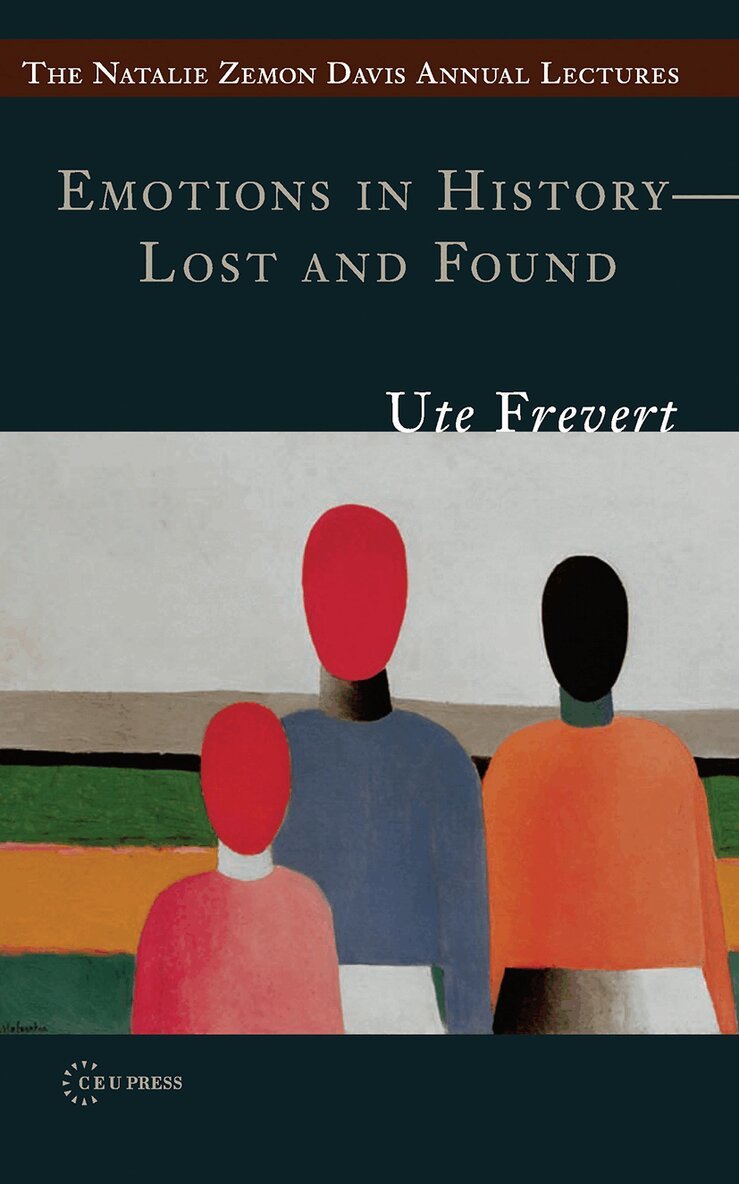
Coming to terms with emotions and how they influence human behaviour, seems to be of the utmost importance to societies that are obsessed with everything neuro. On the other hand, emotions have become an object of constant individual and social manipulation since emotional intelligence emerged as a buzzword of our times. Reflecting on this burgeoning interest in human emotions makes one think of how this interest developed and what fuelled it. From a historian's point of view, it can be traced back to classical antiquity. But it has undergone shifts and changes which can in turn shed light on social concepts of the self and its relation to other human beings (and nature). The volume focuses on the historicity of emotions and explores the processes that brought them to the fore of public interest and debate.
Divine Presence in Spain and Western Europe 1500-1960
Visions, Religious Images and Photographs
Häftad, Engelska, 2012
319 kr
Skickas inom 10-15 vardagar
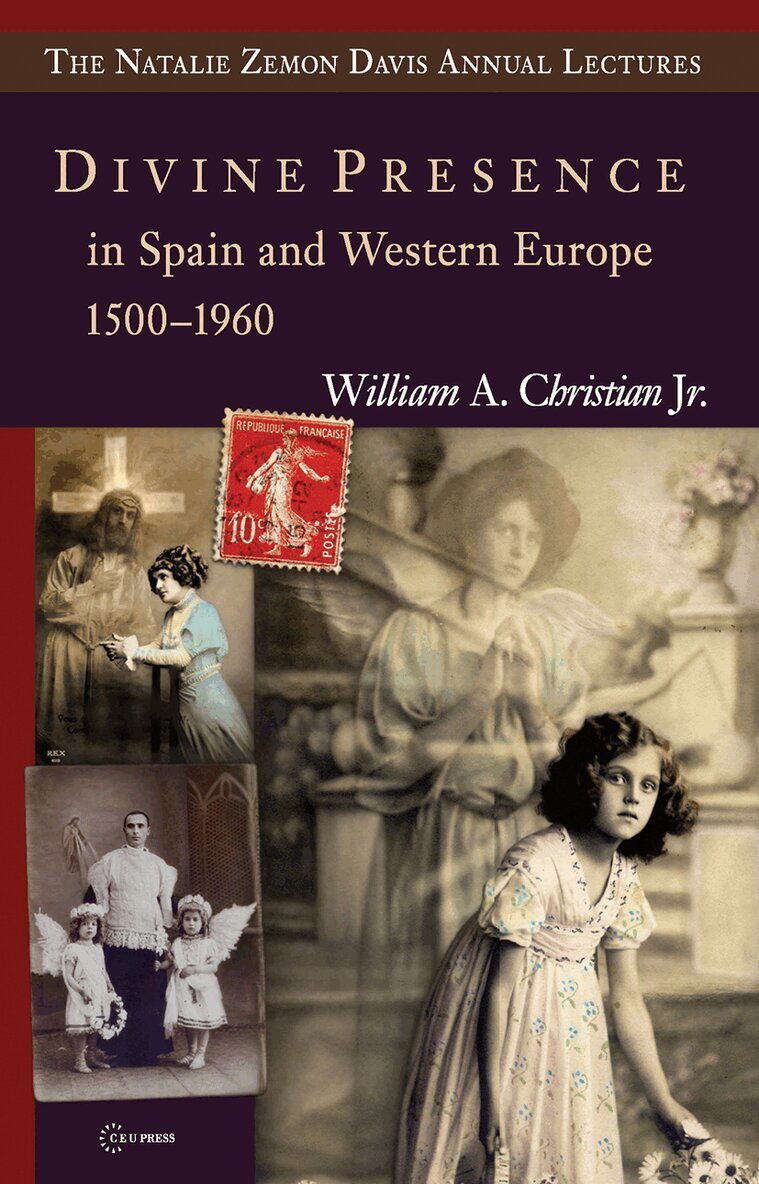
This study addresses the relation of people to divine beings in contemporary and historical communities, as exemplified in three strands. One is a long tradition of visions of mysterious wayfarers in rural Spain who bring otherworldly news and help, including recent examples. Another treats the seeming vivification of religious images—statues, paintings, engravings, and photographs apparently exuding blood, sweat and tears in Spanish homes and churches in the early modern period and the revival of the phenomenon throughout Europe in the twentieth century. Of special interest is the third strand of the book: the transposition of medieval and early modern representations of the relations between humans and the divine into the modern art of photography. Christian presents a pictorial examination of the phenomenon with a large number of religious images, commercial postcards and family photographs from the first half of past century Europe.
328 kr
Skickas inom 10-15 vardagar
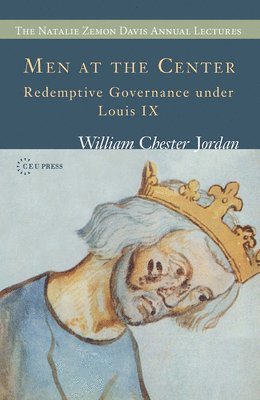
Taking Professor Natalie Zemon Davis’ fascinating biographical studies of three Women on the Margins in the seventeenth century as an inspiration, the author of this book offers three portraits of men who were at the very center of governance in thirteenth-century France, men who strove in the shadow of King Louis IX (Saint Louis) to impose a redemptive regime on the realm. Professor Jordan treats them as individuals, but in a sense they are also types: Robert of Sorbon, a churchman; Etienne Boileau, a bourgeois; and Simon de Nesle, an aristocrat. Robert was the founder of the Sorbonne; Boileau was the prévôt or royal administrator of Paris; and Simon was twice co-regent of the kingdom. Thinking about them and their relations with Louis IX opens up a new and altogether sobering vista for exploring the nature of the king’s rule and the impact of his rule on his subjects.
319 kr
Skickas inom 10-15 vardagar
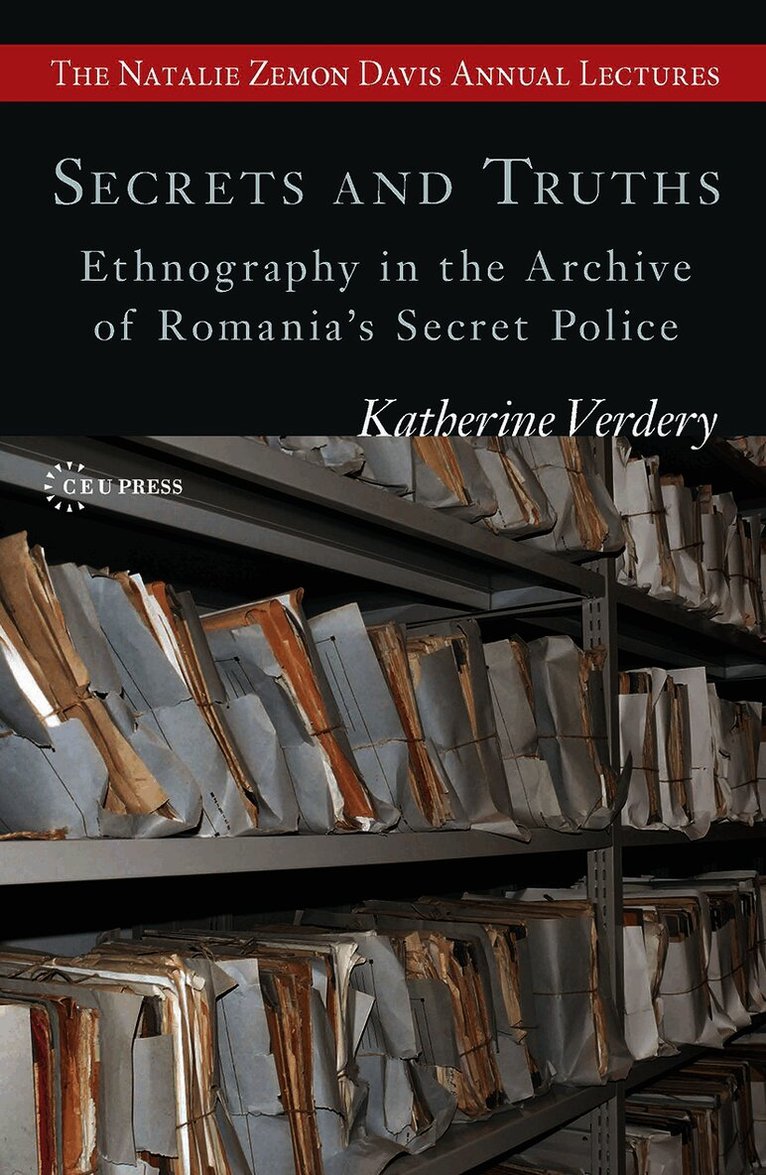
Nothing in Soviet-style communism was as shrouded in mystery as its secret police. Its paid employees were known to few and their actual numbers remain uncertain. Its informers and collaborators operated clandestinely under pseudonyms and met their officers in secret locations. Its files were inaccessible, even to most party members. The people the secret police recruited or interrogated were threatened so effectively that some never told even their spouses, and many have held their tongues to this day, long after the regimes fell.With the end of communism, many of the newly established governments—among them Romania's—opened their secret police archives. From those files, as well as her personal memories, the author has carried out historical ethnography of the Romanian Securitate. Secrets and Truths is not only of historical interest but has implications for understanding the rapidly developing security state of the neoliberal present.
300 kr
Skickas inom 10-15 vardagar
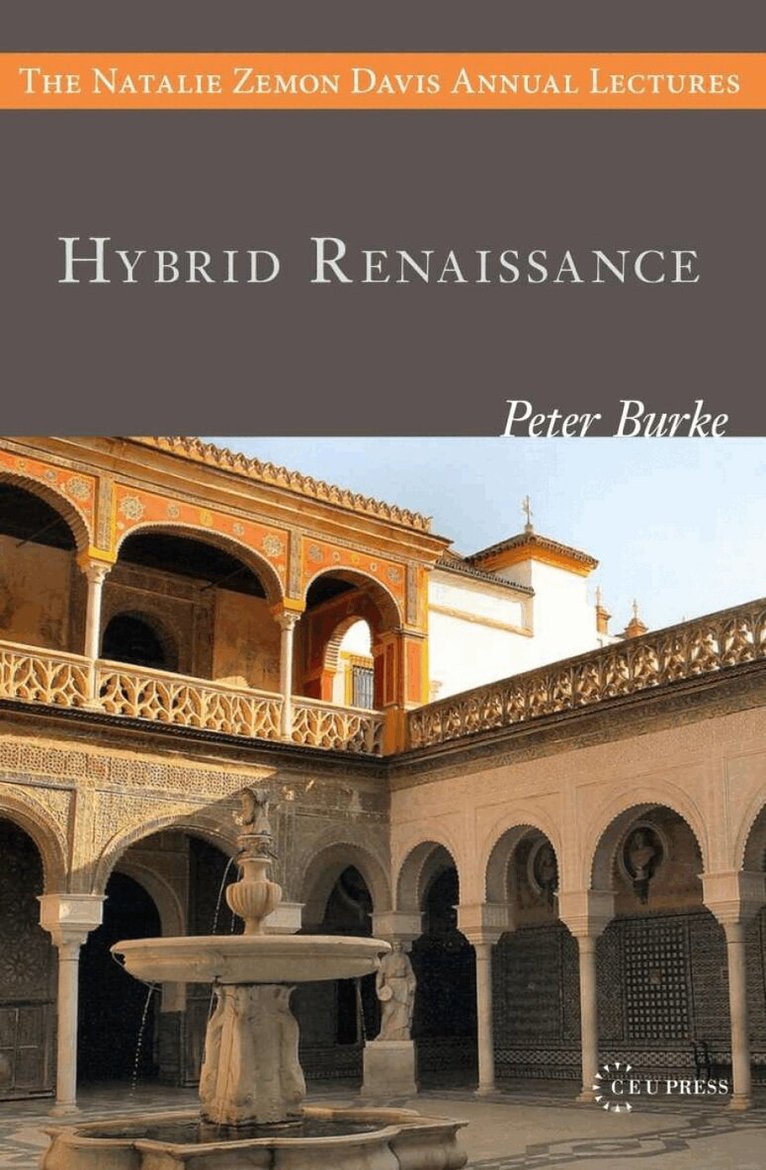
Hybrid Renaissance introduces the idea that the Renaissance in Italy, elsewhere in Europe, and in the world beyond Europe is an example of cultural hybridization.The two key concepts used in this book are “hybridization” and “Renaissance”. Roughly speaking, hybridity refers to something new that emerges from the combination of diverse older elements. (The term “hybridization” is preferable to “hybridity” because it refers to a process rather than to a state, and also because it encourages the writer and the readers alike to think in terms of degree: where there is more or less, rather than presence versus absence.)The book begins with a discussion of the concept of cultural hybridization and a cluster of other concepts related to it. Then comes a geography of cultural hybridization focusing on three locales: courts, major cities (whether ports or capitals) and frontiers. The following seven chapters describe the hybridity of the Renaissance in different fields: architecture, painting and sculpture, languages, literature, music, philosophy and law and finally religion. The essay concludes with a brief account of attempts to resist hybridization or to purify cultures or domains from what was already hybridized.
286 kr
Skickas inom 10-15 vardagar
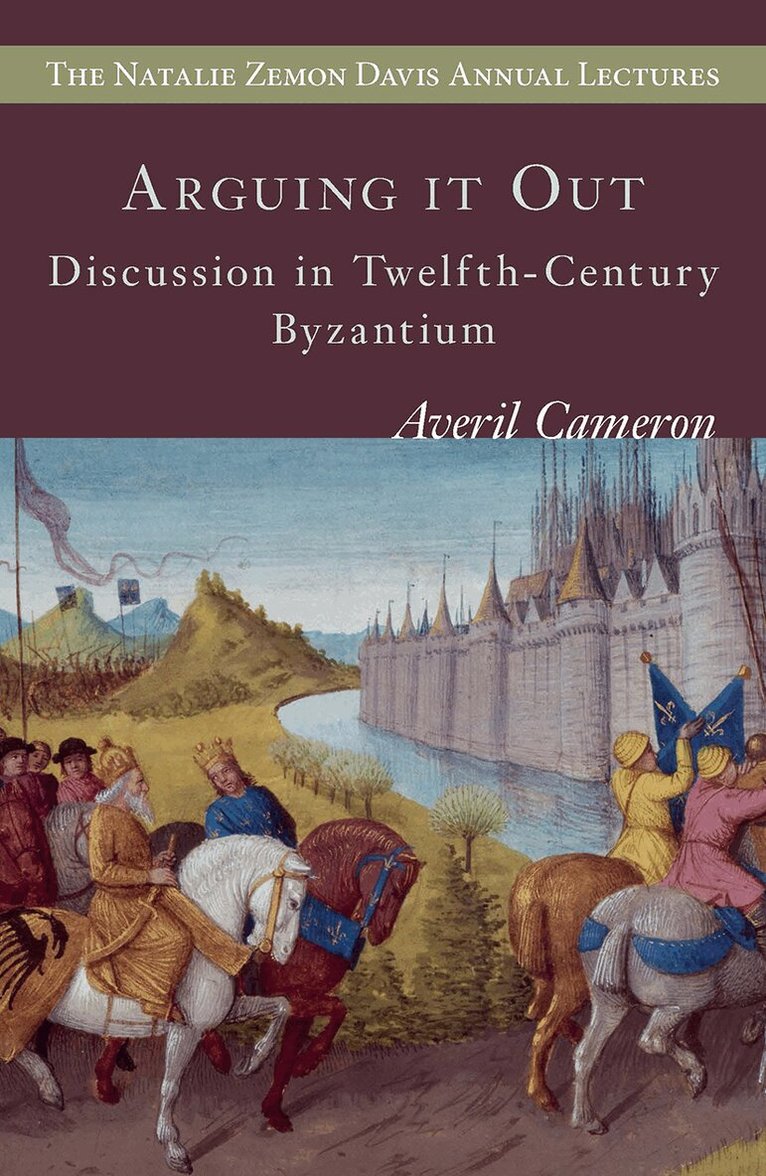
The long twelfth century, from the seizure of the throne by Alexius I Comnenus in 1081, to the sack of Constantinople by the Fourth Crusade in 1204, is a period recognized as fostering the most brilliant cultural development in Byzantine history, especially in its literary production. It was a time of intense creativity as well as of rising tensions, and one for which literary approaches are a lively area in current scholarship. This study focuses on the prose dialogues in Greek from this period—of very varying kinds—and on what they can tell us about the society and culture of an era when western Europe was itself developing a new culture of schools, universities, and scholars. Yet it was also the period in which Byzantium felt the fateful impact of the Crusades, which ended with the momentous sack of Constantinople in 1204. Despite revisionist attempts to play down the extent of this disaster, it was a blow from which, arguably, the Byzantines never fully recovered.
169 kr
Skickas inom 10-15 vardagar
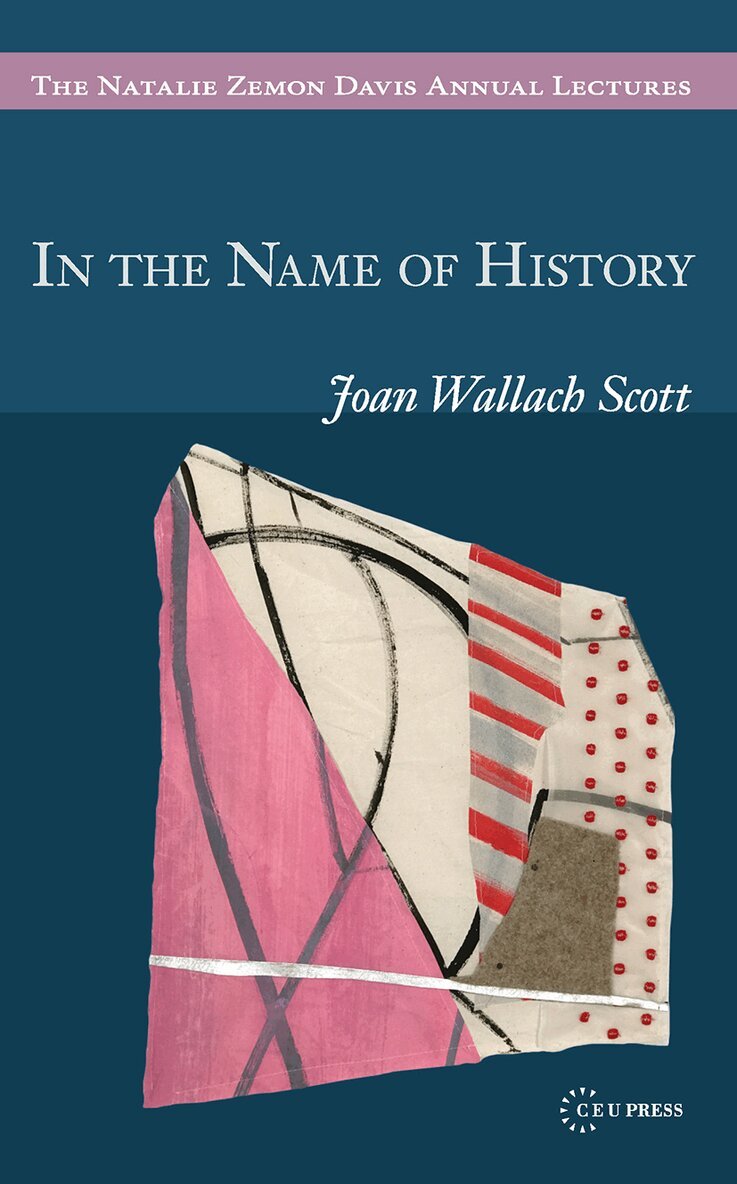
In this book Joan Wallach Scott discusses the role history has played as an arbiter of right and wrong and of those who claim to act in its name—in the name of history. Scott investigates three different instances in which repudiation of the past was conceived as a way to a better future: the International Military Tribunal at Nuremberg in 1946, the South African Truth and Reconciliation Commission in 1996, and the ongoing movement for reparations for slavery in the United States. Scott shows how in these cases history was not only used to explain the past but to produce a particular future. Yet both past and future were subject to the political realities of their time and defined in terms of moral absolutes, often leading to deep contradictions. These three instances demonstrate that history is not an impartial truth, rather its very meaning is constructed by those who act in its name.
188 kr
Skickas inom 10-15 vardagar
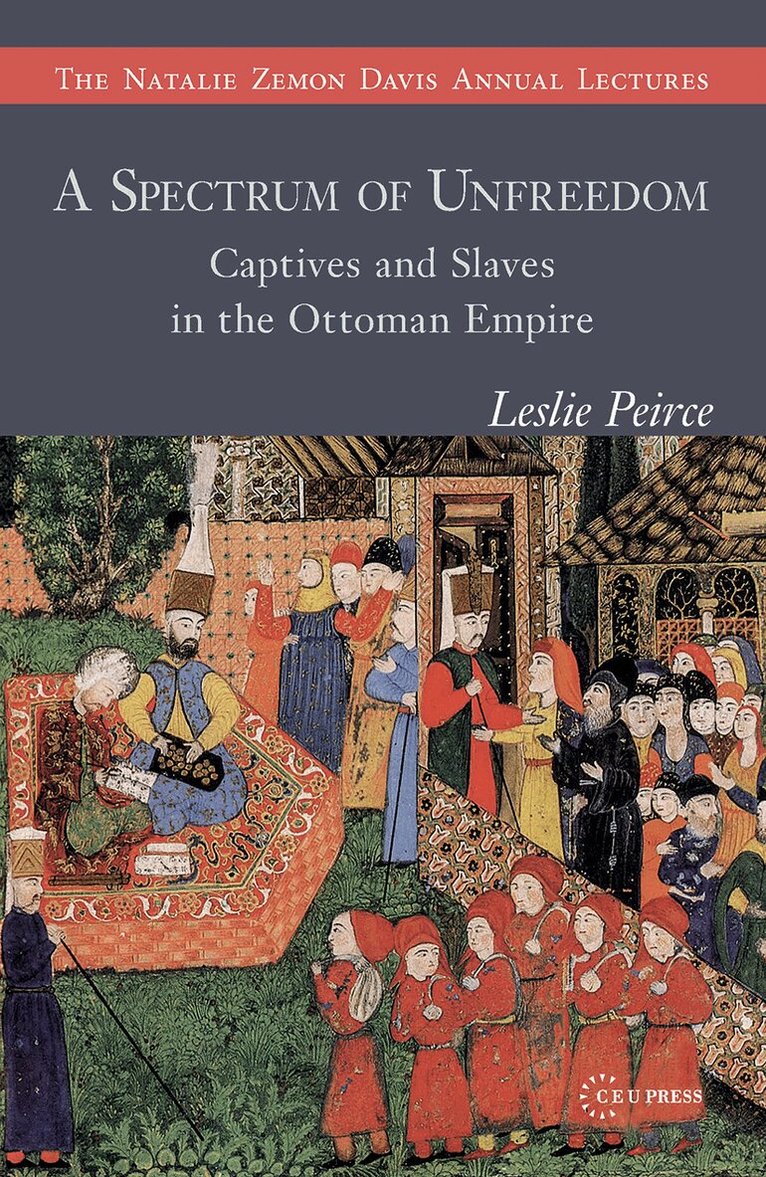
Without the labor of the captives and slaves, the Ottoman empire could not have attained and maintained its strength in early modern times. With Anatolia as the geographic focus, Leslie Peirce searches for the voices of the unfree, drawing on archives, histories written at the time, and legal texts.Unfree persons comprised two general populations: slaves and captives. Mostly household workers, slaves lived in a variety of circumstances, from squalor to luxury. Their duties varied with the status of their owner. Slave status might not last a lifetime, as Islamic law and Ottoman practice endorsed freeing one’s slave.Captives were typically seized in raids, generally to disappear, their fates unknown. Victims rarely returned home, despite efforts of their families and neighbors to recover them. The reader learns what it was about the Ottoman environment of the sixteenth and seventeenth centuries that offered some captives the opportunity to improve the conditions of their bondage. The book describes imperial efforts to fight against the menace of captive-taking despite the widespread corruption among the state’s own officials, who had their own interest in captive labor.From the fortunes of captives and slaves the book moves to their representation in legend, historical literature, and law, where, fortunately, both captors and their prey are present.
169 kr
Skickas inom 10-15 vardagar
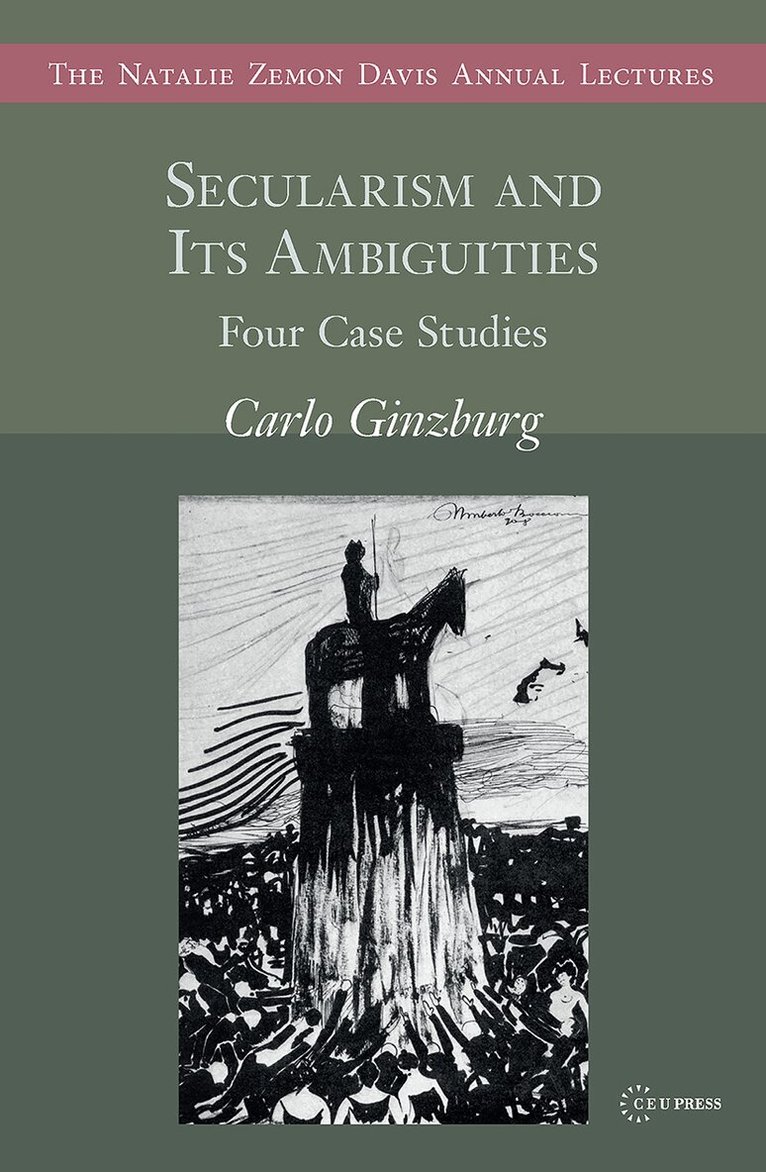
In the best micro-historical tradition, Carlo Ginzburg, himself one of the founders and icons of this genre of historiography, dissects four moments of European intellectual history. This book relives the experience that participants in the Natalie Zemon Davis Lecture Series at the Budapest campus of Central European University had in 2019 listening to Ginzburg's eloquent and engaging discourses. For the purposes of this volume he has re-edited and completed the leporello of cases charged with the inherent ambiguity between secularism and religions.Secularism is often identified with rejection or at least distancing from the sacred. However, if one assumes that secularism also appropriates and reworks the sacred, its ambiguities come to the fore. The dilemma accompanies the reception of La Boétie's Servitude volontaire between 1574 and today. Before Walter Benjamin, the lesser-known 19th-century Léon de Laborde defended the profanity of reproducing the arts. The tension around the secular pervades the case of the College de Sociologie (Paris, 1937-1939), an attempt to analyze the ideological components of fascism. The fourth lecture approaches a much-discussed contemporary phenomenon – fake news – from a long-term perspective. To what extent are some disturbing features of the world we live in the result of a long, tortuous, unpredictable trajectory?
237 kr
Skickas inom 10-15 vardagar
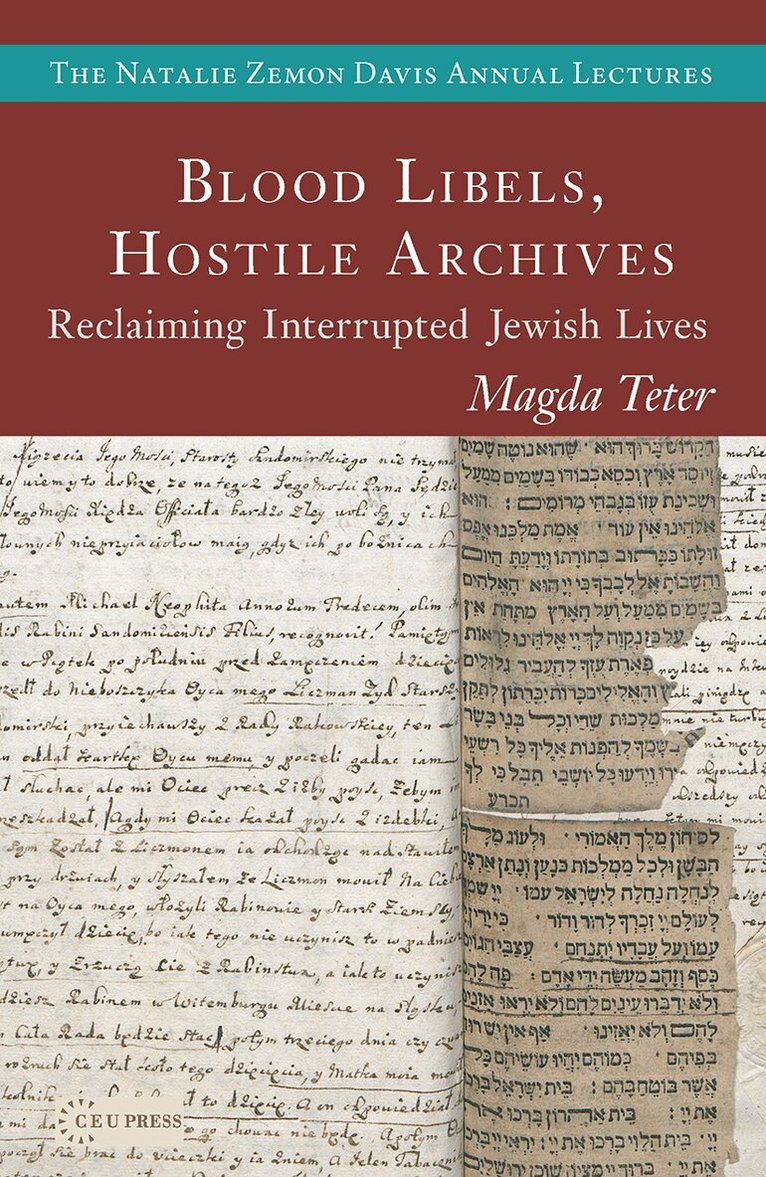
As a minority group for most of their history, Jews were often marginalized and persecuted. Traces of their lives can be found in the archives of the dominant societies, but only as they intersected with the concerns of those in power. Just as Natalie Zemon Davis, Emmanuel Le Roy Ladurie, Carlo Ginzburg, and others recovered the voices of the peasants, so, too, scholars of Jewish history and culture have productively mined these reservoirs of evidence to retrieve glimpses of the ordinary lives of Jews. Blood Libels, Hostile Archives explores what can be reclaimed about everyday lives from what can be called “hostile archives”—from archival evidence produced and collected explicitly to manufacture malicious tales and pass them as “facts.” For Jewish history, in some places, these archival sources may be the only remaining records documenting the lives of Jews there. The book explores two places: Trent, in northern Italy, and Sandomierz, in eastern Poland. Though hundreds of miles away, the towns have many things in common: both had been sites of anti-Jewish libels falsely accusing Jews of killing Christian children, Trent in 1475 and Sandomierz twice—in 1698 and 1710; in both, the instigators of the Jews’ persecution left unique and extensive archives, both towns have physical remnants of these deadly affairs, and, finally, neither town has an existing Jewish population. Yet, centuries later, these anti-Jewish libels have not been relegated to the past; in both towns, their legacies still reverberate today.
286 kr
Skickas inom 10-15 vardagar
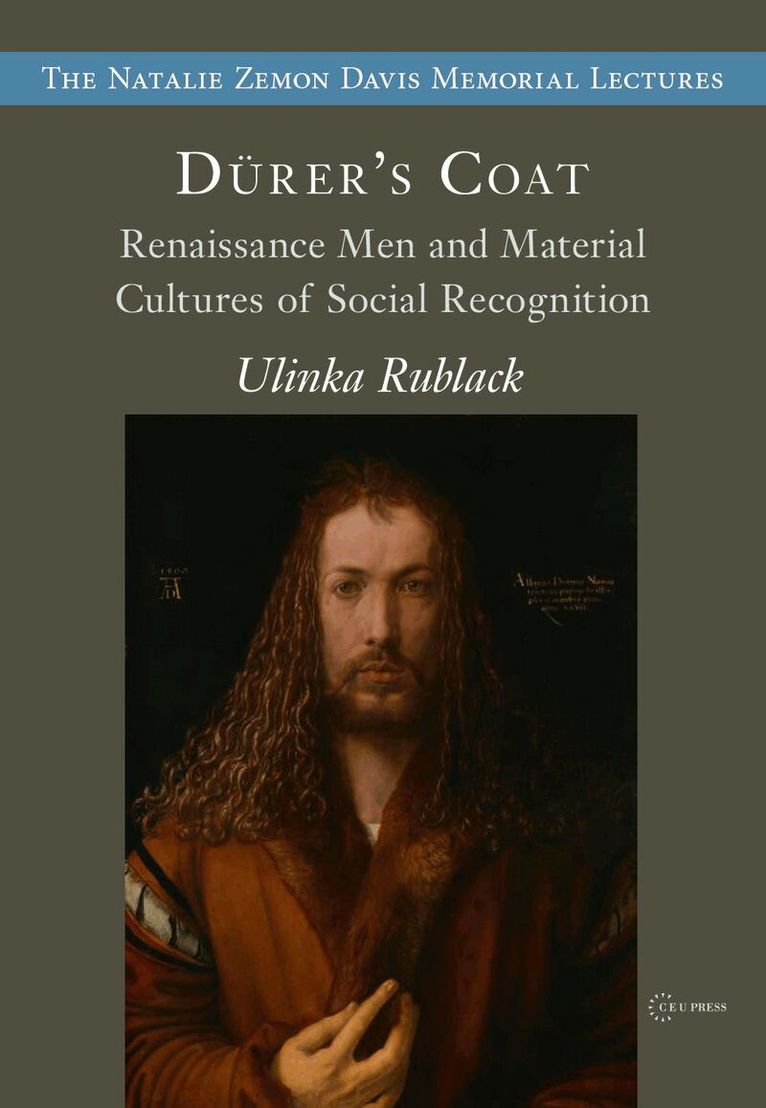
During the Renaissance, clothing became more and more elaborately decorated and expensive. It often emphasised the privilege of the male elite. Yet clothing could also subvert or reshape conventional cultural norms. Ulinka Rublack argues that cloaks and gowns gained in importance during this period and were among the things that mediated social relationships for centuries to come. An investigation into outerwear opens a new window into how people and things were connected in the Renaissance and how important clothing was in shaping subjectivities in everyday life. Using the example of Dürer and his wife as emerging social types, the study follows the artist and the men and women of his time through the streets of Venice, Nuremberg, Augsburg and Antwerp.
300 kr
Skickas inom 10-15 vardagar
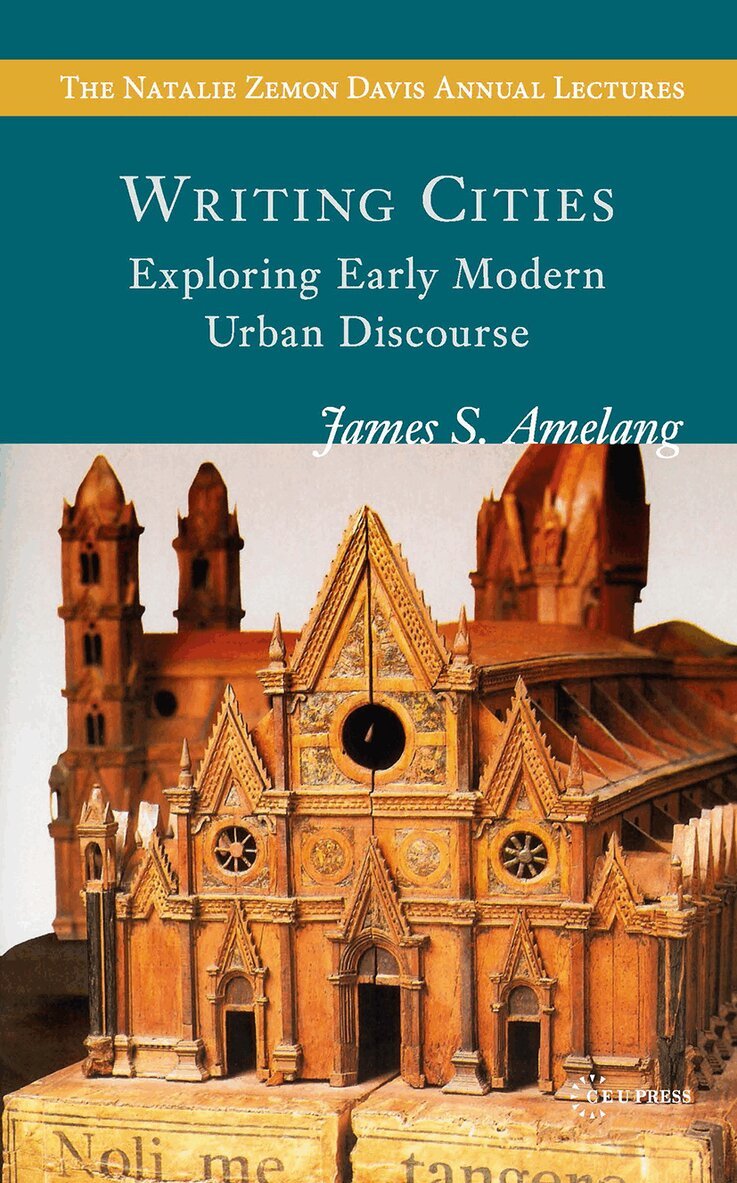
Only one out of ten early modern Europeans lived in cities. Yet cities were crucial nodes, joining together producers and consumers, rulers and ruled, and believers in diverse faiths and futures. They also generated an enormous amount of writing, much of which focused on civic life itself. But despite its obvious importance, historians have paid surprisingly little attention to urban discourse; its forms, themes, emphases and silences all invite further study. This book explores three dimensions of early modern citizens’ writing about their cities: the diverse social backgrounds of the men and women who contributed to urban discourse; their notions of what made for a beautiful city; and their use of dialogue as a literary vehicle particularly apt for expressing city life and culture. Amelang concludes that early modern urban discourse increasingly moves from oral discussion to take the form of writing. And while the dominant tone of those who wrote about cities continued to be one of celebration and glorification, over time a more detached and less judgmental mode developed. More and more they came to see their fundamental task as presenting a description that was objective.
169 kr
Skickas inom 10-15 vardagar
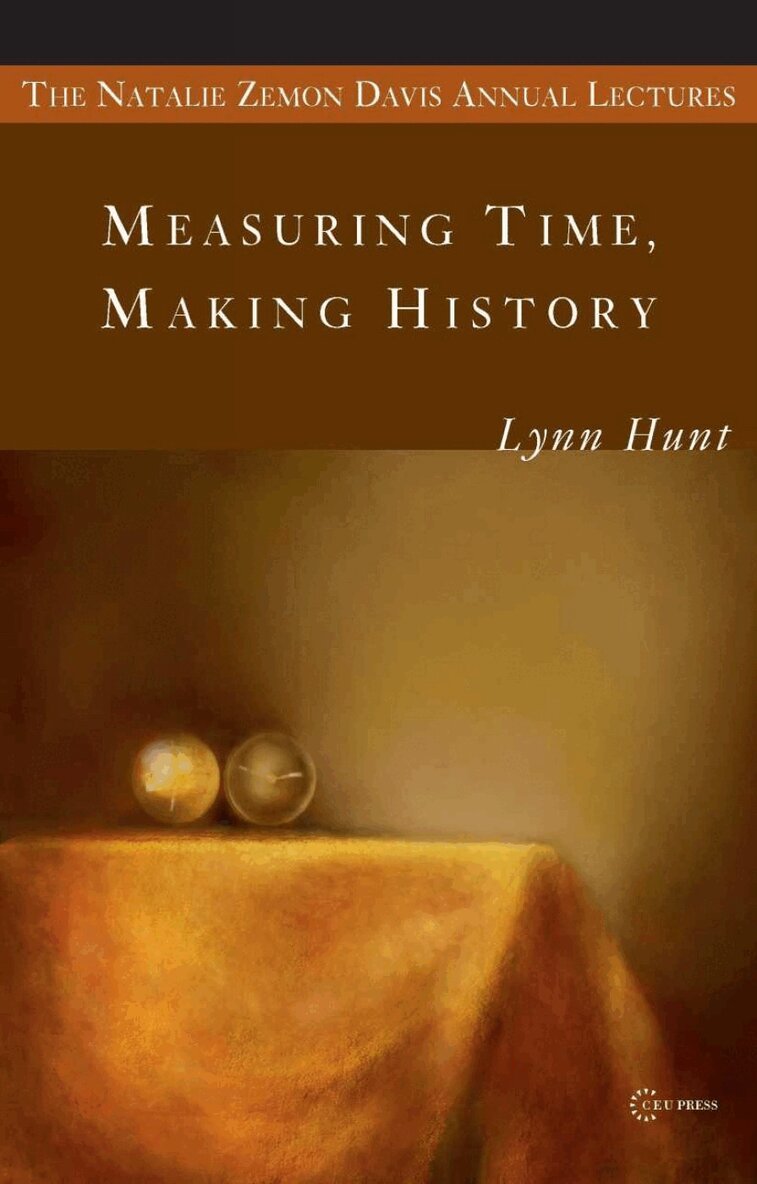
Time is the crucial ingredient in history, and yet historians rarely talk about time as such. These essays offer new insight into the development of modern conceptions of time, from the Christian dating system (BC/AD or BCE/CE) to the idea of "modernity" as a new epoch in human history.
169 kr
Skickas inom 10-15 vardagar
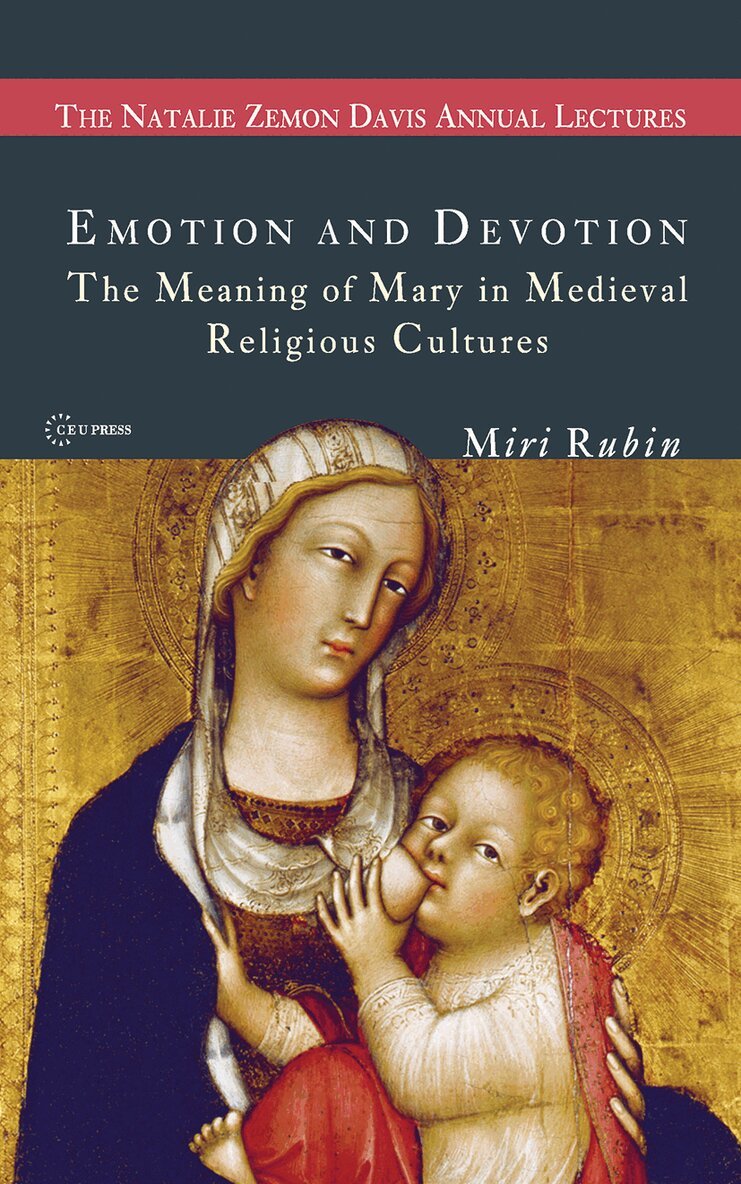
In Emotion and Devotion Miri Rubin explores the craft of the historian through a series of studies of medieval religious cultures. In three original chapters she approaches the medieval figure of the Virgin Mary with the aim of unravelling meaning and experience. Hymns and miracle tales, altarpieces and sermons – a wide range of sources from many European regions – are made to reveal the creativity and richness which they elicited in medieval people, women and men, clergy and laity, people of status and riches as well as those of modest means.