Nature and Environment in the Middle Ages - Böcker
Visar alla böcker i serien Nature and Environment in the Middle Ages. Handla med fri frakt och snabb leverans.
12 produkter
12 produkter
634 kr
Skickas inom 7-10 vardagar
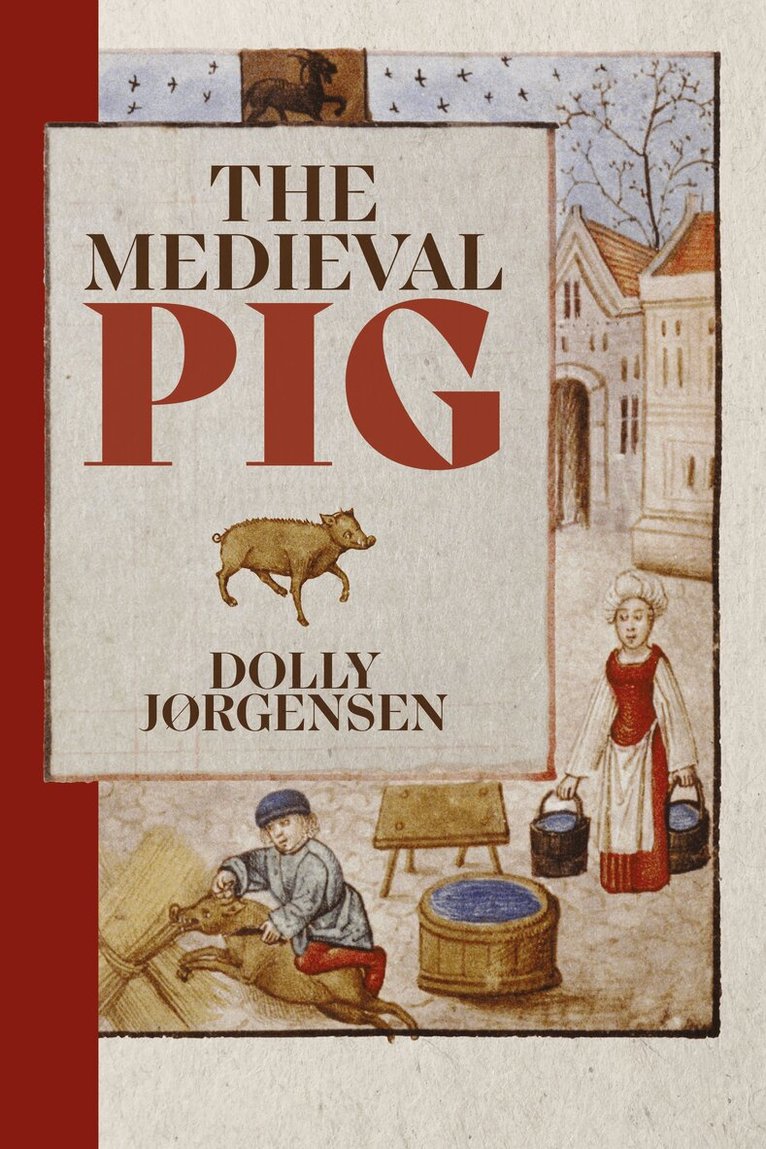
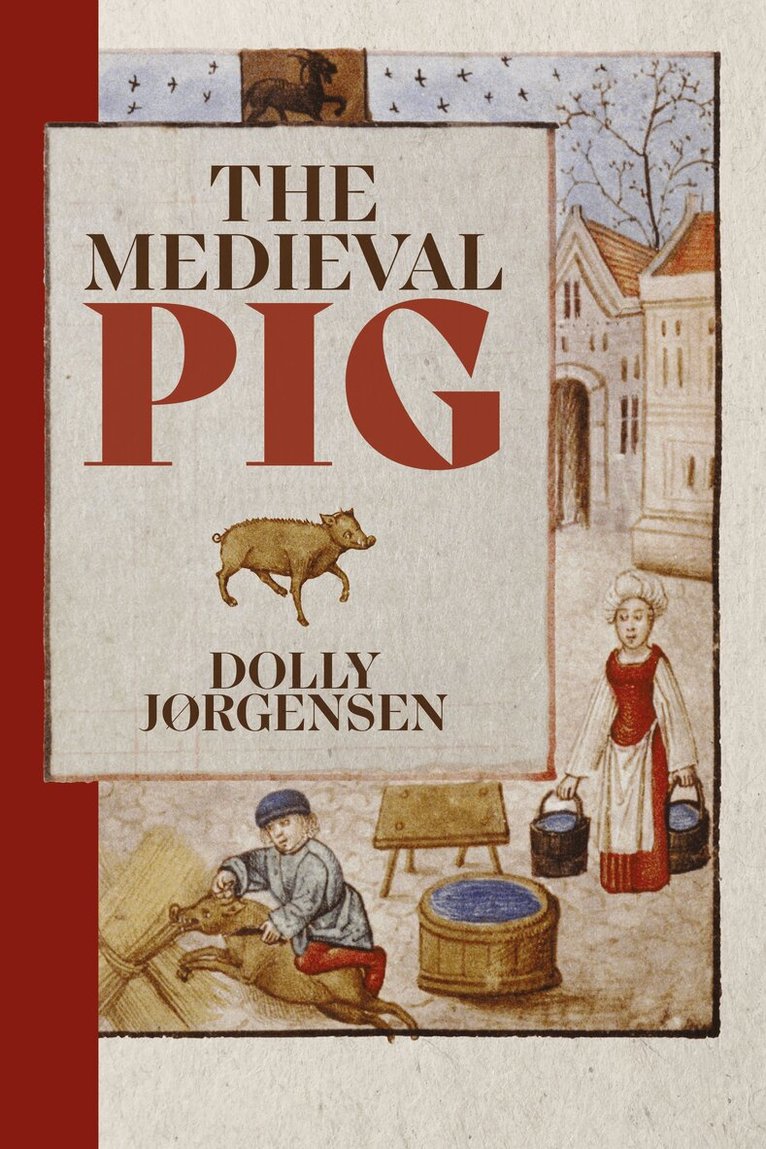
Examines the role of the pig in medieval society in material and textual sources.The pig was a common sight in the Middle Ages. They might be eating under an oak tree, or out in a field. They might be in the street, with the swineherd close behind at their heels. They might be dismembered, for sale by a butcher. They might be represented on misericords, in a church or cathedral, dancing, playing the bagpipes, or suckling people. Pigs were in all these places. But what was the pig's place? This book considers pigs in medieval Europe from a number of angles: whether part of the countryside, the cityscape, on the plate or in the mind. Drawing on a rich wealth of sources, both textual and material, it examines in particular the paradoxes that the pig presented: both good and bad, fecund/fornicator, noble/filthy. It uncovers the pig's numerous roles in medieval society, how pigs shaped human life, and how humans shaped theirs.
286 kr
Skickas inom 7-10 vardagar
Examines the role of the pig in medieval society in material and textual sources.The pig was a common sight in the Middle Ages. They might be eating under an oak tree, or out in a field. They might be in the street, with the swineherd close behind at their heels. They might be dismembered, for sale by a butcher. They might be represented on misericords, in a church or cathedral, dancing, playing the bagpipes, or suckling people. Pigs were in all these places. But what was the pig's place? This book considers pigs in medieval Europe from a number of angles: whether part of the countryside, the cityscape, on the plate or in the mind. Drawing on a rich wealth of sources, both textual and material, it examines in particular the paradoxes that the pig presented: both good and bad, fecund/fornicator, noble/filthy. It uncovers the pig's numerous roles in medieval society, how pigs shaped human life, and how humans shaped theirs.
Del 1 - Nature and Environment in the Middle Ages
Natural World in the Exeter Book Riddles
Inbunden, Engelska, 2017
1 197 kr
Skickas inom 7-10 vardagar
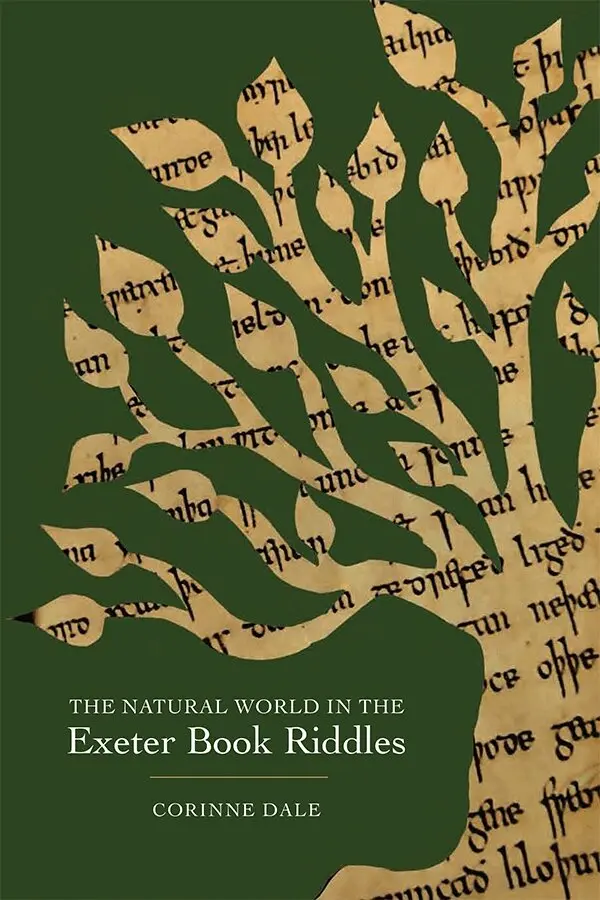
An investigation of the non-human world in the Exeter Book riddles, drawing on the exciting new approaches of eco-criticism and eco-theology.Humanity is a dominant presence in the Exeter Book riddle collection. It is frequently shown using, shaping and binding the physical world in which it lives. The riddles depict master and craftsman and use the familiar human worldas a point of orientation within a vast, overwhelming cosmos. But the riddles also offer an eco-centric perspective, one that considers the natural origins of man-made products and the personal plight of useful human resources.This study offers fresh insights into the collection, investigating humanity's interaction with, and attitudes towards, the rest of the created world. Drawing on the principles of eco-criticism and eco-theology, the study considers the cultural and biblical influences on the depiction of nature in the collection, arguing that the texts engage with post-lapsarian issues of exploitation, suffering and mastery. Depictions of marginalised perspectives ofsentient and non-sentient beings, such as trees, ore and oxen, are not just characteristic of the riddle genre, but are actively used to explore the point of view of the natural world and the impact humanity has on its non-human inhabitants. The author not only explores the riddles' resistance to anthropocentrism, but challenges our own tendency to read these enigmas from a human-centred perspective.Corinne Dale gained her PhD from Royal Holloway, University of London.
Del 2 - Nature and Environment in the Middle Ages
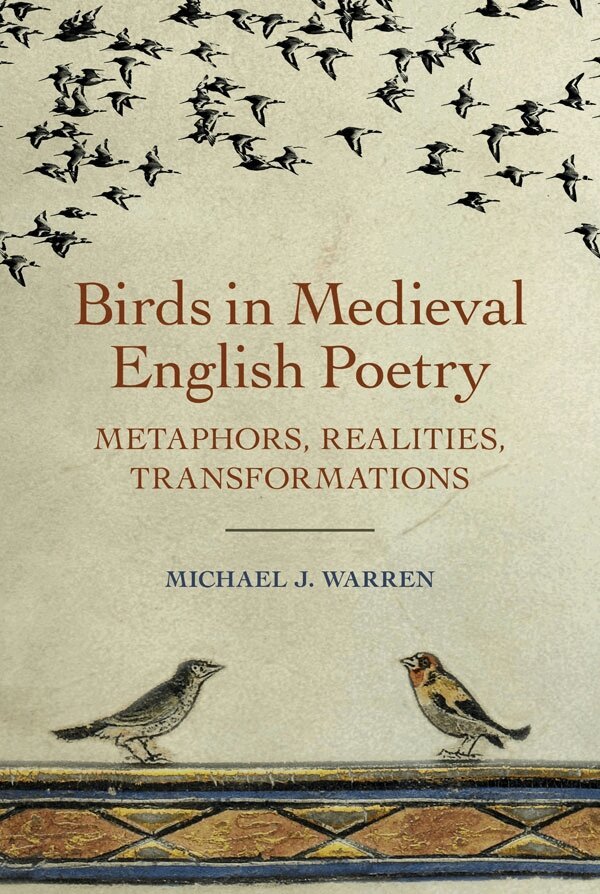
Birds in Medieval English Poetry
Metaphors, Realities, Transformations
Inbunden, Engelska, 2018
1 337 kr
Skickas inom 7-10 vardagar
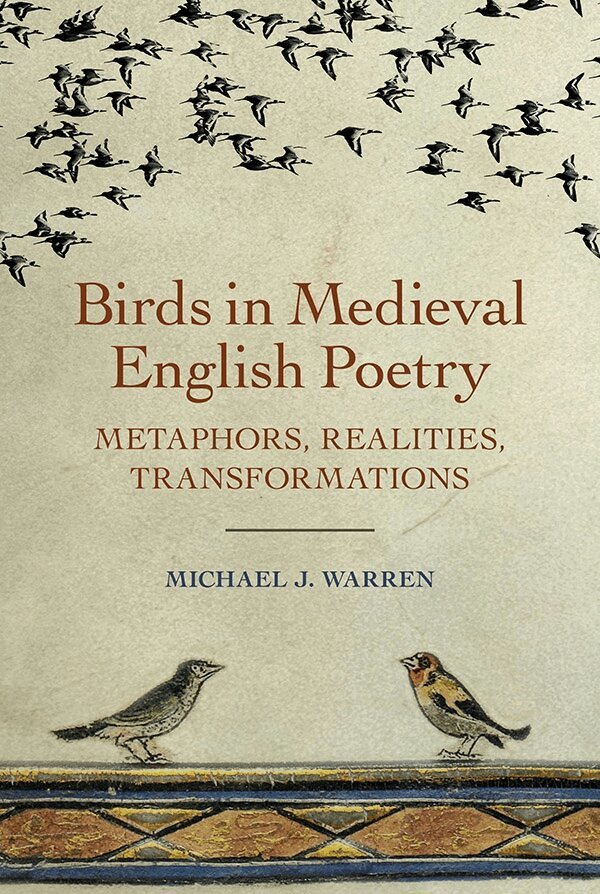
First full-length study of birds and their metamorphoses as treated in a wide range of medieval poetry, from the Anglo-Saxons to Chaucer and Gower.Birds featured in many aspects of medieval people's lives, not least in their poetry. But despite their familiar presence in literary culture, it is still often assumed that these representations have little to do with the real natural world. By attending to the ways in which birds were actually observed and experienced, this book aims to offer new perspectives on how and why they were meaningful in five major poems -- The Seafarer, the Exeter Book Riddles, The Owl and the Nightingale, The Parliament of Fowls and Confessio Amantis. In a consideration of sources from Isidore of Seville and Anglo-Saxon place-names to animal-sound word lists and Bartholomew the Englishman, the author shows how ornithological truth and knowledge are integral to our understandings of his chosen poems. Birds, he argues, are relevant to the medieval mind because their unique properties align them with important religious and secular themes: seabirds that inspire the forlorn Anglo-Saxon pilgrim; unnamed species that confound riddling taxonomies; a belligerent owl who speaks out against unflattering literary portraits. In these poems, human actions and perceptions are deeply affected by the remarkable flights and voices of birds.MICHAEL J. WARREN is currently Visiting Lecturer at Royal Holloway University, where he gained his PhD.
Del 3 - Nature and Environment in the Middle Ages
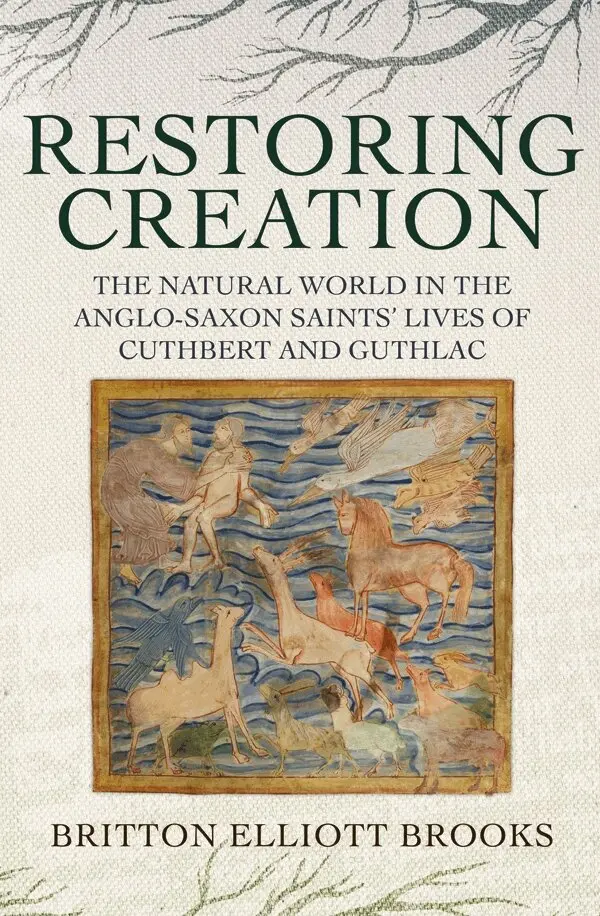
Restoring Creation: The Natural World in the Anglo-Saxon Saints' Lives of Cuthbert and Guthlac
Inbunden, Engelska, 2019
1 356 kr
Skickas inom 10-15 vardagar
An investigation into two important Saints Lives provides a window into the Anglo-Saxon perception of the non-human world.The question of the relationship between humanity and the non-human world may seem a modern phenomenon; but in fact, even in the early medieval period people actively reflected on their own engagement with the non-human world, with such reflections profoundly shaping their literature. This book reveals how the Anglo-Saxons themselves conceptualised the relationship, using the Saints Lives of Cuthbert and Guthlac as a prism. Each saint is fundamentally linked to a specific and recognisable location in the English landscape: Lindisfarne and Farne for Cuthbert, and the East Anglian fens and the island of Crowland for Guthlac. These landscapes of the mind were defined by the theological and philosophical perspectives of their authors and audiences. The world in all its wonder was Creation, shaped by God. When humanity fell in Eden, its relationship to this world was transformed: cold now bites, fire burns, andwolves attack. In these Lives, however, saints, the holy epitome of humanity, are shown to restore the human relationship with Creation, as in the sea-otters warming Cuthbert's frozen feet, or birds and fish gathering to Guthlac like sheep to their shepherd. BRITTON ELLIOTT BROOKS is Project Assistant Professor at the University of Tokyo, Centre for Global Communication Strategies.
Del 2 - Nature and Environment in the Middle Ages
Birds in Medieval English Poetry
Metaphors, Realities, Transformations
Häftad, Engelska, 2021
386 kr
Skickas inom 7-10 vardagar
First full-length study of birds and their metamorphoses as treated in a wide range of medieval poetry, from the Anglo-Saxons to Chaucer and Gower.Birds featured in many aspects of medieval people's lives, not least in their poetry. But despite their familiar presence in literary culture, it is still often assumed that these representations have little to do with the real natural world. By attending to the ways in which birds were actually observed and experienced, this book aims to offer new perspectives on how and why they were meaningful in five major poems -- The Seafarer, the Exeter Book Riddles, The Owl and the Nightingale, The Parliament of Fowls and Confessio Amantis. In a consideration of sources from Isidore of Seville and Anglo-Saxon place-names to animal-sound word lists and Bartholomew the Englishman, the author shows how ornithological truth and knowledge are integral to our understandings of his chosen poems. Birds, he argues, are relevant to the medieval mind because their unique properties align them with important religious and secular themes: seabirds that inspire the forlorn Anglo-Saxon pilgrim; unnamed species that confound riddling taxonomies; a belligerent owl who speaks out against unflattering literary portraits. In these poems, human actions and perceptions are deeply affected by the remarkable flights and voices of birds.
Del 4 - Nature and Environment in the Middle Ages
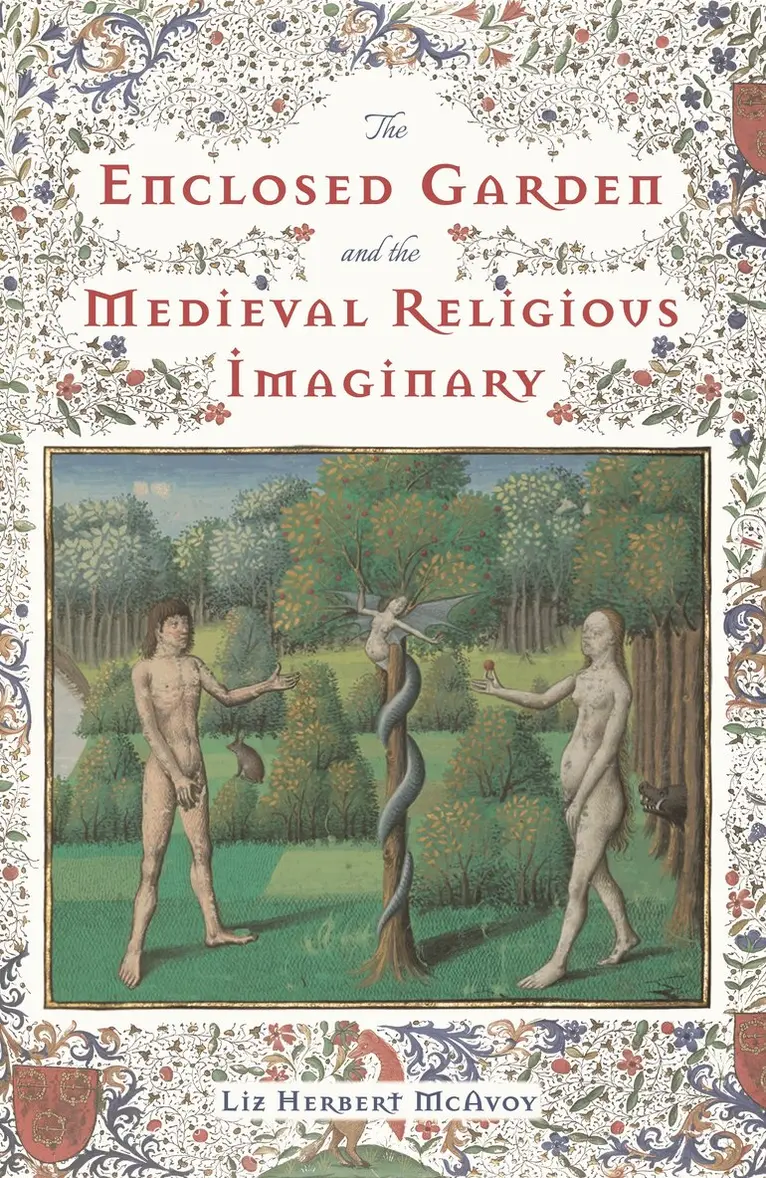
Enclosed Garden and the Medieval Religious Imaginary
Inbunden, Engelska, 2021
1 617 kr
Skickas inom 7-10 vardagar
During the Middle Ages, the arresting motif of the walled garden - especially in its manifestation as a sacred or love-inflected hortus conclusus - was a common literary device.During the Middle Ages, the arresting motif of the walled garden - especially in its manifestation as a sacred or love-inflected hortus conclusus - was a common literary device. Usually associated with the Virgin Mary or the Lady of popular romance, it appeared in myriad literary and iconographic forms, largely for its aesthetic, decorative and symbolic qualities.This study focuses on the more complex metaphysical functions and meanings attached to it between 1100 and 1400 - and, in particular, those associated with the gardens of Eden and the Song of Songs. Drawing on contemporary theories of gender, gardens, landscape and space, it traces specifically the resurfacing and reworking of the idea and image of the enclosed garden within the writings of medieval holy women and other female-coded texts. In so doing, it presents the enclosed garden as generator of a powerfully gendered hermeneutic imprint within the medieval religious imaginary - indeed, as an alternative "language" used to articulate those highly complex female-coded approaches to God that came to dominate late-medieval religiosity.The book also responds to the "eco-turn" in our own troubled times that attempts to return the non-human to the centre of public and private discourse. The texts under scrutiny therefore invite responses as both literary and "garden" spaces where form often reflects content, and where their authors are also diligent "gardeners": the apocryphal Lives of Adam and Eve, for example; the horticulturally-inflected Hortus Deliciarum of Herrad of Hohenburg and the "green" philosophies of Hildegard of Bingen's Scivias; the visionary writings of Gertrude the Great and Mechthild of Hackeborn collaborating within their Helfta nunnery; the Middle English poem, Pearl; and multiple reworkings of the deeply problematic and increasingly sexualized garden enclosing the biblical figure of Susanna.
Del 5 - Nature and Environment in the Middle Ages
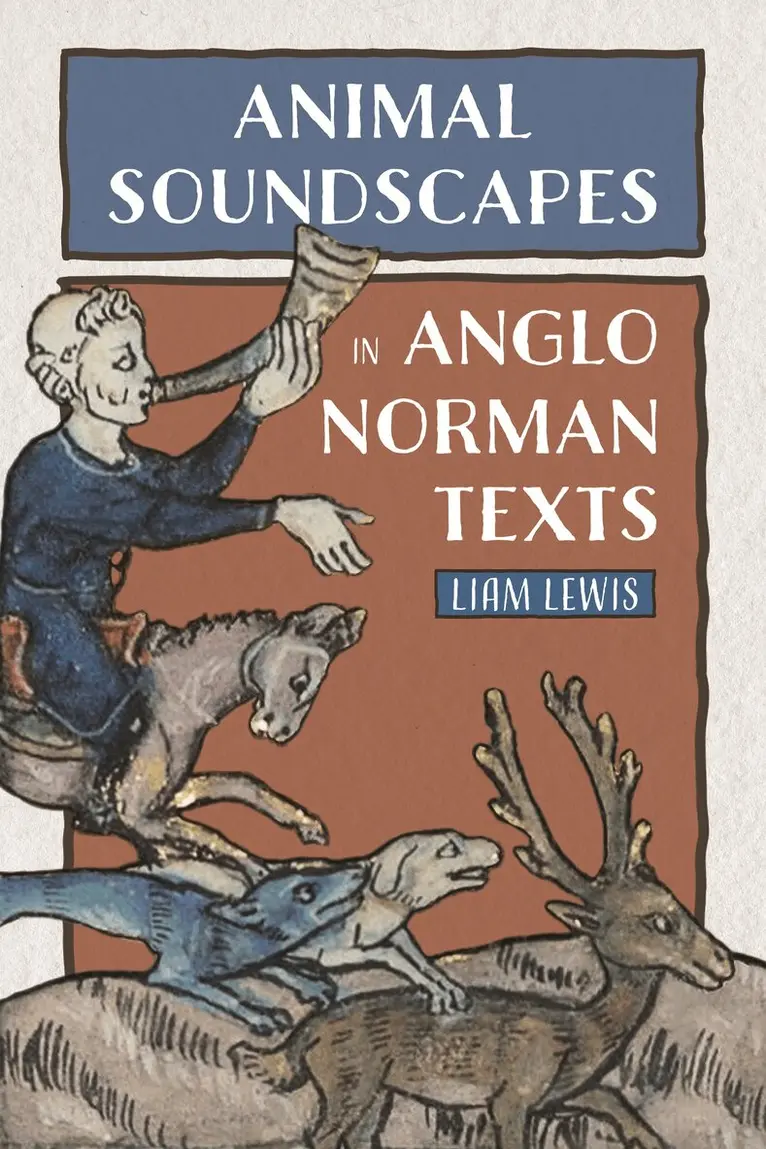
Animal Soundscapes in Anglo-Norman Texts
Inbunden, Engelska, 2022
1 197 kr
Skickas inom 7-10 vardagar
A redefinition of the animal's relationship to sound and language in French texts from medieval England.The barks, hoots and howls of animals and birds pierce through the experience of medieval texts. In captivating episodes of communication between species, a mandrake shrieks when uprooted from the ground, a saint preaches to the animals, and a cuckoo causes turmoil at the parliament of birds with his familiar call. This book considers a range of such episodes in Old French verse texts, including bestiaries, treatises on language, the Life of Saint Francis of Assisi and the Fables by Marie de France, aiming to reconceptualize and reinterpret animal soundscapes. It argues that they draw on sound to produce competing perspectives, forms of life, and linguistic subjectivities, suggesting that humans owe more to animal sounds than we are disposed to believe. Texts inviting readers to listen and learn animal noises, to seek spiritual consolation in the jargon of birds, or to identify with the speaking wolf, create the conditions for an assertion of human exceptionalism even as they simultaneously invite readers to question such forms of control. By asking what it means for an animal to cry, make noise, or speak in French, this book provides an important resource for theorizing sound and animality in multilingual medieval contexts, and for understanding the animal's role in the interpretation of the natural world.
Del 6 - Nature and Environment in the Middle Ages
Wolves in Beowulf and Other Old English Texts
Inbunden, Engelska, 2022
1 337 kr
Skickas inom 7-10 vardagar
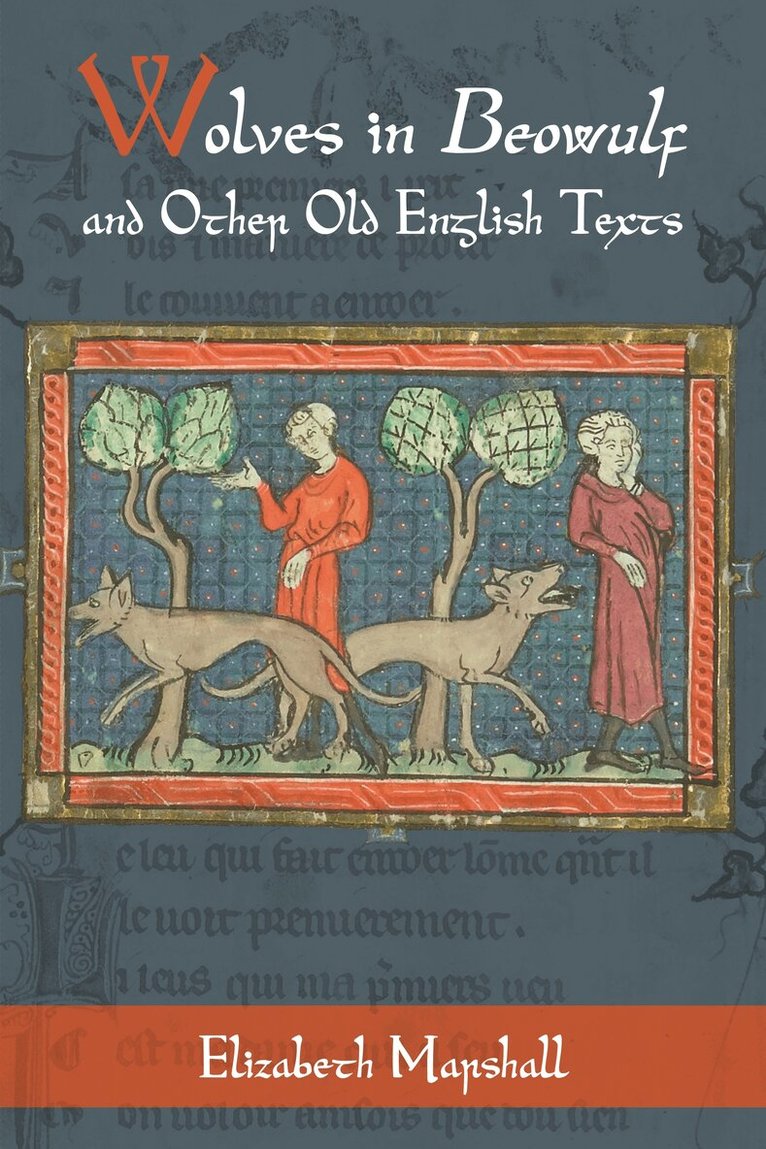
A fresh and sympathetic investigation of the depiction of wolves in early medieval literature, recuperating their reputation.The best-known wolves of Old English literature are the Beasts of Battle, alongside ravens and eagles as ravenous heralds of doom who haunt the battlefield in the hope of fresh meat plucked from still-warm bodies. Yet to reduce these animals to mere corpse-scavengers is to deny that they are frequently imbued with a variety of far more nuanced meanings elsewhere in the corpus.Two such meanings are inherited from ancient and medieval European lupine motifs: the superstition that the wolf could steal a person's speech, and the perceived contiguous natures of wolves and human outlaws. Tracing the history of these associations and the evidence to suggest that they were known to writers working in early medieval England, this book provides new, animal-centric readings of Wulf and Eadwacer, Abbo of Fleury and Ælfric's Passiones Eadmundi, and Beowulf, placing these texts within a lupine literary network that transcends time and place. By exploring the intricate, contradictory, and even sympathetic depictions of the wolves and wolf-like entities found within these texts, this book banishes all notions of the medieval wolf as the one-dimensional, man-eating creature that it is so often understood to be.
Del 7 - Nature and Environment in the Middle Ages
Animal-Human Relationships in Medieval Iceland
From Farm-Settlement to Sagas
Inbunden, Engelska, 2022
1 337 kr
Skickas inom 7-10 vardagar
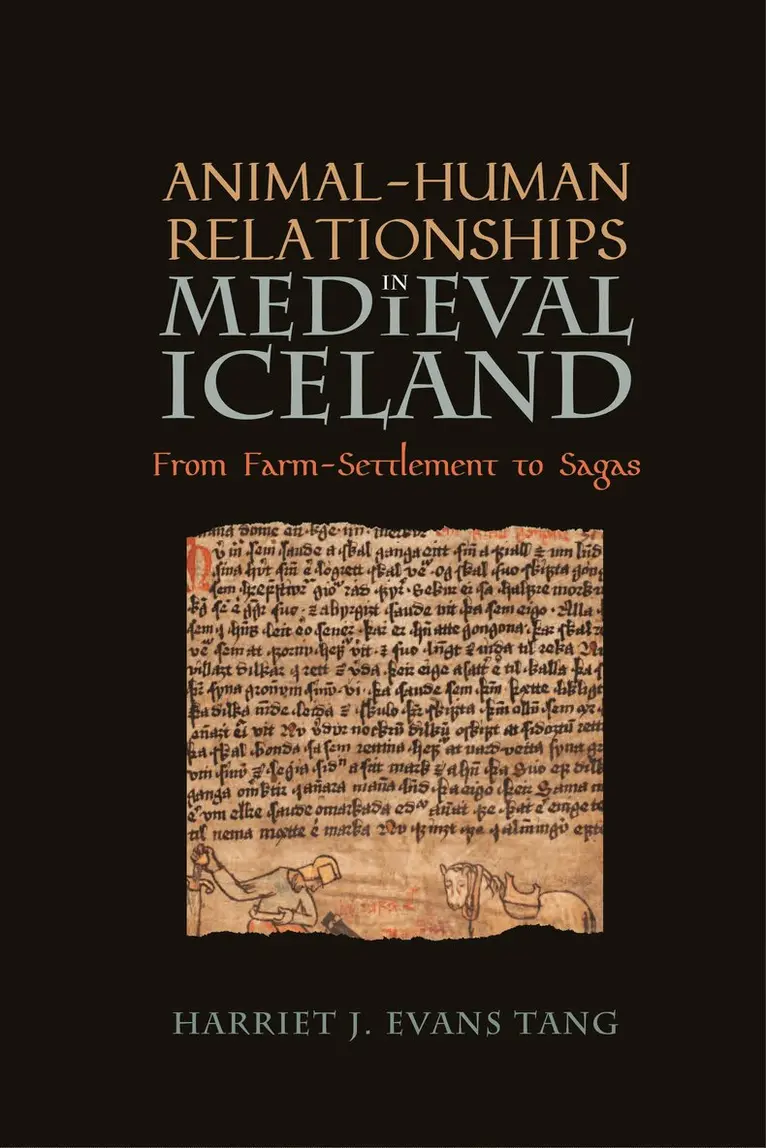
A multi-disciplinary investigation of the links between people and animals, in reality and representation.Domestic animals played a range of roles in the imaginative world of medieval Icelanders: from partners in settlement and household allies, to violent offenders, foster-kin and surrogate wives, they were vital and effective members of the multispecies communities established from the ninth century onwards. This book examines the domestic animals of early Iceland in their physical and textual contexts, through detailed analysis of the spaces and places of the Icelandic farm and farming landscape, and textual sources such as The Book of Settlements, the earliest Icelandic laws, and various episodes from the Sagas and Tales of Icelanders. Taking a multidisciplinary approach to animal-human relationships, it sees animals not solely as symbols, metaphors, or objects, but as subjects in affective relationships with their human co-settlers who become the focus of intense exploration, delight, anxiety and condemnation in later textual narratives. By inviting readers to question how these sources form, embrace, or reject animal-human relationships, it provides a resource for understanding these archaeological sites and textual narratives differently: as products of multispecies communities in which animals and humans lived, worked, and died together.
Del 8 - Nature and Environment in the Middle Ages
Trees as Symbol and Metaphor in the Middle Ages
Comparative Contexts
Inbunden, Engelska, 2024
1 337 kr
Skickas inom 7-10 vardagar
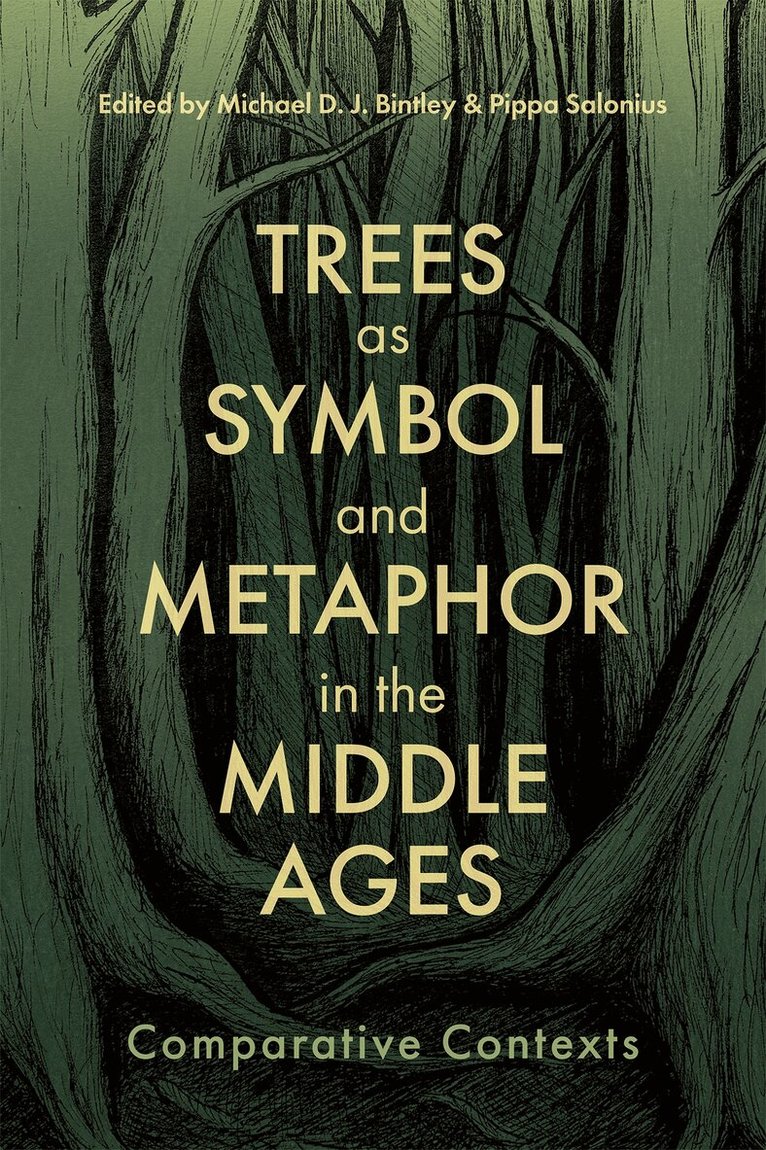
WINNER: AFCEMS Prize 2024Highlights human encounters with the forest and its trees at the time of the European Middle Ages, when their lofty boughs were weighted with meaning.Forests, with their interlacing networks of trees and secret patterns of communication, are powerful entities for thinking-with. A majestic terrestrial community of arboreal others, their presence echoes, entangles, and resonates deeply with the human world. The essays collected here aim to highlight human encounters with the forest and its trees at the time of the European Middle Ages, when, whether symbol and metaphor, or actual and real, their lofty boughs were weighted with meaning.The chapters interrogate the pre-Anthropocene environment, reflecting on trees as metaphors for kinship and knowledge as they appear in literary, historical, art-historical, and philosophical sources. They examine images of trees and trees in-themselves across a range of environmental, material, and intellectual contexts, and consider how humans used arboreal and rhizomatic forms to negotiate bodies of knowledge and processes of transition. Looking beyond medieval Europe, they include discussion of parallel developments in the Islamic world and that of the Māori, the indigenous people of New Zealand.
Del 8 - Nature and Environment in the Middle Ages
Trees as Symbol and Metaphor in the Middle Ages
Comparative Contexts
Häftad, Engelska, 2026
409 kr
Kommande
WINNER: AFCEMS Prize 2024Highlights human encounters with the forest and its trees at the time of the European Middle Ages, when their lofty boughs were weighted with meaning.Forests, with their interlacing networks of trees and secret patterns of communication, are powerful entities for thinking-with. A majestic terrestrial community of arboreal others, their presence echoes, entangles, and resonates deeply with the human world. The essays collected here aim to highlight human encounters with the forest and its trees at the time of the European Middle Ages, when, whether symbol and metaphor, or actual and real, their lofty boughs were weighted with meaning.The chapters interrogate the pre-Anthropocene environment, reflecting on trees as metaphors for kinship and knowledge as they appear in literary, historical, art-historical, and philosophical sources. They examine images of trees and trees in-themselves across a range of environmental, material, and intellectual contexts, and consider how humans used arboreal and rhizomatic forms to negotiate bodies of knowledge and processes of transition. Looking beyond medieval Europe, they include discussion of parallel developments in the Islamic world and that of the Māori, the indigenous people of New Zealand.