North American Indian Prose Award - Böcker
Visar alla böcker i serien North American Indian Prose Award. Handla med fri frakt och snabb leverans.
11 produkter
11 produkter
393 kr
Skickas inom 10-15 vardagar
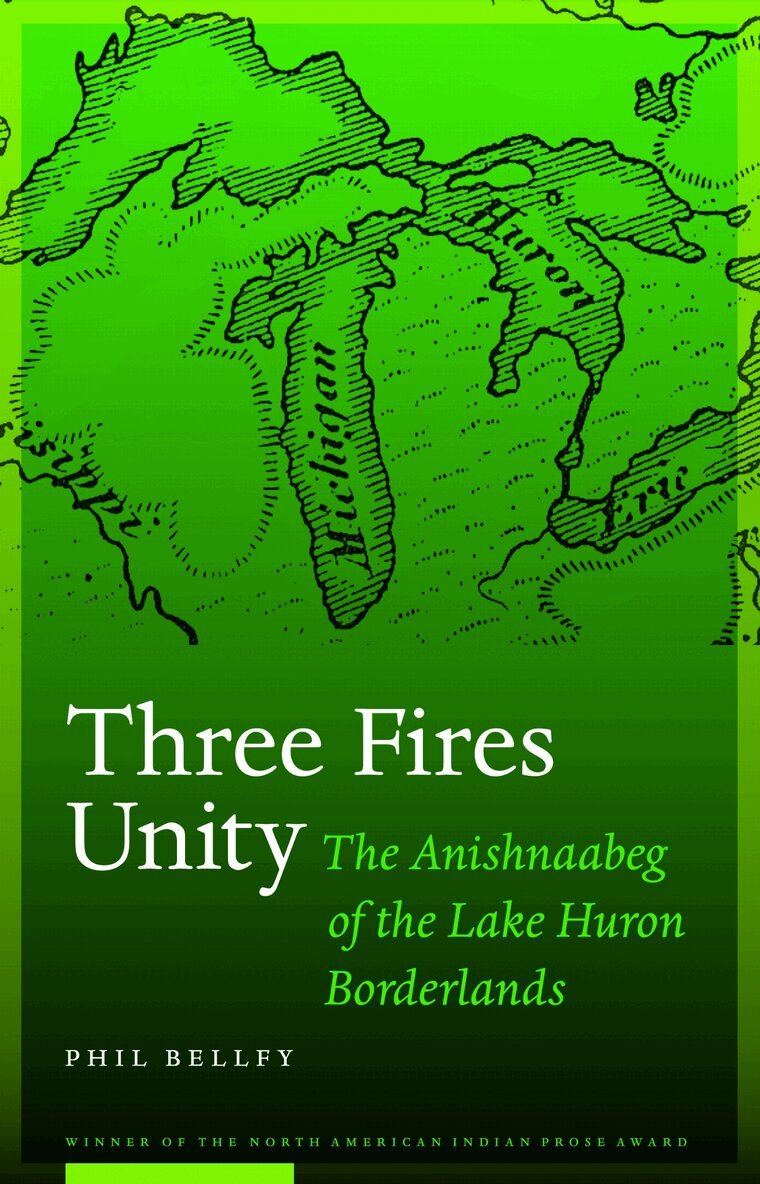
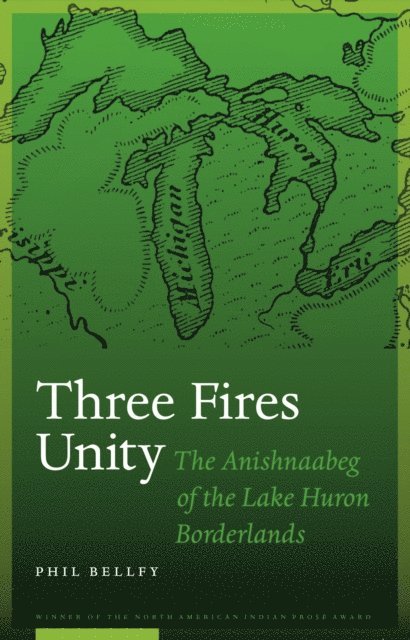
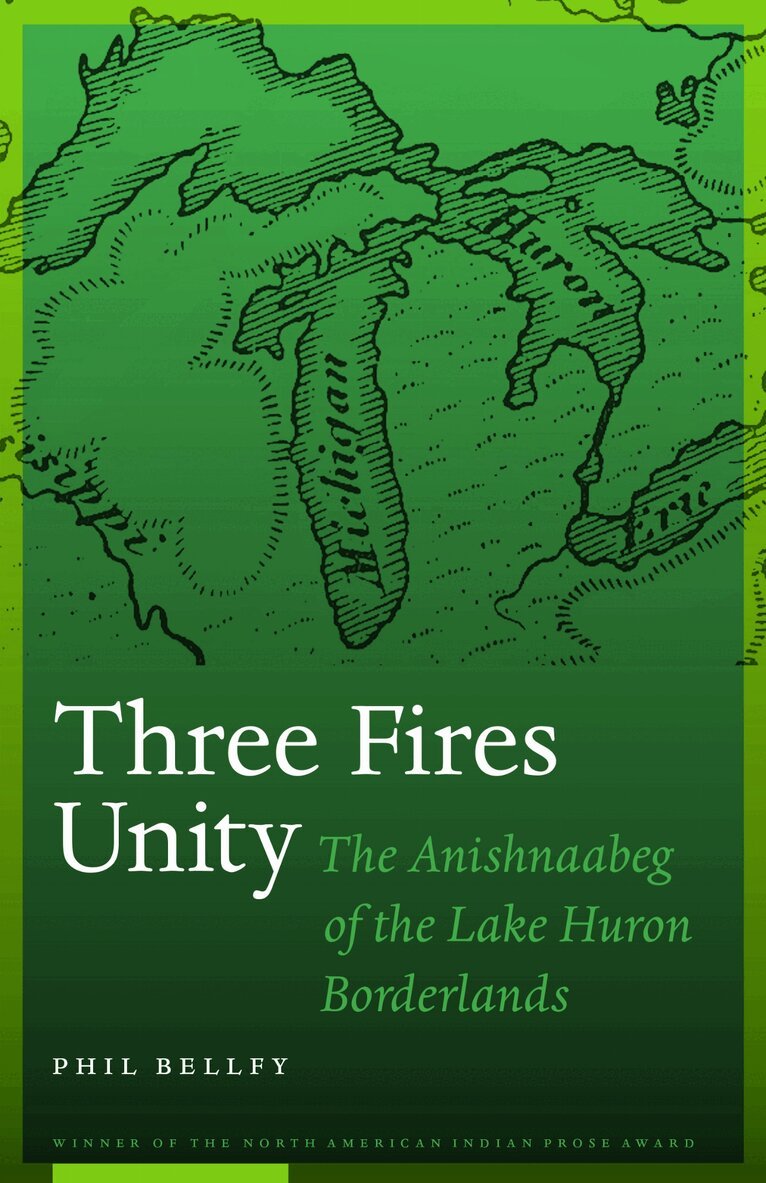
The Lake Huron area of the Upper Great Lakes region, an area spreading across vast parts of the United States and Canada, has been inhabited by the Anishnaabeg for millennia. Since their first contact with Europeans around 1600, the Anishnaabeg have interacted with-and struggled against-changing and shifting European empires and the emerging nation-states that have replaced them. Through their cultural strength, diplomatic acumen, and a remarkable knack for adapting to change, the Anishnaabeg of the Lake Huron Borderlands have reemerged as a strong and vital people, fully in charge of their destiny in the twenty-first century. Winner of the North American Indian Prose Award, this first comprehensive cross-border history of the Anishnaabeg provides an engaging account of four hundred years of their life in the Lake Huron area, showing how they have been affected by European contact and trade. Three Fires Unity examines how shifting European politics and, later, the imposition of the Canada–United States border running through their homeland, affected them and continue to do so today. In looking at the cultural, social, and political aspects of this borderland contact, Phil Bellfy sheds light on how the Anishnaabeg were able to survive and even thrive over the centuries in this intensely contested region.
476 kr
Skickas inom 3-6 vardagar
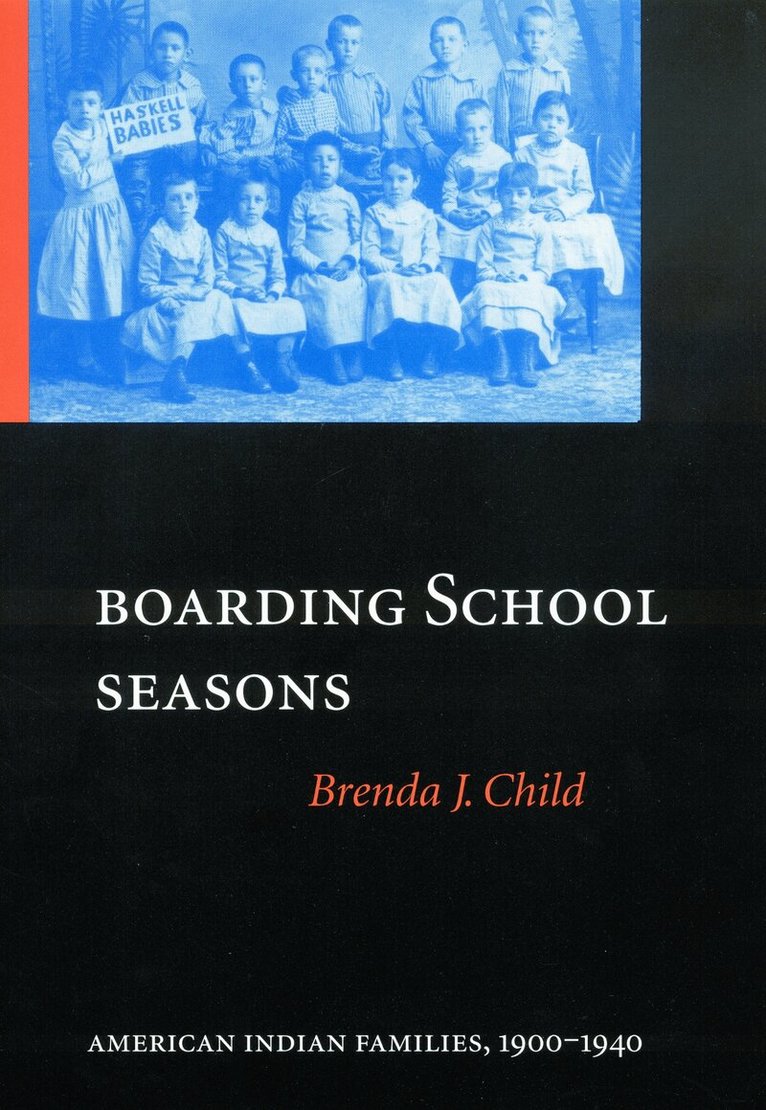
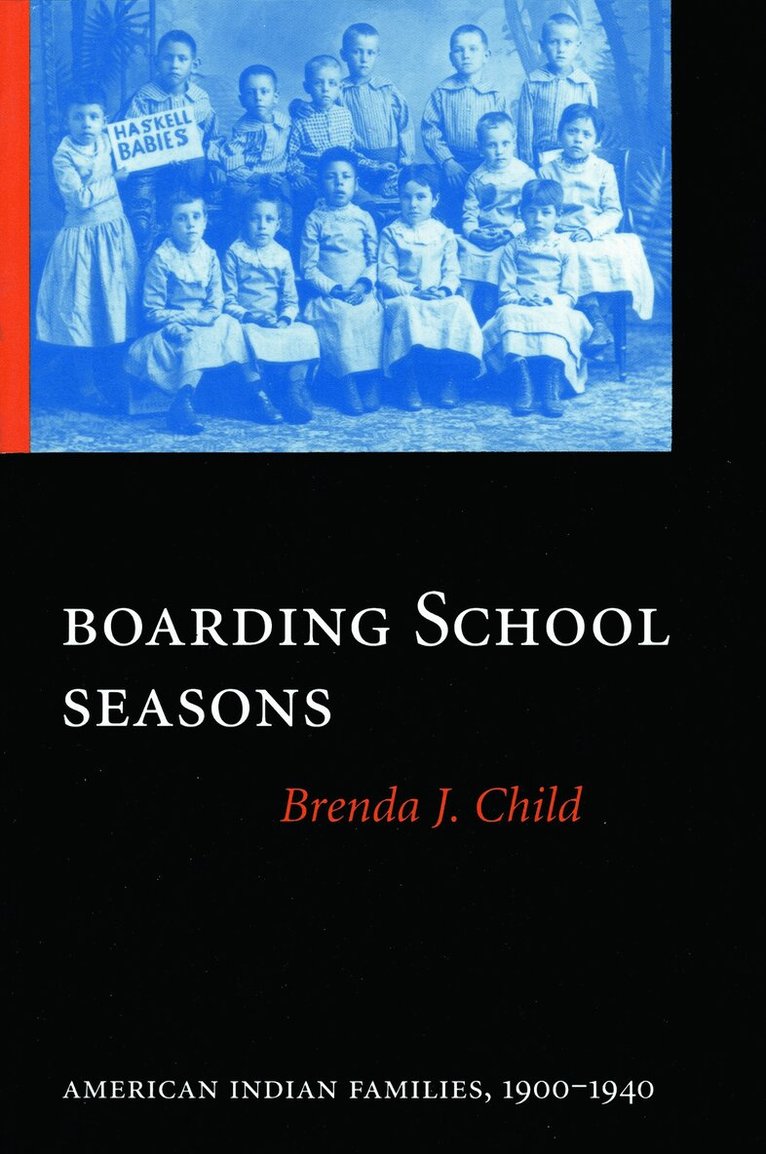
The paperback edition features a new introduction by the author.Boarding School Seasons offers a revealing look at the strong emotional history of Indian boarding school experiences in the first half of the twentieth century. At the heart of this book are the hundreds of letters written by parents, children, and school officials at Haskell Institute in Kansas and the Flandreau School in South Dakota. These revealing letters show how profoundly entire families were affected by their experiences.Children, who often attended schools at great distances from their communities, suffered from homesickness, and their parents from loneliness. Parents worried continually about the emotional and physical health and the academic progress of their children. Families clashed repeatedly with school officials over rampant illnesses and deplorable living conditions and devised strategies to circumvent severely limiting visitation rules. Family intimacy was threatened by the schools' suppression of traditional languages and Native cultural practices.Although boarding schools were a threat to family life, profound changes occurred in the boarding school experiences as families turned to these institutions for relief during the Depression, when poverty and the loss of traditional seasonal economics proved a greater threat. Boarding School Seasons provides a multifaceted look at the aspirations and struggles of real people.
547 kr
Skickas inom 3-6 vardagar
The Northern Athabascan peoples of the Alaskan interior and the Yukon have survived centuries of contact and attempted domination by outsiders. Their lives today are rich in meaning and tradition yet are also complicated by numerous challenges such as poverty, alcoholism, domestic violence, suicide, and troubled leadership. Combining scholarly analysis, first-person accounts, and her own experiences and insights as a Koyukon Athabascan artist and anthropologist, Phyllis Ann Fast illuminates the modern Athabascan world. Her conversations with Athabascan women offer revealing glimpses of their personal lives and a probing assessment of their professional opportunities and limitations. Also showcased is the crucial but ambiguous role of Athabascan leaders, who are needed to champion reform and social healing but are often undermined by conflicting notions of decision making, personhood, and leadership in Athabascan society.A troubling observation of this study is the vast extent to which addiction—manifested as both substance abuse and economic dependency—pervades Northern Athabascan society and threatens to curtail its cohesion and aspirations. But Northern Athabascans are far from victims. As Fast discovers, Northern Athabascan men and women are well aware of these widespread social problems, and many have undertaken initiatives to deal with and heal them. Rigorous and compassionate, Northern Athabascan Survival provides an uncompromising view of a remarkable and troubled world.
261 kr
Skickas inom 10-15 vardagar
Choctaw Nation is a story of tribal nation building in the modern era. Valerie Lambert treats nation-building projects as nothing new to the Choctaws of southeastern Oklahoma, who have responded to a number of hard-hitting assaults on Choctaw sovereignty and nationhood by rebuilding their tribal nation. Drawing on field research, oral histories, and archival sources, Lambert explores the struggles and triumphs of a tribe building a new government and launching an ambitious program of economic development in the late twentieth century, achieving a partial restoration of the tribe's former glory as a significant political and economic presence in what is now the United States. An enrolled citizen of the Choctaw Nation who was reared in Oklahoma, Lambert describes in vivid detail what this nation building has meant for the Choctaw people and for non-Indians. Choctaw nation building has strengthened the tribe's ongoing efforts to defend their sovereignty and protect their rights to land, water, and other natural resources. It has also helped produce new ways of imagining, constructing, and expressing Choctaw identity. Yet, as Choctaw Nation also shows, Choctaw sovereignty—the bedrock of Choctaw empowerment—remains under threat, as tribal sovereignty is not only a bundle of inherent rights but also an ongoing, complex consequence of Native initiatives and negotiations on local, state, and national levels. In addition to wrestling with the topics of sovereignty, identity, tribal nationalism, and contemporary tribal governance, this book gives considerable ethnographic attention to tribal elections, non-Indians, urban Indians, economic development, and tribal water rights.
214 kr
Skickas inom 10-15 vardagar
The paperback edition features a new introduction by the author.Boarding School Seasons offers a revealing look at the strong emotional history of Indian boarding school experiences in the first half of the twentieth century. At the heart of this book are the hundreds of letters written by parents, children, and school officials at Haskell Institute in Kansas and the Flandreau School in South Dakota. These revealing letters show how profoundly entire families were affected by their experiences.Children, who often attended schools at great distances from their communities, suffered from homesickness, and their parents from loneliness. Parents worried continually about the emotional and physical health and the academic progress of their children. Families clashed repeatedly with school officials over rampant illnesses and deplorable living conditions and devised strategies to circumvent severely limiting visitation rules. Family intimacy was threatened by the schools' suppression of traditional languages and Native cultural practices.Although boarding schools were a threat to family life, profound changes occurred in the boarding school experiences as families turned to these institutions for relief during the Depression, when poverty and the loss of traditional seasonal economics proved a greater threat. Boarding School Seasons provides a multifaceted look at the aspirations and struggles of real people.
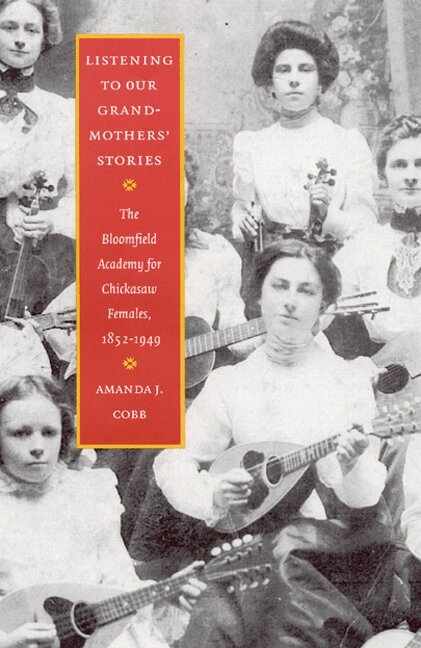
Listening to Our Grandmothers' Stories
The Bloomfield Academy for Chickasaw Females, 1852-1949
Häftad, Engelska, 2007
159 kr
Skickas inom 10-15 vardagar
Bloomfield Academy was founded in 1852 by the Chickasaw Nation in conjunction with missionaries. It remained open for nearly a century, offering Chickasaw girls one of the finest educations in the West. After being forcibly relocated to Indian Territory, the Chickasaws viewed education as instrumental to their survival in a rapidly changing world. Bloomfield became their way to prepare emerging generations of Chickasaw girls for new challenges and opportunities. Amanda J. Cobb became interested in Bloomfield Academy because of her grandmother, Ida Mae Pratt Cobb, an alumna from the 1920s. Drawing on letters, reports, interviews with students, and school programs, Cobb recounts the academy's success story. In stark contrast to the federally run off-reservation boarding schools in operation at the time, Bloomfield represents a rare instance of tribal control in education. For the Chickasaw Nation, Bloomfield—a tool of assimilation—became an important method of self-preservation.
163 kr
Skickas inom 10-15 vardagar
Like poets of legend, Diane Glancy has spent much of her life on the road. For years she supported her family by driving throughout Oklahoma and Arkansas teaching poetry in the schools. Claiming Breath is an account of one of those years, what Glancy calls "a winter count of sorts, a calendar, a diary of personal matters . . . and a final acceptance of the broken past. . . . It's a year that covers more than a year."
214 kr
Skickas inom 10-15 vardagar
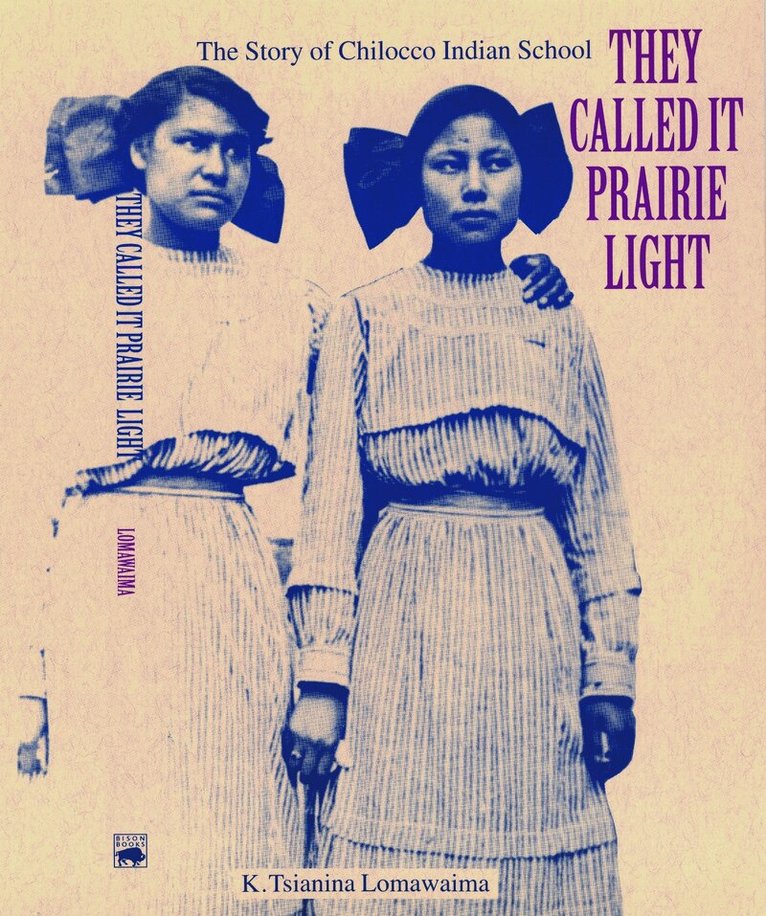
Established in 1884 and operative for nearly a century, the Chilocco Indian School in Oklahoma was one of a series of off-reservation boarding schools intended to assimilate American Indian children into mainstream American life. Critics have characterized the schools as destroyers of Indian communities and cultures, but the reality that K. Tsianina Lomawaima discloses was much more complex. Lomawaima allows the Chilocco students to speak for themselves. In recollections juxtaposed against the official records of racist ideology and repressive practice, students from the 1920s and 1930s recall their loneliness and demoralization but also remember with pride the love and mutual support binding them together—the forging of new pan-Indian identities and reinforcement of old tribal ones.
163 kr
Skickas inom 10-15 vardagar
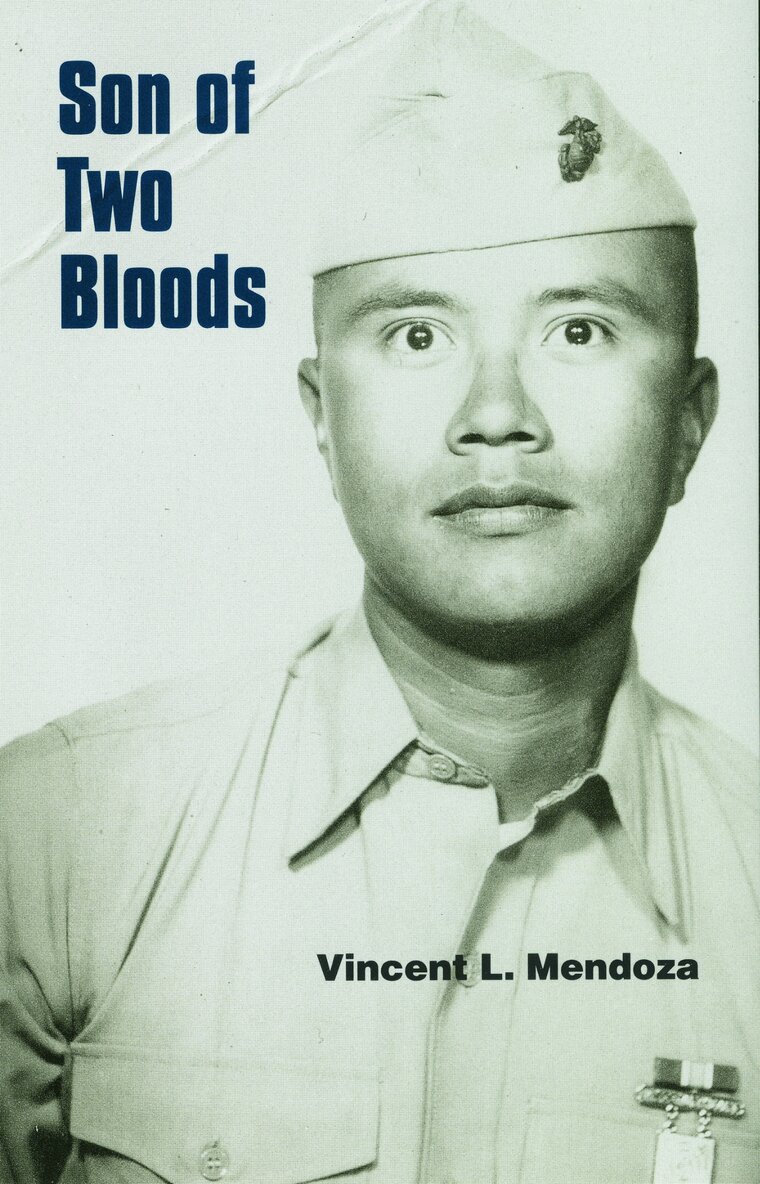
When Vince Mendoza began to write his life story, he turned to his memory of visiting the deathbed of his great-grandmother, a Creek Indian who embodied the history and dauntless will of her people. The memory inspired both sorrow and boundless pride. Son of Two Bloods, Mendoza's vibrant and candid account of his life, is full of such grief and rejoicing. Born in Tulsa, Oklahoma, in 1947, Mendoza was the child of a Creek mother and a Mexican father. In this book he vividly portrays his Mexican and Indian relatives and his confusing, often painful, childhood interactions with the dominant white society. He left childhood behind when he was sent to Vietnam. There he found hatred, terror, and camaraderie in equal measures. On returning from Vietnam Mendoza faced professional, economic, and personal struggles but found consolation in love, family, and friendship. His moving account of his first wife's courageous, losing battle with cancer ends with renewal as Mendoza remarries and decides to explore his past, and his people, in writing. "Endure, then weep," he writes at last, "endure, and be rewarded, endure and rejoice, endure and learn."
149 kr
Skickas inom 10-15 vardagar
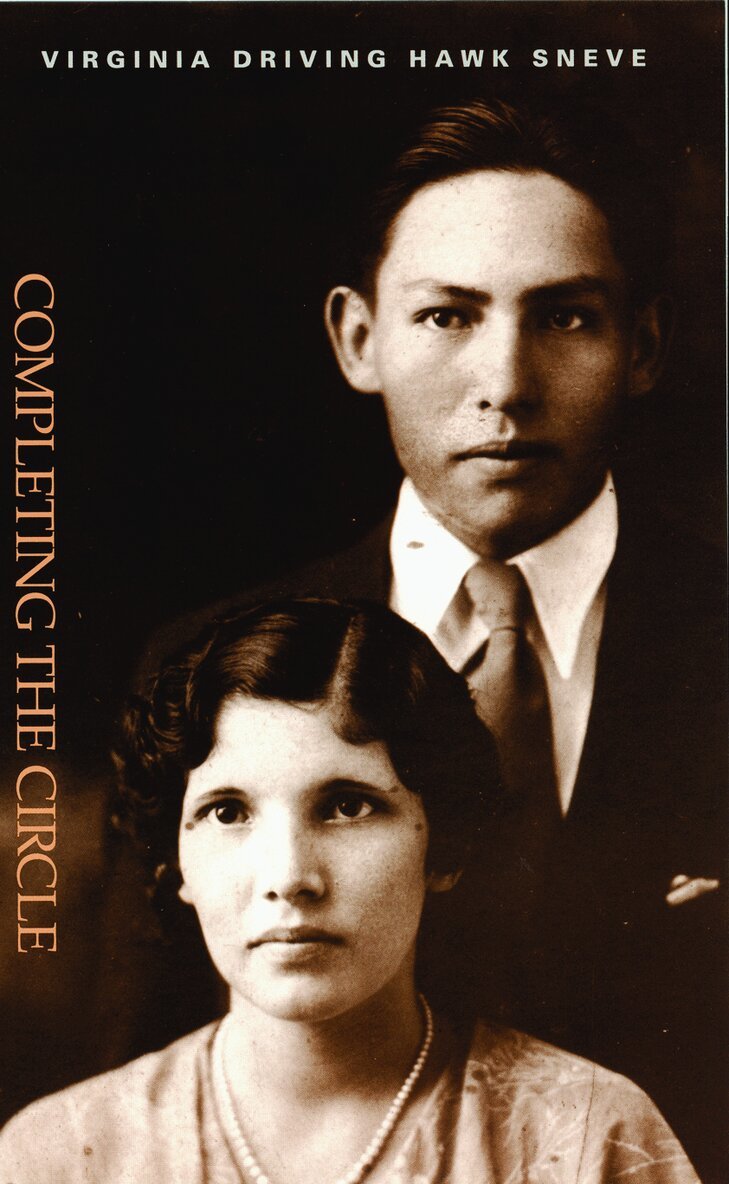
Virginia Driving Hawk Sneve tells her own story and the story of her family. An expert quilter, she recalls her grandmother, Flora Driving Hawk, teaching her how storytelling enthralls and how a quilt can represent all that holds a family together. "I think of how she and her woman friends sat around the quilt frame, gossiping, laughing, sighing as they stitched the joys and sorrows of their lives into the quilt."
214 kr
Skickas inom 10-15 vardagar
The Lake Huron area of the Upper Great Lakes region, an area spreading across vast parts of the United States and Canada, has been inhabited by the Anishnaabeg for millennia. Since their first contact with Europeans around 1600, the Anishnaabeg have interacted with-and struggled against-changing and shifting European empires and the emerging nation-states that have replaced them. Through their cultural strength, diplomatic acumen, and a remarkable knack for adapting to change, the Anishnaabeg of the Lake Huron Borderlands have reemerged as a strong and vital people, fully in charge of their destiny in the twenty-first century. Winner of the North American Indian Prose Award, this first comprehensive cross-border history of the Anishnaabeg provides an engaging account of four hundred years of their life in the Lake Huron area, showing how they have been affected by European contact and trade. Three Fires Unity examines how shifting European politics and, later, the imposition of the Canada–United States border running through their homeland, affected them and continue to do so today. In looking at the cultural, social, and political aspects of this borderland contact, Phil Bellfy sheds light on how the Anishnaabeg were able to survive and even thrive over the centuries in this intensely contested region.