Reel West Series – serie
Visar alla böcker i serien Reel West Series. Handla med fri frakt och snabb leverans.
8 produkter
Blazing Saddles
Häftad, 2027
218 kr
Kommande
An engaging and often hilarious account of the history, impact, and legacy of Mel Brooks’s iconic Western send-up Blazing Saddles, based on original screenwriter interviews and featuring insightful modern commentary. Mel Brooks’s Blazing Saddles shocked and delighted audiences upon its release in …
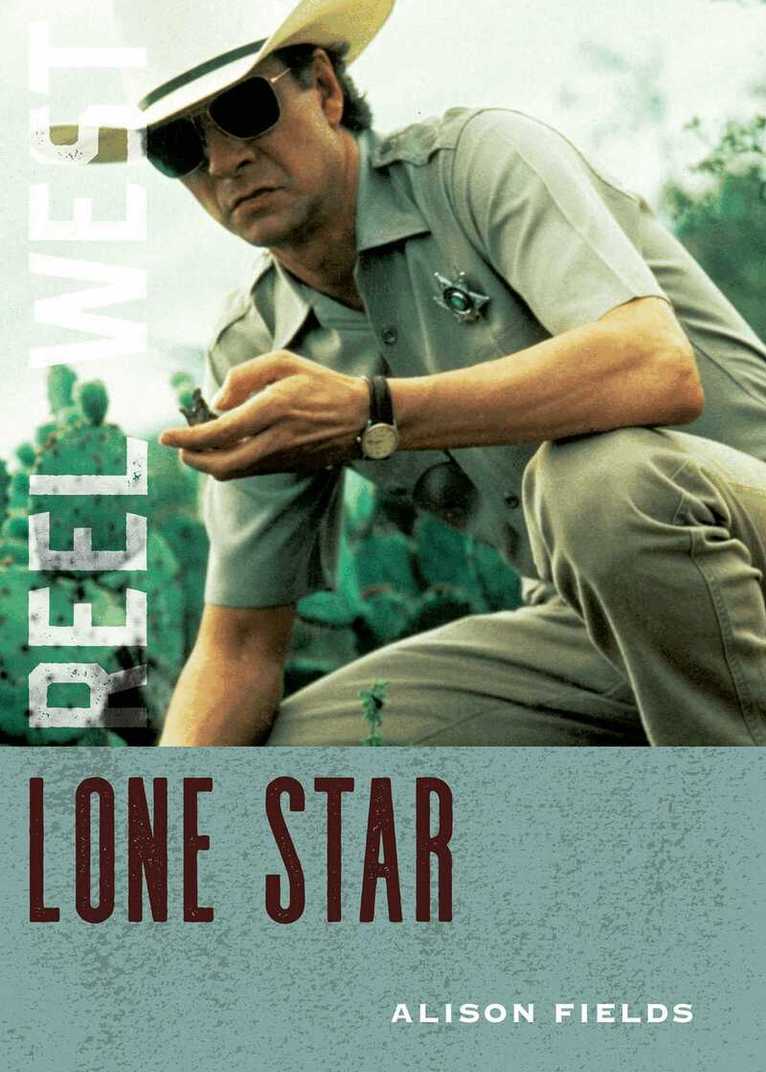
Lone Star
Häftad, 2026
212 kr
Lägg i varukorg
A deft history and analysis of John Sayles’ 1996 cinematic masterpiece. Alison Fields places Lone Star in a western film framework and emphasizes Lone Star's ability to highlight the conflicts between socially entrenched borderlands history and its multifaceted reality. Filmmaker John Sayles has …
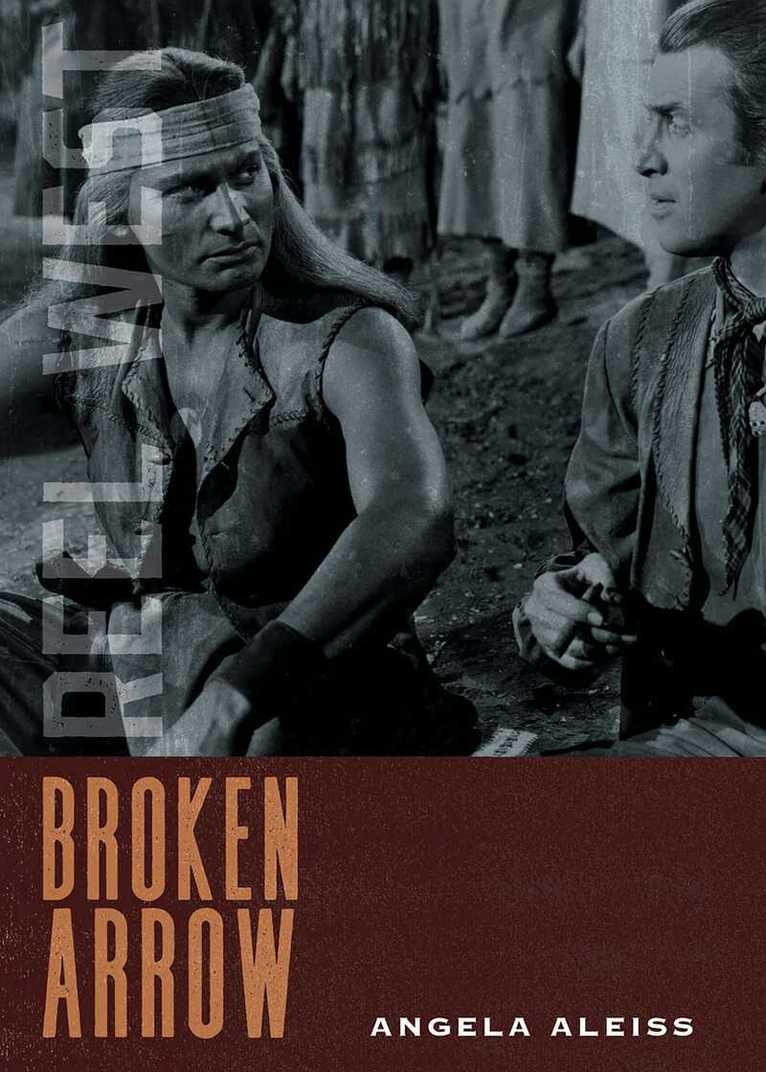
Broken Arrow
Häftad, 2025
231 kr
Lägg i varukorg
An insightful history and analysis of the importance Delmer Daves' film Broken Arrow has in the western film genre. It was, for its time, a breakthrough in how Native Americans were depicted in the movies. The release of Broken Arrow in 1950 represented a turning point in Hollywood’s portrayal of …
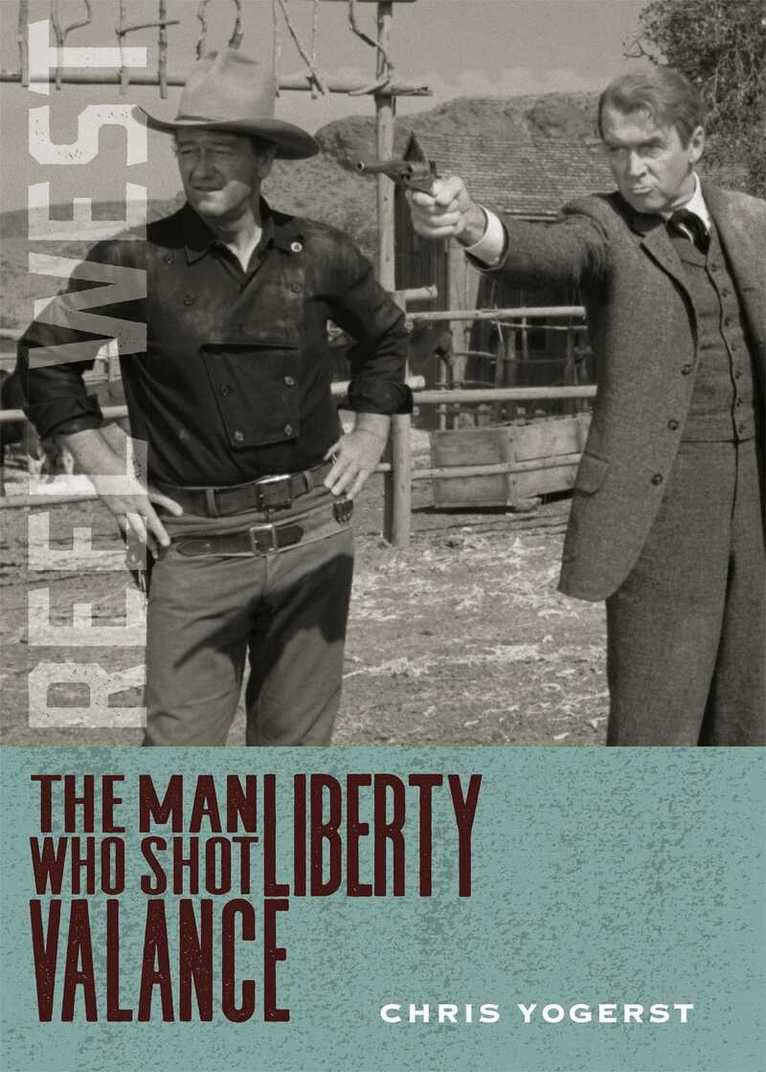
Man Who Shot Liberty Valance
Häftad, 2025
231 kr
Lägg i varukorg
A new offering in the nascent Reel West film history series that focuses on that quintessentially American cinematic art form, the western. Few lines of movie dialogue have had greater impact than the most famous line from John Ford’s 1962 masterpiece The Man Who Shot Liberty Valance: “This is the …
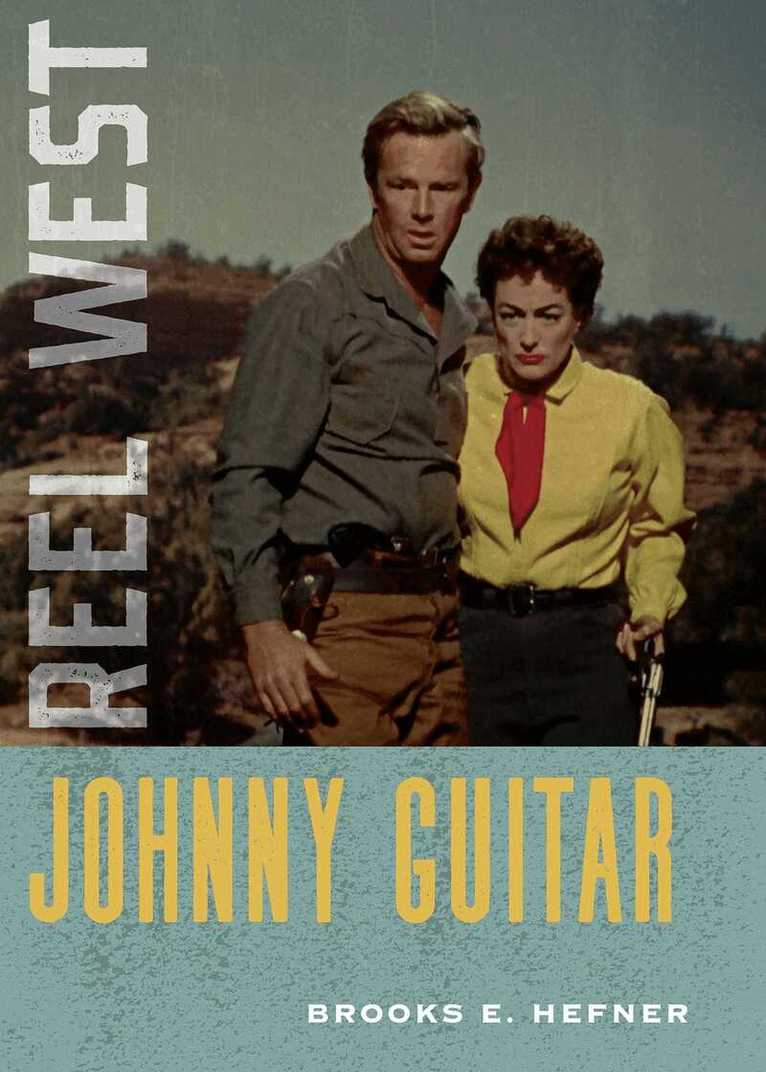
Johnny Guitar
Häftad, 2026
218 kr
Lägg i varukorg
The first book on the groundbreaking 1954 Western by director Nicholas Ray, controversial in its time, now celebrated as a groundbreaking example of high camp, LGBTQ themes, and the outer limits of the Hollywood system. What to make of Johnny Guitar, Nicholas Ray’s high-drama psychological Western …
True Grit
Häftad, 2026
214 kr
Kommande
Preeminent film historian Thomas Doherty explores the blockbuster 1969 film adaptation of the Charles Portis novel True Grit, which stars John Wayne in his only Oscar-winning performance. The year 1969 was a tipping point for Hollywood cinema and a good year for Westerns. In 1968 the censorious …
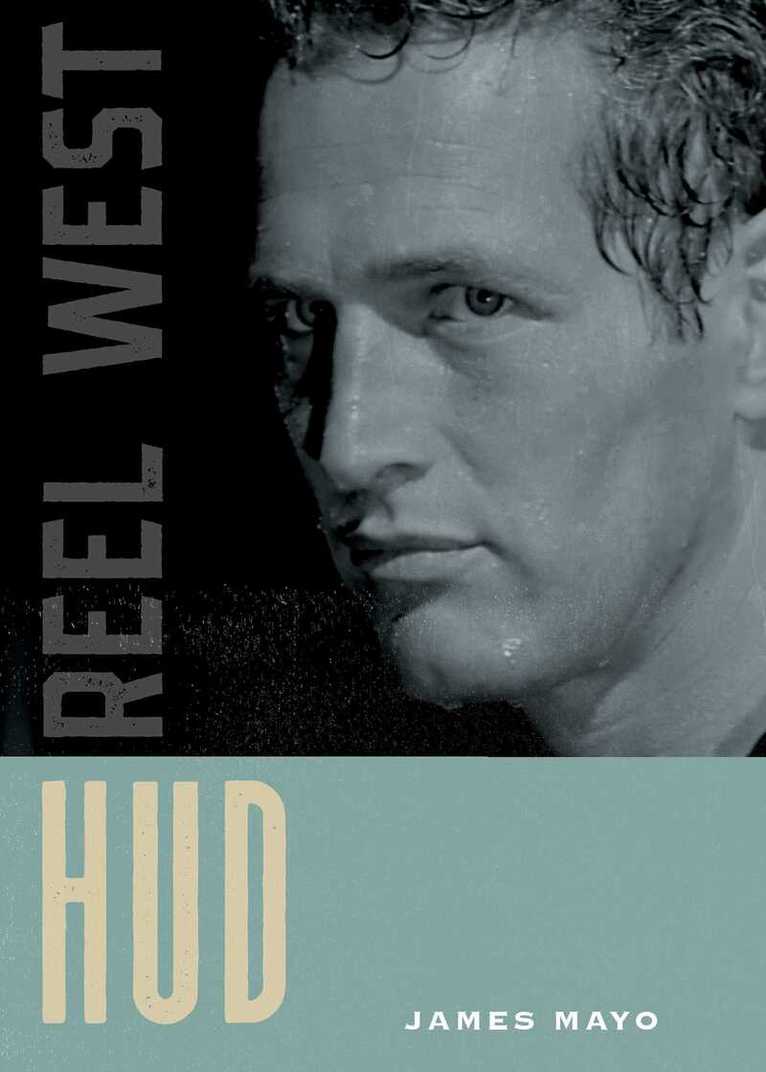
Hud
Häftad, 2026
218 kr
Kommande
A critical analysis of Martin Ritt’s Hud (1963), the film adaptation of the novel by Larry McMurtry, starring Paul Newman and with James Wong Howe’s Oscar-winning cinematography, from production through the film’s complicated reception. Martin Ritt’s 1963 classic Hud is a quintessential Western. …
Days of Heaven
Häftad, 2027
214 kr
Kommande
A comprehensive account of the making and legacy of Terrence Malick’s elegiac 1978 Western, Days of Heaven, starring Richard Gere, Brooke Adams, and Sam Shepard. Director Terrence Malick’s 1978 Western, Days of Heaven, stands out for its dreamlike cinematography and sparse, haunting plot. Malick’s …