Soviet Russian Military Theory and Practice - Böcker
Visar alla böcker i serien Soviet Russian Military Theory and Practice. Handla med fri frakt och snabb leverans.
18 produkter
18 produkter
687 kr
Skickas inom 10-15 vardagar
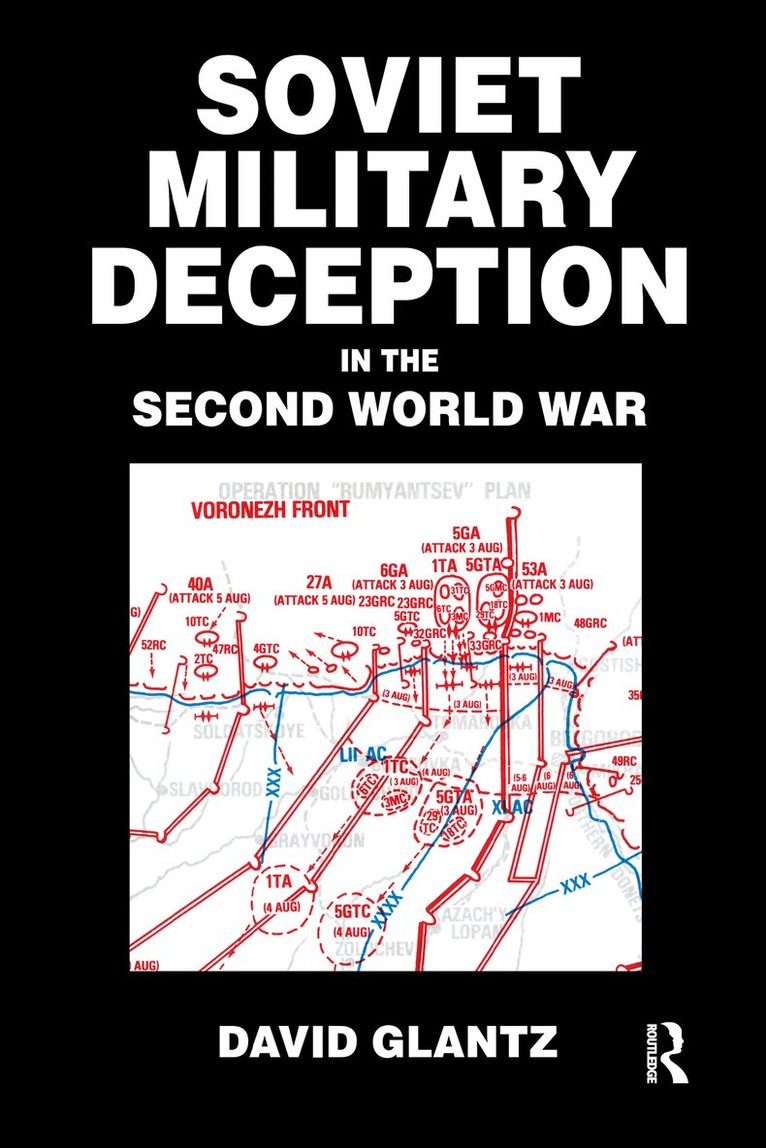
Published in 1989, Soviet Military Deception in the Second World War is a valuable contribution to the field of Military & Strategic Studies.
2 237 kr
Skickas inom 10-15 vardagar
Published in 1989, Soviet Military Deception in the Second World War is a valuable contribution to the field of Military & Strategic Studies.
2 307 kr
Skickas inom 10-15 vardagar
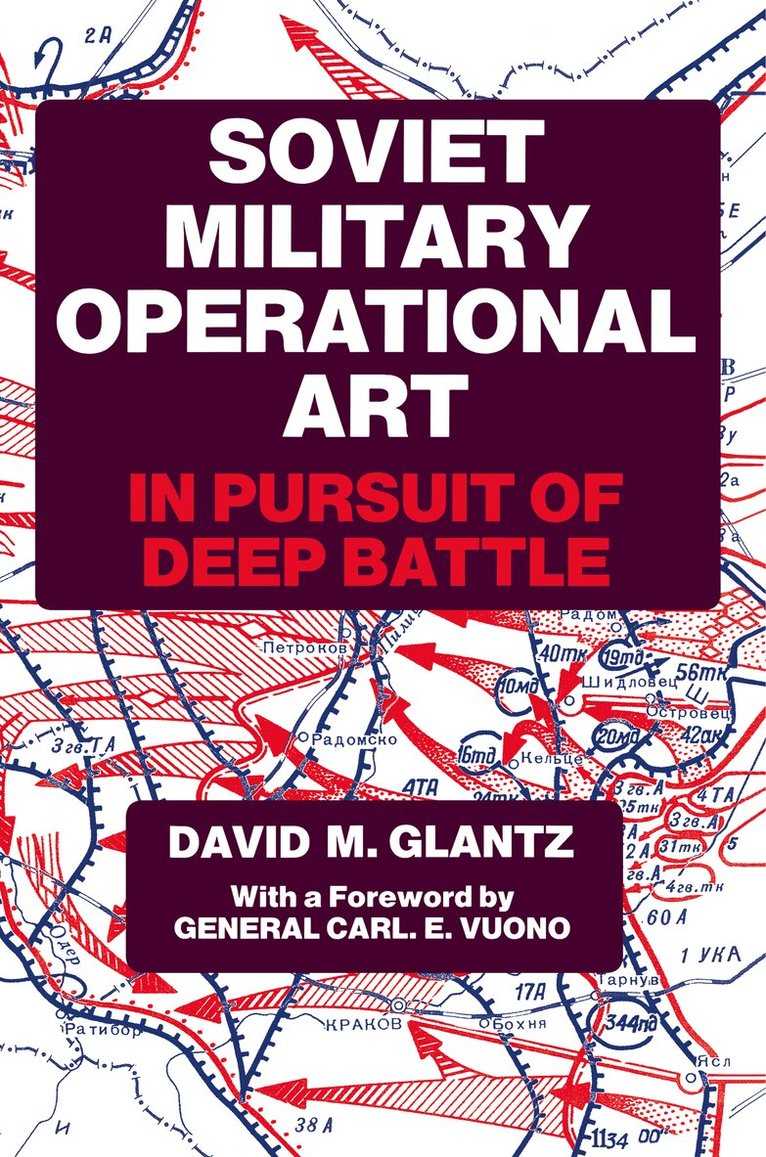
David Glantz examines the Soviet study of war, the re-emergence of the operation level and its connection with deep battle, the evolution of the Soviet theory of operations in depth before 1941, and its refinement and application in the European theatre and the Far East between 1941 and 1945.
2 307 kr
Skickas inom 10-15 vardagar
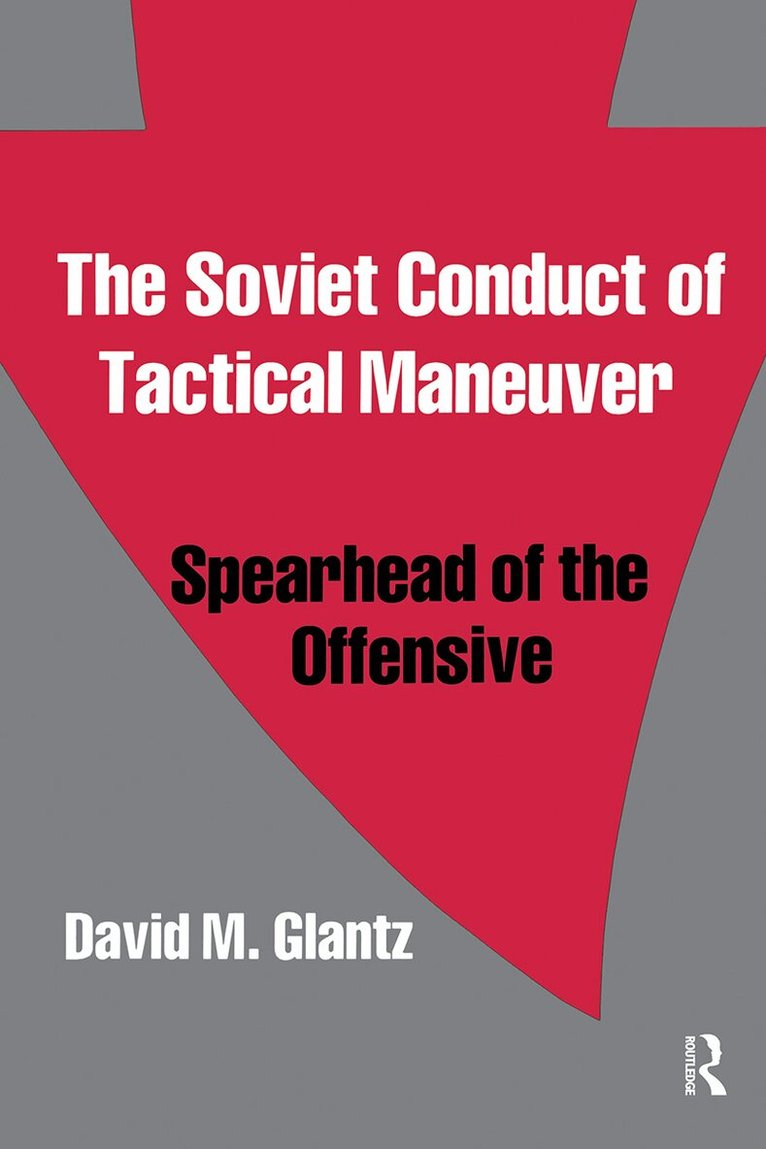
First Published in 1991. This book addresses a critical aspect of Soviet maneuver theory that has been almost totally neglected in Western analysis, specifically, Soviet concern for tactical maneuver. Since the 1930s, the Soviets have consistently argued that operational maneuver can be successful only if conducted in conjunction with equally successful tactical maneuver, carried out primarily by forward detachments. Forward detachments, the primary tactical maneuver forces tasked with performing critical combat functions, emerged in theory in the 1930s and flourished on the basis of virtually untested concepts until the initial phases of Operation Barbarossa, when the Soviet mobile force structure was destroyed in a matter of weeks. Forward detachments again emerged after the Stalin grad Operation in 1943, when the Soviet General Staff required their use to spearhead all operations by mobile forces. After mid-1943, forward detachments led the operations of all tank armies and tank and mechanized corps, particularly during exploitation operations. By war's end all forces, mobile and rifle alike, employed forward detachments to lead their operations during the exploitation stage of operations. Forward detachments preempted enemy defenses and collectively formed a coordinated network of forward mobile units which provided coherence to the vast array of advancing Soviet mobile and rifle forces. In the late 1960s, the forward detachment received renewed attention as a critical element which could assist in the conduct of operational maneuver. Today, the Soviets believe that forward detachment operations are the key to conducting successful operations on a battlefield increasingly threatened by deadly high-precision weaponry. Tailored, flexible, battalion-size forward detachments, along with their operational counterparts (corps and brigades), may, in fact, be the model upon which the future Soviet force structure will be based. This volume surveys in detail the conceptual and organizational evolution of the forward detachment as the premier Soviet tactical maneuver force. It vividly demonstrates why forward detachments are suited by their versatile nature to be a precursor of future restructured Soviet units in general.
2 307 kr
Skickas inom 10-15 vardagar
This text is the second of three volumes written by Colonel Glantz on the contribution of intelligence and deception operations to the Soviet victory over Nazi Germany. It examines the area where intelligence and operations overlap; the nature of co-ordination between the two; and the support provided by intelligence to operational planning and execution (or the absence of such support). This is not a study of intelligence work as such, but of how intelligence can improve the chances of success on the battlefield by facilitating the more effective and economical use of troops.
3 425 kr
Skickas inom 5-8 vardagar
Armed revolution and civil war gave birth to the Soviet Union, world War II propelled it to global pre-eminence, and the Cold War contributed to the Soviet Union's demise. Given Marxism-Leninism's idological preoccupation with war and threats of war, it is understandable that the spectre of war should play a vital role in the life and fate of the Soviet state.This study of Soviet military strategy is based upon the twin pillars of Soviet political-military actions and Soviet writings on the subject of military strategy. Thanks to the policy of glasnost, it incorporates Soviet materials hitherto unavailable in the West. It aims to be not simply a retrospective account of what was, but to form part of the context for what will be in the future.
2 794 kr
Skickas inom 10-15 vardagar
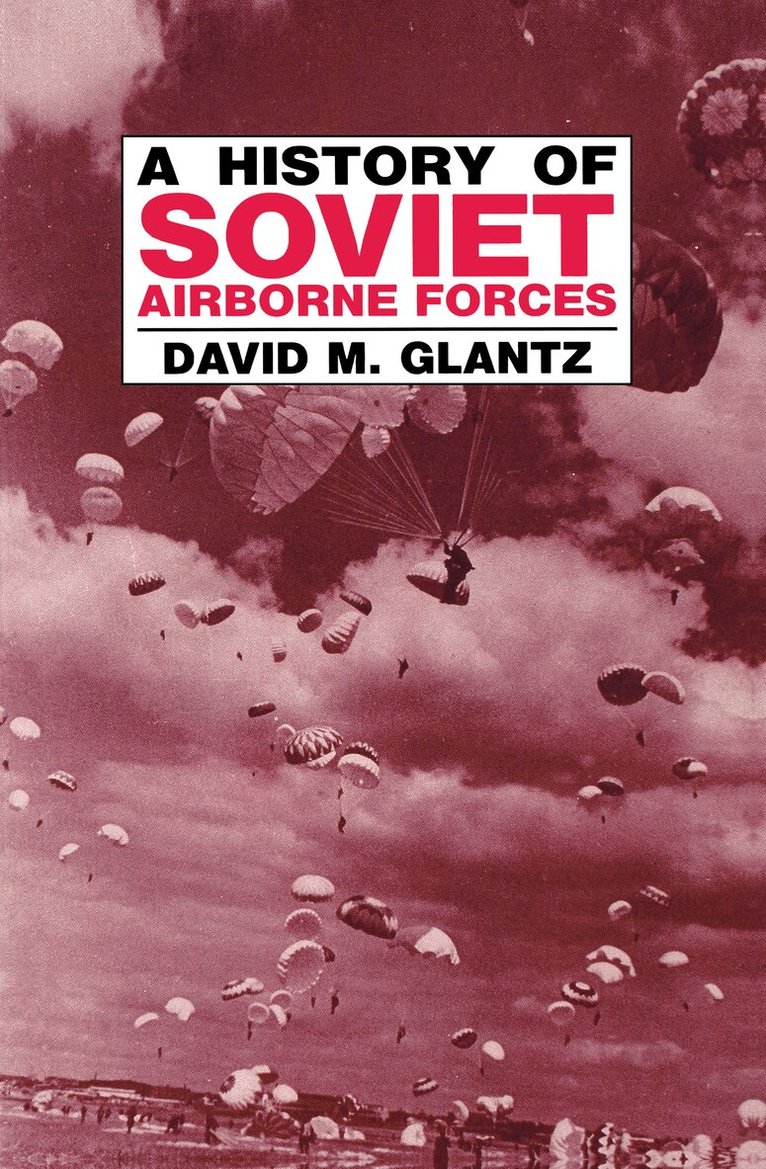
For almost 70 years Soviet and Russian military theorists have been fascinated with the concept of airborne operations. Now Russian theorists tackle the problems posed to such operations by high-precision weaponry. This work, using newly released and formerly classified Soviet and East German archives, provides a detailed record of the performance of Soviet airborne forces during peace and war.
829 kr
Skickas inom 10-15 vardagar
This text is the second of three volumes written by Colonel Glantz on the contribution of intelligence and deception operations to the Soviet victory over Nazi Germany. It examines the area where intelligence and operations overlap; the nature of co-ordination between the two; and the support provided by intelligence to operational planning and execution (or the absence of such support). This is not a study of intelligence work as such, but of how intelligence can improve the chances of success on the battlefield by facilitating the more effective and economical use of troops.
819 kr
Skickas inom 10-15 vardagar
David Glantz examines the Soviet study of war, the re-emergence of the operation level and its connection with deep battle, the evolution of the Soviet theory of operations in depth before 1941, and its refinement and application in the European theatre and the Far East between 1941 and 1945.
805 kr
Skickas inom 10-15 vardagar
First Published in 1991. This book addresses a critical aspect of Soviet maneuver theory that has been almost totally neglected in Western analysis, specifically, Soviet concern for tactical maneuver. Since the 1930s, the Soviets have consistently argued that operational maneuver can be successful only if conducted in conjunction with equally successful tactical maneuver, carried out primarily by forward detachments. Forward detachments, the primary tactical maneuver forces tasked with performing critical combat functions, emerged in theory in the 1930s and flourished on the basis of virtually untested concepts until the initial phases of Operation Barbarossa, when the Soviet mobile force structure was destroyed in a matter of weeks. Forward detachments again emerged after the Stalin grad Operation in 1943, when the Soviet General Staff required their use to spearhead all operations by mobile forces. After mid-1943, forward detachments led the operations of all tank armies and tank and mechanized corps, particularly during exploitation operations. By war's end all forces, mobile and rifle alike, employed forward detachments to lead their operations during the exploitation stage of operations. Forward detachments preempted enemy defenses and collectively formed a coordinated network of forward mobile units which provided coherence to the vast array of advancing Soviet mobile and rifle forces. In the late 1960s, the forward detachment received renewed attention as a critical element which could assist in the conduct of operational maneuver. Today, the Soviets believe that forward detachment operations are the key to conducting successful operations on a battlefield increasingly threatened by deadly high-precision weaponry. Tailored, flexible, battalion-size forward detachments, along with their operational counterparts (corps and brigades), may, in fact, be the model upon which the future Soviet force structure will be based. This volume surveys in detail the conceptual and organizational evolution of the forward detachment as the premier Soviet tactical maneuver force. It vividly demonstrates why forward detachments are suited by their versatile nature to be a precursor of future restructured Soviet units in general.
829 kr
Skickas inom 10-15 vardagar
For almost 70 years Soviet and Russian military theorists have been fascinated with the concept of airborne operations. Now Russian theorists tackle the problems posed to such operations by high-precision weaponry. This work, using newly released and formerly classified Soviet and East German archives, provides a detailed record of the performance of Soviet airborne forces during peace and war.
792 kr
Skickas inom 10-15 vardagar
Military affairs have been affected by major changes in recent years. The bipolar world of two superpowers has gone. The Cold War and the global military confrontation that accompanied it have ended. A new military and political order has emerged in the world, but the world has not become more stable; indeed, wars and armed conflict have become much more common.Forecasting the contours of future armed conflict is no easy task at such times, but this is the primary objective of If War Comes Tomorrow? Focusing on the impact of new technologies, General Gareev considers whether war is still a continuation of politics by other means' or whether the political, ideological, and technical transformation have broken that connection. He explores the linkage between threats to Russian national interests and war as an instrument of policy in great detail and concludes that there is very little prospect either of nuclear war or widespread conventional war. However, he does see local armed conflicts and local wars increasing, with greater emphasis on subversion. He argues that coming decades will see a shift towards a reliance upon indirect means to accomplish limited political ends, and analyses both information warfare and the revolution in military affairs from this perspective.
2 307 kr
Skickas inom 10-15 vardagar
Military affairs have been affected by major changes in recent years. The bipolar world of two superpowers has gone. The Cold War and the global military confrontation that accompanied it have ended. A new military and political order has emerged in the world, but the world has not become more stable; indeed, wars and armed conflict have become much more common.Forecasting the contours of future armed conflict is no easy task at such times, but this is the primary objective of If War Comes Tomorrow? Focusing on the impact of new technologies, General Gareev considers whether war is still a continuation of politics by other means' or whether the political, ideological, and technical transformation have broken that connection. He explores the linkage between threats to Russian national interests and war as an instrument of policy in great detail and concludes that there is very little prospect either of nuclear war or widespread conventional war. However, he does see local armed conflicts and local wars increasing, with greater emphasis on subversion. He argues that coming decades will see a shift towards a reliance upon indirect means to accomplish limited political ends, and analyses both information warfare and the revolution in military affairs from this perspective.
2 297 kr
Skickas inom 10-15 vardagar
This work attempts to clarify the major problems facing Russia's armed forces in the present and immediate future. It covers threats from terrorists, break away republics and threats from outside Russia's borders. The book also includes political and economic problems facing the military.
2 096 kr
Skickas inom 10-15 vardagar
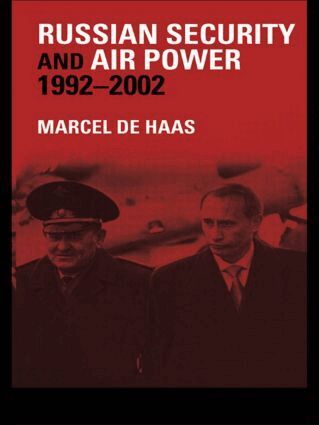
This new book analyzes the security policy of the Russian Federation, internally as well as externally, on all levels of strategy. It describes military and political decision-making from Moscow's grand strategy to the use of a single fighter aircraft in Chechnya. In this analysis, Russia's air forces are used as a model for all services of the armed forces.The Chechen conflicts and NATO's security policy have been dominant factors in the development of Russia's security policy during the period 1992-2002. The use of air power in the Chechen conflicts is used here as a case study for testing political and military-strategic objectives. With regard to NATO's security policy, this study shows that the eastward enlargement of this alliance, as well as its use of force in Bosnia and Kosovo, have caused an increase in anti-Western tendencies in Russian security thinking.
826 kr
Skickas inom 10-15 vardagar
Armed revolution and civil war gave birth to the Soviet Union, world War II propelled it to global pre-eminence, and the Cold War contributed to the Soviet Union's demise. Given Marxism-Leninism's idological preoccupation with war and threats of war, it is understandable that the spectre of war should play a vital role in the life and fate of the Soviet state.This study of Soviet military strategy is based upon the twin pillars of Soviet political-military actions and Soviet writings on the subject of military strategy. Thanks to the policy of glasnost, it incorporates Soviet materials hitherto unavailable in the West. It aims to be not simply a retrospective account of what was, but to form part of the context for what will be in the future.
687 kr
Skickas inom 10-15 vardagar
First published in 2006. This book analyses the security policy pf the Russian Federation, internally as well as externally, at all levels of strategy. It describes military-political decision-making from Moscow's grand strategy to the use of single fighter aircraft in Chechnya. In this analysis, Russia's air forces are used as a model for all services of the armed forces.
771 kr
Skickas inom 10-15 vardagar
This work attempts to clarify the major problems facing Russia's armed forces in the present and immediate future. It covers threats from terrorists, break away republics and threats from outside Russia's borders. The book also includes political and economic problems facing the military.