David Glantz – författare
Visar alla böcker från författaren David Glantz. Handla med fri frakt och snabb leverans.
17 produkter
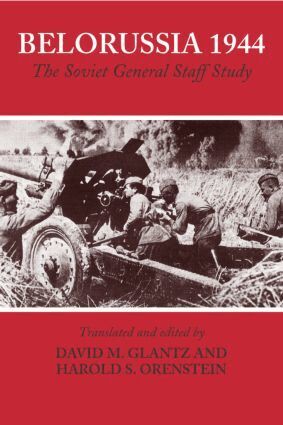
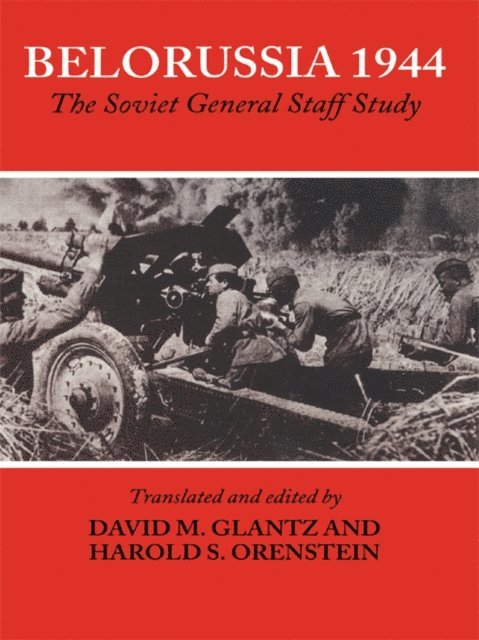
Belorussia 1944
The Soviet General Staff Study
Av David Glantz
Häftad, 2004
877 kr
Lägg i varukorg
A new edited translation of the Soviet Staff study of the Red Army's Belorussian operation in the summer of 1944, which was unprecedented in terms of its scale, scope and strategic consequences. The Soviet Stavka had planned a campaign consisting of a series of massive operations spanning the …
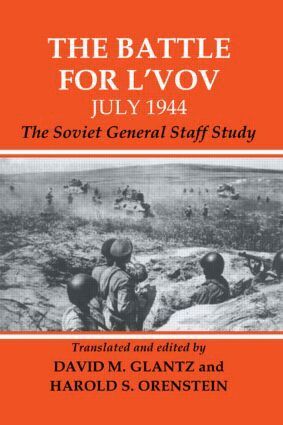
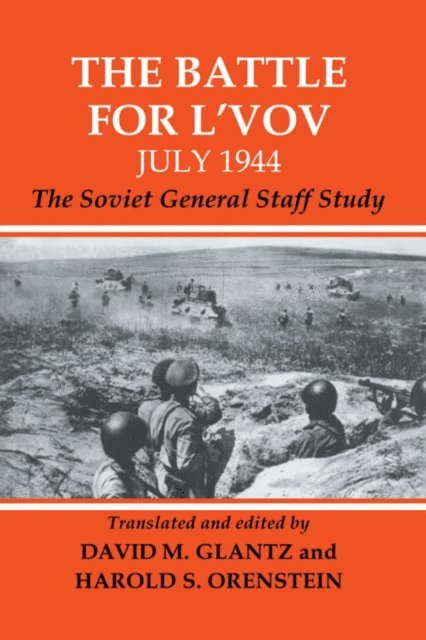
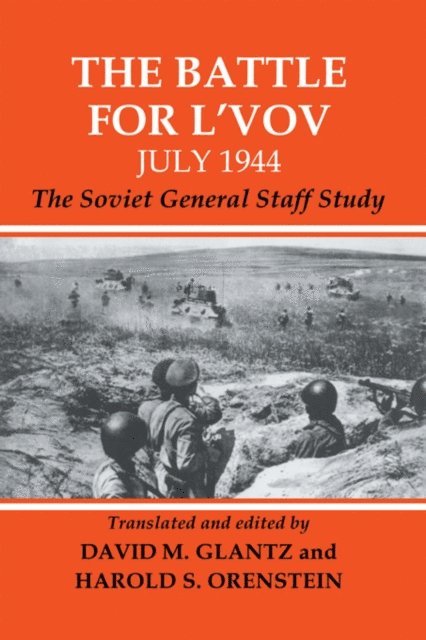
Battle for L'vov July 1944
The Soviet General Staff Study
Av David Glantz, Harold S. Orenstein
Häftad, 2007
937 kr
Lägg i varukorg
The Red Army's summer offensive of 1944 against Hitler's Wehrmacht was unprecedented in terms of its scale, scope, and strategic intent and impact. This study details how the Red Army accomplished this feat in the words of those individuals who planned and orchestrated the offensive.
Battle for L'vov July 1944
The Soviet General Staff Study
Av David Glantz, Harold S. Orenstein
Inbunden, 2002
2586 kr
Lägg i varukorg
The Red Army's summer offensive of 1944 against Hitler's Wehrmacht was unprecedented in terms of its scale, scope, and strategic intent and impact. This study details how the Red Army accomplished this feat in the words of those individuals who planned and orchestrated the offensive.
Soviet Conduct of Tactical Maneuver
Spearhead of the Offensive
Av David Glantz
Häftad, 1991
910 kr
Lägg i varukorg
First Published in 1991. This book addresses a critical aspect of Soviet maneuver theory that has been almost totally neglected in Western analysis, specifically, Soviet concern for tactical maneuver. Since the 1930s, the Soviets have consistently argued that operational maneuver can be successful …
Siege of Leningrad
900 Days of Terror
Av David Glantz
Häftad, 2004
151 kr
Lägg i varukorg
The full story of the most terrible siege in history when over a million people perished, illustrated by pictures recently released from Russian archives.Leningrad (now reverted to its pre-1914 name of St Petersburg) was surrounded by German forces in 1941 and cut off from the rest of Russia. It …
Soviet Conduct of Tactical Maneuver
Spearhead of the Offensive
Av David Glantz
Inbunden, 1991
2744 kr
Lägg i varukorg
First Published in 1991. This book addresses a critical aspect of Soviet maneuver theory that has been almost totally neglected in Western analysis, specifically, Soviet concern for tactical maneuver. Since the 1930s, the Soviets have consistently argued that operational maneuver can be successful …
Belorussia 1944
The Soviet General Staff Study
Av David Glantz
E-bok, 2004
927 kr
Lägg i varukorg
A new edited translation of the Soviet Staff study of the Red Army''s Belorussian operation in the summer of 1944, which was unprecedented in terms of its scale, scope and strategic consequences. The Soviet Stavka had planned a campaign consisting of a series of massive operations spanning the …
Belorussia 1944
The Soviet General Staff Study
Av David Glantz
E-bok, 2004
927 kr
Lägg i varukorg
A new edited translation of the Soviet Staff study of the Red Army''s Belorussian operation in the summer of 1944, which was unprecedented in terms of its scale, scope and strategic consequences. The Soviet Stavka had planned a campaign consisting of a series of massive operations spanning the …
Soviet Conduct of Tactical Maneuver
Spearhead of the Offensive
Av David Glantz
E-bok, 2013
981 kr
Lägg i varukorg
First Published in 1991. This book addresses a critical aspect of Soviet maneuver theory that has been almost totally neglected in Western analysis, specifically, Soviet concern for tactical maneuver. Since the 1930s, the Soviets have consistently argued that operational maneuver can be successful …
Soviet Conduct of Tactical Maneuver
Spearhead of the Offensive
Av David Glantz
E-bok, 2013
981 kr
Lägg i varukorg
First Published in 1991. This book addresses a critical aspect of Soviet maneuver theory that has been almost totally neglected in Western analysis, specifically, Soviet concern for tactical maneuver. Since the 1930s, the Soviets have consistently argued that operational maneuver can be successful …
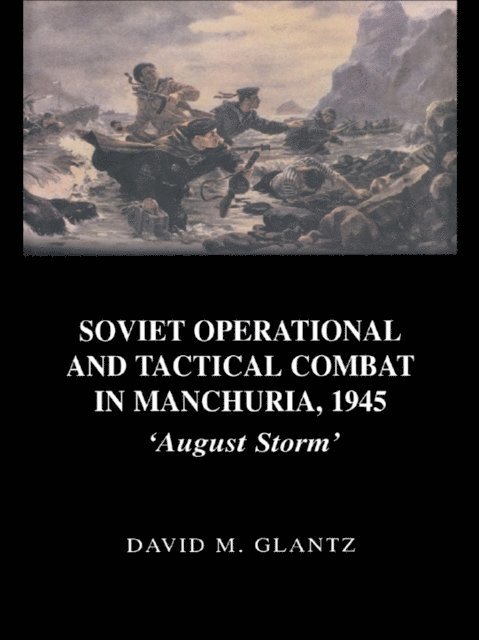
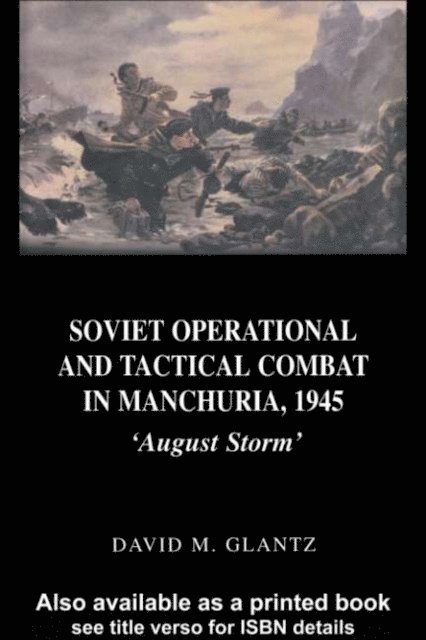
Soviet Operational and Tactical Combat in Manchuria, 1945
''August Storm''
Av David Glantz
E-bok, 2003
890 kr
Lägg i varukorg
At the request of the other Allies, on 9th August 1945, a force of over 1.5 million Red Army soldiers unleashed a massive attack against the Japanese in Manchuria. Volume 2 covers the detailed course of operational and tactical fighting in virtually every combat sector.
Soviet Operational and Tactical Combat in Manchuria, 1945
''August Storm''
Av David Glantz
E-bok, 2003
910 kr
Lägg i varukorg
At the request of the other Allies, on 9th August 1945, a force of over 1.5 million Red Army soldiers unleashed a massive attack against the Japanese in Manchuria. Volume 2 covers the detailed course of operational and tactical fighting in virtually every combat sector.
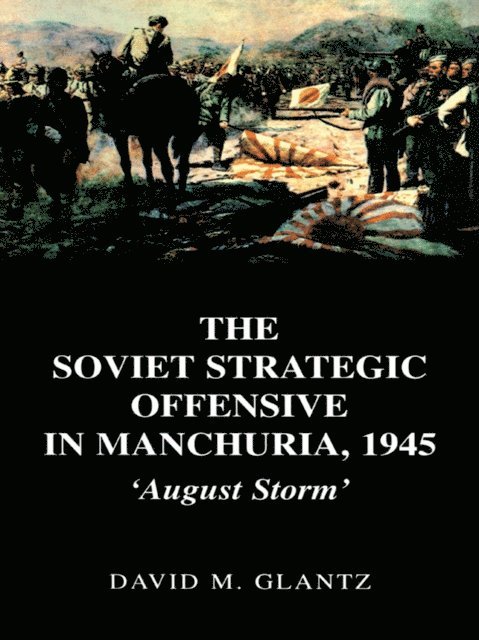
Soviet Strategic Offensive in Manchuria, 1945
''August Storm''
Av David Glantz
E-bok, 2003
910 kr
Lägg i varukorg
This critical examination of the final Soviet strategic offensive operation during World War II seeks to chip away at two generally inaccurate pictures many Westerners have of the war. Specifically, Westerners seem to think that only geography, climate, and sheer numbers negated German military …
Soviet Strategic Offensive in Manchuria, 1945
''August Storm''
Av David Glantz
E-bok, 2003
910 kr
Lägg i varukorg
This critical examination of the final Soviet strategic offensive operation during World War II seeks to chip away at two generally inaccurate pictures many Westerners have of the war. Specifically, Westerners seem to think that only geography, climate, and sheer numbers negated German military …
Battle for L'vov July 1944
The Soviet General Staff Study
Av Harold S. Orenstein, David Glantz
E-bok, 2012
1074 kr
Lägg i varukorg
The Red Army''s summer offensive of 1944 against Hitler''s Wehrmacht was unprecedented in terms of its scale, scope, and strategic intent and impact. This study details how the Red Army accomplished this feat in the words of those individuals who planned and orchestrated the offensive.
Battle for L'vov July 1944
The Soviet General Staff Study
Av Harold S. Orenstein, David Glantz
E-bok, 2012
1106 kr
Lägg i varukorg
The Red Army''s summer offensive of 1944 against Hitler''s Wehrmacht was unprecedented in terms of its scale, scope, and strategic intent and impact. This study details how the Red Army accomplished this feat in the words of those individuals who planned and orchestrated the offensive.
Belorussia 1944
The Soviet General Staff Study
Av David Glantz
Inbunden, 2001
1429 kr
Tillfälligt slut
A new edited translation of the Soviet Staff study of the Red Army's Belorussian operation in the summer of 1944, which was unprecedented in terms of its scale, scope and strategic consequences. The Soviet Stavka had planned a campaign consisting of a series of massive operations spanning the …