Twentieth-Century Battles - Böcker
Visar alla böcker i serien Twentieth-Century Battles. Handla med fri frakt och snabb leverans.
17 produkter
17 produkter
372 kr
Skickas inom 7-10 vardagar
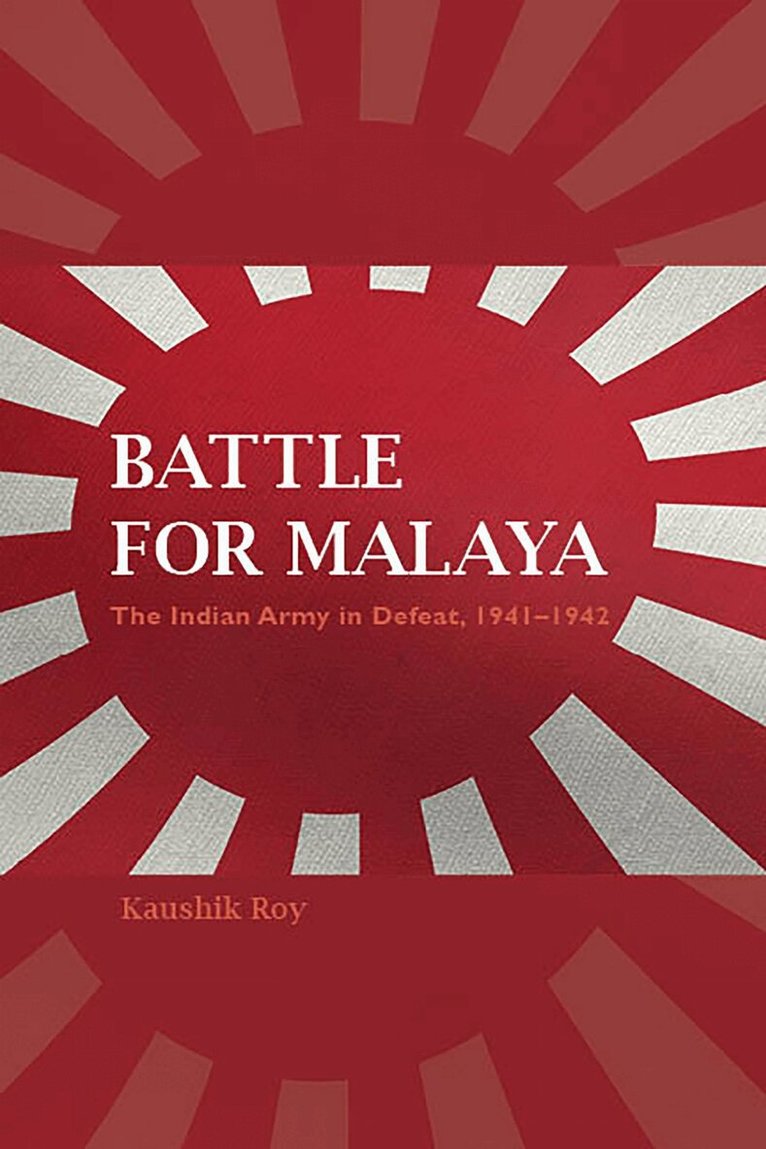
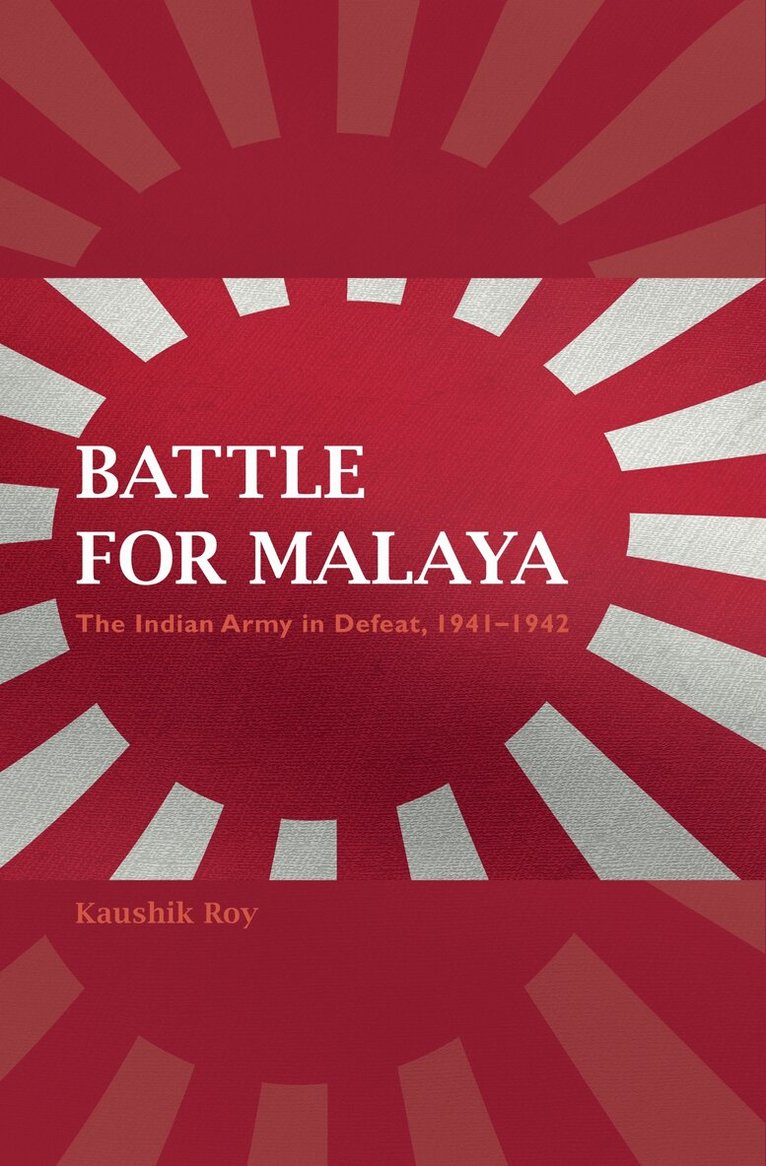
The defeat of 90,000 Commonwealth soldiers by 50,000 Japanese soldiers made the World War II Battle for Malaya an important encounter for both political and military reasons. British military prestige was shattered, fanning the fires of nationalism in Asia, especially in India. Japan's successful tactics in Malaya—rapid marches, wide outflanking movement along difficult terrain, nocturnal attacks, and roadblocks—would be repeated in Burma in 1942–43. Until the Allied command evolved adequate countermeasures, Japanese soldiers remained supreme in the field. Looking beyond the failures of command, Kaushik Roy focuses on tactics of the ground battle that unfolded in Malaya between December 1941 and February 1942. His analysis includes the organization of the Indian Army—the largest portion of Commonwealth troops—and compares it to the British and Australian armies that fought side by side with Indian soldiers. Utilizing both official war office records and unofficial memoirs, autobiographies, and oral histories, Roy presents a synthesis of history from the top with history from below and provides a thick narrative of operations interwoven with tactical analysis of the Battle for Malaya.
391 kr
Skickas inom 10-15 vardagar
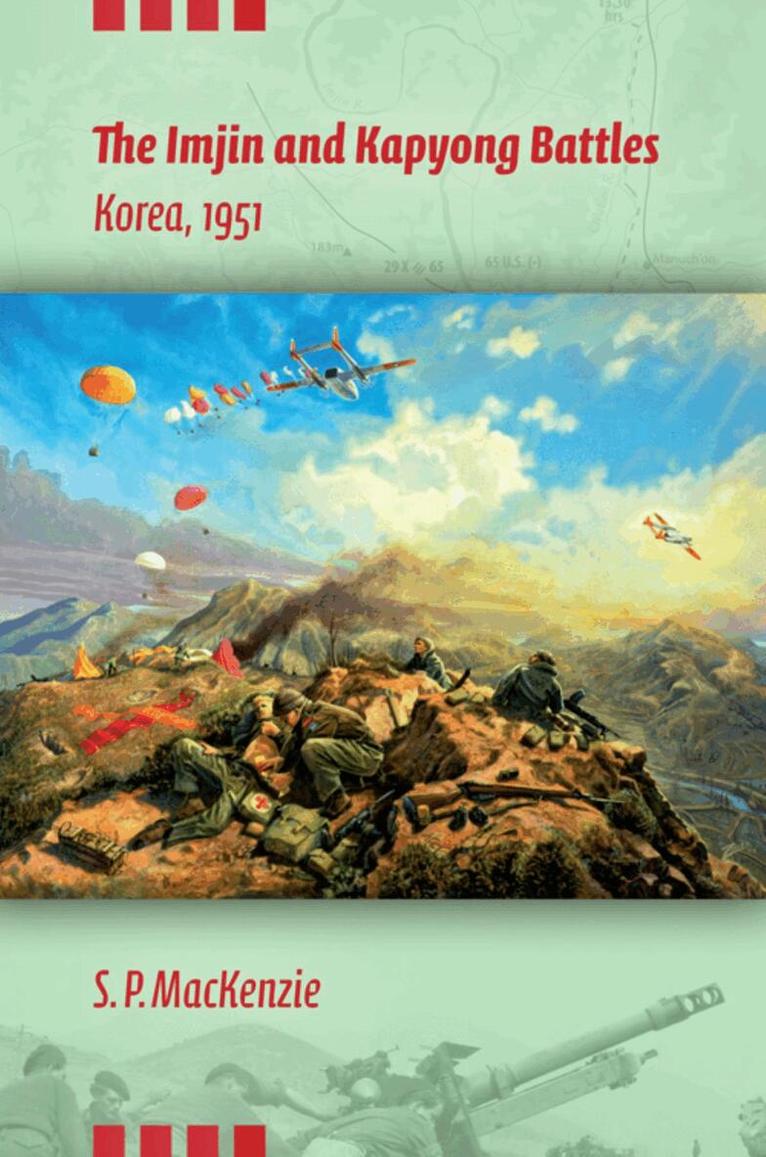
The sacrifice of the "Glorious Glosters" in defense of the Imjin River line and the hilltop fights of Australian and Canadian battalions in the Kapyong Valley have achieved greater renown in those nations than any other military action since World War II. This book is the first to compare in depth what happened and why. Using official and unofficial source material ranging from personal interviews to war diaries, this study seeks to disentangle the mythology surrounding both battles and explain why events unfolded as they did. Based on thorough familiarity with all available sources, many not previously utilized, it sheds new light on fighting "the forgotten war."
501 kr
Skickas inom 10-15 vardagar
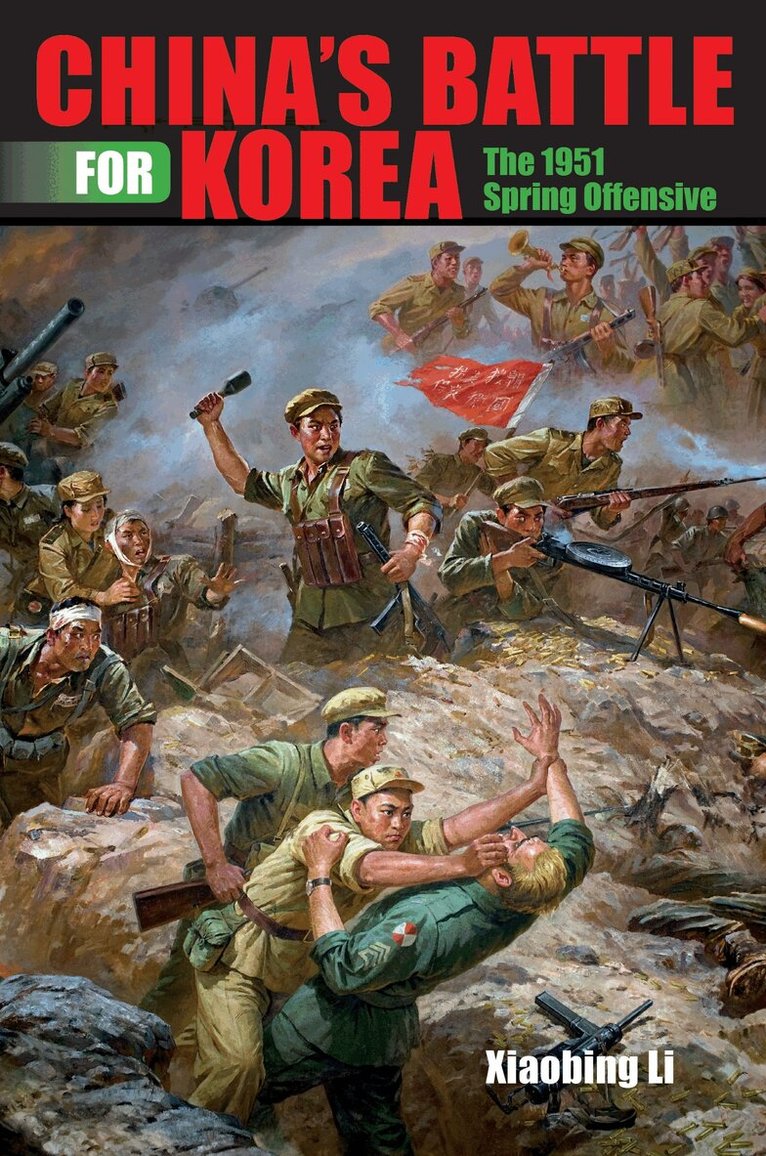
Between November 1950 and the end of fighting in June 1953, China launched six major offensives against UN forces in Korea. The most important of these began on April 22, 1951, and was the largest Communist military operation of the war. The UN forces put up a strong defense, prevented the capture of the South Korean capital of Seoul, and finally pushed the Chinese back above the 38th parallel. After China's defeat in this epic five-week battle, Mao Zedong and the Chinese leadership became willing to conclude the war short of total victory. China's Battle for Korea offers new perspectives on Chinese decision making, planning, and execution; the roles of command, political control, and technology; and the interaction between Beijing, Pyongyang, and Moscow, while providing valuable insight into Chinese military doctrine and the reasons for the UN's military success.
309 kr
Skickas inom 10-15 vardagar
Kut-al-Amara was the site of one of the longest sieges ever endured by British forces. On December 3, 1915, the 6th Indian Division under Charles Townshend sought refuge from pursuing Turkish forces inside the walled town. With no heavy artillery to destroy fortifications, the Turks circled the town, subjecting it to intermittent shelling, small arms fire, and infantry attacks. British relief units made repeated attempts to break through the Turkish lines. Meanwhile, within Kut-al-Amara a different sort of war was going on. Townshend's division was made up of Muslim sepoys, who had misgivings about fighting the Turks. Not only were the Turks fellow Muslims but they served the Ottoman Sultan, recognized by many as the Caliph, the spiritual and temporal head of Islam. The Turks played upon this potentially divided loyalty with a propaganda campaign intended to encourage desertion. Then, when a shortage of food forced the garrison to supplement its rations with horsemeat, Muslim and Hindu soldiers were faced with violating dietary restrictions in order to survive. For British officers, prolonging the defense of Kut was complicated by the need to combat disaffection and starvation among the Indian rank and file. A significant event in the British campaign in Mesopotamia, the Siege of Kut-al-Amara offers important insights into Britain's imperial army and its role in the Middle East during World War I.
391 kr
Skickas inom 10-15 vardagar
In 1942, the Solomon Islands formed the stepping stones toward Rabaul, the main base of Japanese operations in the South Pacific, and the Allies primary objective. The stunning defeat of Japanese forces at the Naval Battle of Guadalcanal in November marked the turning point in the war against Japan and the start of an offensive in the Central Solomons aimed at New Georgia. New Georgia: The Second Battle for the Solomons tells the story of the land, sea, and air battles fought there from March through October 1943. Making careful and copious use of both Japanese and Allied sources, Ronnie Day masterfully weaves the intricate threads of these battles into a well-crafted narrative of this pivotal period in the war. As Day makes clear, combat in the Solomons exemplified the war in the Pacific, especially the importance of air power, something the Japanese failed to understand until it was too late, and the strategy of island hopping, bypassing Japanese strongholds (including Rabaul) in favor of weaker or more strategically advantageous targets. This multifaceted account gives the fighting for New Georgia its proper place in the history of the drive to break the Japanese defensive perimeter and bring the homeland within range of Allied bombers.
264 kr
Skickas inom 7-10 vardagar
With the knowledge born of firsthand experience, James H. Willbanks tells the story of the 60-day siege of An Loc. In 1972, late in the Vietnam War, a small group of South Vietnamese held off three North Vietnamese divisions and helped prevent a direct attack on Saigon. The battle can be considered one of the major events during the gradual American exit from Vietnam. An advisor to the South Vietnamese during the battle, Willbanks places the battle in the context of the shifting role of the American forces and a policy decision to shift more of the burden of fighting the war onto the Vietnamese troops. He presents an overview of the 1972 North Vietnamese Easter Offensive, a plan to press forward the attack on U.S. and ARVN positions throughout the country, including Binh Long province and Saigon. The North Vietnamese hoped to strike a decisive blow at a time when most American troops were being withdrawn. The heart of Willbanks's account concentrates on the fighting in Binh Long province, Saigon, and the siege of An Loc. It concludes with a discussion of the Paris peace talks, the significance of the fighting at An Loc, and the eventual fall of South Vietnam.
318 kr
Skickas inom 7-10 vardagar
The Battle of Leyte Gulf was the greatest naval engagement in history. The battle was four separate actions, none of which were fought in the Gulf itself, and the result was the destruction of Japanese naval power in the Pacific. This book is a detailed and comprehensive account of the fighting from both sides. It provides the context of the battle, most obviously in terms of Japanese calculations and the search for "a fitting place to die" and "the chance to bloom as flowers of death." Using Japanese material never previously noted in western accounts, H. P. Willmott provides new perspectives on the unfolding of the battle and very deliberately seeks to give readers a proper understanding of the importance of this battle for American naval operations in the following month. This careful interrogation of the accounts of "the last fleet action" is a significant contribution to military history.
Scratch One Flattop
The First Carrier Air Campaign and the Battle of the Coral Sea
Inbunden, Engelska, 2019
494 kr
Skickas inom 7-10 vardagar
By the beginning of May 1942, five months after the Pearl Harbor attack, the US Navy was ready to challenge the Japanese moves in the South Pacific. When the Japanese sent troops to New Guinea and the Solomon Islands, the Americans sent the carriers Lexington and Yorktown to counter the move, setting the stage for the Battle of the Coral Sea.In Scratch One Flattop: The First Carrier Air Campaign and the Battle of the Coral Sea, historian Robert C. Stern analyzes the Battle of the Coral Sea, the first major fleet engagement where the warships were never in sight of each other. Unlike the Battle of Midway, the Battle of the Coral Sea has received remarkably little study. Stern covers not only the action of the ships and their air groups but also describes the impact of this pivotal engagement. His analysis looks at the short-term impact as well as the long-term implications, including the installation of inert gas fuel-system purging on all American aircraft carriers and the push to integrate sensor systems with fighter direction to better protect against enemy aircraft. The essential text on the first carrier air campaign, Scratch One Flattop is a landmark study on an overlooked battle in the first months of the United States' engagement in World War II.
872 kr
Skickas inom 7-10 vardagar
The defeat of 90,000 Commonwealth soldiers by 50,000 Japanese soldiers made the World War II Battle for Malaya an important encounter for both political and military reasons. British military prestige was shattered, fanning the fires of nationalism in Asia, especially in India. Japan's successful tactics in Malaya—rapid marches, wide outflanking movement along difficult terrain, nocturnal attacks, and roadblocks—would be repeated in Burma in 1942–43. Until the Allied command evolved adequate countermeasures, Japanese soldiers remained supreme in the field. Looking beyond the failures of command, Kaushik Roy focuses on tactics of the ground battle that unfolded in Malaya between December 1941 and February 1942. His analysis includes the organization of the Indian Army—the largest portion of Commonwealth troops—and compares it to the British and Australian armies that fought side by side with Indian soldiers. Utilizing both official war office records and unofficial memoirs, autobiographies, and oral histories, Roy presents a synthesis of history from the top with history from below and provides a thick narrative of operations interwoven with tactical analysis of the Battle for Malaya.
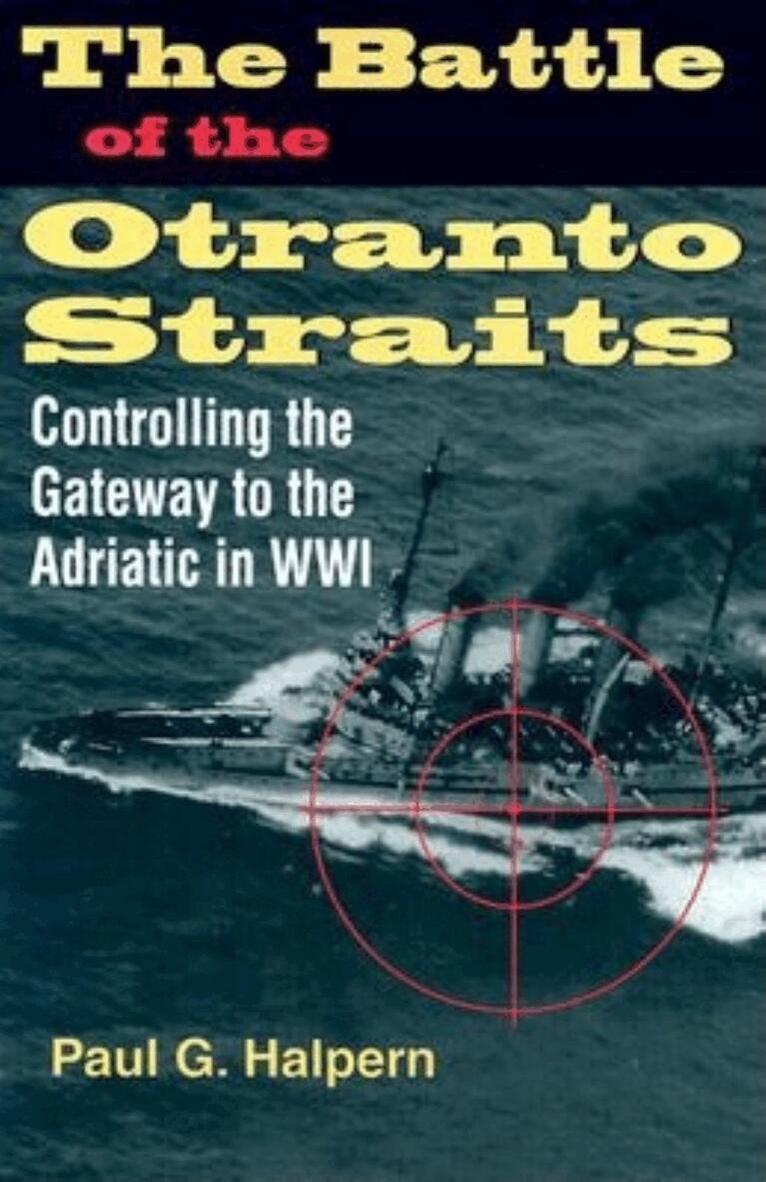
Battle of the Otranto Straits
Controlling the Gateway to the Adriatic in World War I
Inbunden, Engelska, 2004
336 kr
Skickas inom 10-15 vardagar
Called by some a "Mediterranean Jutland," the Battle of the Otranto Straits involved warships from Austria, Germany, Italy, Britain, and France. Although fought by light units with no dreadnoughts involved, Otranto was a battle in three dimensions—engaging surface vessels, aircraft, and subsurface weapons (both submarines and mines). An attempt to halt the movement of submarines into the Adriatic using British drifters armed with nets and mines led to a raid by Austrian light cruisers. The Austrians inflicted heavy damage on the drifters, but Allied naval forces based at Brindisi cut off their withdrawal. The daylight hours saw a running battle, with the Austrians at considerable risk. Heavier Austrian units put out from Cattaro in support, and at the climactic moment the Allied light forces had to turn away, permitting the Austrians to escape. In the end, the Austrians had inflicted more damage than they suffered themselves. The Otranto action shows the difficulties of waging coalition warfare in which diplomatic and national jealousies override military efficiency.
309 kr
Skickas inom 10-15 vardagar
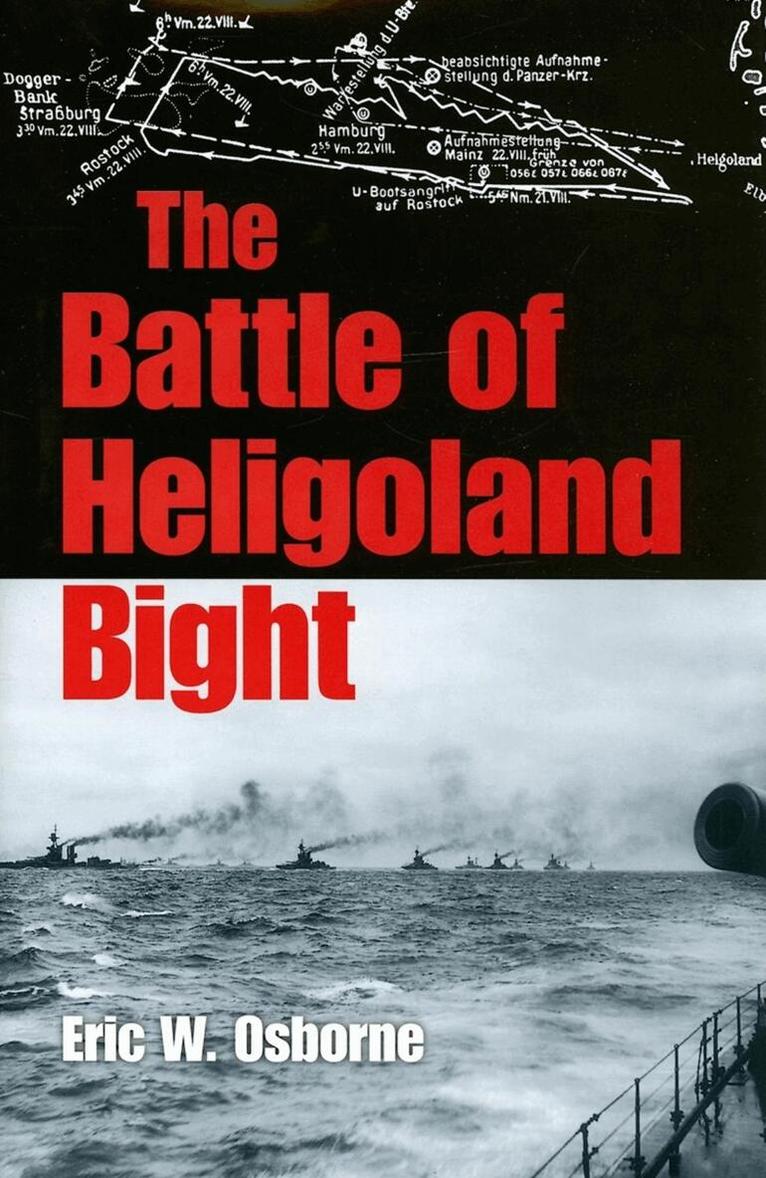
The battle of Heligoland Bight was the first major action between the British and German fleets during World War I. The British orchestrated the battle as a warning to the German high command that any attempt to operate their naval forces in the North Sea would be met by strong British resistance. Heligoland Island guarded the entrance to the main German naval anchorage at Kiel. Fought on August 28, 1914, the engagement was complicated by dense fog, the piecemeal engagement of German forces, and the unexpected appearance in the area of additional British ships, which were hard to distinguish from foe. Initial British damage was significant; however, fearing that the protracted battle would allow the bulk of the German fleet to join the battle, the British brought in their battle cruiser reinforcements and won the day, inflicting heavy losses on the Germans.The battle was significant for its political and strategic ramifications for the two sides. The Germans became reluctant to engage large forces in an attempt to gain a decisive maritime victory. After this defeat, any plans for large-scale fleet operations had to be approved by the Kaiser, which hampered the German fleet's effectiveness. This left the North Sea to Great Britain for much of the war.
336 kr
Skickas inom 10-15 vardagar
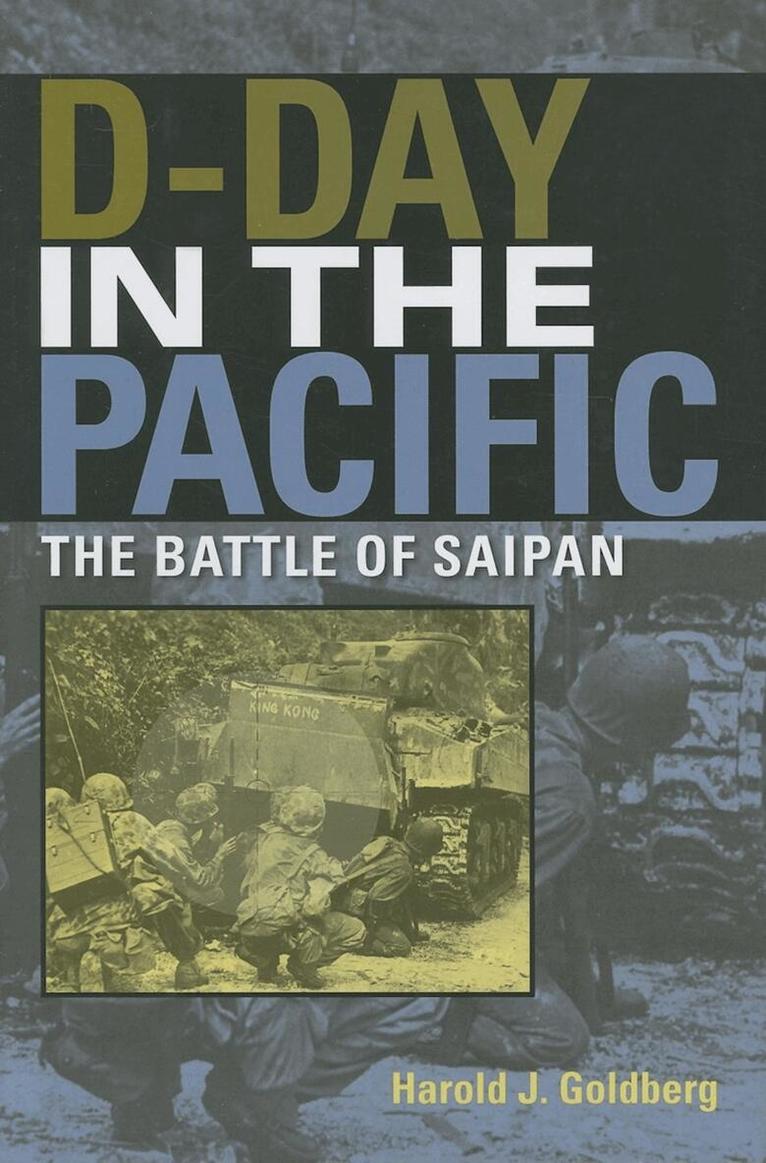
In June 1944 the attention of the nation was riveted on events unfolding in France. But in the Pacific, the Battle of Saipan was of extreme strategic importance. This is a gripping account of one of the most dramatic engagements of World War II. The conquest of Saipan and the neighboring island of Tinian was a turning point in the war in the Pacific as it made the American victory against Japan inevitable. Until this battle, the Japanese continued to believe that success in the war remained possible. While Japan had suffered serious setbacks as early as the Battle of Midway in 1942, Saipan was part of her inner defense line, so victory was essential. The American victory at Saipan forced Japan to begin considering the reality of defeat. For the Americans, the capture of Saipan meant secure air bases for the new B-29s that were now within striking distance of all Japanese cities, including Tokyo.
446 kr
Skickas inom 10-15 vardagar
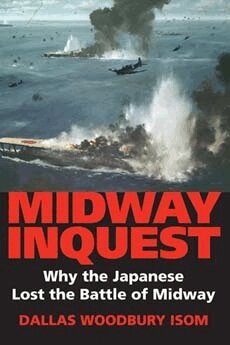
Midway, the most famous naval battle in American history, has been the subject of many excellent books. However, none satisfactorily explain why the Japanese lost that battle, given their overwhelming advantage in firepower. While no book may ever silence debate on the subject, Midway Inquest answers the central mystery of the battle. Why could the Japanese not get a bomber strike launched against the American carrier force before being attacked and destroyed by American dive bombers from the Enterprise and Yorktown? Although it is well known that the Japanese were unable to launch an immediate attack because their aircraft were in the process of changing armament, why wasn't the rearming operation reversed and an attack launched before the American planes arrived? Based on extensive research in Japanese primary records, Japanese literature on the battle, and interviews with over two dozen Japanese veterans from the carrier air groups, this book solves the mystery at last.
391 kr
Skickas inom 10-15 vardagar
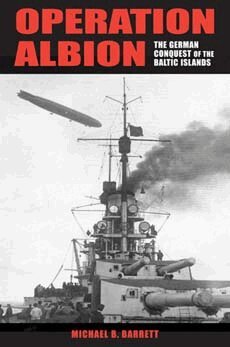
In October 1917, an invasion force of some 25,000 German soldiers, accompanied by a flotilla of 10 dreadnoughts, 350 other vessels, a half-dozen zeppelins, and 80 aircraft, attacked the Baltic islands of Dago, Osel, and Moon at the head of the Gulf of Riga. It proved to be the most successful amphibious operation of World War I. The three islands fell, the Gulf was opened to German warships and was now a threat to Russian naval bases in the Gulf of Finland, and 20,000 Russians were captured. The invasion proved to be the last major operation in the East. Although the invasion had achieved its objectives and placed the Germans in an excellent position for the resumption of warfare in the spring, within three weeks of the operation, the Bolsheviks took power in Russia (November 7, 1917) and Albion faded into obscurity as the war in the East came to a slow end.
336 kr
Skickas inom 10-15 vardagar
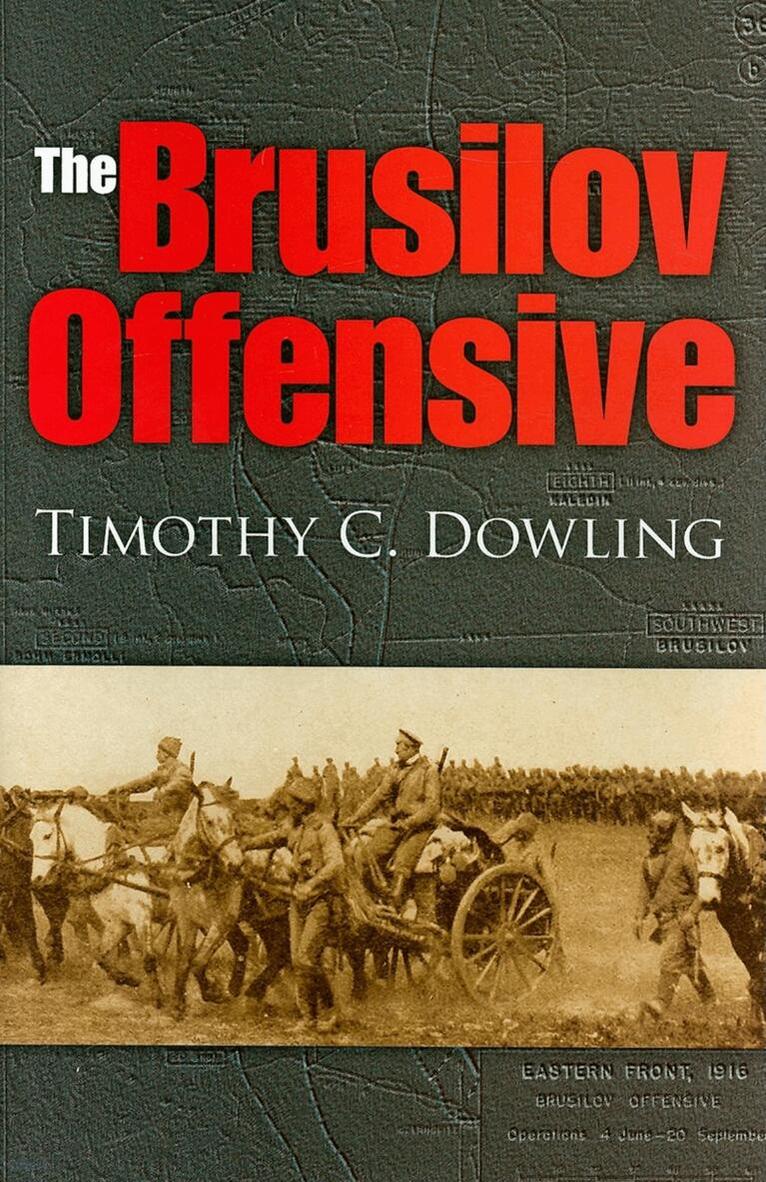
In the summer of 1915, the Central Powers launched an offensive on the Eastern Front that they hoped would decide the war. It did not, of course. In June 1916, an Allied army under the command of Aleksei A. Brusilov decimated the Central Powers' gains of 1915. Brusilov's success brought Romania into the war, extinguished the offensive ability of the Habsburg armies, and forced Austria-Hungary into military dependence on and political subservience to Germany. The results were astonishing in military terms, but the political consequences were perhaps even more significant. More than any other action, the Brusilov Offensive brought the Habsburg Empire to the brink of a separate peace, while creating conditions for revolution within the Russian Imperial Army. Timothy C. Dowling tells the story of this important but little-known battle in the military and political history of the Eastern Front.
309 kr
Skickas inom 10-15 vardagar
The First Battle of the Marne produced the so-called Miracle of the Marne, when French and British forces stopped the initial German drive on Paris in 1914. Hundreds of thousands of casualties later, with opposing forces still dug into trench lines, the Germans tried again to push their way to Paris and to victory. The Second Battle of the Marne (July 15 to August 9, 1918) marks the point at which the Allied armies stopped the massive German Ludendorff Offensives and turned to offensive operations themselves. The Germans never again came as close to Paris nor resumed the offensive. The battle was one of the first large multinational battles fought by the Allies since the assumption of supreme command by French general Ferdinand Foch. It marks the only time the French, American, and British forces fought together in one battle. A superb account of the bloody events of those fateful days, this book sheds new light on a critically important 20th-century battle.
440 kr
Skickas inom 7-10 vardagar
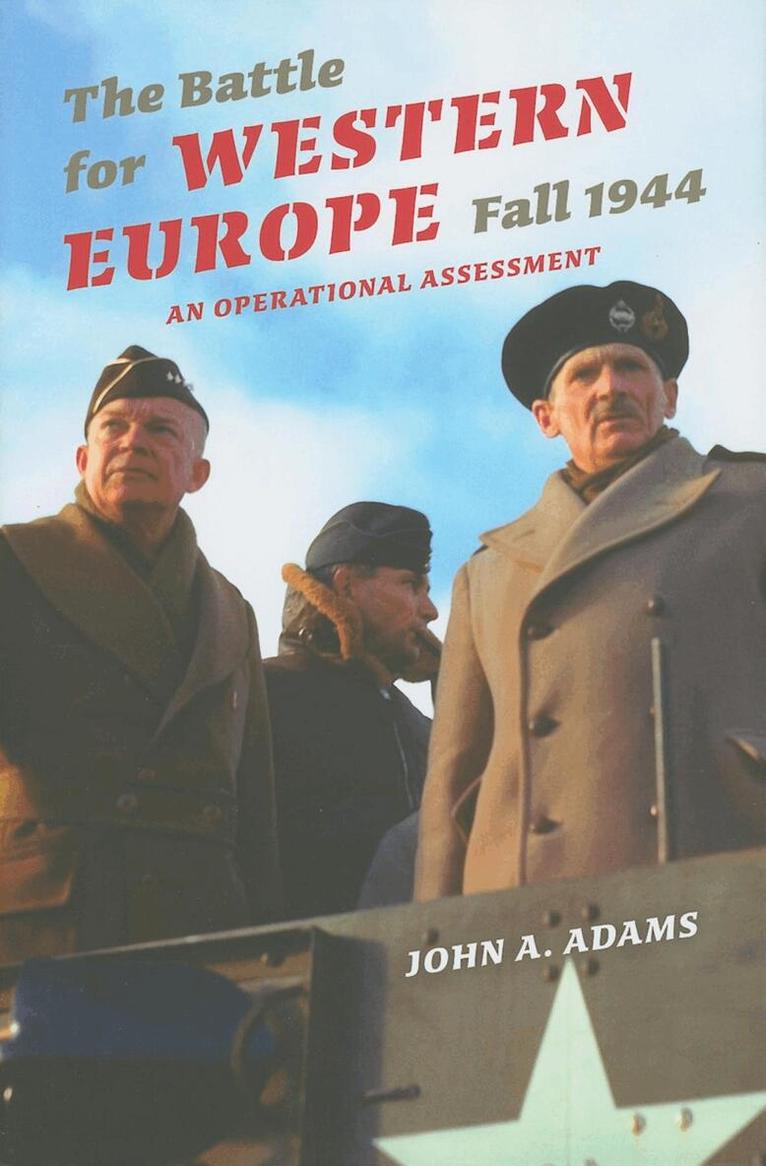
This engrossing and meticulously researched volume reexamines the decisions made by Dwight D. Eisenhower and his staff in the crucial months leading up to the Battle of the Bulge. In late August 1944 defeat of the Wehrmacht seemed assured. On December 16, however, the Germans counterattacked. Received wisdom says that Eisenhower's Broad Front strategy caused his armies to stall in early September, and his subsequent failure to concentrate his forces brought about deadlock and opened the way for the German attack. Arguing to the contrary, John A. Adams demonstrates that Eisenhower and his staff at SHAEF had a good campaign strategy, refined to reflect developments on the ground, which had an excellent chance of destroying the Germans west of the Rhine.