Nikolas Gardner - Böcker
Visar alla böcker från författaren Nikolas Gardner. Handla med fri frakt och snabb leverans.
3 produkter
3 produkter
311 kr
Skickas inom 10-15 vardagar
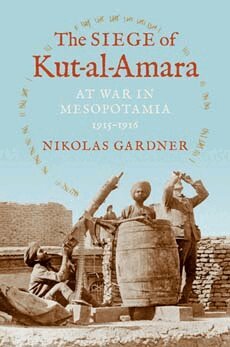
Kut-al-Amara was the site of one of the longest sieges ever endured by British forces. On December 3, 1915, the 6th Indian Division under Charles Townshend sought refuge from pursuing Turkish forces inside the walled town. With no heavy artillery to destroy fortifications, the Turks circled the town, subjecting it to intermittent shelling, small arms fire, and infantry attacks. British relief units made repeated attempts to break through the Turkish lines. Meanwhile, within Kut-al-Amara a different sort of war was going on. Townshend's division was made up of Muslim sepoys, who had misgivings about fighting the Turks. Not only were the Turks fellow Muslims but they served the Ottoman Sultan, recognized by many as the Caliph, the spiritual and temporal head of Islam. The Turks played upon this potentially divided loyalty with a propaganda campaign intended to encourage desertion. Then, when a shortage of food forced the garrison to supplement its rations with horsemeat, Muslim and Hindu soldiers were faced with violating dietary restrictions in order to survive. For British officers, prolonging the defense of Kut was complicated by the need to combat disaffection and starvation among the Indian rank and file. A significant event in the British campaign in Mesopotamia, the Siege of Kut-al-Amara offers important insights into Britain's imperial army and its role in the Middle East during World War I.
1 177 kr
Skickas inom 10-15 vardagar
While existing accounts of this period have elevated the exploits of the British soldiers on the battlefield to almost legendary status, the operations of the British Expeditionary Force in the dramatic opening campaign of the First World War remain poorly understood. Based on official unit war diaries, as well as personal papers and memoirs of numerous officers, this study sheds significant new light on the retreat from Mons in August 1914, the advance to the River Aisne in September, and the climactic First Battle of Ypres in October and November. In addition, Gardner provides important insights into the ideas and values of British officers in the initial stages of the war.Beyond explaining the conduct of the 1914 campaign, Gardner analyzes the initial stages of the learning curve experienced by British officers as they grappled with an unaccustomed type of warfare, including the unprecedented scale and intensity of the conflict as well as the advent of trench warfare. He also demonstrates the impact of rivalries among senior officers on the operations of the army. As a whole, the study adds depth to our understanding of command in European armies during the First World War.
444 kr
Skickas inom 7-10 vardagar
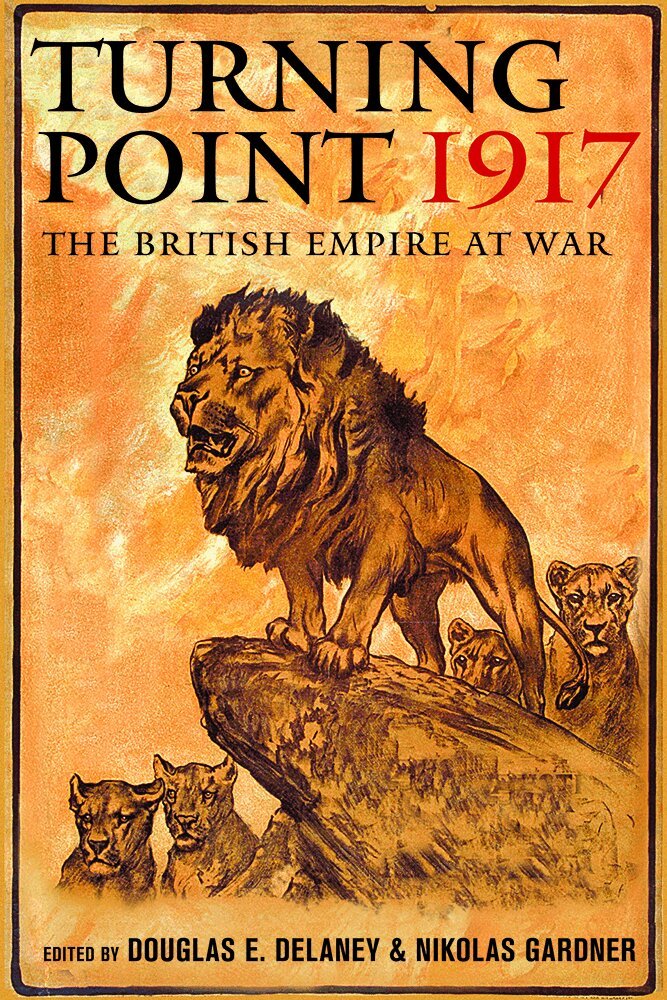
For the British Empire and its allies of the Great War, 1917 was a year marked by one crisis after another. There was also social and political upheaval on the home front, including labour unrest and opposition to conscription in the dominions. But here and there glimmers of light pierced the gloom. The armies of the empire began to solve the puzzle of trench warfare. The dominions asserted themselves more in the councils of imperial power. And the United States finally entered the war.Turning Point 1917 examines the British imperial war effort during the most pivotal and dynamic twelve months of the Great War. Written by internationally recognized historians, its chapters explore military, diplomatic, and domestic aspects of how the empire prosecuted the war. Their rich, nuanced analysis transcends narrow, national viewpoints of the conflict to view the British Empire as a coalition rather than individual states engaged in their own distinctive struggles. In drawing attention to the developments that made 1917 a turning point, this book provides a unique perspective of the war.