Weyerhaeuser Environmental Classics - Böcker
Visar alla böcker i serien Weyerhaeuser Environmental Classics. Handla med fri frakt och snabb leverans.
15 produkter
15 produkter
1 789 kr
Skickas inom 7-10 vardagar
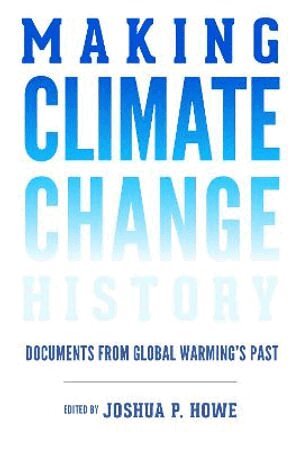
This collection pulls together key documents from the scientific and political history of climate change, including congressional testimony, scientific papers, newspaper editorials, court cases, and international declarations. Far more than just a compendium of source materials, the book uses these documents as a way to think about history, while at the same time using history as a way to approach the politics of climate change from a new perspective. Making Climate Change History provides the necessary background to give readers the opportunity to pose critical questions and create plausible answers to help them understand climate change in its historical context; it also illustrates the relevance of history to building effective strategies for dealing with the climatic challenges of the future.
390 kr
Skickas inom 11-20 vardagar
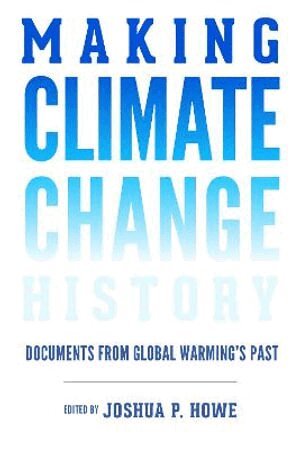
This collection pulls together key documents from the scientific and political history of climate change, including congressional testimony, scientific papers, newspaper editorials, court cases, and international declarations. Far more than just a compendium of source materials, the book uses these documents as a way to think about history, while at the same time using history as a way to approach the politics of climate change from a new perspective. Making Climate Change History provides the necessary background to give readers the opportunity to pose critical questions and create plausible answers to help them understand climate change in its historical context; it also illustrates the relevance of history to building effective strategies for dealing with the climatic challenges of the future.
1 739 kr
Skickas inom 3-6 vardagar
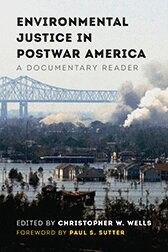
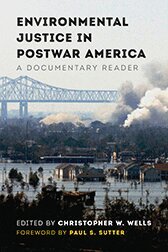
In the decades after World War II, the American economy entered a period of prolonged growth that created unprecedented affluence—but these developments came at the cost of a host of new environmental problems. Unsurprisingly, a disproportionate number of them, such as pollution-emitting factories, waste-handling facilities, and big infrastructure projects, ended up in communities dominated by people of color. Constrained by long-standing practices of segregation that limited their housing and employment options, people of color bore an unequal share of postwar America’s environmental burdens.This reader collects a wide range of primary source documents on the rise and evolution of the environmental justice movement. The documents show how environmentalists in the 1970s recognized the unequal environmental burdens that people of color and low-income Americans had to bear, yet failed to take meaningful action to resolve them. Instead, activism by the affected communities themselves spurred the environmental justice movement of the 1980s and early 1990s. By the turn of the twenty-first century, environmental justice had become increasingly mainstream, and issues like climate justice, food justice, and green-collar jobs had taken their places alongside the protection of wilderness as “environmental” issues.Environmental Justice in Postwar America is a powerful tool for introducing students to the US environmental justice movement and the sometimes tense relationship between environmentalism and social justice.For more information, visit the editor's website: http://cwwells.net/PostwarEJ
Debating Malthus
A Documentary Reader on Population, Resources, and the Environment
Inbunden, Engelska, 2022
1 789 kr
Skickas inom 7-10 vardagar
Introducing students to the place of population in environmental thinkingFor centuries, thinking about the earth's increasing human population has been tied to environmental ideas and political action. This highly teachable collection of contextualized primary sources allows students to follow European and North American discussions about intertwined and evolving concepts of population, resources, and the natural environment from early contexts in the sixteenth century through to the present day.Edited and introduced by Robert J. Mayhew, a noted biographer of Thomas Robert Malthus—whose Essay on the Principle of Population (1798), excerpted here, is an influential and controversial take on the topic—this volume explores themes including evolution, eugenics, war, social justice, birth control, environmental Armageddon, and climate change. Other responses to the idea of new "population bombs" are represented here by radical feminist work, by Indigenous views of the population-environment nexus, and by intersectional race-gender approaches. By learning the patterns of this discourse, students will be better able to critically evaluate historical conversations and contemporary debates.
Debating Malthus
A Documentary Reader on Population, Resources, and the Environment
Häftad, Engelska, 2022
444 kr
Skickas inom 7-10 vardagar
Introducing students to the place of population in environmental thinkingFor centuries, thinking about the earth's increasing human population has been tied to environmental ideas and political action. This highly teachable collection of contextualized primary sources allows students to follow European and North American discussions about intertwined and evolving concepts of population, resources, and the natural environment from early contexts in the sixteenth century through to the present day.Edited and introduced by Robert J. Mayhew, a noted biographer of Thomas Robert Malthus—whose Essay on the Principle of Population (1798), excerpted here, is an influential and controversial take on the topic—this volume explores themes including evolution, eugenics, war, social justice, birth control, environmental Armageddon, and climate change. Other responses to the idea of new "population bombs" are represented here by radical feminist work, by Indigenous views of the population-environment nexus, and by intersectional race-gender approaches. By learning the patterns of this discourse, students will be better able to critically evaluate historical conversations and contemporary debates.
Mountain Gloom and Mountain Glory
The Development of the Aesthetics of the Infinite
Häftad, Engelska, 1997
577 kr
Skickas inom 7-10 vardagar
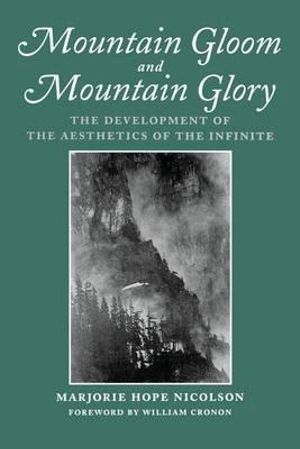
To English poets and writers of the seventeenth century, as to their predecessors, mountains were ugly protuberances which disfigured nature and threatened the symmetry of earth; they were symbols God’s wrath. Yet, less than two centuries later the romantic poets sang in praise of mountain splendor, of glorious heights that stirred their souls to divine ecstasy. In this very readable and fascinating study, Marjorie Hope Nicolson considers the intellectual renaissance at the close of the seventeenth century that caused the shift from mountain gloom to mountain glory. She examines various writers from the seventeenth, eighteenth, and nineteenth centuries and traces both the causes and the process of this drastic change in perception.
502 kr
Skickas inom 7-10 vardagar
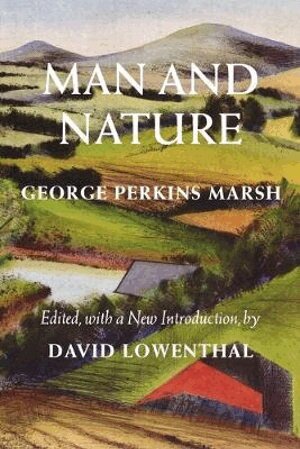
In Man and Nature, first published in 1864, polymath scholar and diplomat George Perkins Marsh challenged the general belief that human impact on nature was generally benign or negligible and charged that ancient civilizations of the Mediterranean had brought about their own collapse by their abuse of the environment. By deforesting their hillsides and eroding their soils, they had destroyed the natural fertility that sustained their well-being. Marsh offered his compatriots in the United States a stern warning that the young American republic might repeat these errors of the ancient world if it failed to end its own destructive waste of natural resources. Marsh’s ominous warnings inspired conservation and reform. In linking culture with nature, science with history, Man and Nature was the most influential text of its time next to Darwin’s On the Origin of Species, published just five years earlier.In his Introduction to this new edition, David Lowenthal places Man and Nature in the context of recent scholarship and evaluates its significance for the environmental movement that has emerged since the latter part of the twentieth century. He also paints a vivid portrait of the book’s brilliant, passionate, wide-ranging, and sometimes choleric author.Although what we know and what we fear about the environment have vastly amplified since Marsh’s day, his appraisal of forest cover and erosion remains largely valid, his cautions about watershed control still cognent, and his call for stewardship ever more pertinent. Man and Nature is worth reading not only for having taught lessons crucial in its day, but for teaching them still so well.
298 kr
Skickas inom 7-10 vardagar
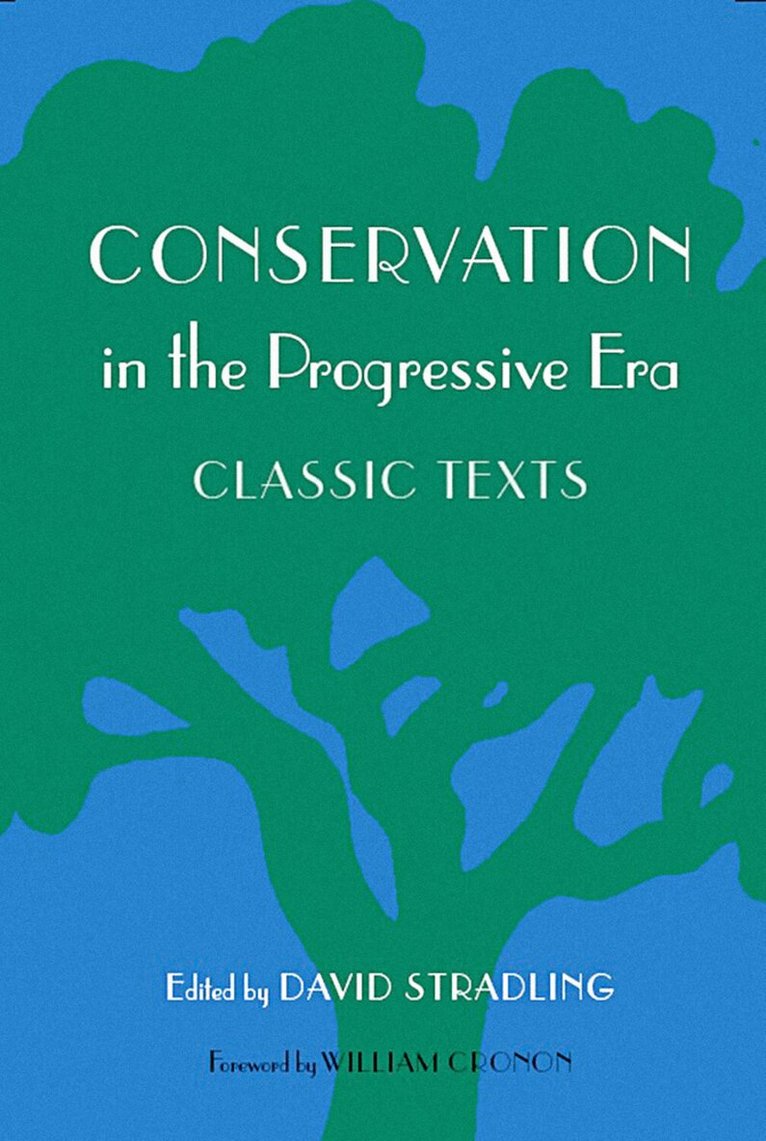
Conservation was the first nationwide political movement in American history to grapple with environmental problems like waste, pollution, resource exhaustion, and sustainability. At its height, the conservation movement was a critical aspect of the broader reforms undertaken in the Progressive Era (1890-1910), as the rapidly industrializing nation struggled to protect human health, natural beauty, and "national efficiency." This highly effective Progressive Era movement was distinct from earlier conservation efforts and later environmentalist reforms.Conservation in the Progressive Era places conservation in historical context, using the words of participants in and opponents to the movement. Together, the documents collected here reveal the various and sometimes conflicting uses of the term "conservation" and the contested nature of the reforms it described.This collection includes classic texts by such well-known figures as Theodore Roosevelt, Gifford Pinchot, and John Muir, as well as texts from lesser-known but equally important voices that are often overlooked in environmental studies: those of rural communities, women, and the working class. These lively selections provoke unexpected questions and ideas about many of the significant environmental issues facing us today.
290 kr
Skickas inom 7-10 vardagar
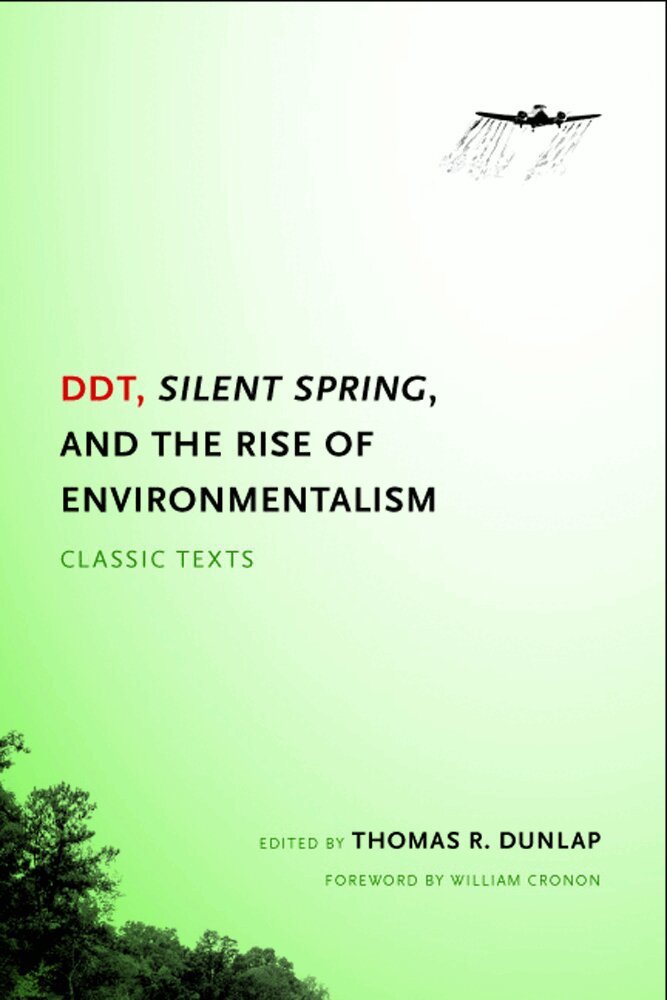
No single event played a greater role in the birth of modern environmentalism than the publication of Rachel Carson's Silent Spring and its assault on insecticides. The documents collected by Thomas Dunlap trace shifting attitudes toward DDT and pesticides in general through a variety of sources: excerpts from scientific studies and government reports, advertisements from industry journals, articles from popular magazines, and the famous "Fable for Tomorrow" from Silent Spring. Beginning with attitudes toward nature at the turn of the twentieth century, the book moves through the use and early regulation of pesticides; the introduction and early success of DDT; the discovery of its environmental effects; and the uproar over Silent Spring. It ends with recent debates about DDT as a potential solution to malaria in Africa.
458 kr
Skickas inom 7-10 vardagar
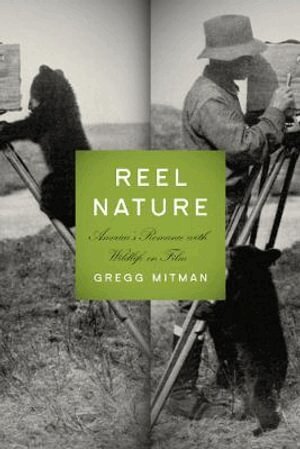
Winner of the History of Science Society's Watson Davis and Helen Miles Davis Prize in the History of Science.From the early exploits of Teddy Roosevelt in Africa to blockbuster films such as March of the Penguins, Gregg Mitman's Reel Nature reveals how changing values, scientific developments, and new technologies have come to shape American encounters with wildlife on and off the big screen. Whether crafted to elicit thrills or to educate audiences about the real-life drama of threatened wildlife, nature films then and now have had an enormous impact on how Americans see, think about, consume, and struggle to protect animals across the globe.For more information about the author go to: http://gmitman.com/
360 kr
Skickas inom 7-10 vardagar
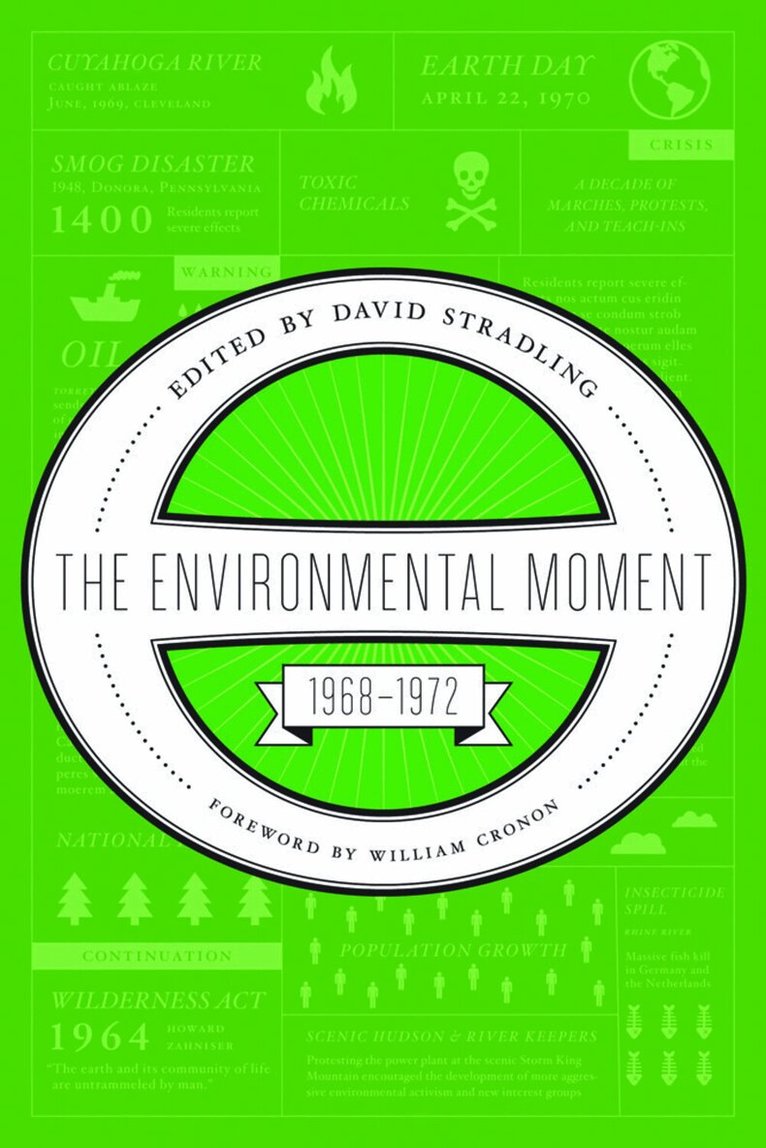
The Environmental Moment is a collection of documents that reveal the significance of the years 1968-1972 to the environmental movement in the United States. With material ranging from short pieces from the Whole Earth Catalog and articles from the Village Voice to lectures, posters, and government documents, the collection describes the period through the perspective of a diversity of participants, including activists, politicians, scientists, and average citizens. Included are the words of Rachel Carson, but also the National Review, Howard Zahniser on wilderness, Nathan Hare on the Black underclass. The chronological arrangement reveals the coincidence of a multitude of issues that rushed into public consciousness during a critical time in American history.
360 kr
Skickas inom 7-10 vardagar
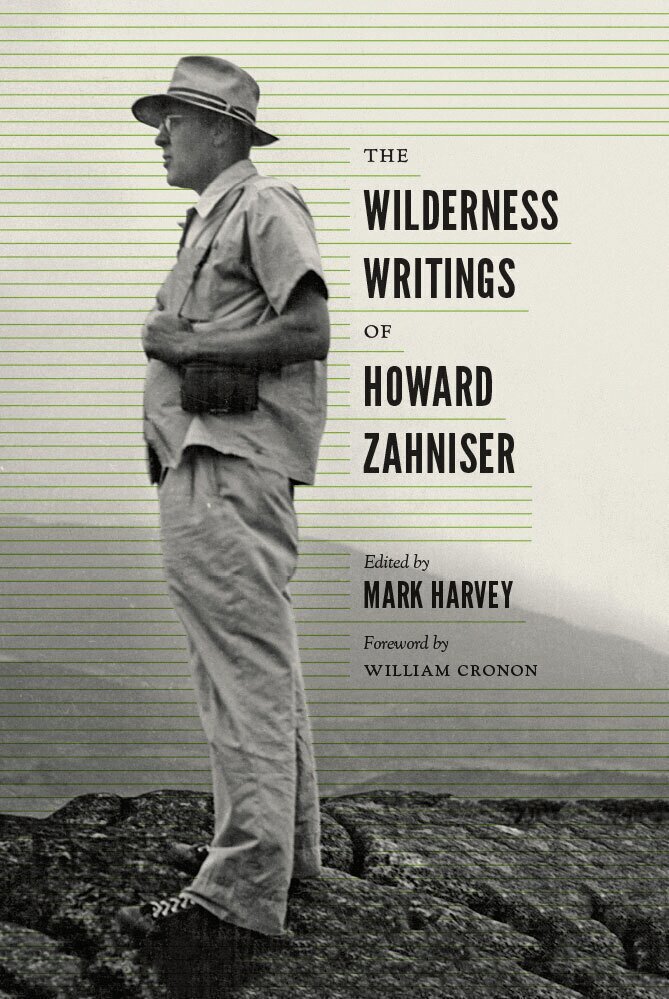
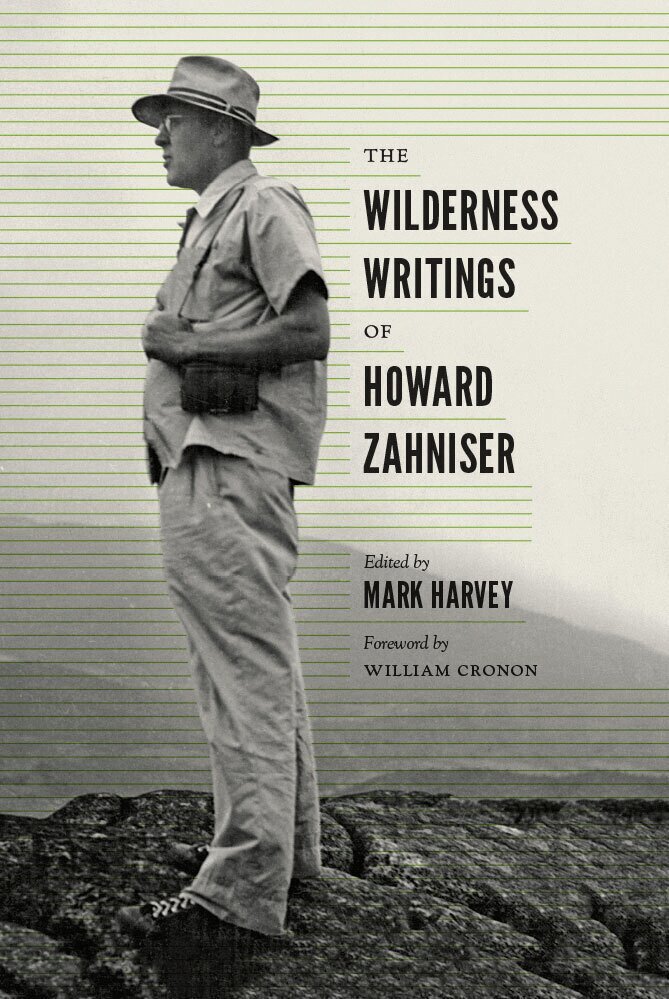
Howard Zahniser (1906–1964), executive secretary of The Wilderness Society and editor of The Living Wilderness from 1945 to 1964, is arguably the person most responsible for drafting and promoting the Wilderness Act in 1964. The act, which created the National Wilderness Preservation System, was the culmination of Zahniser’s years of tenacious lobbying and his work with conservationists across the nation. In 1964, fifty-four wilderness areas in thirteen states were part of the system; today the number has grown to 757 areas, protecting more than a hundred million acres in forty-four states and Puerto Rico.Zahniser’s passion for wild places and his arguments for their preservation were communicated through radio addresses, magazine articles, speeches, and congressional testimony. An eloquent and often poetic writer, he seized every opportunity to make the case for the value of wilderness to people, communities, and the nation.Despite his unquestioned importance and the power of his prose, the best of Zahniser's wilderness writings have never before been gathered in a single volume. This indispensable collection makes available in one place essays and other writings that played a vital role in persuading Congress and the American people that wilderness in the United States deserved permanent protection.
1 739 kr
Skickas inom 3-6 vardagar
Conservation was the first nationwide political movement in American history to grapple with environmental problems like waste, pollution, resource exhaustion, and sustainability. At its height, the conservation movement was a critical aspect of the broader reforms undertaken in the Progressive Era (1890-1910), as the rapidly industrializing nation struggled to protect human health, natural beauty, and "national efficiency." This highly effective Progressive Era movement was distinct from earlier conservation efforts and later environmentalist reforms.Conservation in the Progressive Era places conservation in historical context, using the words of participants in and opponents to the movement. Together, the documents collected here reveal the various and sometimes conflicting uses of the term "conservation" and the contested nature of the reforms it described.This collection includes classic texts by such well-known figures as Theodore Roosevelt, Gifford Pinchot, and John Muir, as well as texts from lesser-known but equally important voices that are often overlooked in environmental studies: those of rural communities, women, and the working class. These lively selections provoke unexpected questions and ideas about many of the significant environmental issues facing us today.
1 626 kr
Skickas
No single event played a greater role in the birth of modern environmentalism than the publication of Rachel Carson's Silent Spring and its assault on insecticides. The documents collected by Thomas Dunlap trace shifting attitudes toward DDT and pesticides in general through a variety of sources: excerpts from scientific studies and government reports, advertisements from industry journals, articles from popular magazines, and the famous "Fable for Tomorrow" from Silent Spring. Beginning with attitudes toward nature at the turn of the twentieth century, the book moves through the use and early regulation of pesticides; the introduction and early success of DDT; the discovery of its environmental effects; and the uproar over Silent Spring. It ends with recent debates about DDT as a potential solution to malaria in Africa.
1 739 kr
Skickas inom 3-6 vardagar
Nuclear Reactions explores the nuclear consensus that emerged in post–World War II America, characterized by widespread support for a diplomatic and military strategy based on nuclear weapons and a vision of economic growth that welcomed nuclear energy both for the generation of electricity and for other peaceful and industrial uses. Unease about the environmental consequences of nuclear energy and weapons development became apparent by the early 1960s and led to the first challenges to that consensus.The documents in this collection address issues such as the arms race, "mutually assured destruction," the emergence of ecosystems ecology and the environmental movement, nuclear protests, and climate change. They raise questions about how nuclear energy shaped—and continues to shape—the contours of postwar American life. These questions provide a useful lens through which to understand the social, economic, and environmental tradeoffs embedded within American choices about the use and management of nuclear energy.