Gregg Mitman – författare
335 kr
Skickas inom 5-8 vardagar
275 kr
Skickas inom 5-8 vardagar
1 424 kr
Skickas
282 kr
Skickas inom 5-8 vardagar
1 180 kr
Skickas inom 5-8 vardagar
292 kr
Skickas inom 5-8 vardagar
422 kr
Läs direkt efter köp
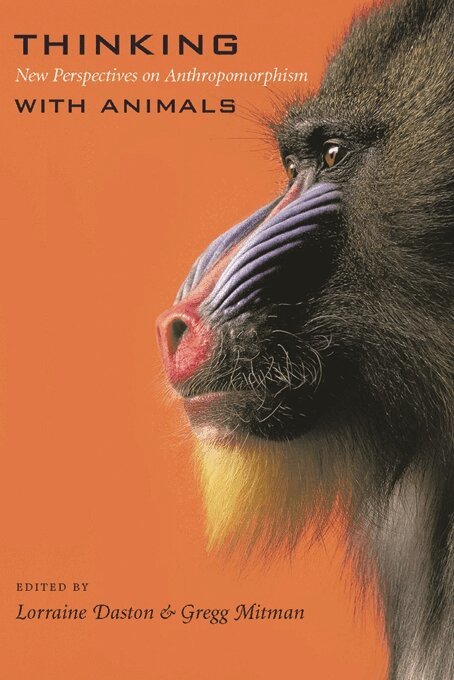
Is anthropomorphism a scientific sin? Scientists and animal researchers routinely warn against "animal stories," and contrast rigorous explanations and observation to facile and even fanciful projections about animals. Yet many of us, scientists and researchers included, continue to see animals as humans and humans as animals. As this innovative new collection demonstrates, humans use animals to transcend the confines of self and species; they also enlist them to symbolize, dramatize, and illuminate aspects of humans'' experience and fantasy. Humans merge with animals in stories, films, philosophical speculations, and scientific treatises. In their performance with humans on many stages and in different ways, animals move us to think. From Victorian vivisectionists to elephant conservation, from ancient Indian mythology to pet ownership in the contemporary United States, our understanding of both animals and what it means to be human has been shaped by anthropomorphic thinking. The contributors to Thinking with Animals explore the how and why of anthropomorphism, drawing attention to its rich and varied uses. Prominent scholars in the fields of anthropology, ethology, history, and philosophy, as well as filmmakers and photographers, take a closer look at how deeply and broadly ways of imagining animals have transformed humans and animals alike. Essays in the book investigate the changing patterns of anthropomorphism across different time periods and settings, as well as their transformative effects, both figuratively and literally, upon animals, humans, and their interactions. Examining how anthropomorphic thinking "works" in a range of different contexts, contributors reveal the ways in which anthropomorphism turns out to be remarkably useful: it can promote good health and spirits, enlist support in political causes, sell products across boundaries of culture of and nationality, crystallize and strengthen social values, and hold up a philosophical mirror to the human predicament.
502 kr
Läs direkt efter köp
Winner of the History of Science Society''s Watson Davis and Helen Miles Davis Prize in the History of Science.From the early exploits of Teddy Roosevelt in Africa to blockbuster films such as March of the Penguins, Gregg Mitman''s Reel Nature reveals how changing values, scientific developments, and new technologies have come to shape American encounters with wildlife on and off the big screen. Whether crafted to elicit thrills or to educate audiences about the real-life drama of threatened wildlife, nature films then and now have had an enormous impact on how Americans see, think about, consume, and struggle to protect animals across the globe.For more information about the author go to: http://gmitman.com/
472 kr
Skickas inom 5-8 vardagar
340 kr
Skickas inom 5-8 vardagar
155 kr
Läs direkt efter köp
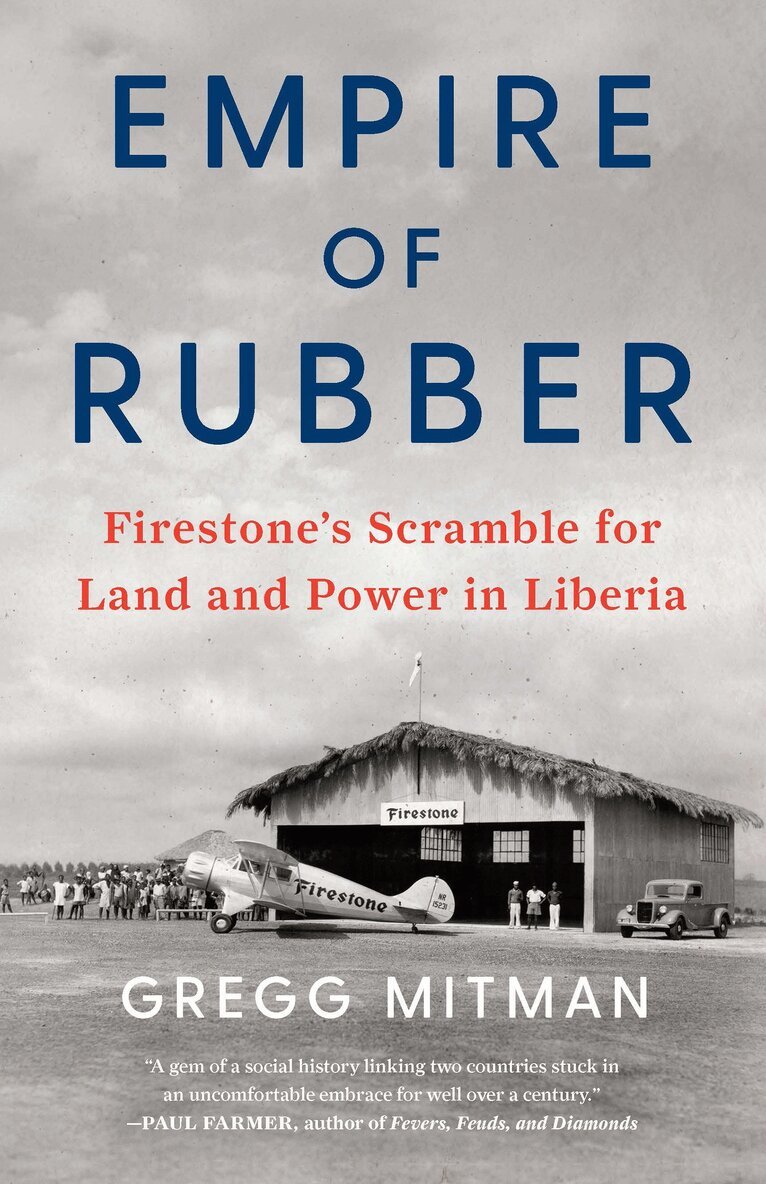
An ambitious and shocking exposé of America’s hidden empire in Liberia, run by the storied Firestone corporation, and its long shadow
In the early 1920s, Americans owned 80 percent of the world’s automobiles and consumed 75 percent of the world’s rubber. But only one percent of the world’s rubber grew under the U.S. flag, creating a bottleneck that hampered the nation’s explosive economic expansion. To solve its conundrum, the Firestone Tire and Rubber Company turned to a tiny West African nation, Liberia, founded in 1847 as a free Black republic.
Empire of Rubber tells a sweeping story of capitalism, racial exploitation, and environmental devastation, as Firestone transformed Liberia into America’s rubber empire.
Historian and filmmaker Gregg Mitman scoured remote archives to unearth a history of promises unfulfilled for the vast numbers of Liberians who toiled on rubber plantations built on taken land. Mitman reveals a history of racial segregation and medical experimentation that reflected Jim Crow America—on African soil. As Firestone reaped fortunes, wealth and power concentrated in the hands of a few elites, fostering widespread inequalities that fed unrest, rebellions and, eventually, civil war.
A riveting narrative of ecology and disease, of commerce and science, and of racial politics and political maneuvering, Empire of Rubber uncovers the hidden story of a corporate empire whose tentacles reach into the present.
167 kr
Skickas inom 5-8 vardagar
819 kr
Tillfälligt slut
235 kr
Tillfälligt slut