Inbunden, Engelska, 2026
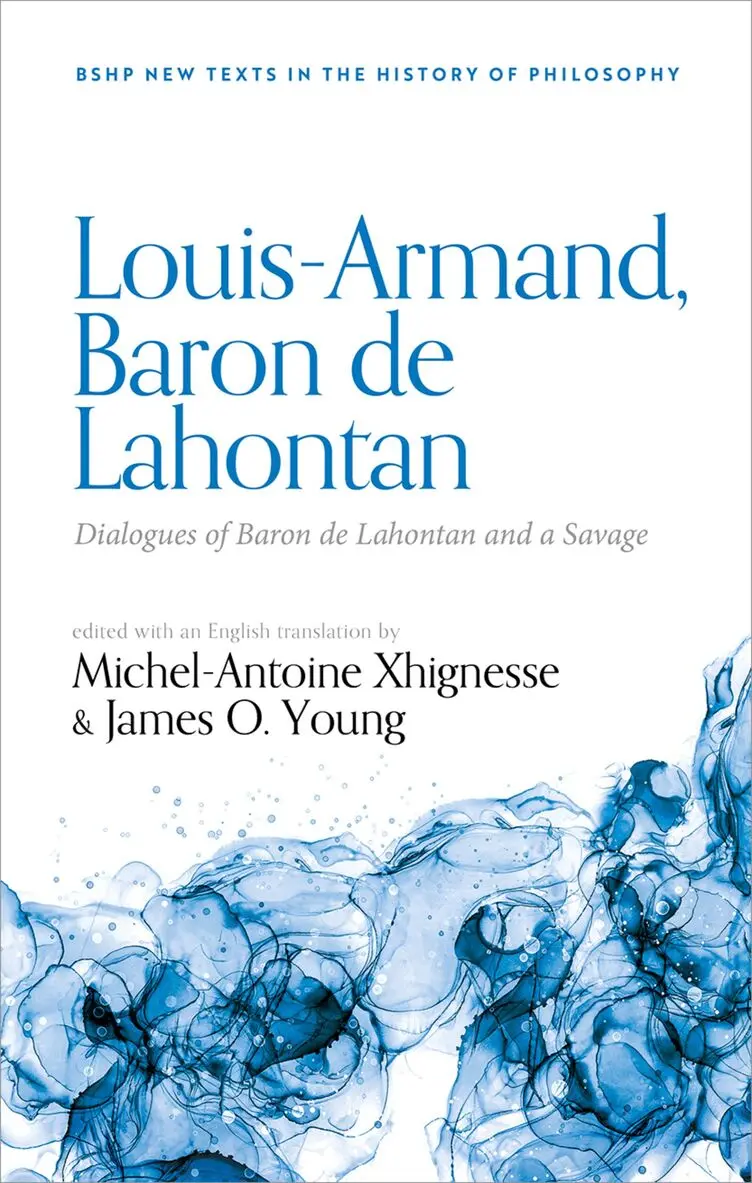
Louis-Armand, Baron de Lahontan: Dialogues of Baron de Lahontan and a Savage
Av Michel-Antoine Xhignesse, James O. Young
1162 kr
Beställningsvara. Skickas inom 5-8 vardagar. Fri frakt över 249 kr.
Beskrivning
This work is a translation of part of Memoires de l'Amerique Septentrionale, Ou La Suite Des Voyages de Mr. Le Baron de Lahontan (1703) by Louis-Armand de Lom d'Arce de Lahontan. The dialogues are the result of conversations between Lahontan (1666–1716), a French officer of marines and Kondiaronk (c. 1649–1701), a Wendat chief. These Dialogues are important for at least two reasons. First, they provide a glimpse into the views on theology and political philosophy of the First Nations of the Eastern Woodlands during the seventeenth century. Moreover, unlike many of the accounts of these beliefs provided by Christian missionaries, the account is sympathetic: Lahontan's use of the word 'sauvage' was, as he writes in his preface, intended as complimentary, and we have reason to believe that he provided at least a reasonably accurate representation of the Wendat people's view of the world. Second, the Dialogues had a significant impact on European thinking about religion and political philosophy in the eighteenth century. They are the most important source of the myth of the noble savage, and they influenced the development of deism in Enlightenment Europe. The translation of the text is accompanied by a detailed Translators' Introduction which puts the Dialogues in context and traces their extensive influence. The Dialogues influenced Chateaubriand, Diderot, Leibniz, Montesquieu, and Voltaire. They likely influenced Rousseau, though no direct impact has been demonstrated.
Produktinformation
- Utgivningsdatum: 2026-05-28
- Mått: 147 x 224 x 13 mm
- Vikt: 272 g
- Format: Inbunden
- Språk: Engelska
- Serie: British Society for the History of Philosophy:New Texts in the History of Philosophy
- Antal sidor: 112
- Förlag: OUP OXFORD
- ISBN: 9780197902004
Utforska kategorier
Betyg & recensioner
0 recensioner
Inga recensioner tillgängliga.