Inbunden, Engelska, 2026
RAF Aircrew at War
1300 kr
Beställningsvara. Skickas inom 7-10 vardagar. Fri frakt över 249 kr.
Beskrivning
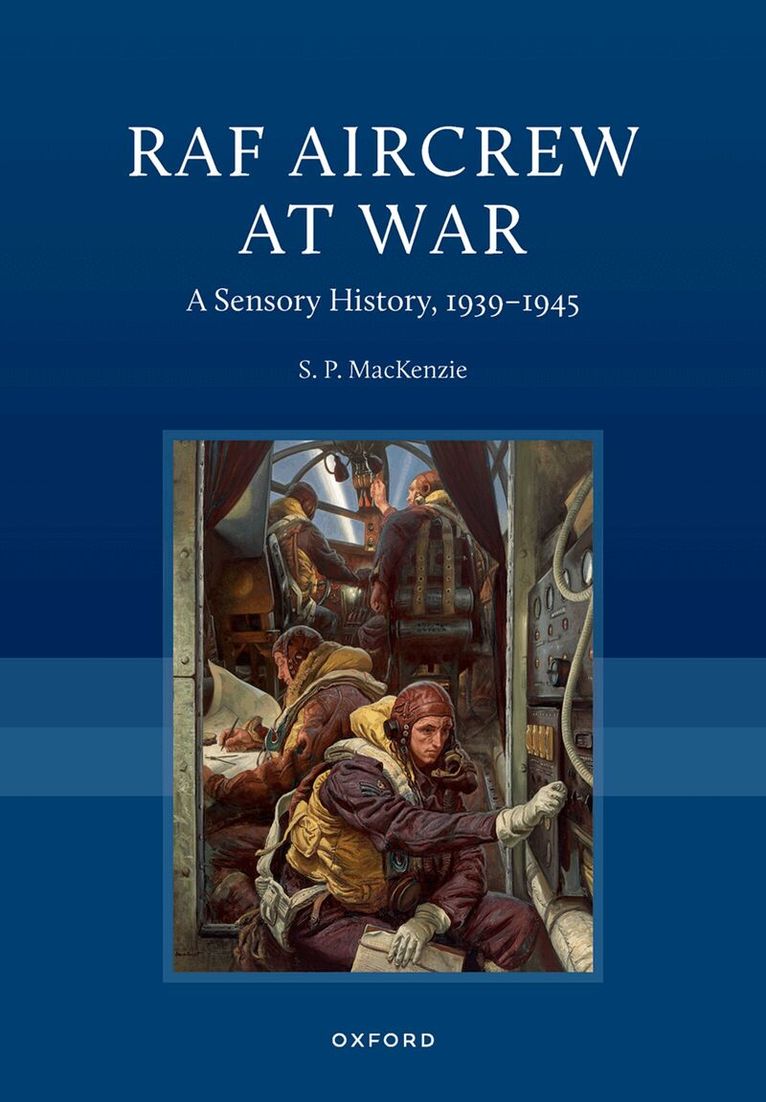
Data assembled by the RAF medical services during the Second World War revealed significant differences in psychological casualty rates based on crew position, aircraft type, and theatre of operations. The RAF concluded that flyers most likely to suffer psychological distress or collapse before the end of their operational tour were those whose temperament and background made them unable to cope with the demands of aerial combat. This explained why, for instance, air gunners, who were mostly non-commissioned, were statistically more likely to struggle than navigators, who more often held commissions. This book presents an alternative model for the varying psychological casualty rates among wartime flyers based on comparative analysis of the different forms and levels of sensory stress to which they were exposed on operations. What pilots, navigators, bomb aimers, observers, wireless operators, and air gunners saw, heard, touched, smelled, and tasted in the aerial combat arena generated both emotional and physical reactions which influenced their capacity to cope psychologically over time. While a burgeoning field, sensory history has thus far generated only a limited scholarly literature in relation to armed conflict, and almost none with regard to aerial combat. The same generally holds true in connection with emotional history. Academic studies of the wartime RAF, meanwhile, have tended to concentrate on operational issues, leaving discussion of aircrew life to popular historians for whom sensory issues are incidental rather than central. This is therefore the first full-length exploration of the wartime RAF aircrew combat experience via all five senses. In so doing, the book makes important contributions to broader understandings of military history, aviation history, sensory history, and the history of emotions.
Produktinformation
- Utgivningsdatum: 2026-10-29
- Mått: 156 x 234 x undefined mm
- Format: Inbunden
- Språk: Engelska
- Antal sidor: 184
- Förlag: OUP OXFORD
- ISBN: 9780198865889
Utforska kategorier
Betyg & recensioner
0 recensioner
Inga recensioner tillgängliga.