Inbunden, Engelska, 2007
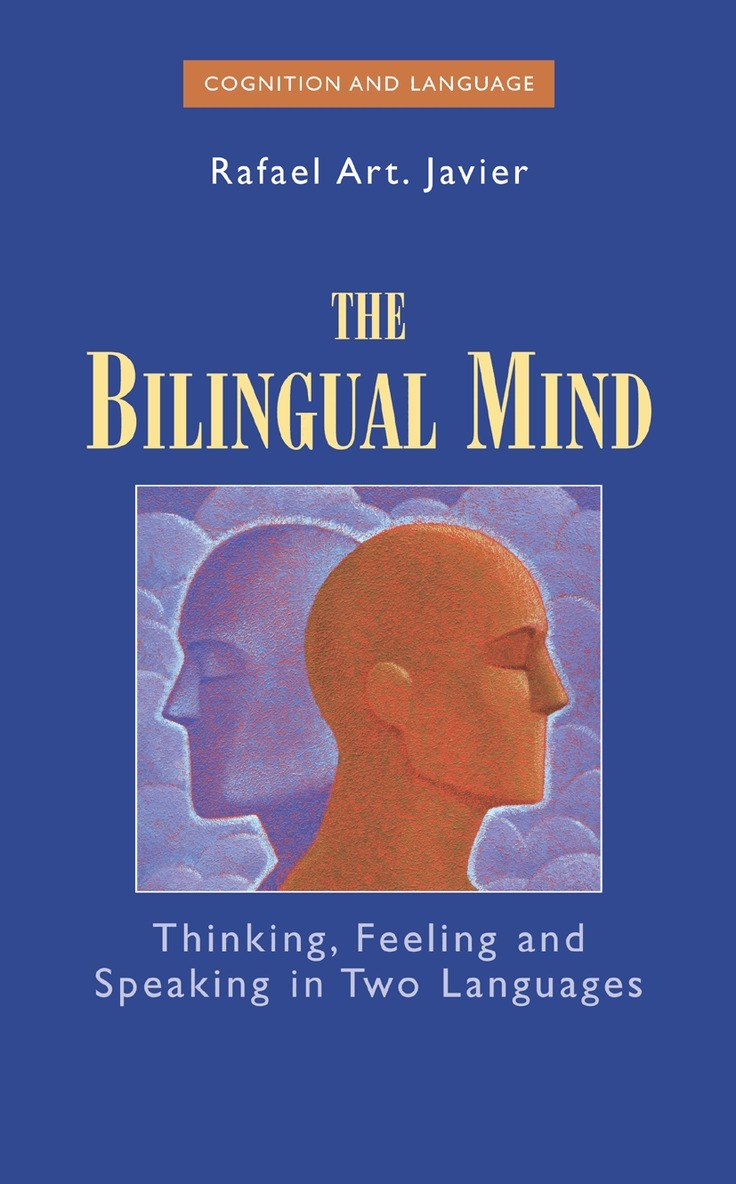
Bilingual Mind
1128 kr
Beställningsvara. Skickas inom 10-15 vardagar. Fri frakt över 249 kr.
Beskrivning
As bilingual individuals enter the educational system and the clinical landscape, they struggle with intricate, often painful questions of identity, culture, and assimilation. Professionals working with these individuals need to complement their knowledge of specific cultural issues with the psychological processes that all bilingual speakers share. The Bilingual Mind: Thinking, Feeling, and Speaking in Two Languages fills a critical gap in the cross-cultural literature by illuminating the bilingual experience in both its social and clinical contexts.Rafael Javier makes a convincing, empirically founded case for what he terms the bilingual mind, with its own particular approach to cognition, memory, and emotional and social development. From this framework, he proceeds to salient but seldom examined questions such as: What are the effects of bilingualism on cognitive development? Is some degree of language shifting always present in bilingual thinking? Do interpreters improve or compromise communication? What assessment instruments are best suited to bilingual individuals? What are the key issues in providing appropriate treatment interventions to bilingual patients? How can professionals be better trained to work with this population?Given the prevalence of -- and controversies surrounding-- bilingualism today, the author intends his text to benefit a wide range of therapists, education professionals, and scholars. The Bilingual Mind will prove as valuable to the frontline clinician and the evaluator as to the linguistic student and the policymaker designing the future of bilingual services.
Produktinformation
- Utgivningsdatum: 2007-06-20
- Mått: 156 x 235 x 22 mm
- Vikt: 383 g
- Format: Inbunden
- Språk: Engelska
- Serie: Cognition and Language: A Series in Psycholinguistics
- Antal sidor: 154
- Förlag: Springer-Verlag New York Inc.
- ISBN: 9780387309132
Utforska kategorier
Betyg & recensioner
0 recensioner
Inga recensioner tillgängliga.