Inbunden, Engelska, 1997
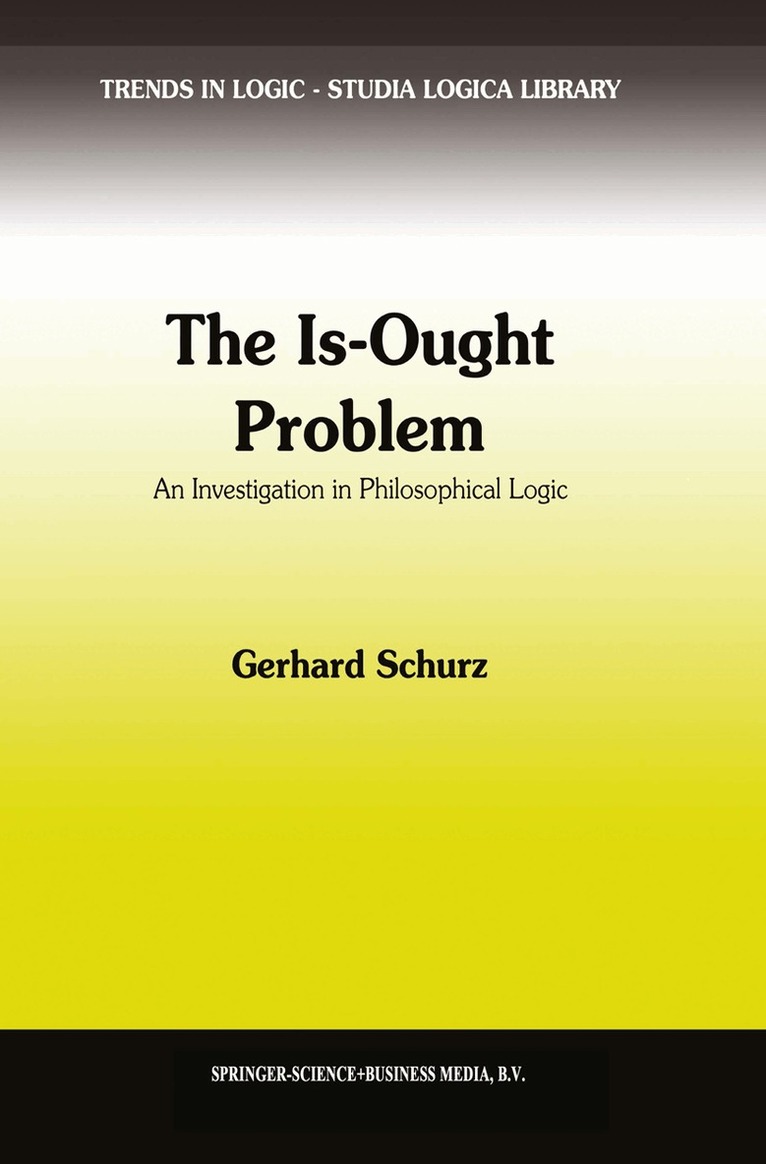
Is-Ought Problem
Av G. Schurz
2188 kr
Beställningsvara. Skickas inom 10-15 vardagar. Fri frakt över 249 kr.
Beskrivning
Can OUGHT be derived from IS? This book presents an investigation of this time-honored problem by means of alethic-deontic predicate logic. New in this study is the leitmotif of relevance: is-ought inferences indeed exist, but they are all irrelevant in a precise logical sense. New proof techniques establish this result for very broad classes of logics. A profound philosophical analysis of is-ought bridge principles supplements the logical study. The final results imply incisive limitations for the justifiability of ethics as opposed to empirical science.
Produktinformation
- Utgivningsdatum: 1997-02-28
- Mått: 155 x 235 x 25 mm
- Vikt: 636 g
- Format: Inbunden
- Språk: Engelska
- Serie: Trends in Logic
- Antal sidor: 332
- Upplaga: 1997
- Förlag: Kluwer Academic Publishers
- ISBN: 9780792344100
Utforska kategorier
Betyg & recensioner
0 recensioner
Inga recensioner tillgängliga.