
- Nyhet
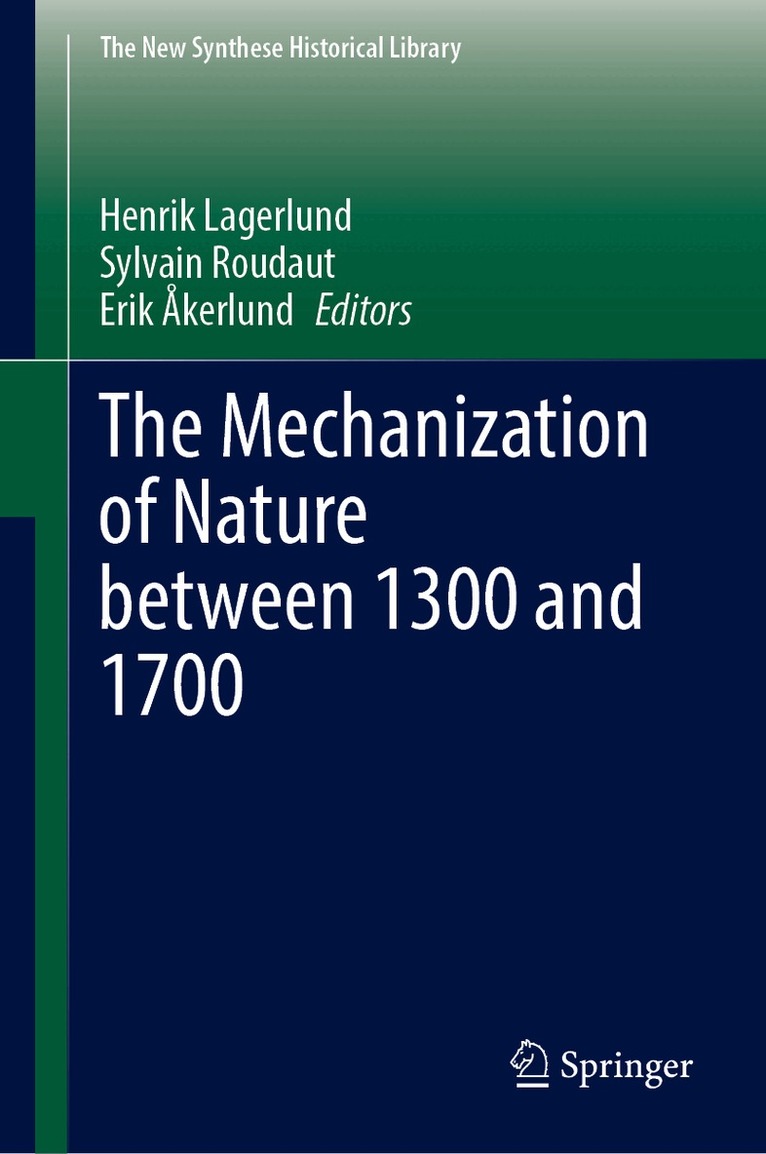
Mechanization of Nature between 1300 and 1700
Henrik Lagerlund, Sylvain Roudaut, Erik Åkerlund
Inbunden, 2026
1 476 kr
1 104 kr
Beställningsvara. Skickas inom 10-15 vardagar. Fri frakt över 249 kr.
Henrik Lagerlund, Sylvain Roudaut, Erik Åkerlund
Inbunden, 2026
1 476 kr
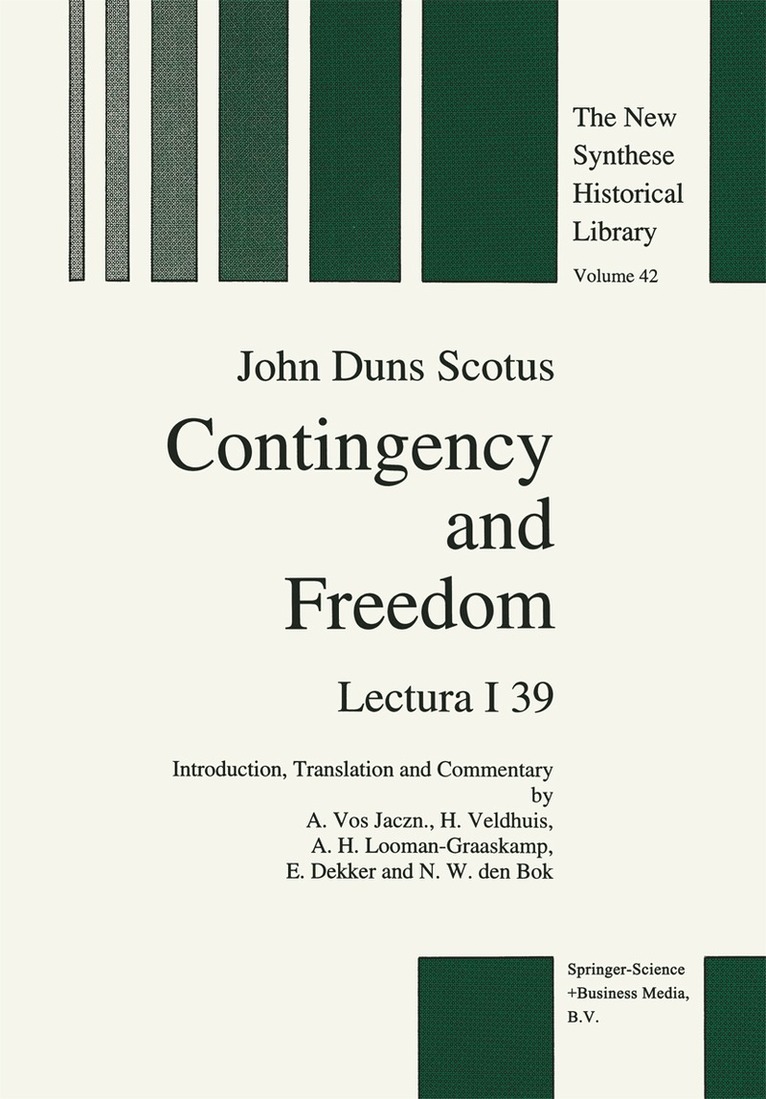
Anthonie Vos Jaczn., Henri Veldhuis, Aline H. Looman-Graaskamp, E. Dekker, Nico W. den Bok
Inbunden, 1994
1 104 kr






1 104 kr
Beställningsvara. Skickas inom 10-15 vardagar. Fri frakt över 249 kr.
Henrik Lagerlund, Sylvain Roudaut, Erik Åkerlund
Inbunden, 2026
1 476 kr
Anthonie Vos Jaczn., Henri Veldhuis, Aline H. Looman-Graaskamp, E. Dekker, Nico W. den Bok
Inbunden, 1994
1 104 kr