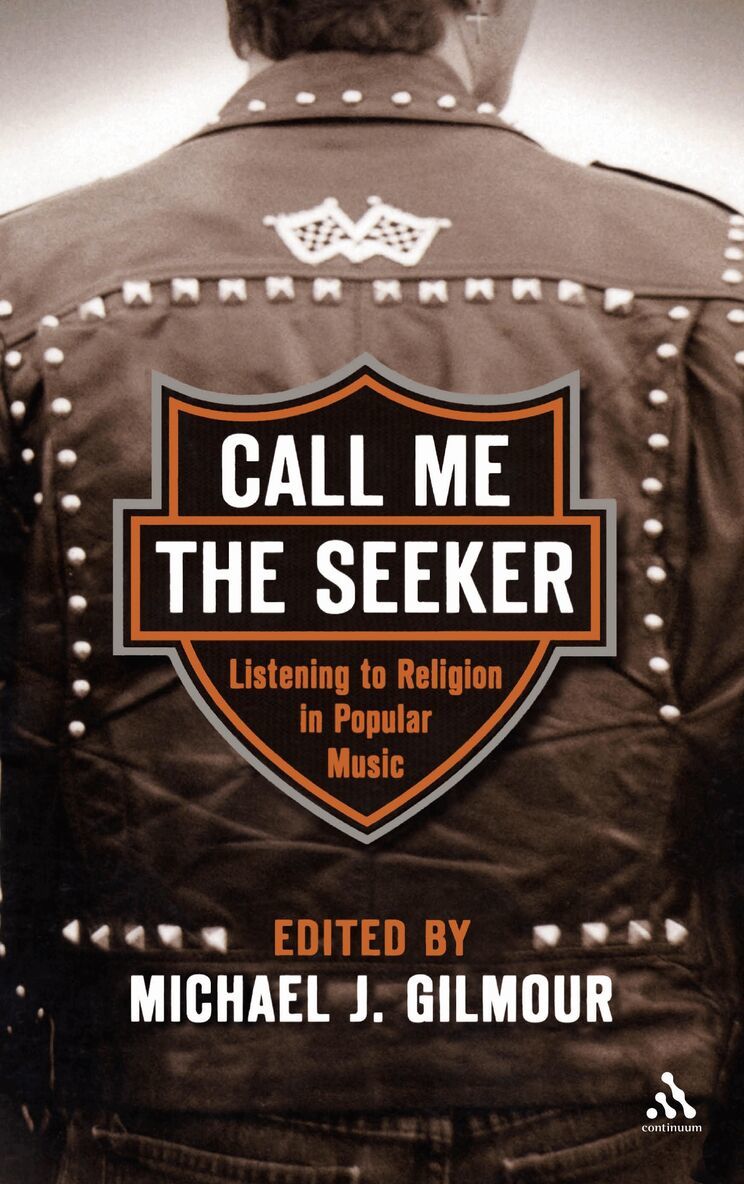
1 009 kr
Beställningsvara. Skickas inom 10-15 vardagar. Fri frakt över 249 kr.
Beskrivning
Produktinformation
- Utgivningsdatum:2005-09-01
- Mått:152 x 229 x 17 mm
- Vikt:450 g
- Format:Häftad
- Språk:Engelska
- Antal sidor:322
- Förlag:Bloomsbury Publishing PLC
- ISBN:9780826417138
Utforska kategorier
Mer om författaren
Michael Gilmour is Assistant Professor of New Testament at Providence College in Otterburne, Manitoba, Canada and the author of Tangled Up in the Bible: Dylan's Use of Scripture.
Recensioner i media
"Gilmour has provided readers with a invaluable tool that will assist in the way we look at music -- aligning popular song with the core of its deeper religious message so that we might come to understand the full scope of the art form. Gilmour is one of the most knowledgeable religion writers in the country... Accordingly, Seeker is like no other book on pop music because it looks like at what's behind the medium- investigating the inner/sacred meaning of song, dissecting the holy force driving the rhythms that drive us. Obviously, the text is quite bold and it covers much ground, with a through analysis of many of the religious themes that are found in popular music. Recommended because: Of its uniqueness and depth, and because it attempts to unmask a component of the art form that often goes unrecognized by scholars and critics...Michael Gilmour's book, then, is meant to shine a direct light on the fact that religion is found everywhere in the history of popular song. In the end, Seeker teaches us that if we can see what inspired the creation of the songs, a deeper richer experience will be attained by the listener. " -electricreview.net, December 2005
Innehållsförteckning
- Introduction; Michael J. Gilmour. Radios in Religious Studies Departments: Preliminary Reflections on the Study of Religion in Popular Music; Section One: Religious Sources behind Popular Music; Daniel Maoz. Woman as Shekhinah: Kabbalistic References in Bob Dylan's Infidels; James Knight. "I Ain't Got No Home in This World Anymore": Protest and Promise in Woody Guthrie and the Jesus Tradition; Michael J. Gilmour. The Prophet Jeremiah, Aung San Suu Kyi, and U2's All That You Can't Leave Behind: On Listening to Bono's Jeremiad; Section Two: Religious Themes in Popular Music; Karl J. McDaniel. Suffering and Sacrifice in Context: Apocalypticism and Life beyond Les Miserables. Brian Froese. Comic Endings: Spirit and Flesh in Bono's Apocalyptic Imagination, 1980-1983; Anna Kessler. Faith, Doubt, and the Imagination: Nick Cave on the Divine-Human Encounter; Paul Martens. Metallica and the God That Failed: An Unfinished Tragedy in Three Acts; Harold Penner. The Nature of His Game: A Textual Analysis of "Sympathy for the Devil"; J. R.C. Cousland. God, the Bad, and the Ugly: The Vi(t)a Negativa of Nick Cave and P. J. Harvey; Randall Holm. "Pulling Back the Darkness": Starbound with Jon Anderson; Section Three: Religion and Popular Music's Audiences; Angela M. Nelson. "God's Smiling on You and He's Frowning Too": Rap and the Problem of Evil; Tim Olaveson. Transcendent Trancer: A Scholar Experiences Rave in Central Canada; Andreas Hager. Under the Shadow of the Almighty: Fan Reception of Some Religious Aspects in the Work and Career of the Irish Popular Musician Sinead O'Connor; Thomas Nesbit. Planet Rock: Black Socioreligious Movements in Early 1980s Electro; Melanie Takahashi. Spirituality through the Science of Sound: The DJ as Technoshaman in Rave Culture; Maxine Grossman. Jesus, Mama, and the Constraints on Salvific Love in Contemporary Country Music.