Fler format och utgåvor
Beskrivning
Produktinformation
- Utgivningsdatum:2026-07-22
- Mått:129 x 198 x undefined mm
- Format:Inbunden
- Språk:Engelska
- Serie:100 Key Points
- Antal sidor:434
- Förlag:Taylor & Francis Ltd
- ISBN:9781041138884
Utforska kategorier
Mer om författaren
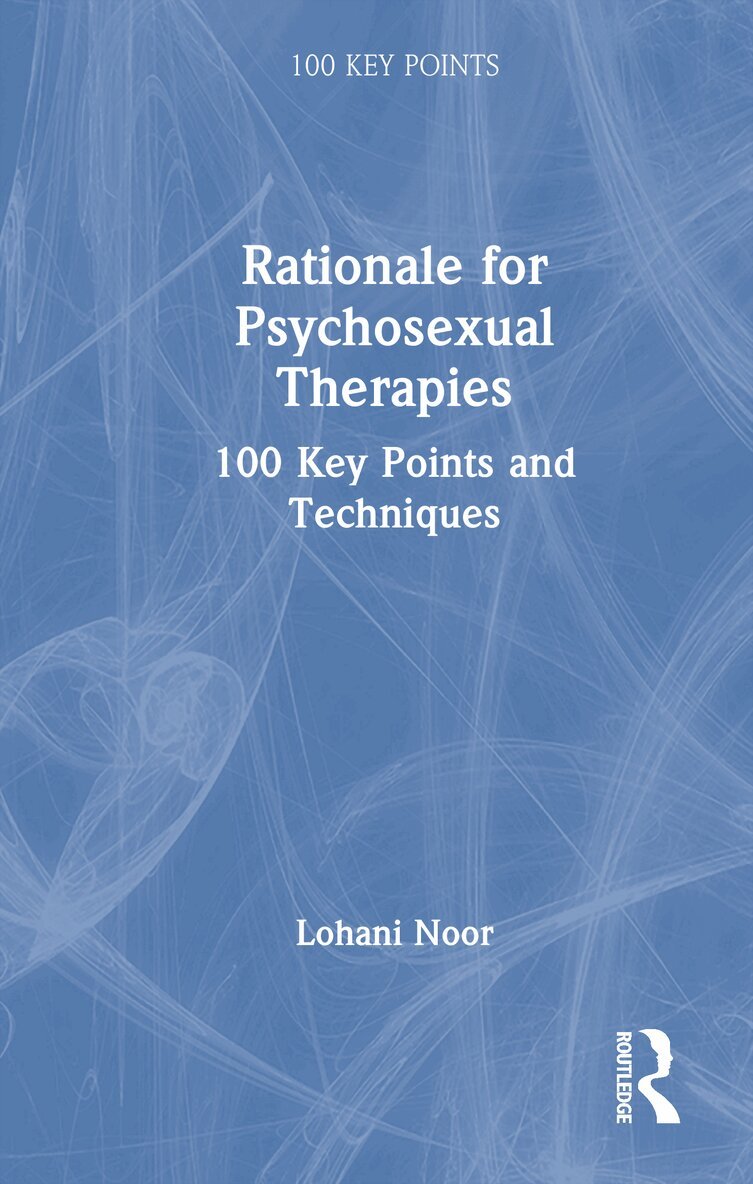
Lohani Noor MSc is the founding director of The Institute for Relational and Sexual Therapies (ThIRST) and is a prominent speaker and writer on Psychotherapy particularly in relation to Sexual Therapy.
Recensioner i media
Lohani Noor’s Psychosexual Therapies is a clear, practical, and engaging guide in the “100 Key Points and Techniques” series. Aimed at therapists, counsellors, and social workers, it offers a pragmatic approach to psychosexual therapy, breaking topics into concise sections with definitions, typical presentations, and diagnostic tools. Noor integrates contemporary, systemic, and psychosocial perspectives, making the content highly applicable for clinical work with individuals and couples. This well-structured and readable book is a valuable, ready-to-use addition to any therapist’s bookshelf.Andy Williams UKCP: TA Psychotherapist, Trainer, Clinical Supervisor and Researcher.Psychosexual Therapy: 100 Key Concepts and Techniques is a practical guide for therapists, trainees, and students working with sexual and relational health concerns. It takes an interdisciplinary, sex-positive, and non-pathologising approach, covering timeless topics like attachment theory, sexual medicine, response cycles, and foundational therapy models, as well as contemporary and emerging areas such as diverse and affirming practices, new relational modalities, and the impact of sexual technologies and AI. Clear and concise, it serves as both a quick reference for clinical work and a core resource for teaching and training in psychosexual and relationship therapy.– Markie L. C. Twist, PhD, LMFT, LMHC, CSE, CSE-S, RegCOSRT, Teaching Faculty, Couple and Family Therapy Doctoral and Masters Programs, Antioch University New England and Seattle; Session Instructor, Professional Sexuality Clinical Training Program, University of Guelph; Editor-in-Chief, Sexual and Relationship TherapyPsychosexual Therapy: 100 Key Concepts & Techniques provides clear, evidence informed guidance that can be directly applied to practice, while integrating the ethical cultural, and clinical complexities of contemporary sexual healthcare. The concepts and techniques presented are intended to support the all-important core tasks of assessment, formulation, intervention, and evaluation in interdisciplinary practice, and the book skilfully integrates psychological theory, sexual medicine, and relational counselling in this context. The format is particularly helpful as it allows each of the 100 entries to be read independently, meaning it is ideal to dip into as a refresher for every level of psychosexual and relationship therapist and clinical supervisor.Jo Coker, Counselling Psychologist Accredited Psychosexual and Relationship Therapist and Clinical supervisor, Director of Therapy and Training Standards, COSRT FellowPsychosexual Therapy: 100 Key Concepts & Techniques is a complete guide to Psychosexual Therapy. Written in a clear and easy language, Lohani Noor offers readers excellent, up-to-date and evidence-based knowledge in all the areas of Psychosexual Therapy. It is a must-read for students and people who are interested in this specialist profession, and an essential manual for established practitioners. Silva Neves, Psychosexual and Relationship Therapy. Author of Sexology: The Basics.
Innehållsförteckning
- IntroductionPart One. Theoretical Foundations of Sexuality 1. Sexual Health - WHO Definition2. Dual Control Model3. Sexual Response Cycle (Masters & Johnson, Kaplan, Basson)4. Sexual Script Theory5. Attachment Theory & Human Sexuality6. Pleasure vs. Performance Anxiety7. Differentiation of Self (Bowenian Theory)8. Psychodynamic Perspectives on Sexual Conflicts, Oedipal complex and castration anxiety9. The Intersection of Culture and Sexuality10. Systemic Therapy11. Biopsychosocial Model12. PornographyPart Two. Sexual Dysfunctions and Disorders13. Hypoactive Sexual Desire Disorder14. Erectile Dysfunction15. Female Sexual Arousal disorder16. Premature Ejaculation17. Delayed, Absent, retrograde Ejaculation18. Anorgasmia19. Vaginismus, Dyspareunia and Genito-Pelvic Pain Penetration Disorder20. Sexual Aversion Disorder21. Paraphilic Disorders22. Sexual Dysfunction in the Transgender and Gender Diverse population23. Peyronies Disease24. Vulvodynia and Provoked Vulvodynia25. Compulsive Sexual BehavioursPart Three. Assessment in Psychosexual Therapies26. PLISSIT Model27. Comprehensive Sexual History Taking28. Questionnaires: IIEF, FSFI, GRISS29. Biomedical Factors (Hormones, Diabetes etc)30. Evaluating Relationship Dynamics31. Trauma Screening and Sexual DysfunctionPart Four. Core Therapeutic Techniques32. Cognitive Behaviour Therapy33. Psychodynamic and Relational Techniques34. Sensate Focus and Behavioural Homework35. Sex Positive and Educational Techniques36. Systemic Desenitization for Pain Disorders37. Waxing and Waning38. Soft Penis Pleasing39. Vaginal Dilator Therapy40. Kegel Exercises & Pelvic Floor Therapy41. Mindfulness Based Psychosexual Therapy (Tantric)42. Narrative Therapy for Sexual Identity43. Techniques for Narcissism and EntitlementPart Five. Couples and Relational Sex Therapy44. The ‘Good Enough Sex’ Model45. Ethical Non-Monogamy46. Sexual Communication and Conflict Resolution47. Polyamory48. Imago Relationship Therapy49. Gottman Method50. Transactional Analysis and Couples Therapy51. Accessing RelationshipsPart Six. Trauma-Informed and Somatic Approaches52. Somatic Experiencing for Sexual Trauma53. EMDR and Polyvagal Therapy for Sexual Trauma54. Dissociation55. Sensorimotor Psychotherapy56. Body Mapping and Safe Touch Exercises57. Breathwork for Sexual Anxiety58. Trauma-Informed Sensate FocusPart Seven. Medical and Integrative Treatments59. PDE-5 Inhibitors (Viagra, Tadalafil)60. Hormonal Treatments (Testosterone, Oestrogen)61. Vaginal Oestrogen for pain/dryness62. Pelvic Floor Physical Therapy63. Neurological Factors (MS Parkinson’s)64. Pharmacotherapy for Paraphilias (SSRI’s)65. Chronic Illness and Sexuality66. Sexual side Effects of MedicationsPart Eight. Mental Health and Sexual Functioning67. Anxiety Disorders and Sexuality68. Depressive Disorders and Sexuality69. Somatic Disorders and Sexuality70. Eating Disorders and Sexuality71. Substance Use Disorder and Sexuality72. Bipolar Disorder and Sexuality73. Other Psychiatric Disorders and SexualityPart Nine. Specialised Populations74. Ageing and Sexuality (Menopause, Andropause)75. Disability Affirmative Psychosexual Therapy76. LGBTQIA+ Affirmative Psychosexual Therapy77. Neurodiversity, Sexuality and Compulsive Sexual Behaviours78. Religious Sexual Guilt (Purity Culture)79. Childhood Sexual Abuse (CSA) Survivors80. Kink and BDSM Affirmative Therapy81. Infertility and Sexual Impact82. Sex Offending83. Female Genital Mutilation (FGM)84. HIV85. ChemsexPart Ten. Emerging and Alternative Approaches86. Psychedelic Assisted Psychosexual Therapy87. Virtual Reality for Exposure Therapy88. Biofeedback for Arousal Disorders89. Hypnotherapy for Sexual Anxiety90. Ayurvedic & Traditional Sexology91. Sex Coaching vs Psychosexual Therapy92. Eco-sexual Perspectives – Queer Theory, Ecofeminism and Somatic practices 93. Sex Technology (Apps, Wearables)Part Eleven. Ethical and Professional Considerations.94. Therapist Self Disclosure in Psychosexual Therapy95. Erotic Transference and Counter Transference96. Informed Consent for Sensitive Topics97. Online (Tele)Sex Therapy Ethics98. Sex Positive vs Pathologising Approaches99. Safeguarding and Disclosure in Psychosexual Therapy100. Future of Psychosexual Therapy (AI, Research Gaps)