Inbunden, Engelska, 2026
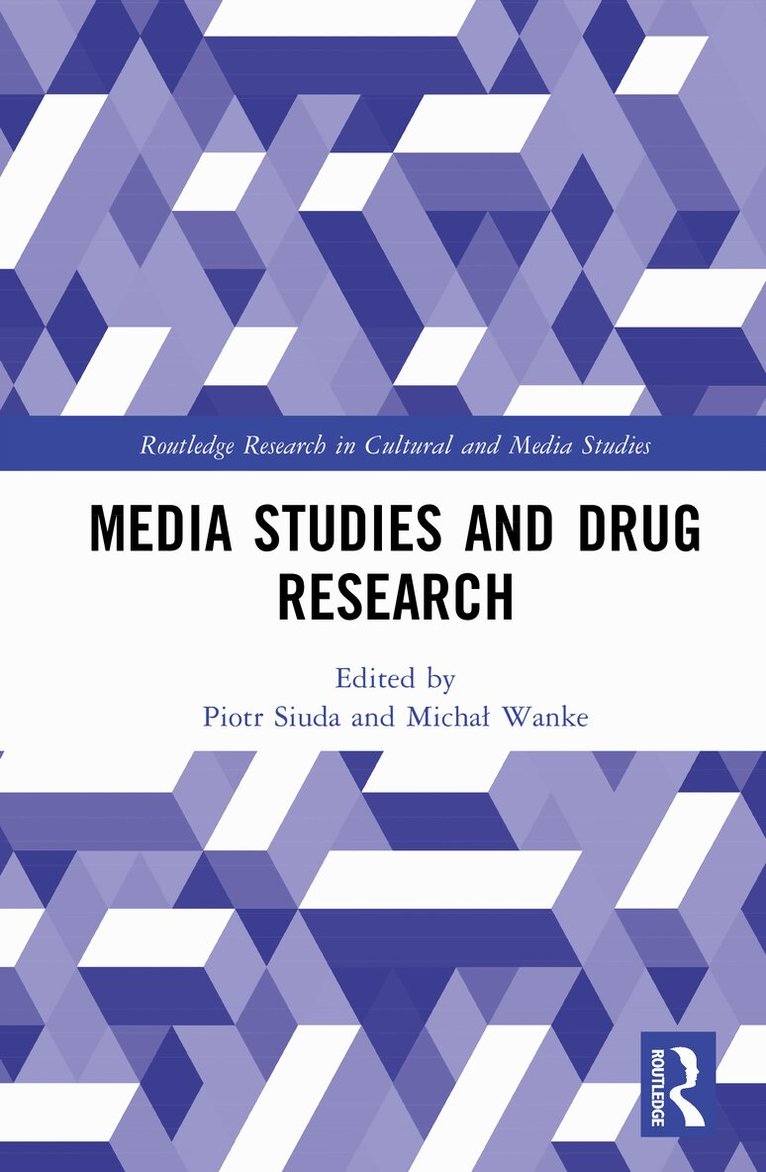
Media Studies and Drug Research
2468 kr
Kommande
Beskrivning
This volume offers a comprehensive outlook on the convergences between media and drug research. Bringing together media scholars and drug researchers to highlight the intricate interconnections of these two dynamic domains, the book explores the mutual entanglements, overlaps, and intersections between mediated practices and substance use, from representations and narratives to technologies, stigma, identity work, and policy regimes.Through original contributions that traverse theoretical, empirical, and methodological terrains, the book highlights how media technologies and discourses, market structures, identities, and policies are co-produced across both fields. The collection opens with a cluster of chapters tackling the language of moral panics and stigma, emphasizing how media narratives fuel or challenge dominant framings of drugs and people who use them, before moving to discuss media representations—both legacy and digital—and their entanglement with narratives of criminality, celebrity, and harm. The volume then interrogates post-prohibition imaginaries, mapping out alternative visions and creative appropriations of drug cultures in digital spaces and the blurring of online and offline worlds.Theoretical innovations and methodological reflections are interwoven throughout the collection, contributing to a transdisciplinary dialogue that spans media and cultural studies, linguistics, sociology, criminology, and drug policy. In doing so, this volume not only reflects the state of the art in two distinct fields but also carves out a new, shared territory—one where media studies meets drug research to map the terrain of mediated intoxication, regulation, resistance, and care.
Produktinformation
- Utgivningsdatum: 2026-10-20
- Mått: 156 x 234 x undefined mm
- Format: Inbunden
- Språk: Engelska
- Serie: Routledge Research in Cultural and Media Studies
- Antal sidor: 222
- Förlag: Taylor & Francis Ltd
- ISBN: 9781041365372
Utforska kategorier
Betyg & recensioner
0 recensioner
Inga recensioner tillgängliga.