Inbunden, Engelska, 2026
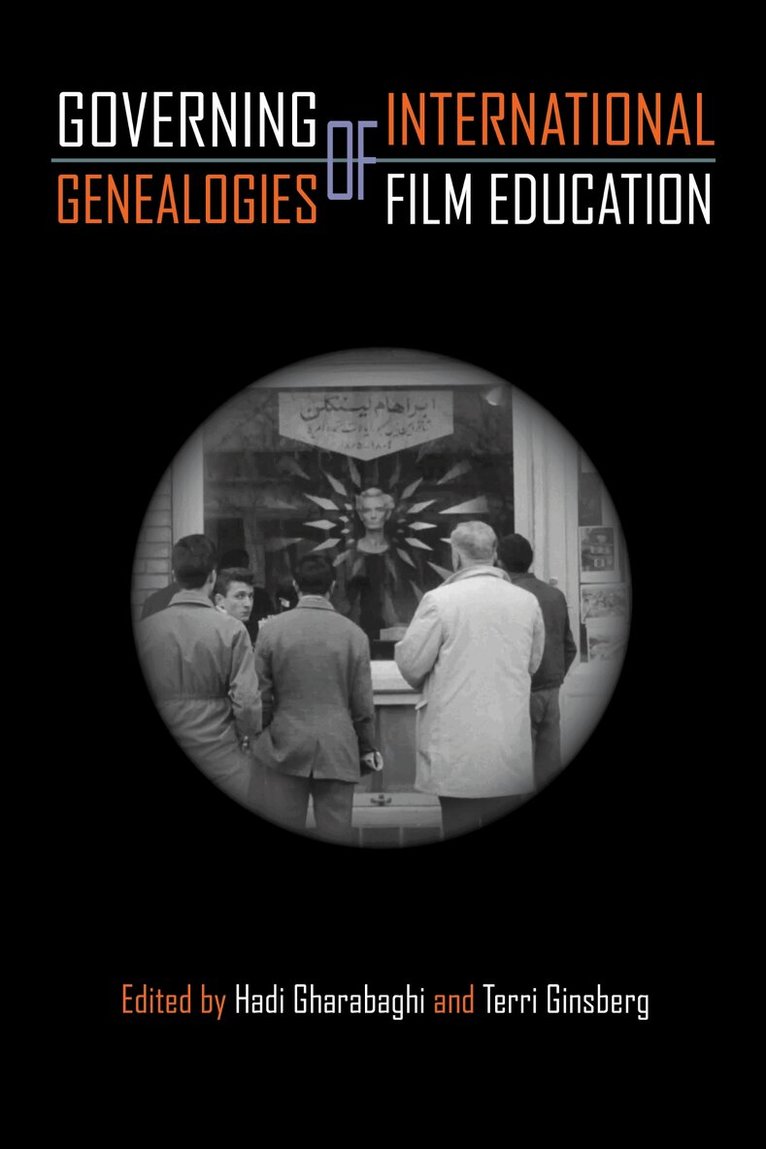
Governing Genealogies of International Film Education
Av Hadi Gharabaghi, Terri Ginsberg
1731 kr
Beställningsvara. Skickas inom 5-8 vardagar. Fri frakt över 249 kr.
Beskrivning
The editors of and contributors to Governing Genealogies of International Film Education offer a critical historiographic understanding of governmentalized film education during the Cold War. Chapters examine the production of hygiene and cultural films in Travancore, India during the postcolonial period, and Michigan State University's documentary collaboration with Iran during the 1970s, among other topics, elucidating cinema's deployment as a state apparatus and its implications for global cultures, subject positions, and social relations.Governing Genealogies of International Film Education investigates this distinct modality of cultural production and policy to shed necessary light on the ideological overdetermination of institutionalized film education as well as on audiovisual education as an international academic discipline. The contributors show how governmentalized film education has taught American exceptionalism, hegemony, and colonialism. They also theorize about and provide methodological examples of how film archives and film studies have framed prevailing understandings of cinema's role in American and world history.Contributors: Kaveh Askari, Zoë Druick, Bindu Menon Mannil, Wissam Mouawad, and the editors
Produktinformation
- Utgivningsdatum: 2026-08-28
- Mått: 152 x 229 x undefined mm
- Vikt: 454 g
- Format: Inbunden
- Språk: Engelska
- Antal sidor: 324
- Förlag: Temple University Press,U.S.
- ISBN: 9781439924631
Utforska kategorier
Betyg & recensioner
0 recensioner
Inga recensioner tillgängliga.