Häftad, Engelska, 2012
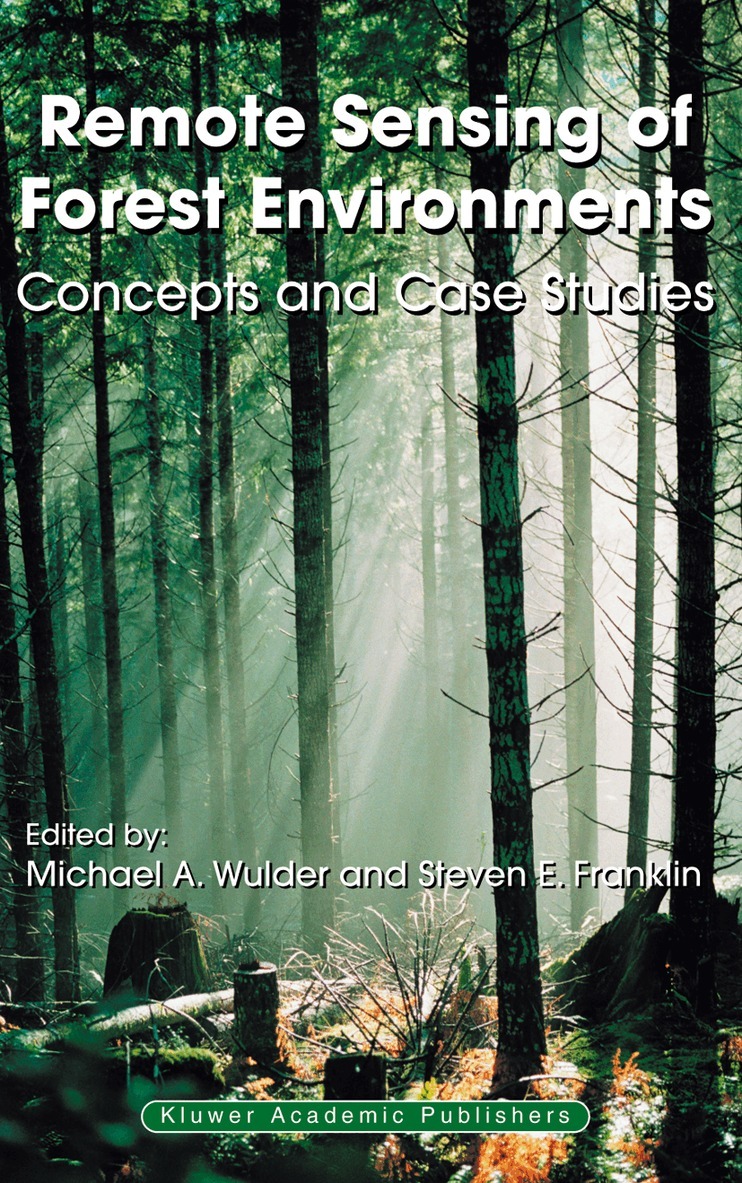
Remote Sensing of Forest Environments
Av Michael A. Wulder, Steven E. Franklin
2396 kr
Beställningsvara. Skickas inom 10-15 vardagar. Fri frakt över 249 kr.
Beskrivning
Remote Sensing of Forest Environments: Concepts and Case Studies is an edited volume intended to provide readers with a state-of-the-art synopsis of the current methods and applied applications employed in remote sensing the world's forests. The contributing authors have sought to illustrate and deepen our understanding of remote sensing of forests, providing new insights and indicating opportunities that are created when forests and forest practices are considered in concert with the evolving paradigm of remote sensing science. Following background and methods sections, this book introduces a series of case studies that exemplify the ways in which remotely sensed data are operationally used, as an element of the decision-making process, and in the scientific study of forests.Remote Sensing of Forest Environments: Concepts and Case Studies is designed to meet the needs of a professional audience composed of both practitioners and researchers. This book is also suitable as a secondary text for graduate-level students in Forestry, Environmental Science, Geography, Engineering, and Computer Science.
Produktinformation
- Utgivningsdatum: 2012-10-14
- Mått: 155 x 235 x 30 mm
- Vikt: 832 g
- Format: Häftad
- Språk: Engelska
- Antal sidor: 519
- Förlag: Springer-Verlag New York Inc.
- ISBN: 9781461350149
Utforska kategorier
Betyg & recensioner
0 recensioner
Inga recensioner tillgängliga.