Inbunden, Engelska, 2026
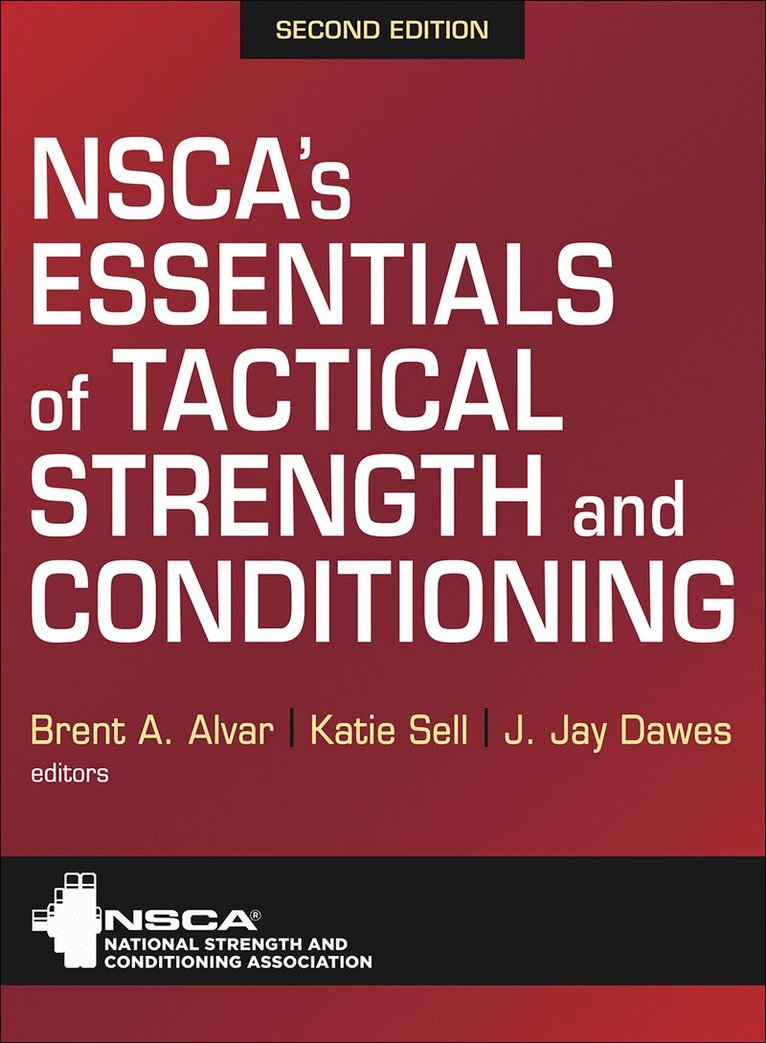
NSCA's Essentials of Tactical Strength and Conditioning
Av NSCA -National Strength & Conditioning Association, Brent A. Alvar, Katie Sell, Jay Dawes
1355 kr
Beställningsvara. Skickas inom 5-8 vardagar. Fri frakt över 249 kr.
Beskrivning
All the information you need to prepare for NSCA TSAC-F certification.NSCA's Essentials of Tactical Strength and Conditioning, Second Edition, is the most comprehensive strength and conditioning resource for practitioners who work with tactical athletes—law enforcement, fire and rescue personnel, conventional military forces, and special teams.Designed primarily as a preparatory resource for the National Strength and Conditioning Association (NSCA) Tactical Strength and Conditioning Facilitator (TSAC-F) certification, the text is also useful as a manual for government agencies or a daily reference for strength and conditioning professionals. Expert contributors from all three areas of the tactical industry—military, law enforcement, and fire and rescue—weigh in with unique insights from their fields.The contributors not only provide foundational knowledge of exercise physiology and biomechanical movement patterns but also comprehensively review all the components necessary for TSAC Facilitators to design and deliver successful training programs for tactical athletes. A step-by-step approach helps readers eliminate guesswork when creating specialized training programs.The second edition has been updated to reflect developments in tactical training research as well as the revised list of knowledge, skills, and abilities that individuals must know and demonstrate to pass the TSAC-F certification exam:New content addressing the risks and outcomes of overtrainingNew sections on the advantages of performing various physical activities and how lifestyle and occupational stress affect health, wellness, and performanceNew metrics on tactical program effectiveness and the impact on population performanceNew occupation-specific assessment protocolsThe text includes several tests for each component of fitness, specific to each of the primary tactical fields. Written in the style of the TSAC-F exam, study questions at the end of each chapter test comprehension of important content. Photos throughout are accompanied by descriptions and instructions, clearly describing proper technique for exercises and drills for mobility, flexibility, strength, power, speed, agility, and aerobic endurance.The goal of NSCA's Essentials of Tactical Strength and Conditioning is to help prepare those seeking TSAC-F certification and to serve as a resource for professionals so that they can implement an optimal strength and conditioning program that will decrease injury risk and optimize performance for tactical athletes.
Produktinformation
- Utgivningsdatum: 2026-08-31
- Mått: 216 x 279 x 39 mm
- Vikt: 2 019 g
- Format: Inbunden
- Språk: Engelska
- Antal sidor: 624
- Upplaga: 2
- Förlag: Human Kinetics Publishers
- ISBN: 9781718234819
Utforska kategorier
Betyg & recensioner
0 recensioner
Inga recensioner tillgängliga.