Inbunden, Engelska, 2026
Ideology and Punishment
1548 kr
Beställningsvara. Skickas inom 3-6 vardagar. Fri frakt över 249 kr.
Beskrivning
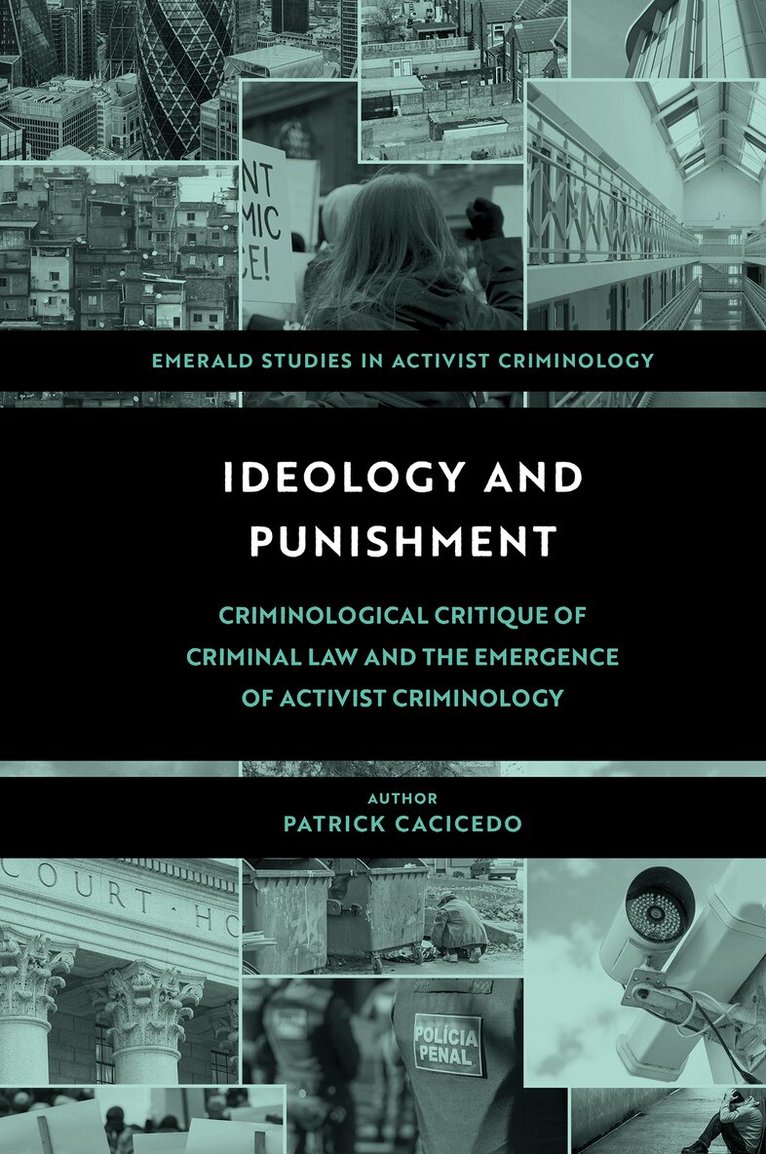
In the realm of criminal law, critical criminology has set itself apart by challenging the field’s role as a pillar sustaining capitalist order. Ideology and Punishment applies the Marxist concept of ideology to scrutinise the foundations of modern criminal law, exposing its function in reinforcing social hierarchies and maintaining inequalities. It argues for the necessity of social transformation, laying the groundwork for an activist criminology. By critiquing the colonised reproduction of Global North perspectives on punishment, the concept of ideology urges scholars to construct an independent framework rooted in the lived realities of punishment in the Global South. This study examines how foundational principles of modern criminal law—developed by German legal scholars since the 18th century—have shaped the civil law tradition and been uncritically reproduced in Latin America. Drawing on contemporary critical traditions—including critical criminology, penal abolitionism, and southern and activist criminology—Cacicedo advocates for an activist criminology built on a materialist understanding of ideology. Offering a fresh approach, Ideology and Punishment positions critical criminology in two underexplored roles: as a critique of modern criminal law and as a foundation for activist criminology—both stemming from the materialist concept of ideology. Patrick Cacicedo presents a compelling challenge to the existing order and envisions its transformation.
Produktinformation
- Utgivningsdatum: 2026-11-03
- Mått: 152 x 229 x 15 mm
- Format: Inbunden
- Språk: Engelska
- Serie: Emerald Studies in Activist Criminology
- Antal sidor: 184
- Förlag: Emerald Publishing Limited
- ISBN: 9781805927860
Utforska kategorier
Betyg & recensioner
0 recensioner
Inga recensioner tillgängliga.