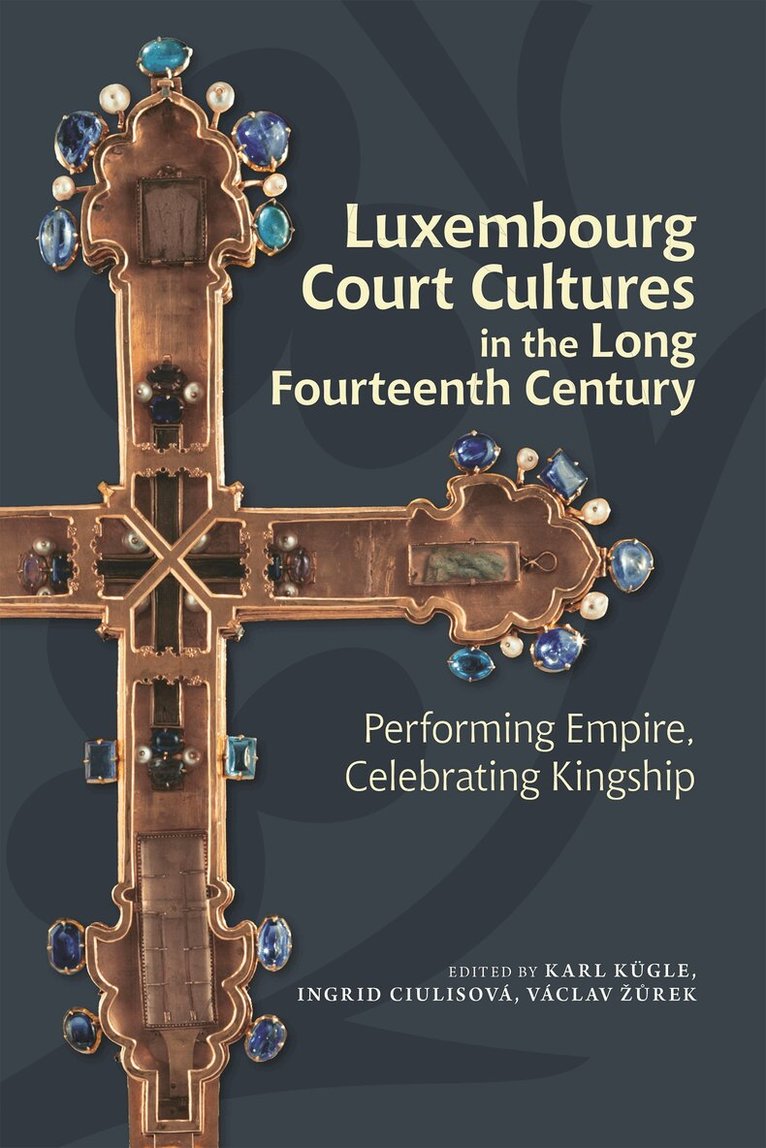
The Networked Court explores the role of innovative, network-based research methodologies in humanities research as applied to late medieval court studies, c.1300-1450. The Introduction argues the salience and timeliness of network-based thinking in today’s research landscape, and its particular suitability for approaching late medieval courts and their cultures in new and original ways. Seven ground-breaking case studies trace networks within, around, and among diverse types of courtly settings across Latin Christian Europe. Focusing both on the local level and on phenomena on a pan-European scale, the volume re-configures courtly cultural practices from a transdisciplinary perspective, re-connecting cultural performances in sites such as England, the Low Countries, France, Avignon, and the Empire in new and unexpected ways. The Conclusion reflects on the nexus between network-based research methodologies and disciplinary knowledge.