Inbunden, Engelska, 2026
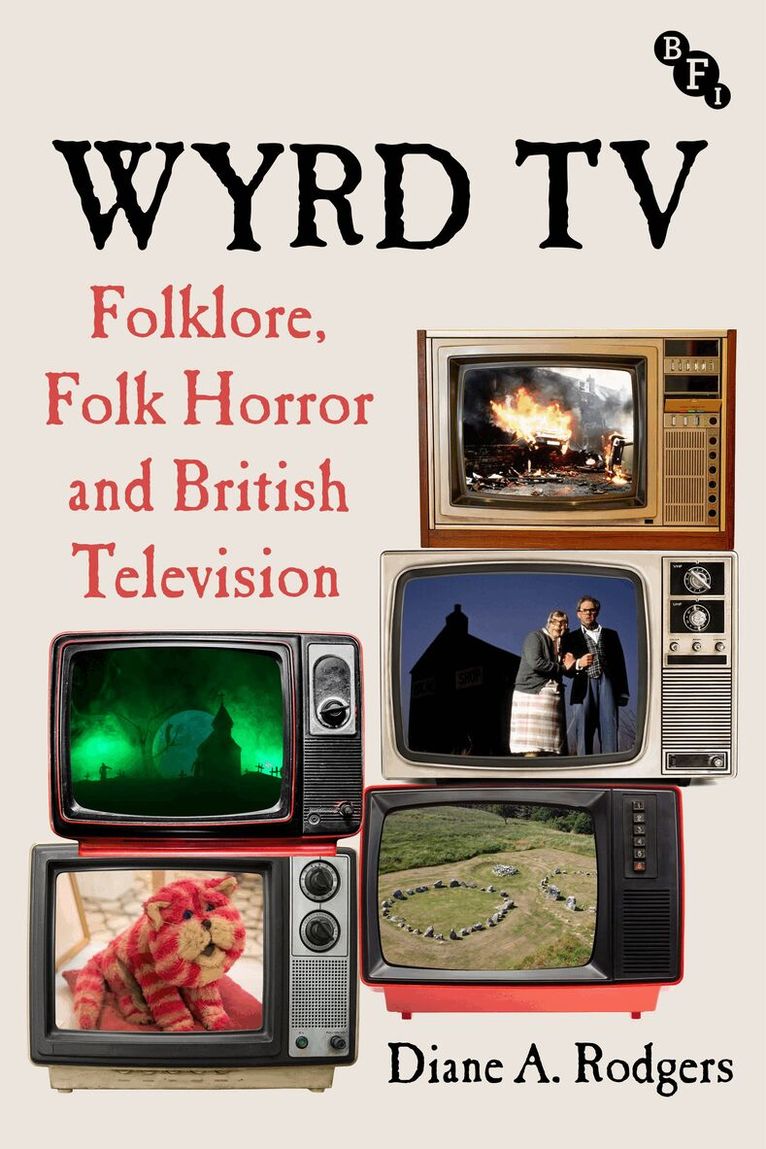
Wyrd TV
1196 kr
Kommande
Beskrivning
Why did British television in the ‘long 1970s’ prove such a fertile ground for programming that explored the occult, the supernatural and the darkness that threads its way through British folk culture? Diane Rodgers’ innovative and broad-ranging study traces the pre-history, flourishing and after life of ‘wyrd TV’ on British screens from 1968 to 1984, delving into the fascinating intersection of folklore, folk horror and screen representation. She traces the roots of this phenomenon in classic folkloric texts that had an influence across popular culture, from the Beatles’ ‘Sgt Pepper’ LP to the children’s TV show Bagpuss, and examines its profound impact on subsequent generations of TV and film-makers.Rodgers charts folk horror, hauntology and dystopian narratives in programming aimed at both adults and children, documentary and drama, news, chat shows and public information films, and sets out the concept of ‘mass-mediated ostentation’ as a framework for understanding ‘wyrd TV’. She unpacks the central contribution of screenwriter Nigel Kneale, discussing how Kneale’s Quatermass (1979) intertwines elements of folklore, stone circles, and alien themes, creating a hauntological, folkloric, and televisual 'wyrdness’. She goes on to consider the cult series Children of the Stones (1977) and how it combined themes drawn from Druidic folklore, supernatural and psychic activitiy and extra-terrestrial manifestations with formal elements of lighting and sound to chilling effect.Rodgers highlights the profoundly experimental nature of children's programming in the 1970s, the influence of social and political phenomena including feminist debates, industrial unrest, and punk rock sensibilities and its impact on shaping the perspectives of Generation X who grew up watching it. Her study takes in contemporary work by writers and directors including Mark Gatiss, Reece Shearsmith, Ben Wheatley and Richard Littler who have been inspired by the ‘Wyrd TV’ of their youth.
Produktinformation
- Utgivningsdatum: 2026-11-12
- Mått: 156 x 234 x 25 mm
- Vikt: 454 g
- Format: Inbunden
- Språk: Engelska
- Serie: British Film Institute
- Antal sidor: 272
- Förlag: Bloomsbury Publishing PLC
- ISBN: 9781839027680
Utforska kategorier
Betyg & recensioner
0 recensioner
Inga recensioner tillgängliga.