Inbunden, Engelska, 2025
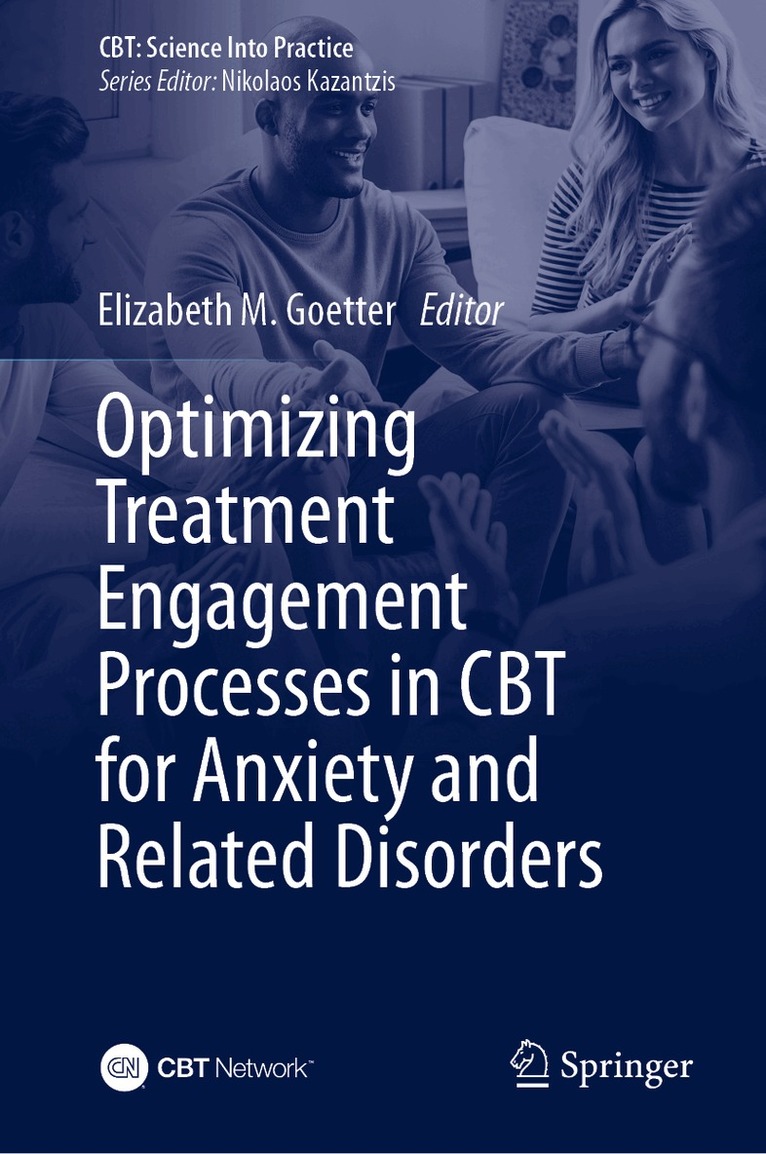
Optimizing Treatment Engagement Processes in CBT for Anxiety and Related Disorders
1241 kr
Beställningsvara. Skickas inom 10-15 vardagar. Fri frakt över 249 kr.
Beskrivning
This book focuses on how to effectively support treatment engagement for patients with anxiety and related disorders. The text begins from the premise that individuals already face numerous logistical, environmental, and systemic barriers to evidence-based psychotherapy. Furthermore, among anxious populations, the very symptoms that require treatment—namely, avoidance and fear-based cognitions--can deter treatment seeking. Thus, it is critical to understand how best to support treatment engagement once access barriers are overcome. Summarizing the state of the research and integrating practical application, this volume lays out the ways to maximize patient engagement and optimize treatment outcomes in cognitive behavioral treatments for the range of anxiety and related disorders. The reader will gain:· Theoretical understanding of the treatment engagement process· Knowledge about common barriers to treatment engagement across anxiety, obsessive-compulsive, and posttraumatic stress disorder· Clinical strategies and practical guidance for optimizing treatment engagement
Produktinformation
- Utgivningsdatum: 2025-07-03
- Mått: 155 x 235 x 27 mm
- Vikt: 652 g
- Format: Inbunden
- Språk: Engelska
- Serie: CBT: Science Into Practice
- Antal sidor: 343
- Förlag: Springer International Publishing AG
- ISBN: 9783031914386
Utforska kategorier
Betyg & recensioner
0 recensioner
Inga recensioner tillgängliga.