Inbunden, Engelska, 2026
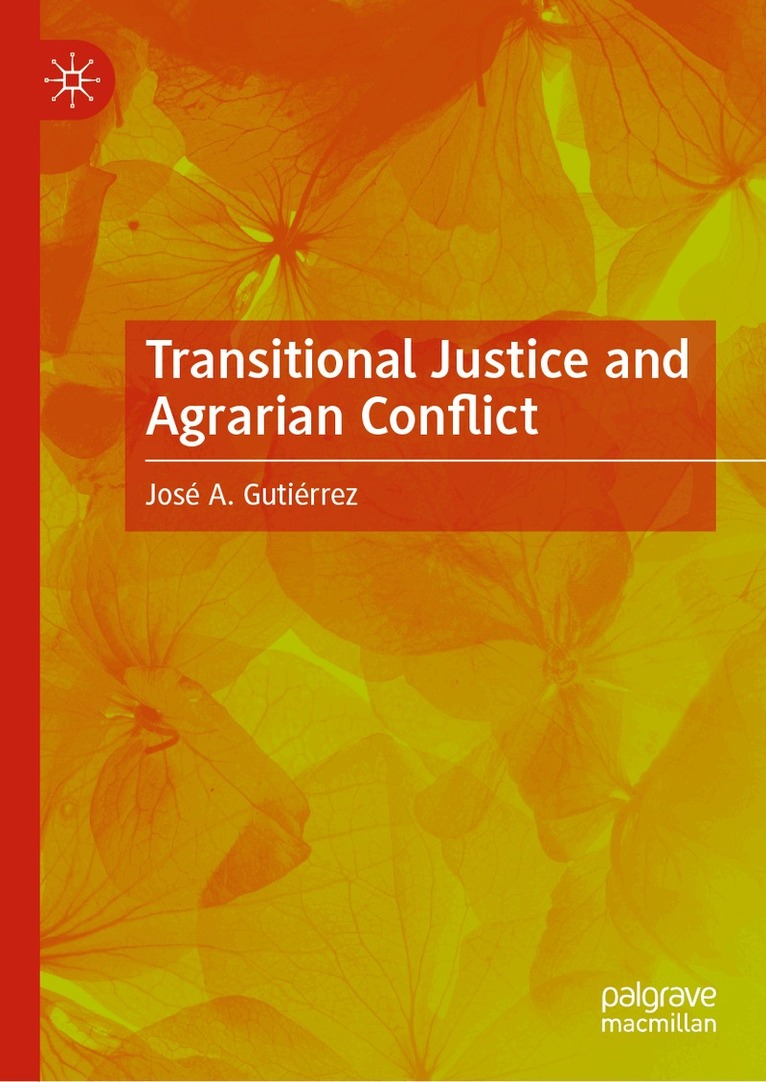
Transitional Justice and Agrarian Conflict
407 kr
Beställningsvara. Skickas inom 10-15 vardagar. Fri frakt över 249 kr.
Beskrivning
This book provides a novel treatment of the rural and agrarian dimensions of conflict and repression in transitional justice settings. By focusing on these agrarian dimensions, which remain largely unacknowledged in orthodox transitional justice, it contributes to enrichen understandings of post-conflict injustice and the need for new forms of practice for addressing socio-economic root causes. Drawing ideas from the transformative critique of transitional justice, this book takes as a starting point to translate these ideas into practice, the mobilisation of peasant organisation at the local and transnational level for justice and for the creation of new normative frameworks to articulate their ideas of change. In making these novel connections, a number of different literatures and audiences are brought together in a new way: transitional justice, as an interdisciplinary field with a strong legal orientation; critical agrarian studies and critical development studies; peacebuilding; and peace and conflict studies.
Produktinformation
- Utgivningsdatum: 2026-07-29
- Mått: 148 x 210 x 17 mm
- Vikt: 372 g
- Format: Inbunden
- Språk: Engelska
- Antal sidor: 190
- Förlag: Springer Nature Switzerland AG
- ISBN: 9783032252272
Utforska kategorier
Betyg & recensioner
0 recensioner
Inga recensioner tillgängliga.