E-bok, Engelska, 2016
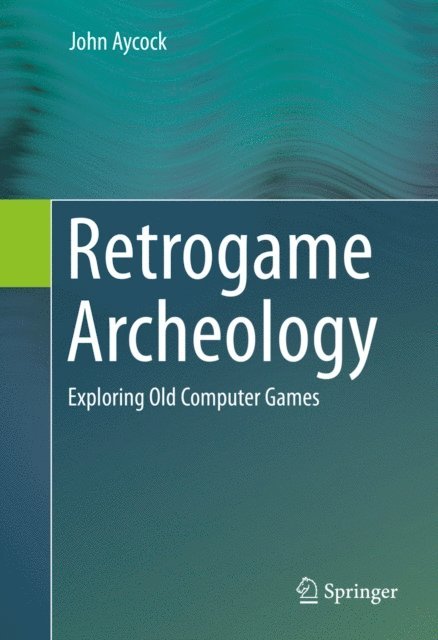
Retrogame Archeology
Av John Aycock
2065 kr
Läs direkt i Bokus Reader – eller ladda ned till din enhet (PDF kräver ofta zoom och scroll på små skärmar).
Beskrivning
Drawing on extensive research, this book explores the techniques that old computer games used to run on tightly-constrained platforms. Retrogame developers faced incredible challenges of limited space, computing power, rudimentary tools, and the lack of homogeneous environments.
Using examples from over 100 retrogames, this book examines the clever implementation tricks that game designers employed to make their creations possible, documenting these techniques that are being lost. However, these retrogame techniques have modern analogues and applications in general computer systems, not just games, and this book makes these contemporary connections. It also uses retrogames'' implementation to introduce a wide variety of topics in computer systems including memory management, interpretation, data compression, procedural content generation, and software protection.
Retrogame Archeology targets professionals and advanced-level students in computer science, engineering, and mathematics but would also be of interest to retrogame enthusiasts, computer historians, and game studies researchers in the humanities.
Using examples from over 100 retrogames, this book examines the clever implementation tricks that game designers employed to make their creations possible, documenting these techniques that are being lost. However, these retrogame techniques have modern analogues and applications in general computer systems, not just games, and this book makes these contemporary connections. It also uses retrogames'' implementation to introduce a wide variety of topics in computer systems including memory management, interpretation, data compression, procedural content generation, and software protection.
Retrogame Archeology targets professionals and advanced-level students in computer science, engineering, and mathematics but would also be of interest to retrogame enthusiasts, computer historians, and game studies researchers in the humanities.
Produktinformation
- Utgivningsdatum: 2016-05-09
- Språk: Engelska
- Filformat: PDF
- Kopieringsskydd: LCP
- ISBN: 9783319300047
- Förlag: Springer International Publishing
Utforska kategorier
Betyg & recensioner
0 recensioner
Inga recensioner tillgängliga.