
T. R. Dutson - Böcker
Visar alla böcker från författaren T. R. Dutson. Handla med fri frakt och snabb leverans.
4 produkter
4 produkter
853 kr
Skickas inom 10-15 vardagar
2 101 kr
Skickas inom 10-15 vardagar
959 kr
Skickas inom 10-15 vardagar
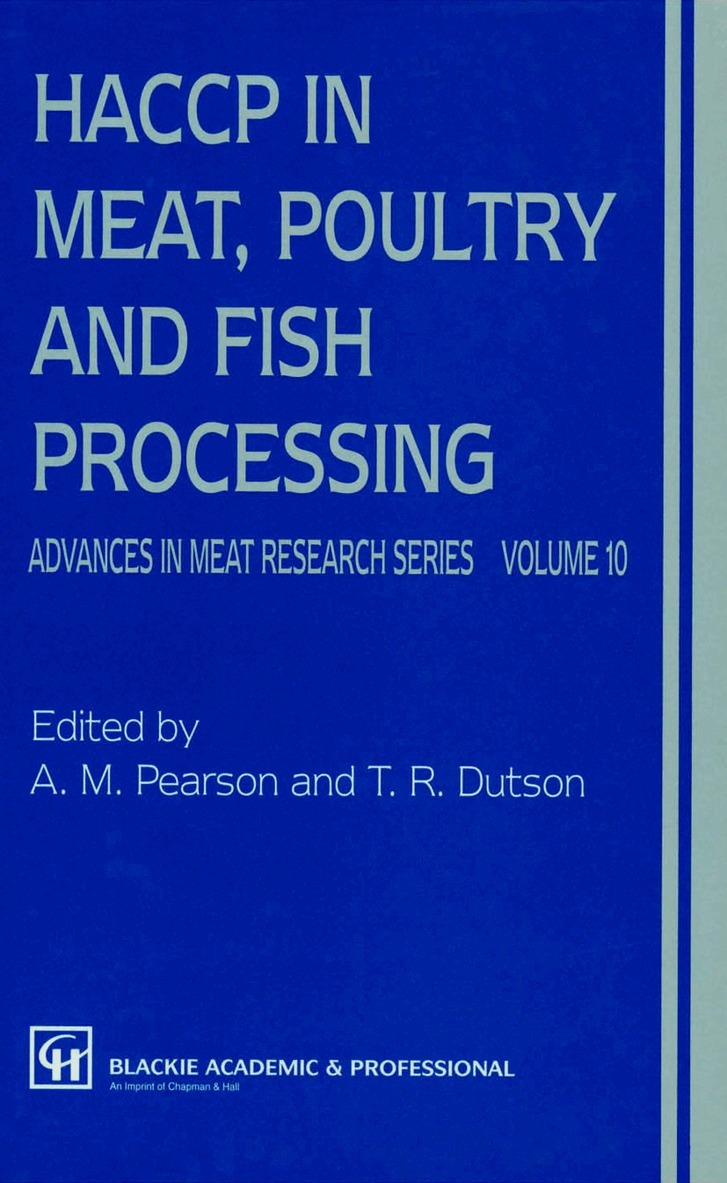
The RACCP (hazard analysis critical control point) concept for food products was an outgrowth of the US space program with the demand for a safe food supply for manned space flights by the National Aeronautics and Space Administration (NASA). The original work was carried out by the Pillsbury Company under the direction of Roward E. Bauman, who as the author of chapter 1 describes the evolution of the RACCP system and its adaptation to foods. The second chapter discusses the adoption of RACCP principles and explains how they fit into the USDA and FDA meat, poultry and seafood inspection systems. The next chapter discusses how RACCP principles can be extended to production of meat, poultry and seafoods, a most important area involved in producing a safe food supply. Chapter 4 deals with the use of RACCP in controlling hazards encountered in slaughtering and distribution of fresh meat and poultry, while chapter 5 discusses the problem - both spoilage and hazards - involved in processing and distribution of meat, poultry and seafood products. Chapter 6 covers the entire area of fish and seafoods, including both fresh and processed products from the standpoints of spoilage and hazards.
536 kr
Skickas inom 10-15 vardagar
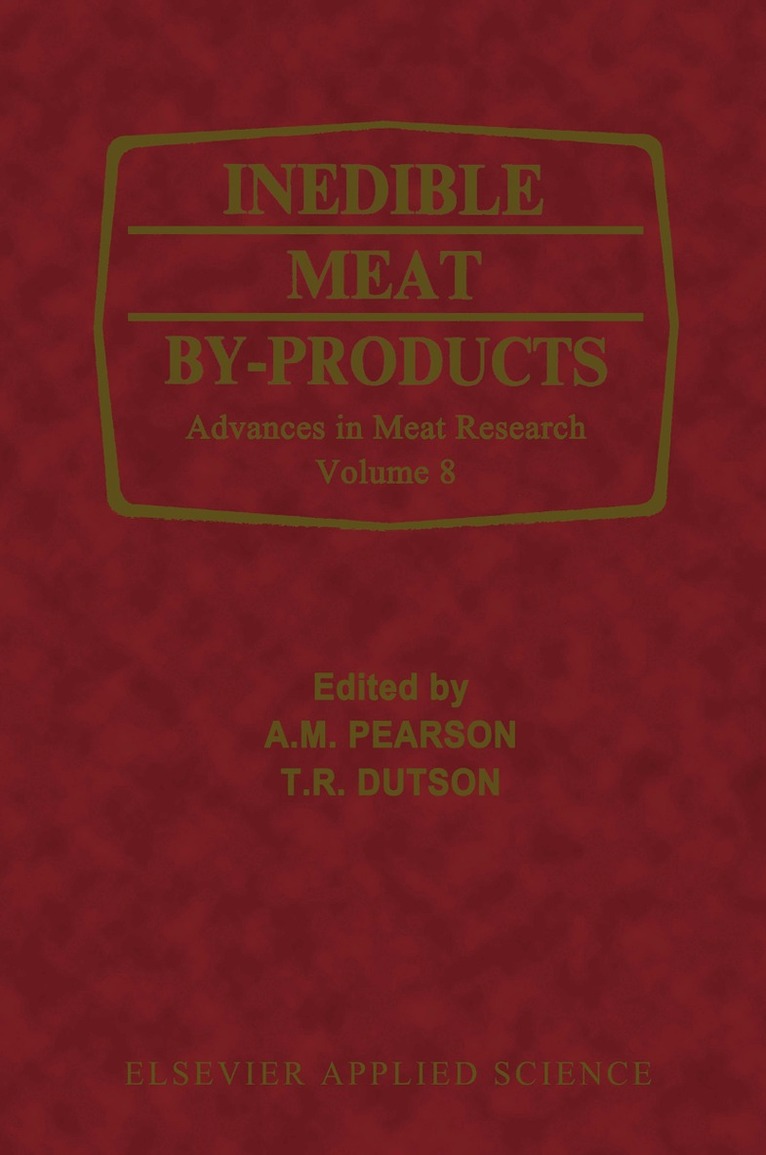
Inedible meat, poultry and fish by-products are major contributors to the profitability of the slaughterers and processors of all types of muscle food. Although the by-products per se make important economic contributions to the productivity of the industries, their importance varies widely between classes and for different species. As important as this may be, the utilization of the otherwise waste by-products has become even more crucial from the standpoint of protecting the environment. Hence, the editors decided that a book dealing with inedible meat, poultry and fish by-products would be useful not only to slaughterers and processors, but also to those involved in research and teaching. Focusing on the advan tages of the useful inedible products and methods involved in their pro duction could very well lead to new and better uses for by-products as well as in improving the environment. As in past volumes of this series, the authors are leaders in their respective fields of discussion. Their expertise provides not only a back ground on present industrial practices but also areas and means for improving the production of by-products.