A. M. Pearson – författare
Visar alla böcker från författaren A. M. Pearson. Handla med fri frakt och snabb leverans.
9 produkter
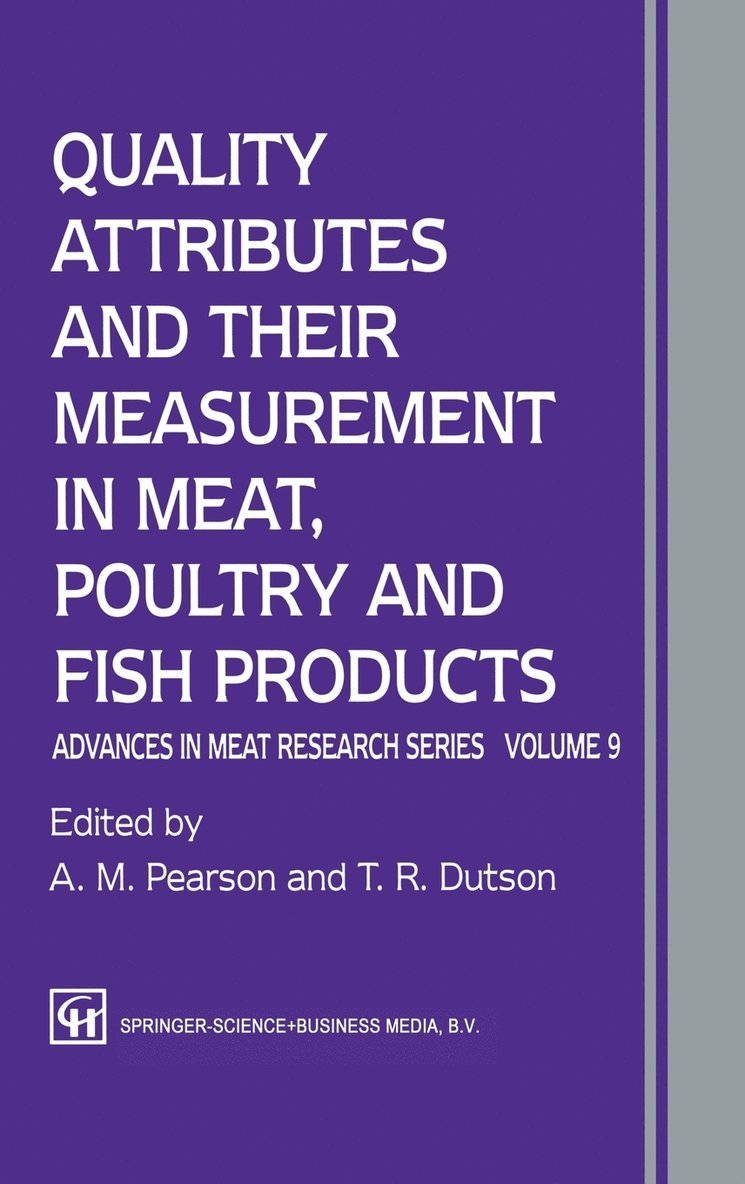
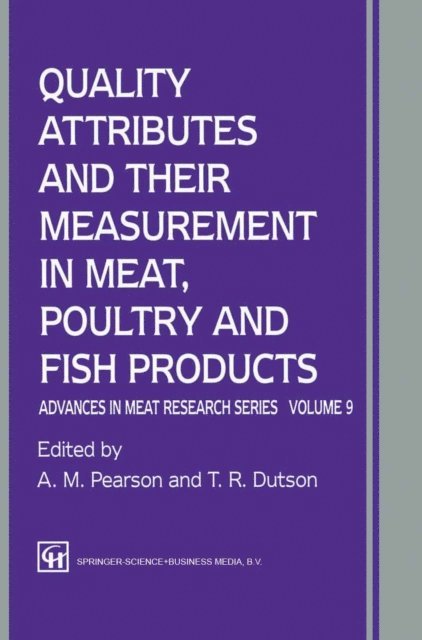
Quality Attributes and Their Measurement in Meat, Poultry and Fish Products
Av A. M. Pearson, A. M. Pearson m. fl.
Inbunden, 1995
880 kr
Lägg i varukorg
Quality Attributes and Their Measurement in Meat, Poultry and Fish Products
Av A.M. Pearson, T.R. Dutson m. fl.
Inbunden, 1995
2189 kr
Lägg i varukorg
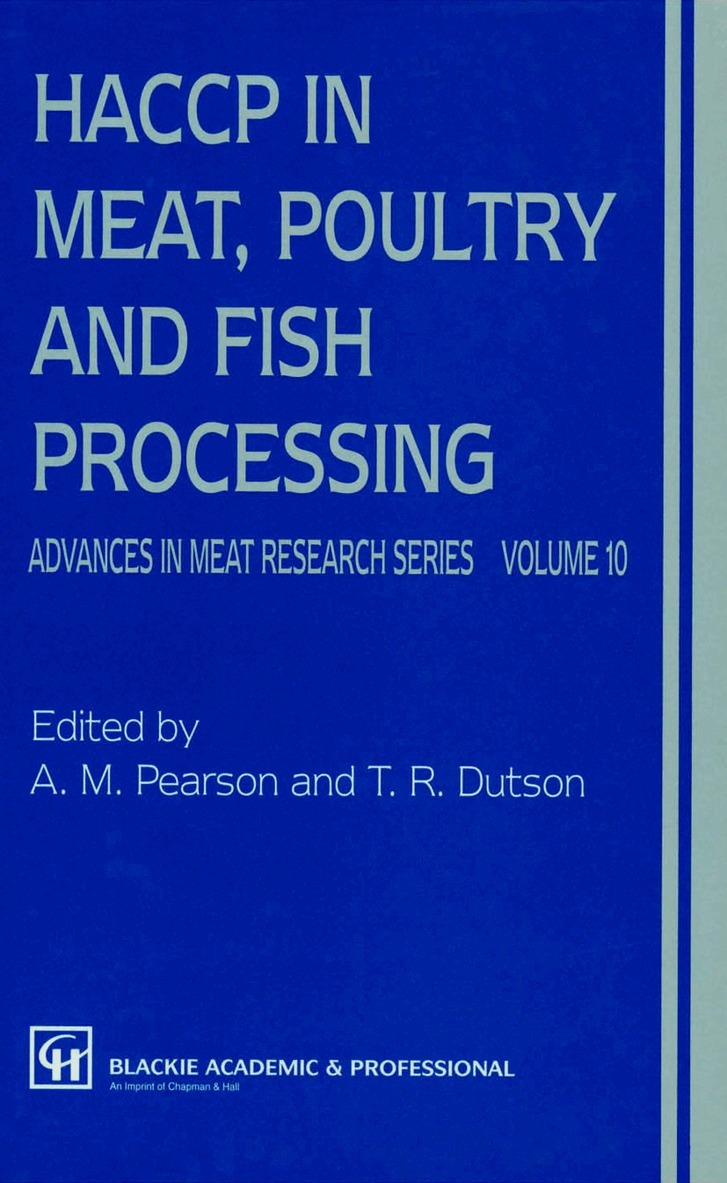
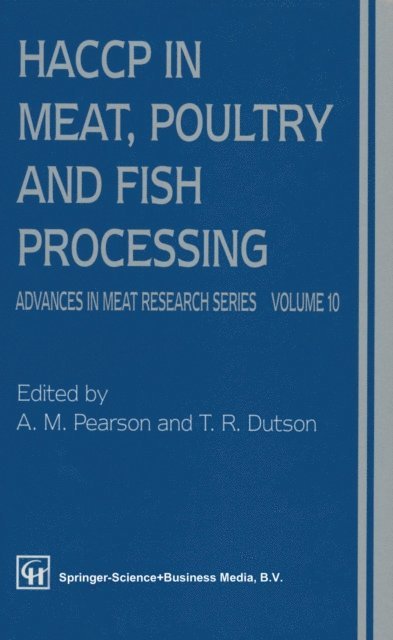
HACCP in Meat, Poultry, and Fish Processing
Av A. M. Pearson, T. R. Dutson
Häftad, 2013
989 kr
Lägg i varukorg
The RACCP (hazard analysis critical control point) concept for food products was an outgrowth of the US space program with the demand for a safe food supply for manned space flights by the National Aeronautics and Space Administration (NASA). The original work was carried out by the Pillsbury …
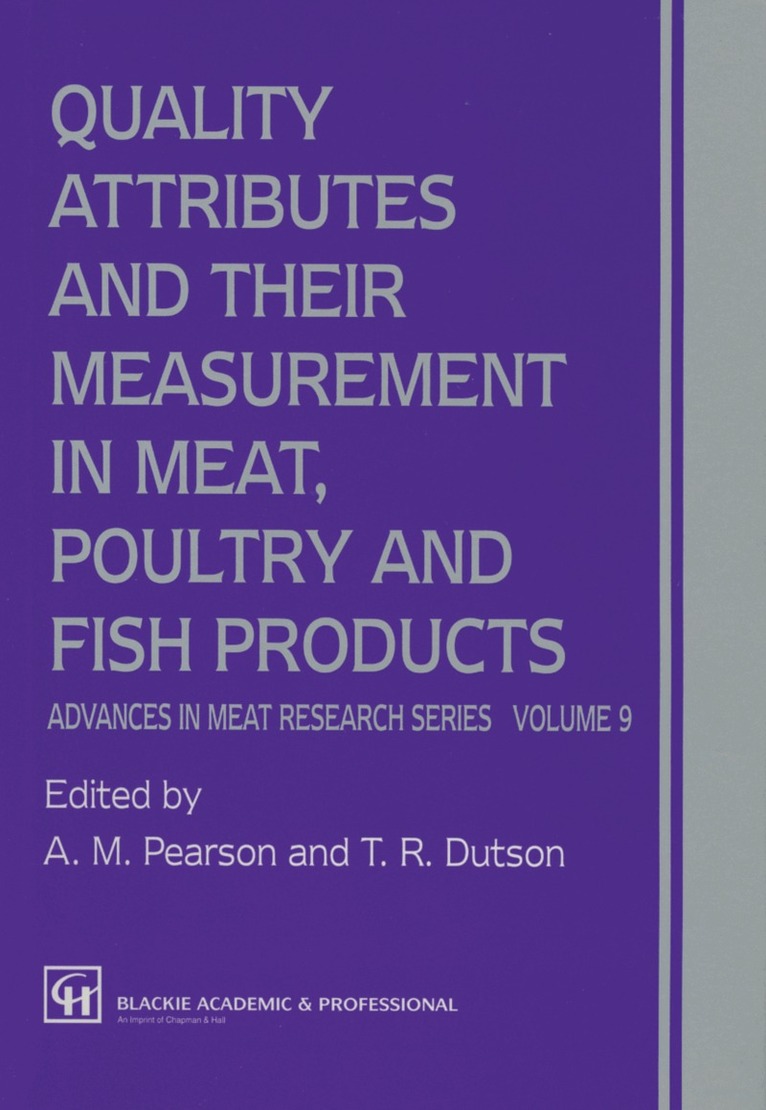
Quality Attributes and their Measurement in Meat, Poultry and Fish Products
Häftad, 2013
552 kr
Lägg i varukorg
The theme for this volume was chosen because no previous book has discussed the quality attributes of meat, poultry and fish and the methods that can be utilized for their measurement. The topics are not only timely but of great importance. Chapter I provides an introduction to the topic and …
HACCP in Meat, Poultry, and Fish Processing
Av T. R. Dutson, A. M. Pearson
E-bok, 2012
1250 kr
Lägg i varukorg
The RACCP (hazard analysis critical control point) concept for food products was an outgrowth of the US space program with the demand for a safe food supply for manned space flights by the National Aeronautics and Space Administration (NASA). The original work was carried out by the Pillsbury …
Quality Attributes and their Measurement in Meat, Poultry and Fish Products
E-bok, 2013
734 kr
Lägg i varukorg
The theme for this volume was chosen because no previous book has discussed the quality attributes of meat, poultry and fish and the methods that can be utilized for their measurement. The topics are not only timely but of great importance. Chapter I provides an introduction to the topic and …
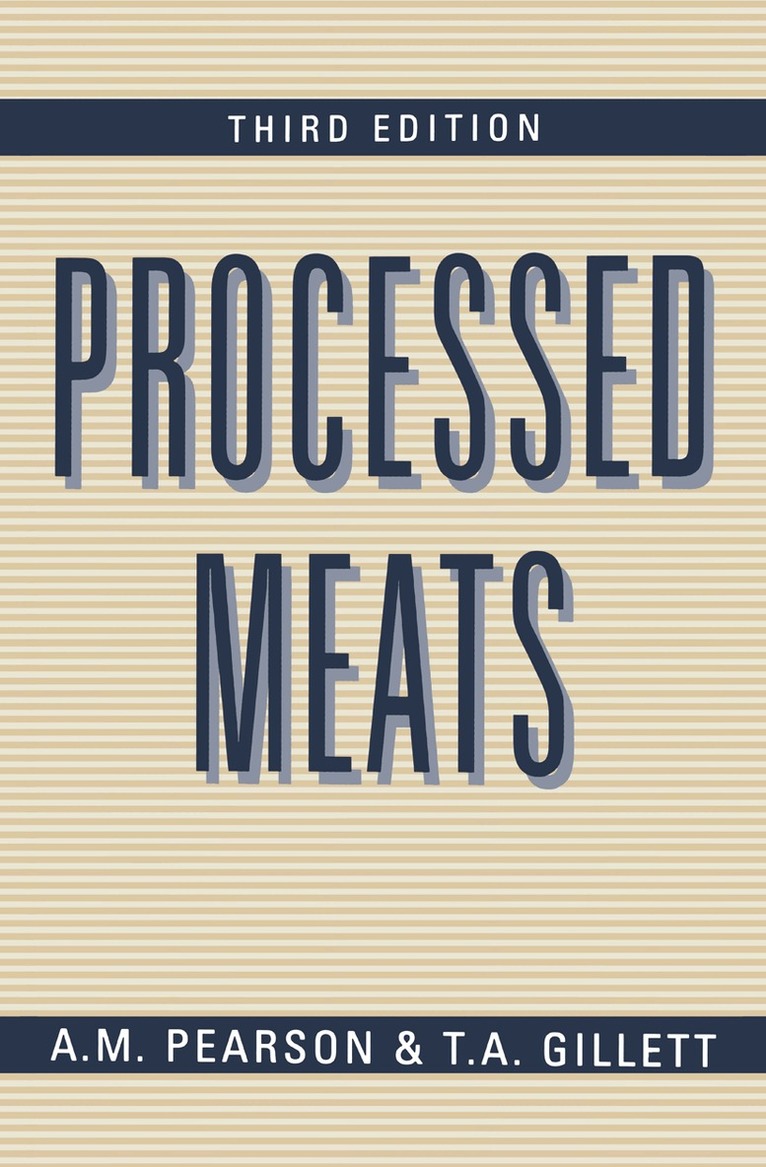
Processed Meats
Av A.M. Pearson, T.A. Gillett m. fl.
Häftad, 2012
3062 kr
Lägg i varukorg
Processed Meats, Third Edition reflects the changes taking place in the meat processing industry. This updated edition provides a comprehensive introduction to the principles and practices involved in processing meat and poultry into consumer products. The volume covers a range of topics, from the …
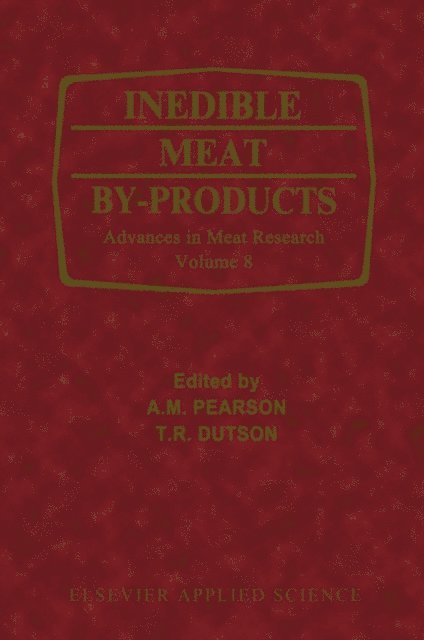
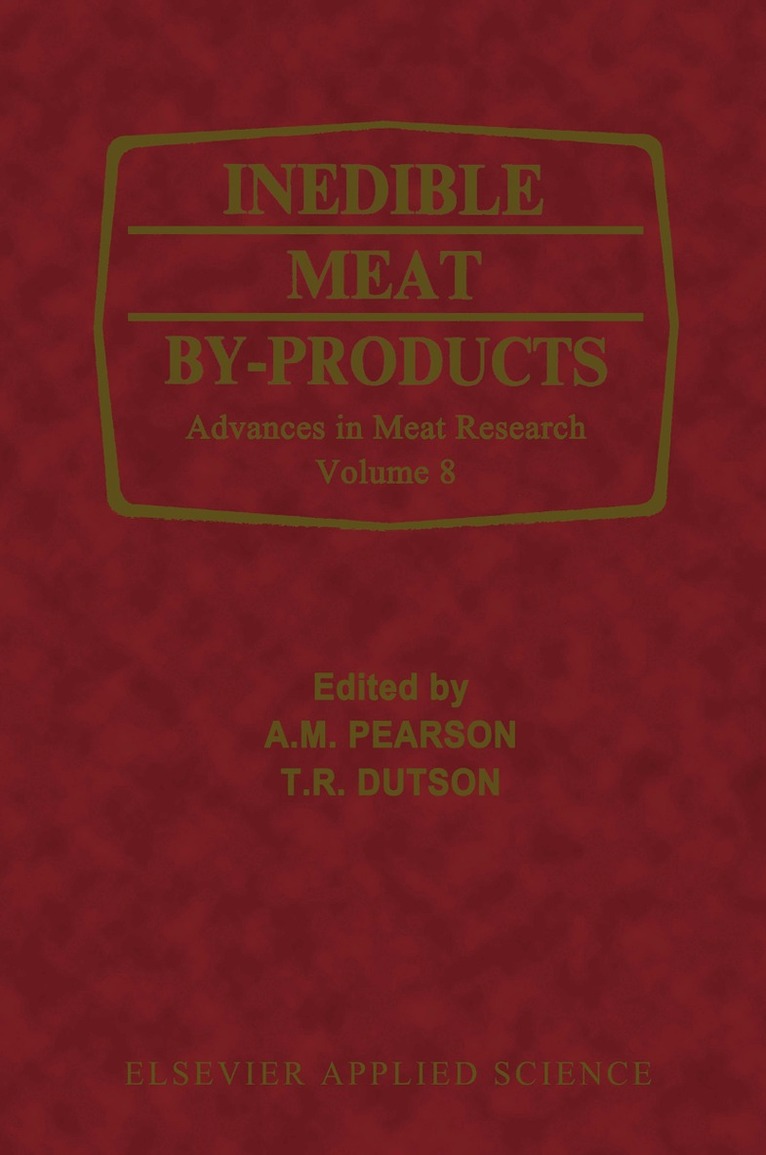
Inedible Meat by-Products
Av T. R. Dutson, A. M. Pearson
E-bok, 2013
723 kr
Lägg i varukorg
Inedible meat, poultry and fish by-products are major contributors to the profitability of the slaughterers and processors of all types of muscle food. Although the by-products per se make important economic contributions to the productivity of the industries, their importance varies widely between …
Inedible Meat by-Products
Av A. M. Pearson, T. R. Dutson
Häftad, 2012
552 kr
Lägg i varukorg
Inedible meat, poultry and fish by-products are major contributors to the profitability of the slaughterers and processors of all types of muscle food. Although the by-products per se make important economic contributions to the productivity of the industries, their importance varies widely between …