
Visar resultat för..."Archaeopress"
1 432 produkter
1 432 produkter
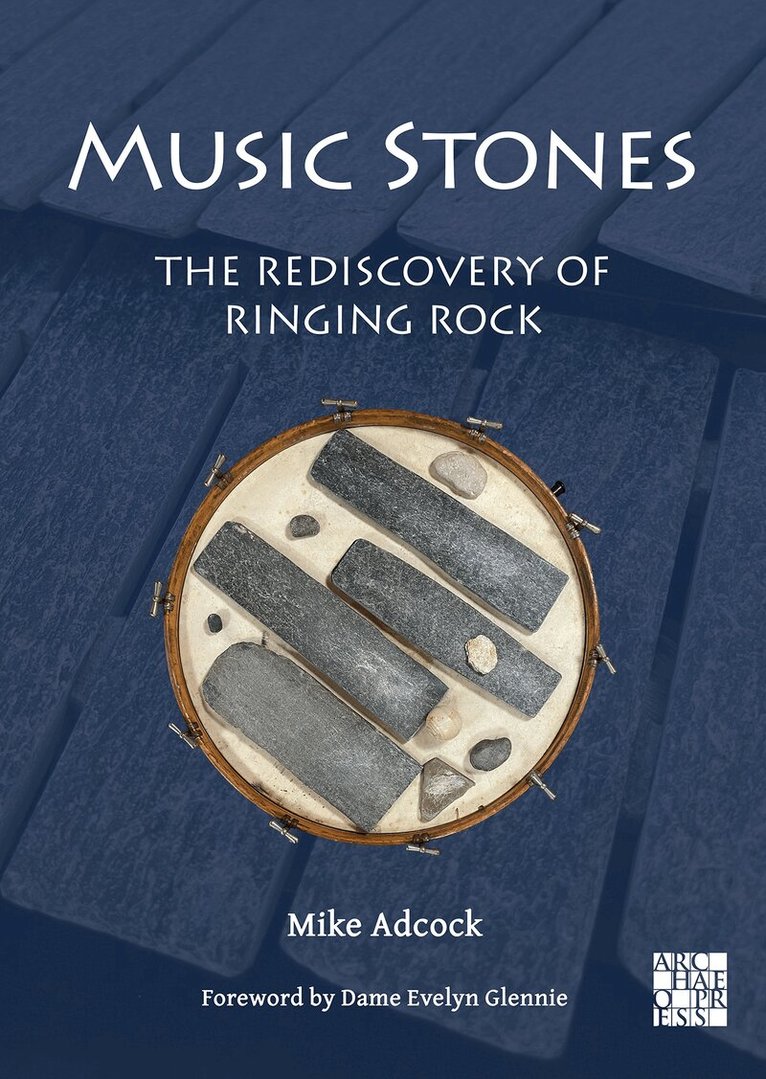
Häftad, Engelska, 2025
465 kr
Skickas
Music Stones is a fascinating account of the surprising and little-known ways in which stone has been used to create music. The use of stone instruments (lithophones) is thought to date back to prehistoric times, but here the focus is on a more recent interest being shown in the sound of stone. This all began in 1785, when Peter Crosthwaite, from Keswick in England’s Lake District, assembled his set of Music Stones, collected from the foot of Mount Skiddaw.From the 1840s onwards a succession of so-called rock bands from Keswick were inspired to produce bigger and better instruments and perform widely on them, including, in one case, playing at Buckingham Palace for Queen Victoria. The story continues into the twentieth century when, in 1949, the unearthing of an ancient set of tuned stone slabs in Vietnam, led to a revival of interest in lithophones in that country.A connection is also made between the sound of stone and the process of stone-carving, with particular reference to the work of Barbara Hepworth, as well as other sculptors such as Pinuccio Sciola, who was to become known internationally for his sound sculptures. Another focus is on the world of experimental music, in which some musicians and composers, keen to challenge ideas of what might constitute a musical instrument, have explored a range of geological possibilities, from vast rocky landscapes through to tiny pebbles. In the final chapter, a selection of contemporary practitioners write about their own musical involvement with the sound of stone.
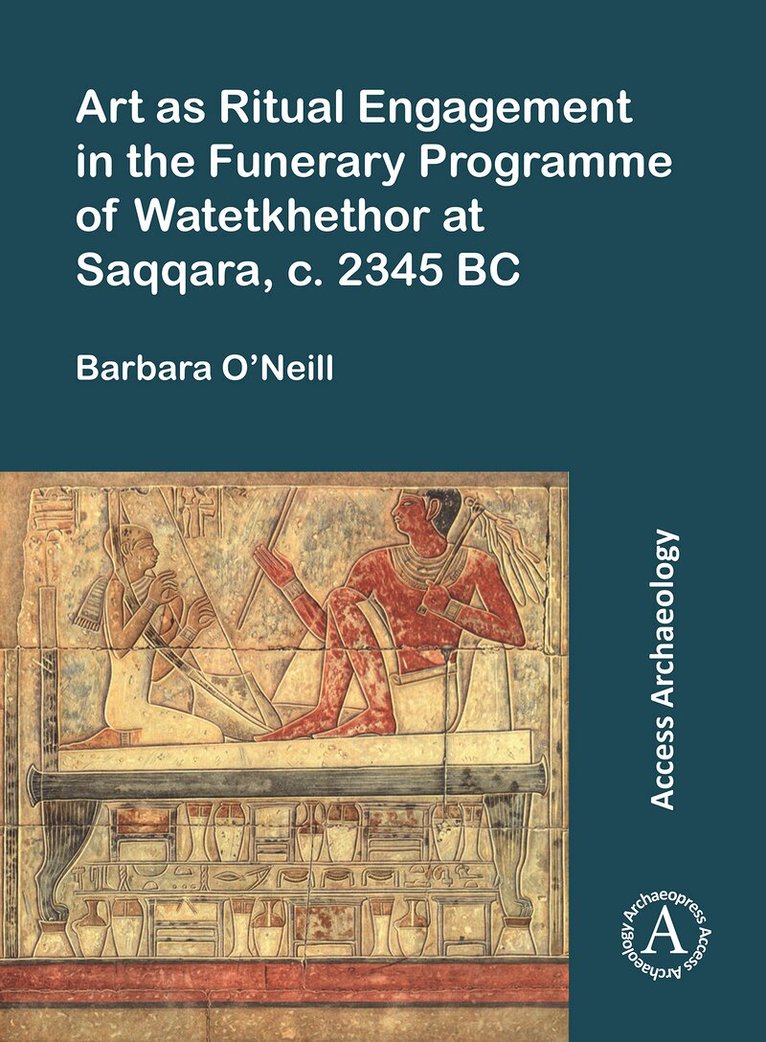
Häftad, Engelska, 2023
343 kr
Skickas
Art as Ritual Engagement is examined through a case study of feminised funerary representation in the repertoire of Watetkhethor, an elite woman interred in the mastaba tomb of her spouse, Mereruka, at Saqqara, c.2345-2181 BCE. The focus is centred upon the functionality of a particular form of gendered imagery in a ritualised, funerary context. The spaces and images in which Watetkhethor is featured alone, or in support of her spouse, indicate something of an elite woman’s expectations of the afterlife at this particular time. Contemporaneous examples as detailed as Watetkhethor’s are rare, and her status may have permitted Watetkhethor’s personal involvement in designing the funerary programme. Her. The arrangements would have been ‘state-of-the-art’, meeting the requirements of a woman identified as the eldest daughter of King Teti, c. 2300-2181 BCE. However, to date, the assumptions of twentieth century anachronisms, attitudes and biases have all but dismissed the rich iconographical programme of specifically feminised arrangements within this shared tomb.
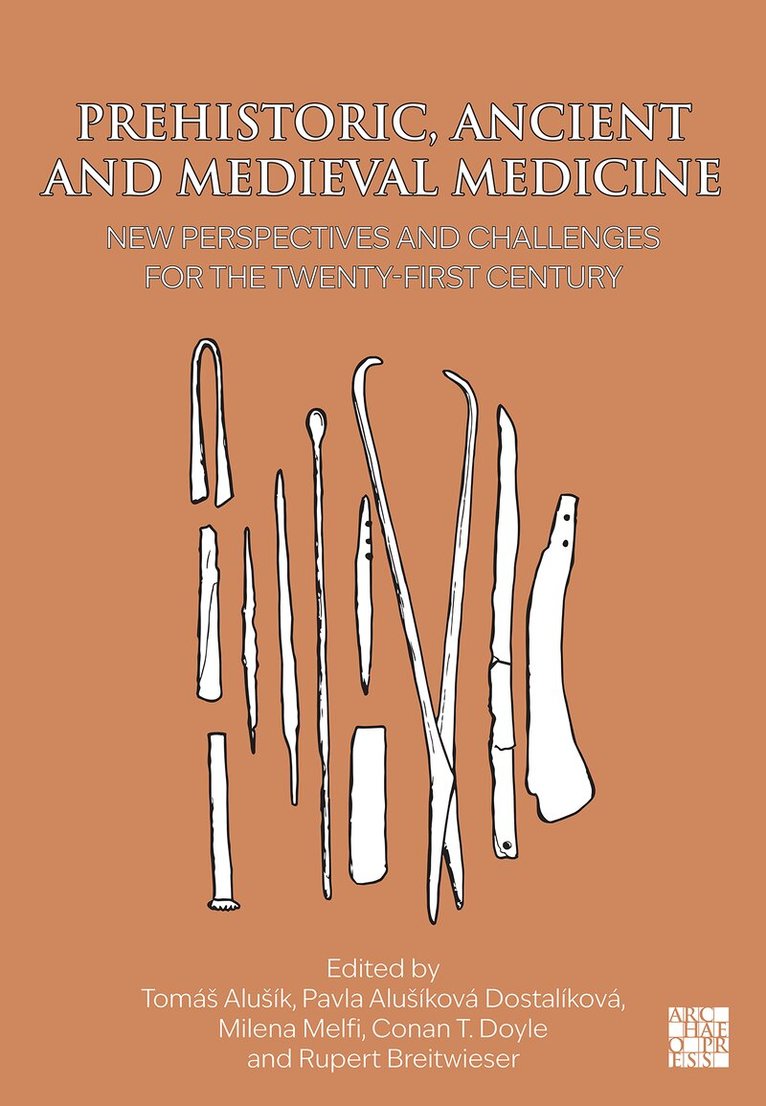
Inbunden, Engelska, 2026
965 kr
Skickas
This volume contains a total of 21 chapters on prehistoric, ancient, and medieval medicine, presented from various perspectives. After a general introduction outlining the directions, possibilities, and methods of research in archaeology and the history of medicine in the period under review and arguing for the necessity of an interdisciplinary approach, there follow 20 chapters presenting specific research topics. These chapters cover a wide chronological span, from the Stone Age to more or less the end of the Middle Ages, and geographical extent, from Western Europe through the Mediterranean (including Egypt and the Levant) to the Near East (including modern Iraq). The papers in this volume are divided into three sections, roughly spanning prehistory, the Classical era and the Middle Ages respectively.
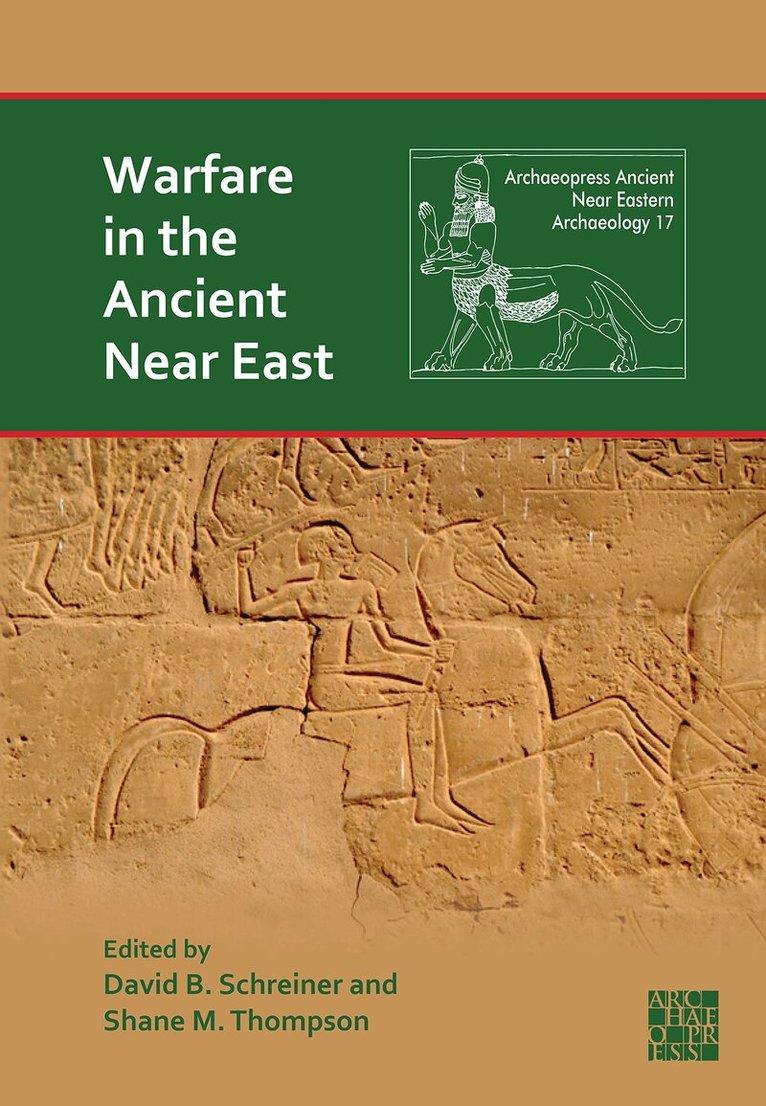
Del 17 - Archaeopress Ancient Near Eastern Archaeology
Warfare in the Ancient Near East
Preparation, Enactment and Remembrance
Inbunden, Engelska, 2026
845 kr
Kommande
Warfare in the Ancient Near East: Preparation, Enactment and Remembrance explores the many dimensions of warfare across the ancient Near East, from military strategy and defensive architecture to royal propaganda, captivity, memory and psychological trauma. Drawing together studies on Egypt, Assyria, Judea, Mesopotamia and the Roman East, the volume examines not only how wars were fought, but also how they were justified, remembered and reshaped in cultural memory.Contributors investigate subjects including the fortifications of Hatra, Egyptian military organisation in Nubia, chariot warfare, Trajan’s Mesopotamian campaigns, the treatment of captives, Neo-Assyrian and Neo-Babylonian royal rhetoric, and the lasting trauma of violence in biblical narrative. Combining archaeological, textual and iconographic evidence, this interdisciplinary collection offers fresh perspectives on warfare as a recurring social, political and psychological reality in the ancient world.
Inbunden, Engelska, 2025
1 000 kr
Skickas
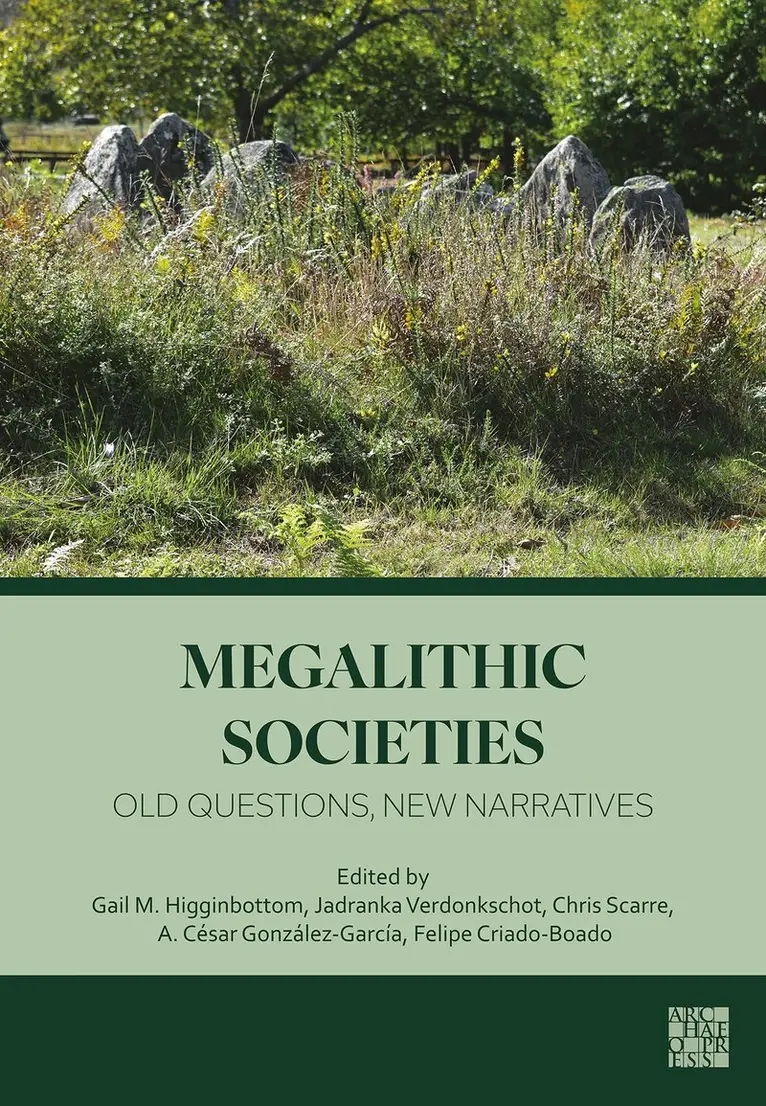
This volume features 16 papers from the European Megalithic Studies Group, exploring monuments across Europe. Topics include mobility, social structures, and symbolism, using methods like isotopic analysis, 3D modelling, and excavation. It reveals new insights into megalithic traditions and practices.
E-bok
PDF, Engelska, 2015326 kr
Läs direkt efter köp
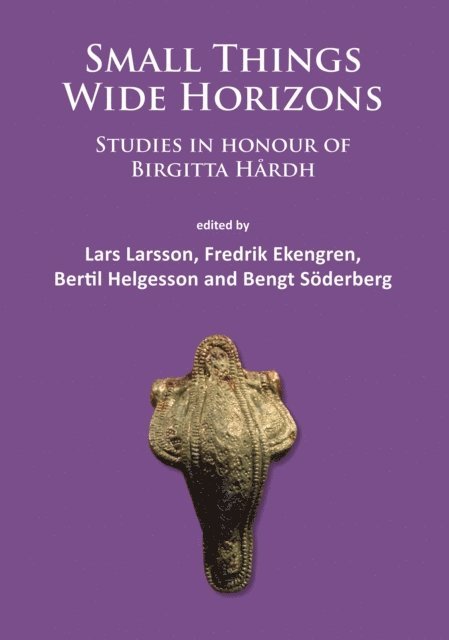
This publication honours Birgitta Hårdh on her 70th birthday. Birgitta Hårdh is one of the leading experts on European Viking Age, engaged in diverse research projects, and also a vital collaborator in various networks specializing in the period. Through time, Birgitta has extended her research to comprise other periods of the Iron Age. A feature common to all Birgitta Hårdh’s research is that she has been able, through analysis of a body of finds, to broaden the perspective, not least geographically through her profound knowledge of phenomena in Northern Europe and indeed all of Europe. Therefore, this book has been given the title Small Things – Wide Horizons. A total of fourty titles have been submitted to the volume. The presentations include a number of perspectives mainly of Iron Age. Themes as silver economy, coins, trinkets, burials, crafts, farms and fields, centrality and transformations give a view of the variation of contributions nationally and internationally.
1 229 kr
Skickas
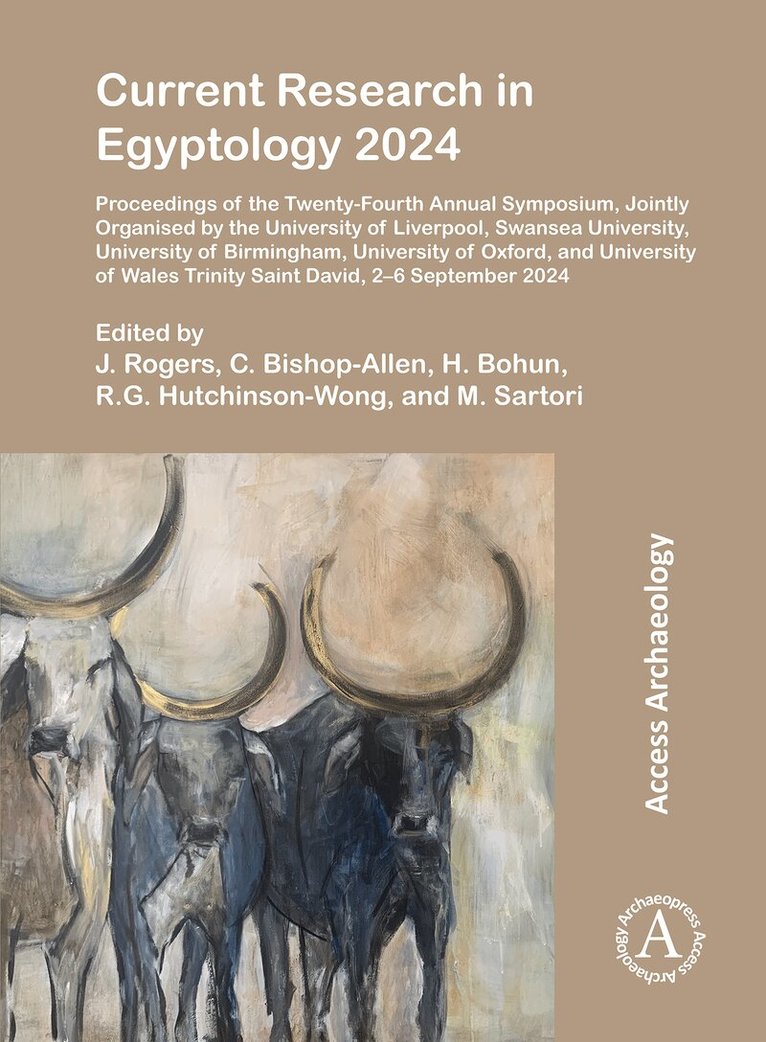
The twenty-fourth Current Research in Egyptology conference was held at the University of Liverpool between 2–6 September 2024, and organised by researchers across five UK universities. This important event welcomed almost 200 participants from around the globe, with a full programme of 115 paper presentations alongside 17 poster presentations, highlighting recent research and results by early career researchers in Egyptology and related fields. The present volume gathers 23 selected papers from the conference, reflecting the breadth of new work, methods, and perspectives presented at the meeting. Individual papers include discussion of material culture, society, religion, reception studies, findings from archaeological excavations, and methodological issues, bringing together a wide range of recent research in Predynastic, Pharaonic, and Graeco-Roman Egyptology.

Häftad, Engelska, 2026
588 kr
Skickas
Sieges and siege-related activities played a significant role in the development of Rome’s power in Hispania and Gaul during the late-Roman Republic. They were made possible by the efficient Roman ‘military machine’ available to commanders during this period – a constantly adapting and improving army, highly regularised encampments and lethal artillery.The narration of Caesar’s sieges by Caesar himself and his literary successor Hirtius, makes them seem unusual and inventive, probably to emphasise Caesar’s brilliance as a military commander. They were not that different or new though, as shown by the close similarity between established Hellenistic siege practices and the general evidence of sieges in Gaul and Hispania.It can often seem that siege fieldworks were ‘operation-specific’ to sieges, but essentially just mining and ramps were siege-only techniques. Most of the other works were simply implementations of the normal repertoire of the army’s fortifications, just as the artillery and weaponry were used in all types of conflicts. This becomes apparent when looking at the wide variety of Roman military installations emerging in the Iberian Peninsula.Sieges are not mere mechanical exercises in military technology and tactics, as often seems in academic discussions, but people are at the centre of it all, with troops and besieged suffering alike. Sieges are consequently considered here within ‘warfare ecology’ – the severe environmental impact, the suffering health and well-being of all involved, even changes to the smellscape, much of which continued for the besieged long after the siege had ended and troops had departed.
626 kr
Skickas
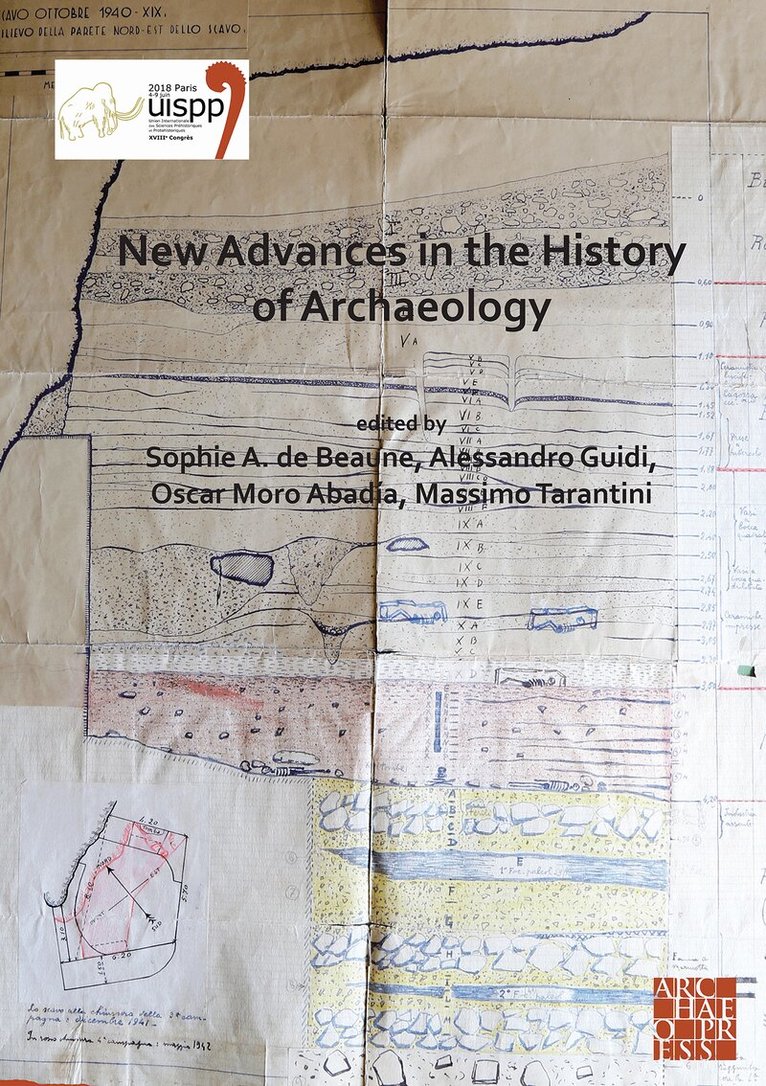
New Advances in the History of Archaeology presents the papers from three sessions organised by the History of Archaeology Scientific Commission at the 18th UISPP World Congress (Paris, June 2018). The first session, From stratigraphy to stratigraphic excavation in pre- and protohistoric archaeology organised by Massimo Tarantini and Alessandro Guidi, reviews the development of stratigraphical methods in archaeology in many European countries. The second session, Epistemology, History and Philosophy of Science: Interdisciplinary Perspectives on the History of Archaeology, organised by Sophie A. de Beaune and Oscar Moro Abadia, is characterised by different examples of intersections between archaeology and other disciplines like history and the philosophy of science. Finally, four papers discuss the development of different types of interdisciplinarity in Europe and South America. These were presented in the third session, Archaeology and interdisciplinarity, from the 19th century to present-day research, organized by Laura Coltofean, Géraldine. Delley, Margarita Díaz-Andreu and Marc-Antoine Kaeser.
Häftad, Engelska, 2026
695 kr
Skickas
Archaeological excavation of almost the entirety of Broxy Kennels Fort to the north of Perth, was undertaken in advance of a new road development. It revealed a multivallate fortified settlement on a hill overlooking the River Tay. The fort constructed in the 6th century BC initially comprised two ditches that encircled the hill with a north-east entranceway that led to the interior.Around the late 5th-early 4th centuries BC, parts of the settlement’s defences were altered to accommodate a souterrain constructed into one of the silted-up ditches. The alteration necessitated a further short ditch either side of the entrance, followed by a final outer ditch that encircled the hill. Other changes within the enclosure may also have occurred at this time with material from clearance of structures being dumped in the ditches.After a short hiatus, an unenclosed settlement within the interior of the fort persisted from the 4th century BC until around the late 1st century AD. Other than traces of sporadic activity from the early medieval period to the post-medieval era, the site was to all intents and purposes lost to the plough.
Häftad, Engelska, 2002
237 kr
Skickas
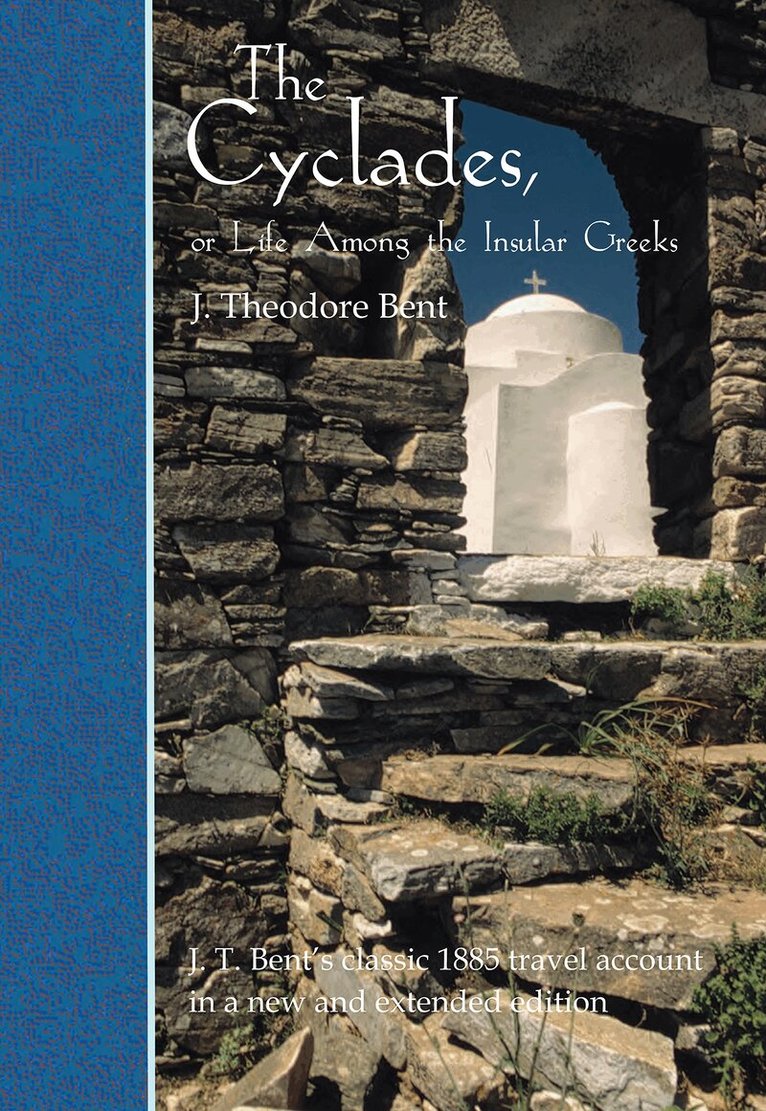
James Theodore Bent (1852-1897) was an Oxford-educated archaeologist, historian and explorer who dedicated his short life to researches in the Levant and Africa. In the winters of 1882-84 he and his wife, Mabel Hall-Dare, made extended tours of the Cycladic islands and in 1885 Bent published what has become a classic account of their wanderings and discoveries in what is now one of the best-loved regions of Greece. His island-by-island journals are a fascinating insight into Greek community living at the turn of the 19th century, and the work established Bent as a traveller of note. As might be expected, most of the major sites and sights are detailed, as well as references to customs and costumes, hospitality and hardship, history, folklore and myth. No account in English, then or since, has come close in terms of scope and achievement. (On a scholarly level, Bent was the first English archaeologist to undertake serious excavation work in the region and his findings on the small island of Antiparos (included here) are still referred to in current bibliographies.) As far as the publishers are aware, no English language edition of Bent’s Cyclades is currently easily available. This new edition of Bent’s 1885 work is accompanied by a newly commissioned biographical introduction and a series of notes including route-planner, and historical and archaeological summaries. ‘Tozer of Oxford sends me a charming book…by Theodore Bent…all about the Cyclades. (Dearly beloved child let me announce to you that this word is pronounced ‘Sick Ladies,’ – howsomdever certain Britishers call it ‘Sigh-claides.’)…’ (Edward Lear writes to Chichester Fortescue, Lord Carlingford [30 April 1885, San Remo])
Häftad, Engelska, 2003
237 kr
Skickas
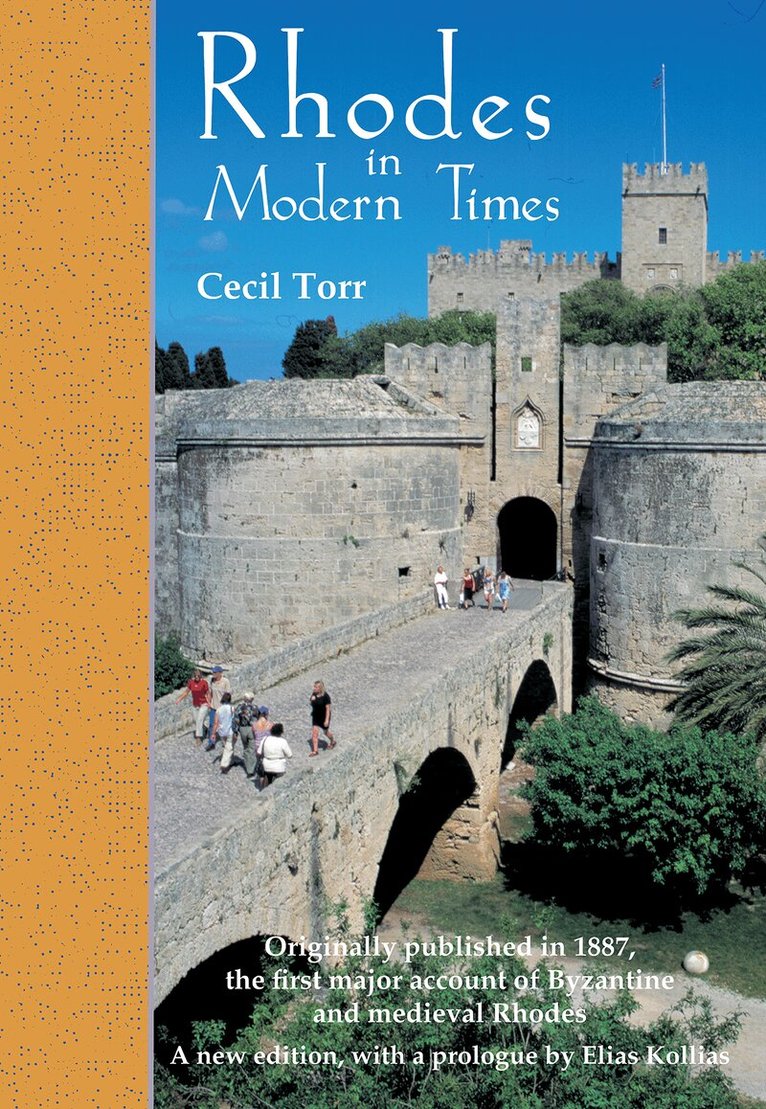
Cecil Torr’s 19th-century studies of Rhodes, in the Greek Dodecanese, off the coast of Asia Minor, were the first and most authoritative English guides to the island’s multi-layered history: nothing approaching them had been attempted before. Impeccably qualified – Harrow (Arthur Evans was a class-mate), Trinity Cambridge, and Inner Temple barrister of formidable reputation – Cecil Torr had the true antiquarian’s obsession for factual presentation and detailed analyses of primary sources. The result is a rock-solid account of the story of Byzantine Rhodes and the times of the Knights of St John, including the extraordinary events of the Great Siege which culminated in the Knights’ expulsion from the island in 1522. First published in 1887, Rhodes in Modern Times is an historical guide to the Byzantine and medieval landscapes of Rhodes. Strolling with Torr up the ‘Street of the Knights’, or on the great walls of the Old Town, or around its now peaceful moat, takes you as close as you’ll safely dare to the events of this front line in East/West relations of 500 years ago: a guided tour in and out of three ‘time zones’ – Rhodes in her medieval splendour, at the turn of the 19th century, and today. This edition of Torr’s classic (recommended by Lawrence Durrell, no less, referring to “… the scholarly Englishman who has given us the best historical monograph on the island… Read him and you will see why…” - “Reflections on a Marine Venus”) includes an extended prologue (in Greek with English translation) by Dr Elias Kollias, a leading authority on medieval and Byzantine Rhodes. Additional sections include a biography of Cecil Torr, detailed chronologies of Rhodes’ history, and a ‘tour’ with Torr in and around the famous Old Town.
Häftad, Engelska, 2004
228 kr
Skickas
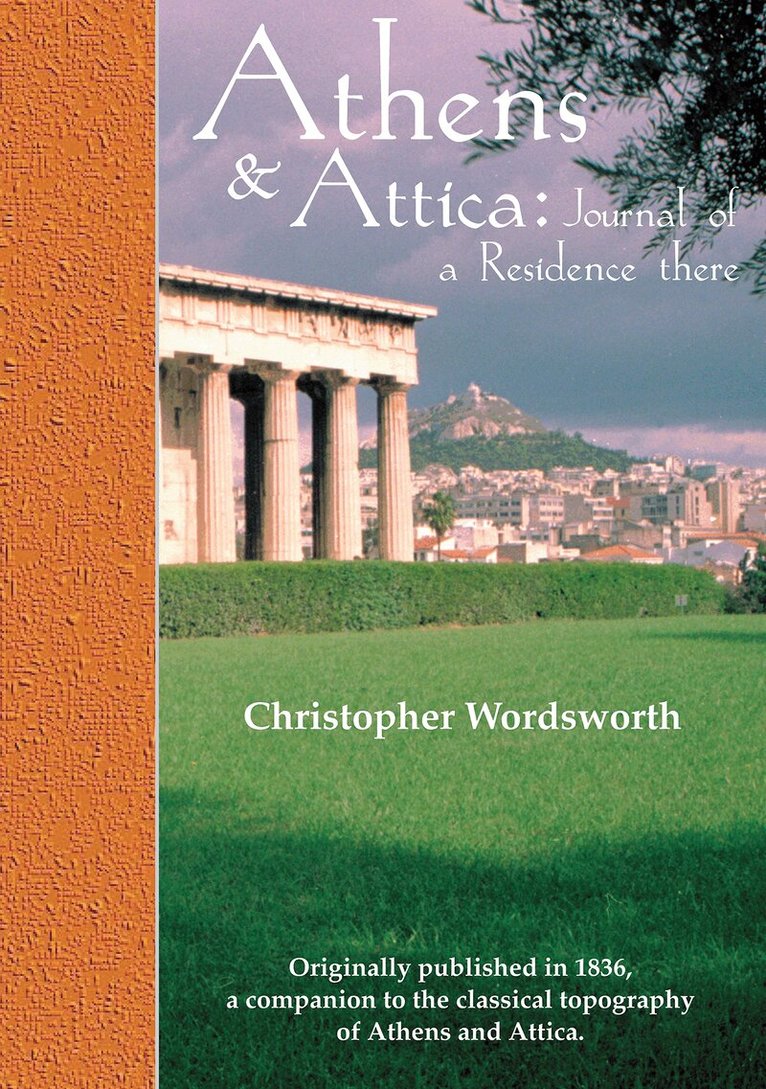
Christopher Wordsworth (1807-85), the “Great Christopher” of Winchester and Trinity College, Cambridge, was a nephew of William the poet, and brother to the student who launched the University Boat Race. In 1832 he took a gap-year, after his brilliant studies in ancient Greek and Latin classics, to travel back in time over two thousand years to Pericles’ Athens. The account of his tour, Athens and Attica (1836), is still the perfect scholarly companion to the history, topography, and myths of an area compact in dimension yet vast in terms of its contribution to Western civilization. “The Bazaar or Market at Athens is a long street. Looking up you command a view of the commodities. Barrels of black caviar, small pocket-looking-glasses in red pasteboard cases, onions, tobacco piled up in brown heaps, black olives, figs strung together upon a rush, pipes with amber mouthpieces and brown clay bowls, silver-chased pistols, dirks, belts, and embroidered waistcoats. Such is the present state of Athens…a few Turks still doze in the archways of the Acropolis, or recline while smoking their pipes, and leaning with their backs against the rusty cannon. A few days ago the cannon of the Acropolis fired the signal of the conclusion of the Turkish Ramazam – the last which will ever be celebrated in Athens.” – Christopher Wordsworth, 1832
Del 34 - Proceedings of the Seminar for Arabian Studies
Proceedings of the Seminar for Arabian Studies Volume 34 2004
Häftad, Engelska, 2004
771 kr
Skickas
Proceedings of the Annual Meeting of the Seminar for Arabian Studies, 2003.
Häftad, Engelska, 2005
237 kr
Skickas
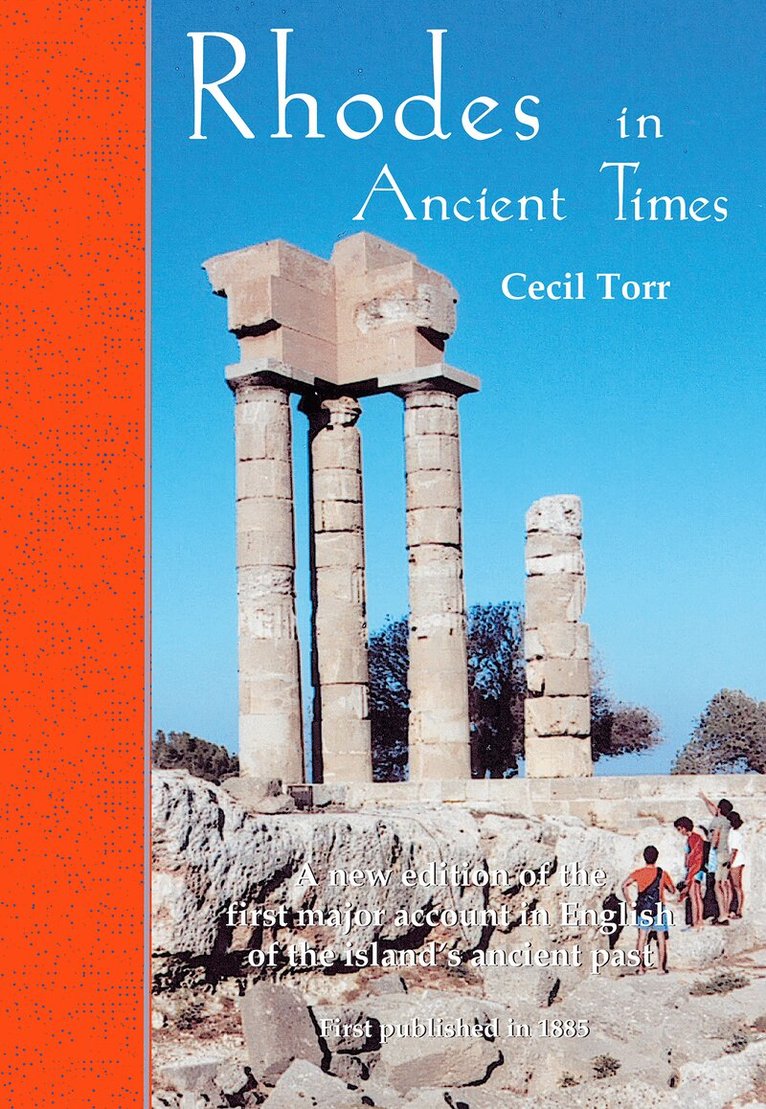
“Not the shadow of a smile disturbs the dry exposition of the scholarly Englishman [Cecil Torr] who has given us the best historical monograph on the island… Read him and you will see why...” (Lawrence Durrell, "Reflections on a Marine Venus"). Cecil Torr’s two 19th-century studies of Rhodes, in the Greek Dodecanese, off the coast of Asia Minor, were the first and most authoritative English guides to the island’s multi-layered history. Although more than a hundred years have passed since publication, the reclusive scholar’s "Rhodes in Ancient Times" and "Rhodes in Modern Times" remain firmly embedded in related bibliographies. Impeccably qualified – Harrow (Arthur Evans was a class-mate), Trinity Cambridge, and Inner Temple barrister of formidable reputation – Cecil Torr had the true antiquarian’s obsession for factual presentation and detailed analyses of primary sources. First published in 1885, "Rhodes in Ancient Times" is an historical and cultural guide to one of the most influential and powerful maritime states in the Mediterranean. Torr’s scholarly curiosity leads him to explore the island’s history, culture, myths and legends, arts, and contribution to learning in the centuries before Christ. Naturally, the celebrated Colossus is not overlooked!
Del 35 - Proceedings of the Seminar for Arabian Studies
Proceedings of the Seminar for Arabian Studies Volume 35 2005
Häftad, Engelska, 2005
693 kr
Skickas
CONTENTS: (1) Saad A. al-Rashid, The development of archaeology in Saudi Arabia; (2) Laïla Nehmé, Towards an understanding of the urban space of Madāin Salih, ancient Hegra, through epigraphic evidence; (3) Diane Barker & Salah Ali Hassan, Aspects of east coast Hellenism and beyond: Late Pre-Islamic ceramics from Dibbā 76 and Dibbā al-MurabbaΚah, Fujairah, United Arab Emirates; (4) Mark Beech, Richard Cuttler, Derek Moscrop, Heiko Kallweit & John Martin, New evidence for the Neolithic settlement of Marawah Island, Abu Dhabi, United Arab Emirates; (5) Ali Tigani ElMahi & Nasser Said Al Jahwari, Graves at Mahleya in Wādī Κandām (Sultanate of Oman): a view of a late Iron Age and Samad period death culture; (6) Heiko Kallweit, Mark Beech & Walid Yasin Al-Tikriti, Kharimat Khor al-Manāhil and Khor Āl Manāhīl — New Neolithic sites in the south-eastern desert of the UAE; (7) Jürgen Schreiber, Archaeological survey at Ibrām in the Sharqīyah, Sultanate of Oman; (8) Donatella Usai, Chisels or perforators? The lithic industry of Ras al-Hamra 5 (Muscat, Oman); (9) Paul Yule, The Samad Culture — Echoes; (10) Soumyen Bandyopadhyay, Diversity in unity: an analysis of the settlement structure of Hārat al-Κaqr, Nizwā (Oman); (11) Abdulrahman Al-Salimi, Makramid rule in Oman; (12) Valeria Fiorani Piacentini, Sohar and the Daylamī interlude (356–443/967–1051); (12) Alessandra Avanzini & Alexander V. Sedov, The stratigraphy of Sumhuram: new evidence; (13) Lamya Khalidi, The prehistoric and early historic settlement patterns on the Tihāmah coastal plain (Yemen): preliminary findings of the Tihamah Coastal Survey 2003; (14) Krista Lewis, The Himyarite site of al-Adhla and its implications for the economy and chronology of Early Historic highland Yemen; (15) Joy McCorriston, Michael Harrower, Eric Oches & Abdalaziz Bin Κaqil, Foraging economies and population in the Middle Holocene highlands of southern Yemen; (16) Carl S. Phillips, A preliminary description of the pottery from al-Hāmid and its significance in relation to other pre-Islamic sites on the Tihāmah; (17) Eivind Heldaas Seland, Ancient South Arabia: trade and strategies of state control as seen in the Periplus Maris Erythraei; (18) Peter Stein, Once again, the division of the month in Ancient South Arabia; (19); Claire Hardy-Guilbert, The harbour of al-Shihr, Hadramawt, Yemen: sources and archaeological data on trade (20) Ingrid Hehmeyer, Diurnal time measurement for water allocation in southern Yemen; (20) Mikhail Rodionov, "Satanic matters": social conflict in Madūdah (Hadramawt), 1357/1938; (21) Axelle Rougeulle, The Sharma horizon: sgraffiato wares and other glazed ceramics of the Indian Ocean trade (c. AD 980–1140); (22) Yosef Tobi, An unknown study by Joseph Halévy on his journey to Yemen.
Häftad, Engelska, 2014
481 kr
Skickas
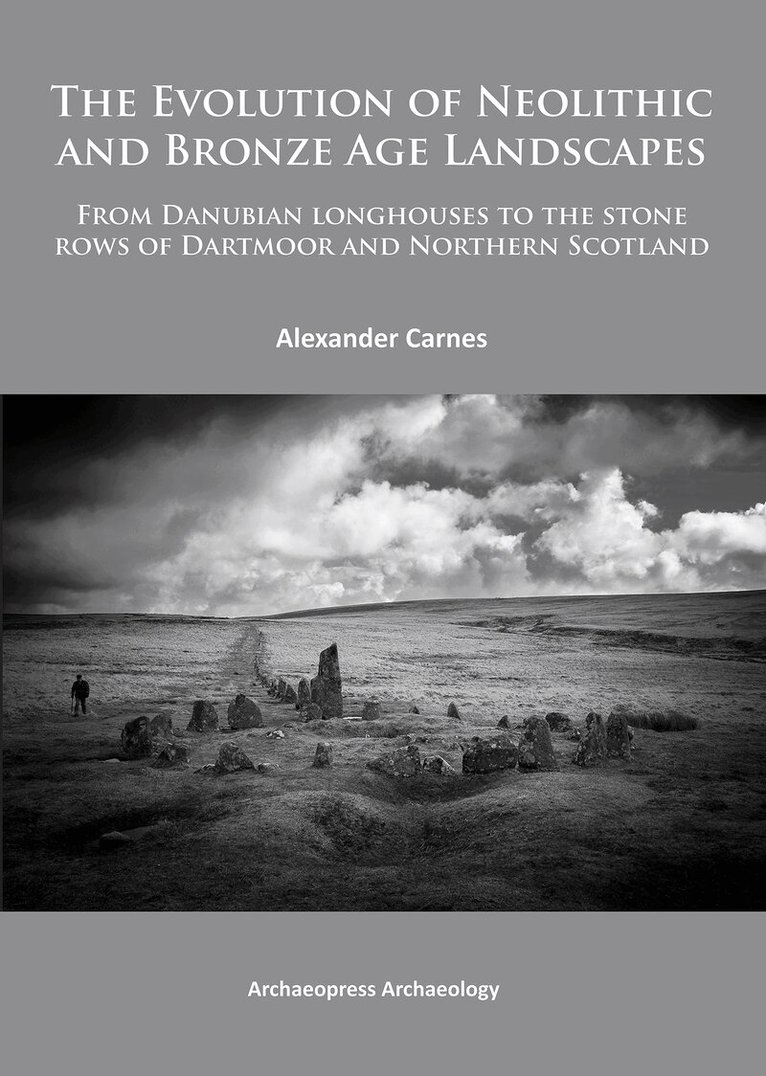
At the heart of this book is a comparative study of the stone rows of Dartmoor and northern Scotland, a rare, putatively Bronze Age megalithic typology that has mystified archaeologists for over a century. It is argued that these are ‘symbols’ of Neolithic long mounds, a circumstance that accounts for the interregional similarities; other aspects of their semantic structures are also analysed using rigorous semiotic theory. The research presented here takes an evolutionary approach, drawing on biological theory to explain the active role of these monuments in social evolution and to investigate the processes at work in the development of prehistoric landscapes. New theory is developed for analysing such archaeological sequences, and for understanding and explaining material culture more generally. The local sequences are contextualised by examining European megalithic origins, tracing the long mound concept back to the LBK longhouses. It is argued that all of these related forms — longhouses, long mounds, and stone rows — are implicated in a process of competitively asserting ancestral affinities, which explains the constraint on cultural variation, and thus the formation of remarkably stable monument traditions, that led to the convergence between Dartmoor and northern Scotland in the Early Bronze Age.
Del 3 - Archaeopress Egyptology
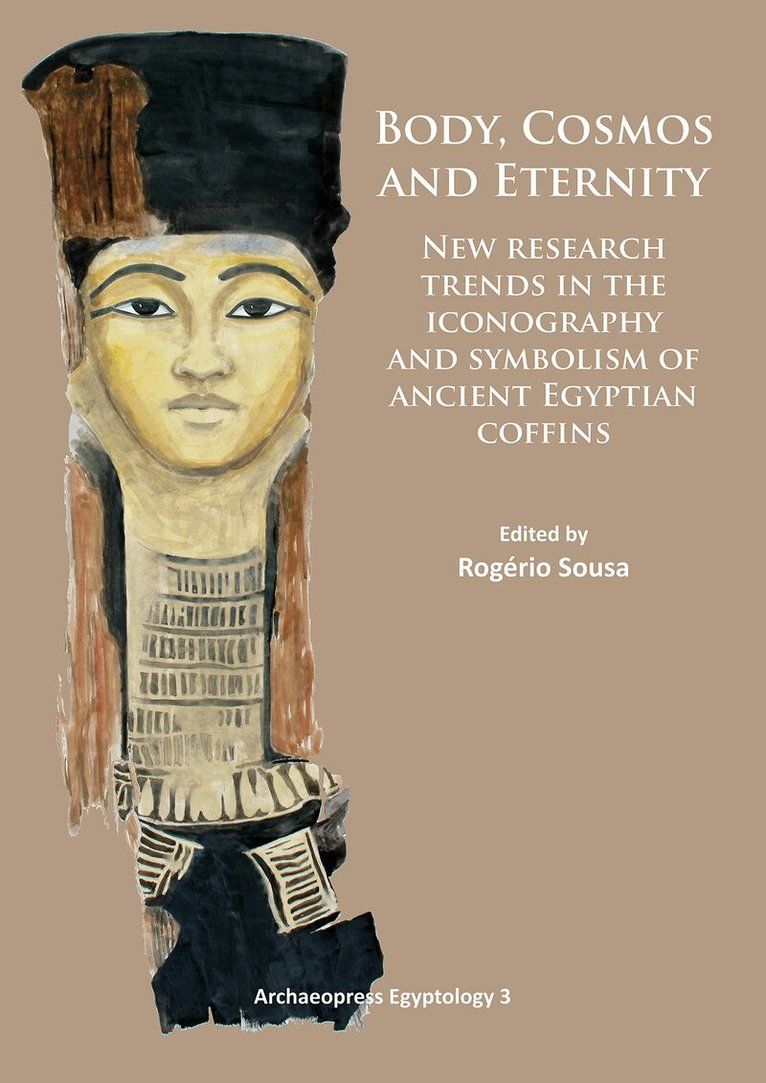
Body, Cosmos and Eternity
New Trends of Research on Iconography and Symbolism of Ancient Egyptian Coffins
Häftad, Engelska, 2014
541 kr
Skickas
This volume, edited by Rogério Sousa, is part of the scholarly ferment which has wheeled around the subject of ‘coffin’ during the last twenty years. Its magic and religious evaluation identifies it from time to time as body container, but at the same time substitute body for the deceased, a maternal womb in which the regeneration will occur, a microcosm, tomb, funerary temple, as well as a conduit to the dead, a powerful tool activated by means of the Opening of the Mouth ritual. -From the Foreword, by Alessia Amenta In February 2013, the Symposium Body, Cosmos and Eternity: the Symbolism of Coffins in Ancient Egypt convened at the historical building of the University of Porto to debate conceptual frameworks underlying the contemporary study of Egyptian coffins. Rising from the close association with the depiction of the mummified body, the anthropoid coffins soon absorbed a rich mythological imaginary related to the constellation of Nut, the mother goddess of the sky supposed to give birth to Osiris, and evolved continuously, integrating larger and more complex sets of beliefs, mirroring the increasingly bolder use of coffins in the funerary rituals. It was this complex set of beliefs involving the coffin that we proposed to explore in this series of symposia. Following our original purpose, the studies presented in this volume display an excellent overview on the new trends of research on coffin studies, with diverse contributions concerned either with symbolism or social significance of coffins, museums´ collections or archaeological finds. These studies superbly showcase the richness of coffins as documental sources for the study of Egyptian religion, economy and society.
Häftad, Engelska, 2014
527 kr
Skickas
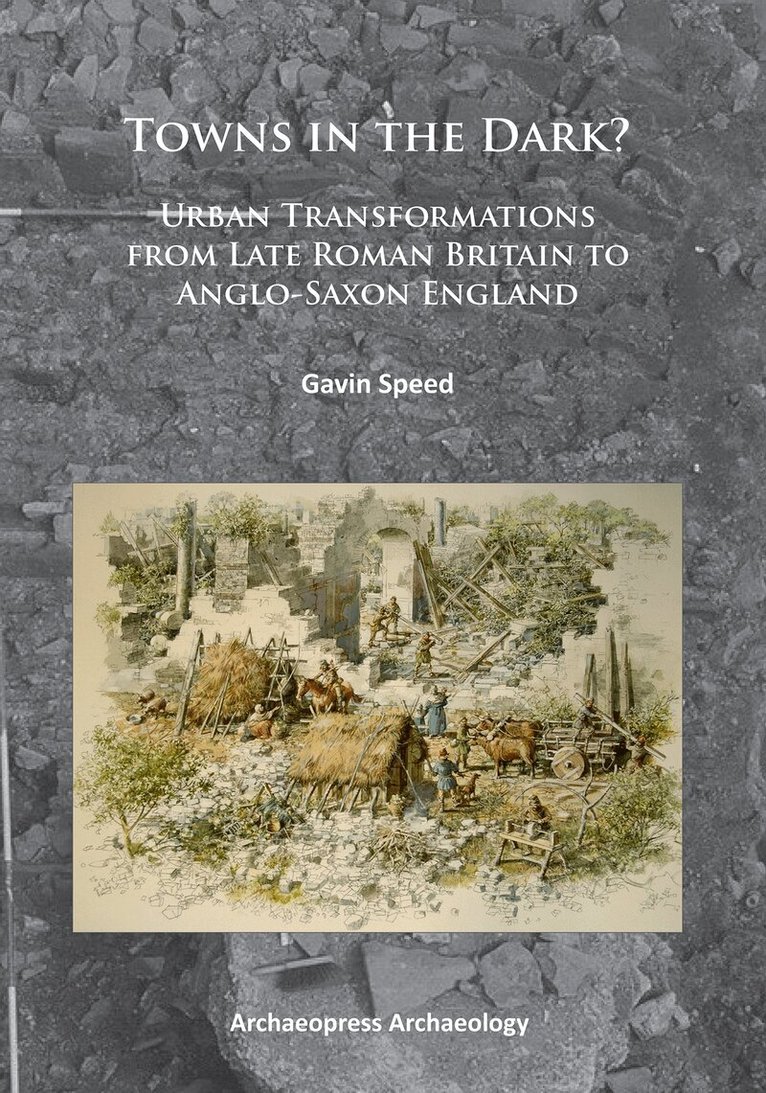
What became of towns following the official end of ‘Roman Britain’ at the beginning of the 5th century AD? Did towns fail? Were these ruinous sites really neglected by early Anglo-Saxon settlers and leaders? Developed new archaeologies are starting to offer alternative pictures to the traditional images of urban decay and loss revealing diverse modes of material expression, of usage of space, and of structural change. The focus of this book is to draw together still scattered data to chart and interpret the changing nature of life in towns from the late Roman period through to the mid-Anglo-Saxon period. The research centres on towns that have received sufficient archaeological intervention so that meaningful patterns can be traced. The case studies are arranged into three regional areas: the South-East, South-West, and Midlands. Individually each town contains varying levels of archaeological data, but analysed together these illustrate more clearly patterns of evolution. Much of the data exists as accessible but largely unpublished reports, or isolated within regional discussions. Detailed analysis, review and comparisons generate significant scope for modelling ‘urban’ change in England from AD 300-600. ‘Towns in the Dark’ dispels the simplistic myth of outright urban decline and failure after Rome, and demonstrates that life in towns often did continue with variable degrees of continuity and discontinuity.
Häftad, Engelska, 2014
967 kr
Skickas
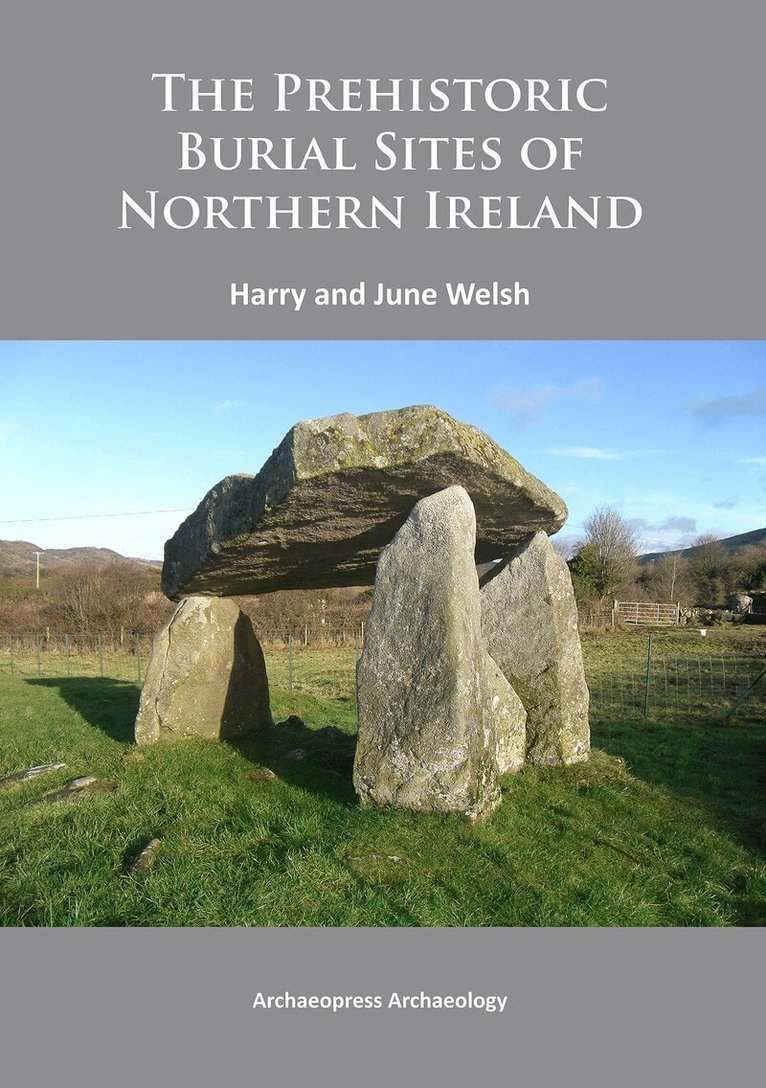
Much has been written about the history of Northern Ireland, but less well-known is its wealth of prehistoric sites, particularly burial sites, from which most of our knowledge of the early inhabitants of this country has been obtained. This work brings together information on all the known sites in Northern Ireland that are in some way associated with burial. It has been compiled from a number of sources and includes many sites that have only recently been discovered. A total of 3332 monuments are recorded in the inventory, ranging from megalithic tombs to simple pit burials. In addition to providing an inventory of all known sites, along with a selection of photographs and plans, the work also includes an introduction to the prehistory of Northern Ireland, an explanation of terms and a full bibliography. The aim is to provide a foundation for more specific research projects, based on a standardised information format of this largely untapped resource. For example, the work highlights several large and previously unrecognised clusters of prehistoric burial monuments, some located at unusual landscape features. Hopefully, further analysis will lead to a greater understanding of why this should be and stimulate a renewed interest in the prehistory of Northern Ireland. Enhanced awareness of this should complement knowledge of the historical period to provide a more balanced picture of human activity here.
Del 1 - Archaeopress Pre-Columbian Archaeology
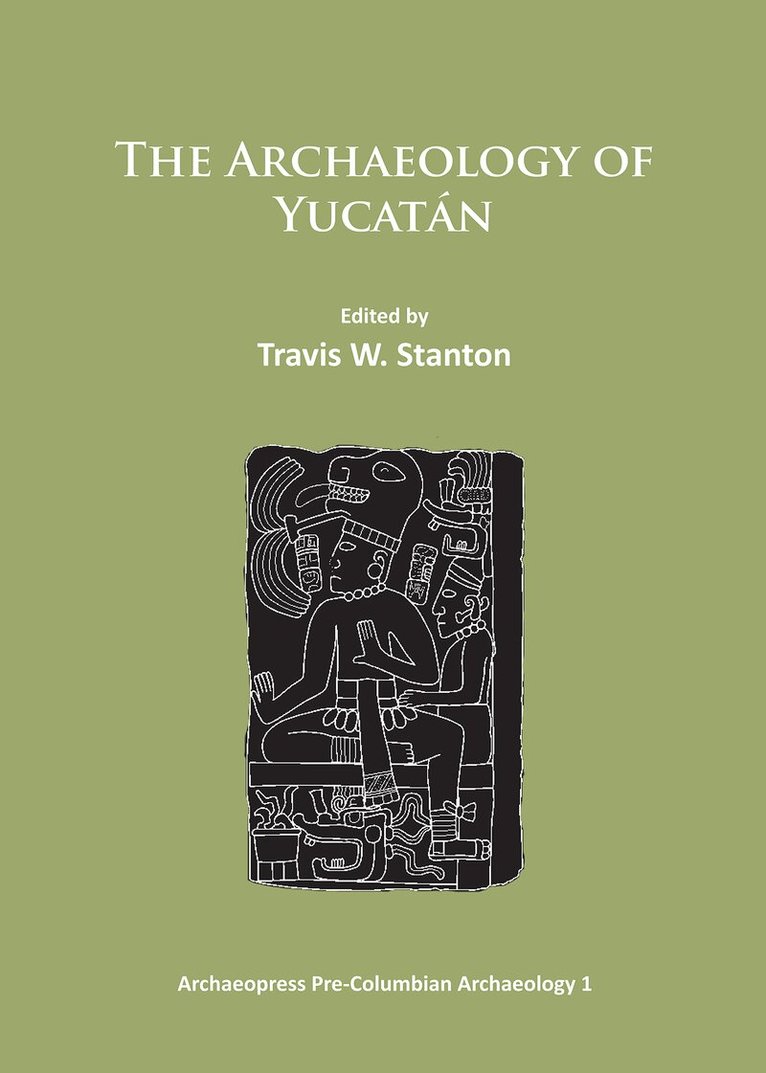
Archaeology of Yucatán: New Directions and Data
Häftad, Engelska, 2014
771 kr
Skickas
This volume was conceived to provide a forum for Mexican and foreign scholars to publish new data and interpretations on the archaeology of the northern Maya lowlands, specifically the State of Yucatán. Increased communication among scholars has become increasingly important for grasping a better understanding of the great amount of data emerging from the State of Yucatán. There has been more salvage work conducted in this state than in any of the others throughout Mexico and the data is overwhelming. Because of this large amount of salvage work, archaeologists in the INAH office in Yucatán have had little time to publish the great majority of the new information. Further, many of the forums that are easily accessible to scholars in the northern lowlands have constrictive space restraints not conducive to publishing data. With these points in mind, this volume seeks to gather papers that did not necessarily have to have a theoretical focus, and that could be data laden so that the raw data from many of these projects would not be confined to difficult to access reports in the Mérida and Mexico City offices. The result is a series of manuscripts on the northern lowlands, most of which focus on the State of Yucatán. Some of the papers are very data heavy, while others have a much more interpretive emphasis. Yet all of them contribute to a more complete picture of the northern lowland Maya.
Del 2 - Archaeopress Pre-Columbian Archaeology
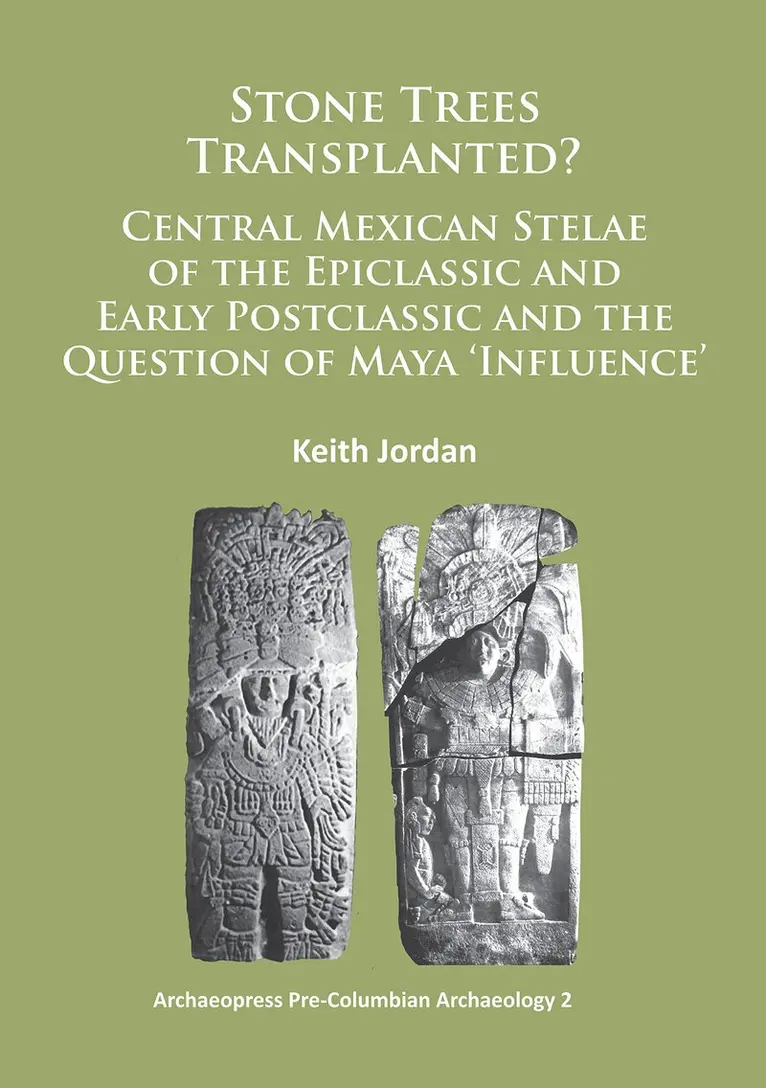
Stone Trees Transplanted? Central Mexican Stelae of the Epiclassic and Early Postclassic and the Question of Maya ‘Influence’
Häftad, Engelska, 2014
542 kr
Skickas
Stelae dating to the Epiclassic (650-900 CE) and Early Postclassic (950-1150 CE) from Tula, Xochicalco, and other sites in Central Mexico have been presented in the archaeological and art historical literature of the last four decades—when they have been addressed at all—as evidence of Classic Maya ‘influence’ on Central Mexican art during these periods. This book re-evaluates these claims via detailed comparative analysis of the Central Mexican stelae and their claimed Maya counterparts. For the first time the Central Mexican stelae are placed in the context of often earlier local artistic traditions as well as other possible long-distance connections. Comparison of Tula and Xochicalco stelae with earlier and contemporary stelae from Oaxaca and Guerrero demonstrates connections equally as plausible as those posited with the Maya region, and supported by archaeological evidence. While it is clear that some Central Mexican stelae, especially Stela 4 from Tula, reflect Maya contacts, this has to be balanced by consideration of local and other long distance developments and connections.
Häftad, Engelska, 2014
464 kr
Skickas
"This volume gathers together the first 10 years of The European Archaeologist (ISSN 1022-0135), from Winter 1993 through to the 10th Anniversary Conference Issue, published in 2004 for the Lyon Annual Meeting. In reality, like the Journal of European Archaeology, The European Archaeologist (TEA) was born before the official foundation of the EAA at Ljubljana in September 1994, and began publication the year before. The first issue announces the Ljubljana Inaugural Meeting, and documents the work of the International Steering Committee which promoted the Association. Readers can then trace the initial development of their brainchild, from the euphoria of a post-1989 Europe where Archaeologists could at last freely communicate to the consolidation of the Association as a key player in the Archaeology of the continent. Perhaps the most striking thing, reading through these early issues of TEA, is how the central concerns of the EAA, for heritage, commercial and academic archaeology have remained central to its content. This volume is published as the Association meets in Istanbul for its 20th Annual Meeting." –from the preface by Mark Pearce
Häftad, Engelska, 2014
741 kr
Skickas
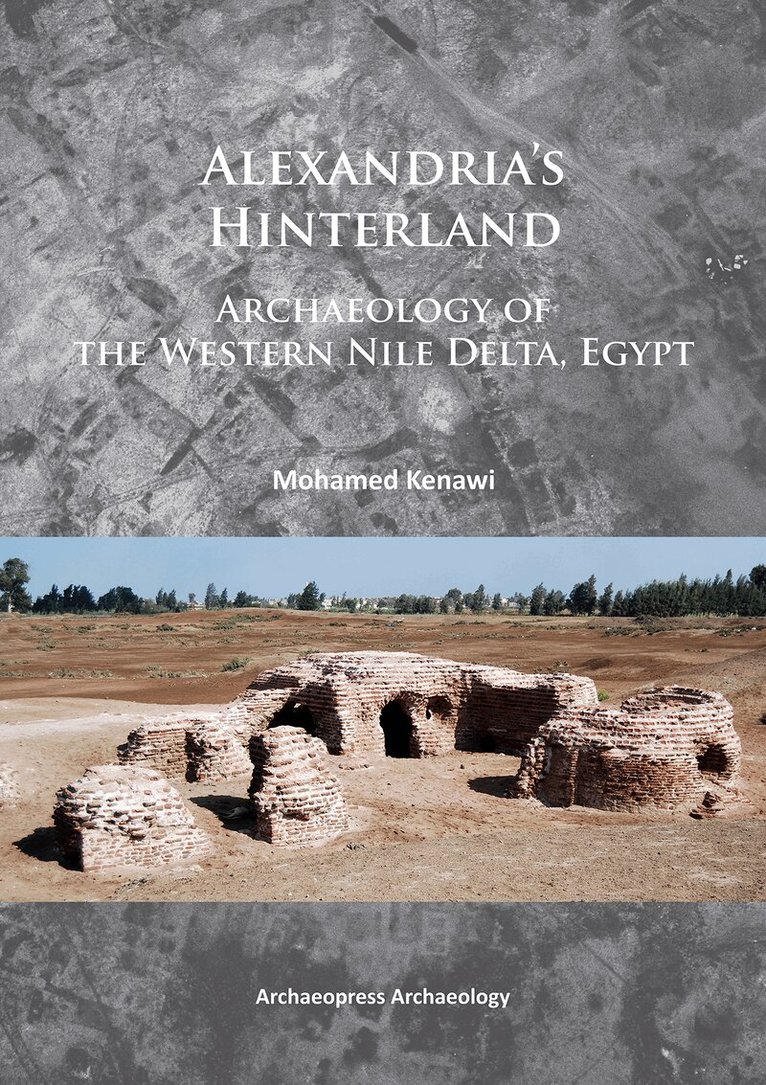
This volume contains detailed information about 63 sites and shows, amongst other things, that the viticulture of the western delta was significant in Ptolemaic and Roman periods, as well as a network of interlocking sites, which connected with the rest of Egypt, Alexandria, North Africa and the Eastern Mediterranean and Aegean. Far from being a border area — as perhaps it had been in the Pharaonic period — the west Delta network exerted an important economic production influence over a very wide area. In addition, with access to medieval and later Arabic sources, Kenawi’s discussion of the sites has an added dimension not found in the work of western scholars. Mohamed Kenawi’s meticulous and determined work has resulted in an improved set of data for the Delta and shown how its potential can be tapped.
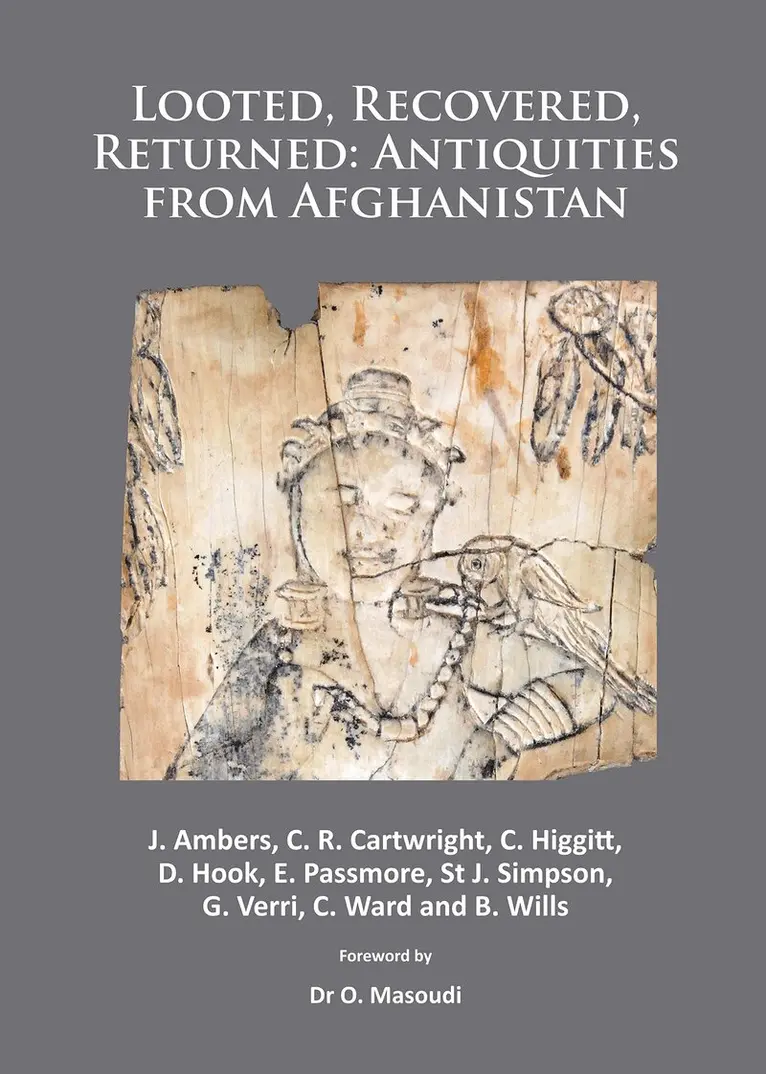
The “Begram ivories” are widely considered to be miniature masterpieces of Indian art and are one of the largest archaeological collections of ancient ivories. They were excavated at the site of Begram, in northern Afghanistan, in 1937 and 1939 and belong to a period when Afghanistan, Pakistan and northern India were united under rulers of the Kushan dynasty. Divided soon afterwards between the National Museum of Afghanistan in Kabul and the Musée national des arts asiatiques–Guimet in Paris, the collection in Kabul suffered a disaster during the civil war which ravaged the country during the early 1990s. Some of the pieces were successfully concealed by museum staff but most were stolen, hundreds have since been reported in different collections and very few have yet been recovered. In 2011 a group of twenty bone and ivory plaques was generously acquired for the National Museum of Afghanistan by a private individual. These were scientifically analysed, conserved and exhibited at the British Museum and returned to Kabul in 2012. This book describes their story from excavation to display and return, with individual object biographies and detailed scientific analyses and conservation treatments. It also discusses how these objects have attracted very different interpretations over the decades since their discovery, and how the new analyses shed a completely fresh light on the collection. It is lavishly illustrated in full colour, and includes many previously unpublished views of the objects when they were originally exhibited in Kabul. This book is essential reading for anyone interested in the archaeology of Afghanistan, Indian art, polychromy, museum studies, object biographies or the history of conservation.
Häftad, Engelska, 2014
664 kr
Skickas
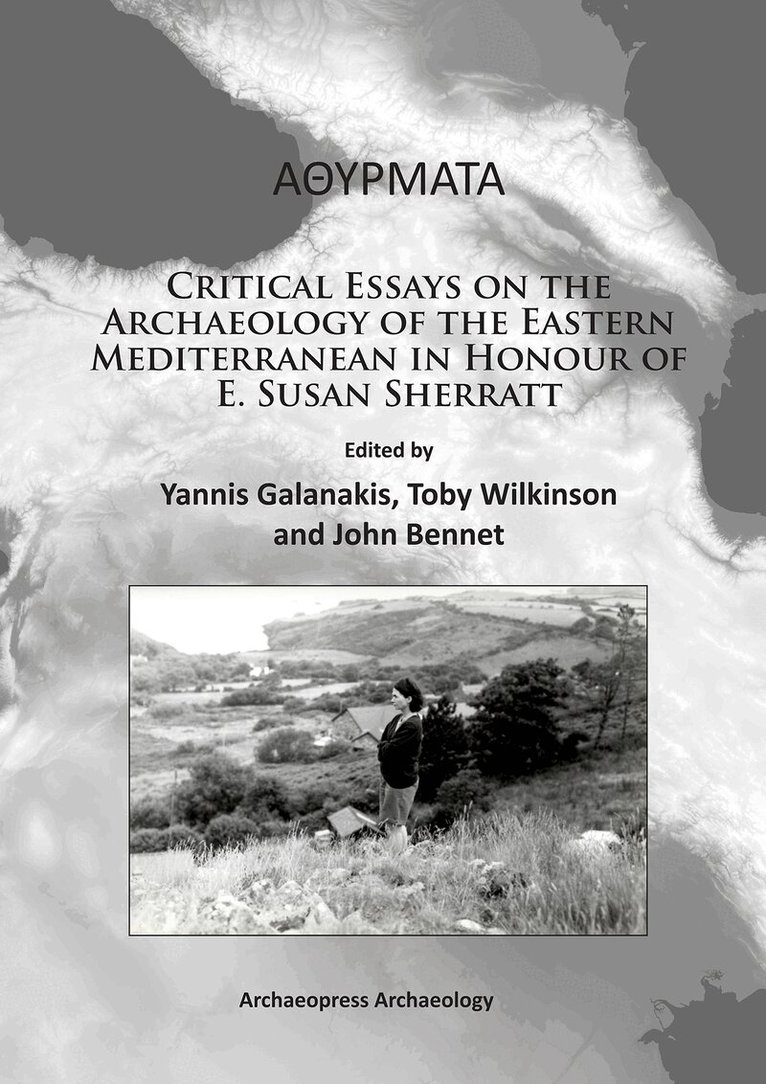
Over her career Susan Sherratt has questioned our basic assumptions in many areas of the later prehistory of the Mediterranean and Europe, deploying a canny eye for detail, but never losing sight of the big picture. Her collected works include contributions on the relationship between Homeric epic and archaeology; the economy of ceramics, metals and other materials; the status of the ‘Sea Peoples’ and other ethnic terminologies; routes and different forms of interaction; and the history of museums/collecting (especially relating to Sir Arthur Evans). The editors of ΑΘΥΡΜΑΤΑ (Athyrmata) have brought together a cast of thirty-two scholars from nine different countries who have contributed these twenty-six papers to mark Sue’s 65th birthday – a collection that seeks to reflect both her broad range of interests and her ever-questioning approach to uncovering the realities of life in Europe and the Mediterranean in later prehistory.
Häftad, Engelska, 2014
378 kr
Skickas
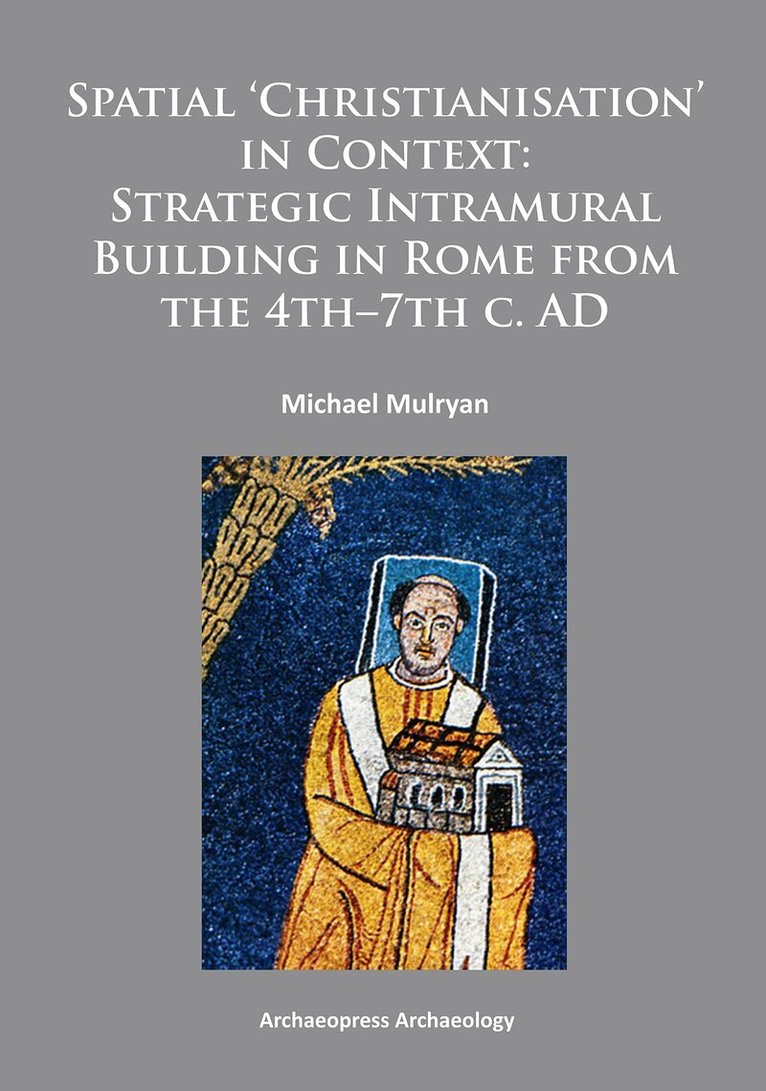
This book is the first to closely examine the location of the earliest purpose-built Christian buildings inside the city of Rome in their contemporary context. It argues that some of these were deliberately sited by their builders so as to utilise prominent positions within the urban landscape or to pragmatically reuse pre-existing bath facilities for Christian liturgical practice. Several examples are discussed with the latest archaeological discoveries explored. Two particular case studies are also examined within the Subura area of the city, and their urban location is examined in relation to the commercial, religious, social and public spaces around them, known through a 3rd century A.D. survey of the city. Certain other Christian basilicas in the city encroached or blocked roads, were situated by main arterial highways, were located on hills and eventually reused prestigious public buildings. Other examples were located by potent ‘pagan’ sites or important places of public congregation, with two structures suggesting the political astuteness of a 4th century pope. This book shows that the spatial Christianisation of Rome was not a random and haphazard process, but was at times a planned project that strategically built new Christian centres in places that would visually or practically enhance what were generally small and modest structures.
Häftad, Engelska, 2014
388 kr
Skickas
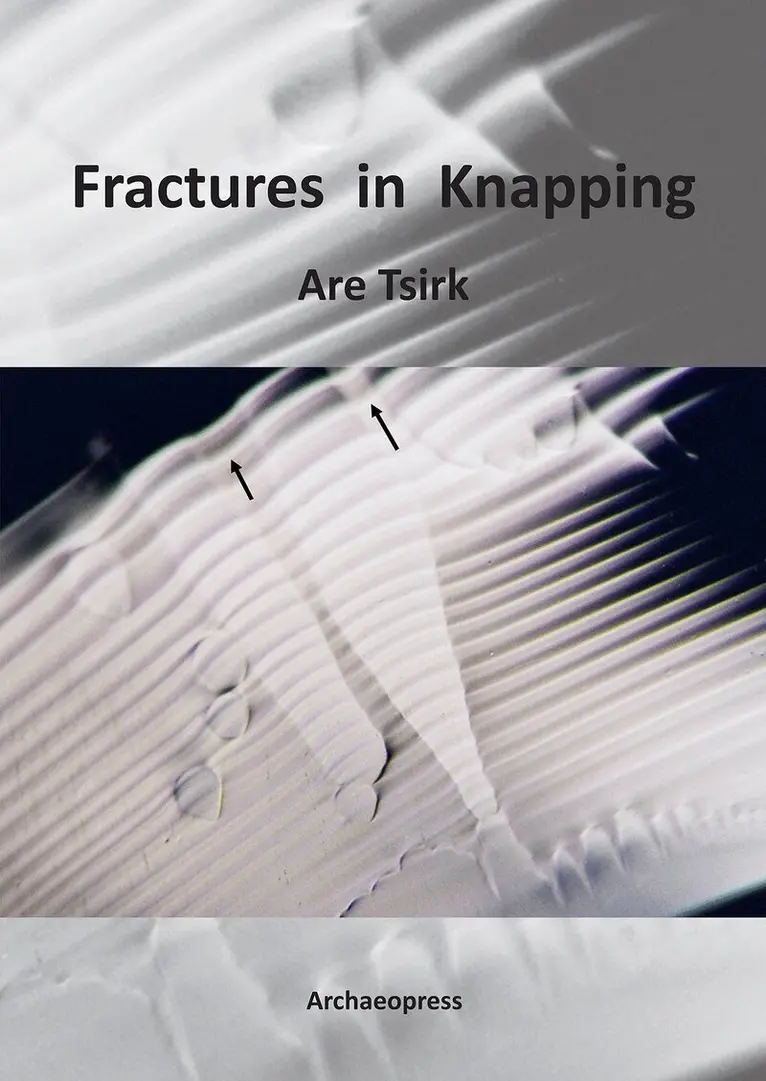
This book is for students and practitioners of not only knapping, lithic technology and archaeology, but also of fractography and fracture mechanics. At conferences on fractography of glasses and ceramics, the author has often been asked to demonstrate knapping as well as provide overviews of fractography learned from it. The first part of the book is intended to stimulate such interests further, in order to solicit contributions from a largely untapped pool of experts. Such contributions can advance significantly our understandings of knapping as well as fractography. In Part II of the book, fracture markings as the tools of fractography are introduced, with their formation, meaning and utility explained. Observations on the presence or absence of the markings in knapping are considered in Part III, along with a number of interpretations of fracture features. The basic principles and concepts of fracture mechanics and fractography apply to fractures produced in any cultural context. This volume therefore addresses most questions on fracture in a generic sense, independent of cultural contexts. In general, understanding of fractures provides a sounder basis for lithic analysis, and use of more recent scientific tools opens new avenues for lithic studies.
Häftad, Engelska, 2014
725 kr
Skickas
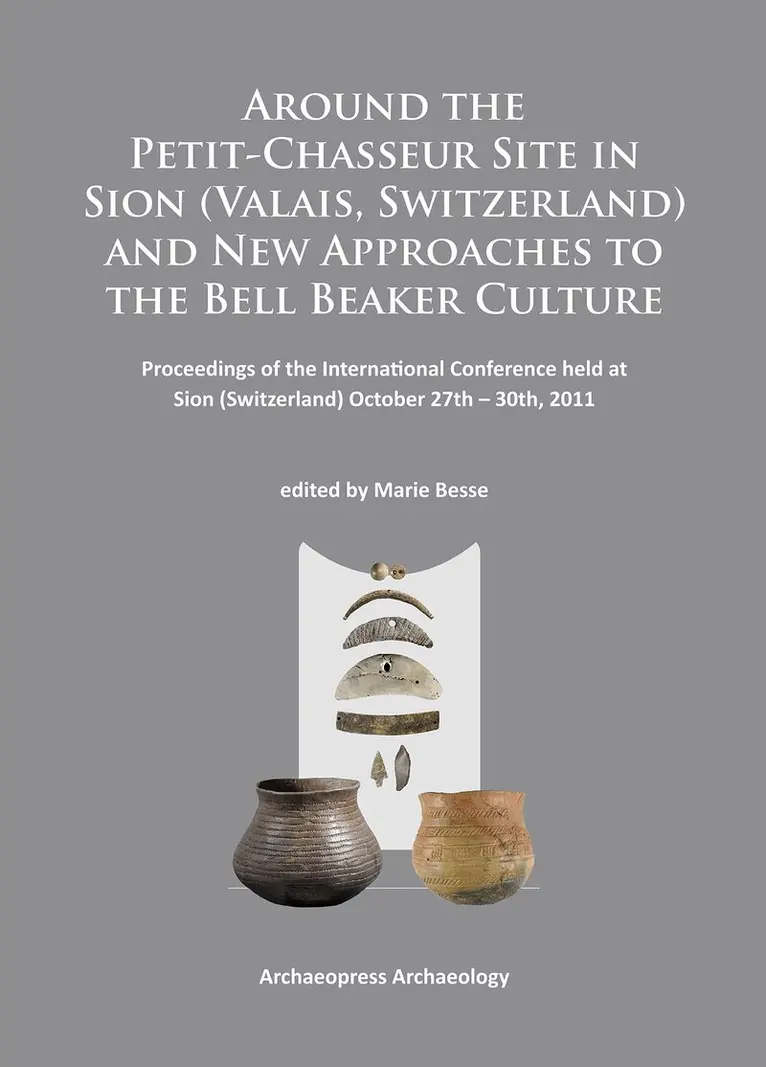
To commemorate the 50th anniversary of the discovery of the megalithic necropolis of Petit- Chasseur in Sion (Valais, Switzerland), an international conference was organised from the 27th to the 29th of October 2011 in Sion. This book constitutes the conference proceedings. The necropolis of Petit-Chasseur still remains a key reference for the understanding of the Final Neolithic period, not only in the Alpine countries, but also throughout Europe. The scientific meeting therefore focused on the end of the Neolithic period in Valais and in the adjacent regions, on the Bell Beaker phenomenon in general, on the funerary rites of this period, and on the anthropology of megalithic societies. The conference was attended by nearly two hundred people, students, junior and senior scholars from many countries including Austria, Belgium, Spain, France, Germany, Hungary, Italy, Morocco, the Netherlands, Poland, the Czech Republic and Switzerland. The present publication includes twenty-five papers referring to the periods represented at the Petit-Chasseur necropolis, namely the end of the Neolithic, the Bell Beaker period and the beginning of the Early Bronze Age. In addition to a preface, a first group of papers – eight in total – deal directly with the Petit Chasseur Site in Sion and the end of the Neolithic in the Alps. A second group of articles constitute the section titled “The Final Neolithic and the Bell Beaker Culture in Europe and beyond”. This section is composed of fifteen articles presenting the results of archaeological, anthropological, botanical, and zooarchaeological analyses of Europe and Northern Africa. The conclusion drawn from the analysis is invariably the same. It is only possible to back our explicative constructions if we establish a serious dialogue with the field of cultural anthropology and if we construct a real science of the human facts, which is far from being achieved currently. The third part of this publication, which consists of two papers and is titled “Societies and Megaliths”, offers a discussion on megalith building societies that reflects on and develops this conclusion. All papers in English; abstracts for each paper in English and French.
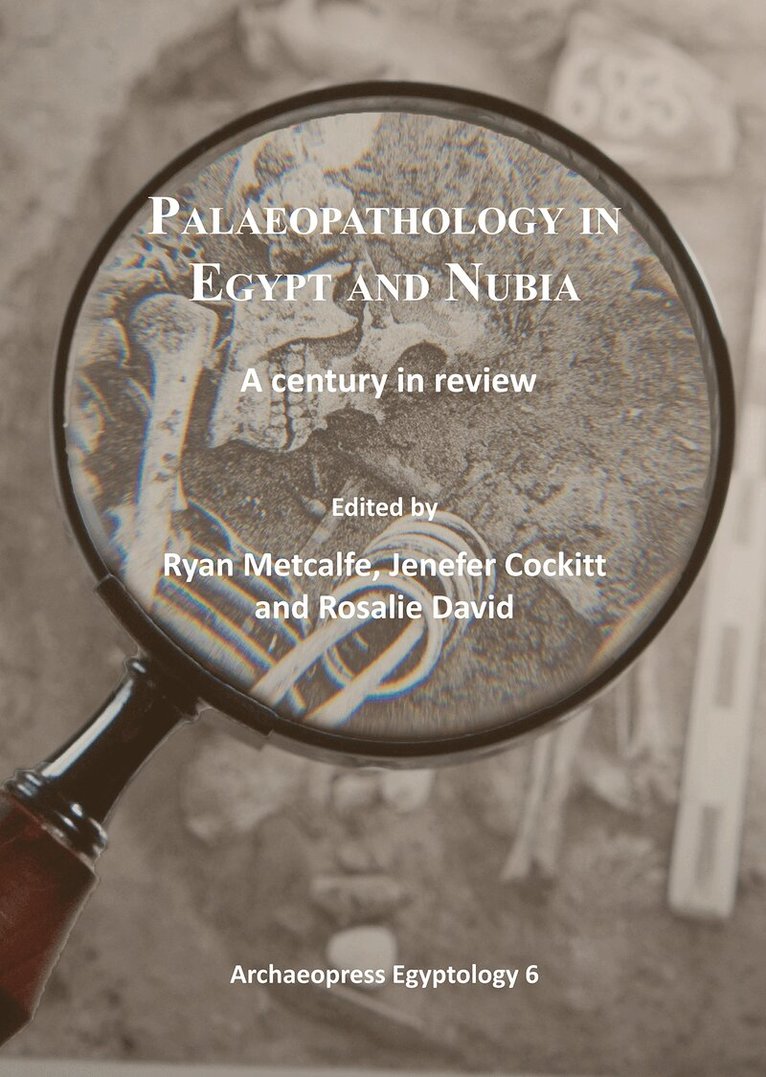
Del 6 - Archaeopress Egyptology
Palaeopathology in Egypt and Nubia
A century in review
Häftad, Engelska, 2014
389 kr
Skickas
The study of human remains from ancient Egypt and Nubia has captured the imagination of many people for generations, giving rise to the discipline of palaeopathology and fostering bioarchaeological research. This book contains 16 papers that cover material presented at a workshop entitled ‘Palaeopathology in Egypt and Nubia: A Century in Review,’ held at the Natural History Museum, London (August 29–30, 2012), which formed part of a three-year research project, ‘Sir Grafton Elliot Smith: Palaeopathology and the Archaeological Survey of Nubia.’ The papers explore the subject of palaeopathology from its beginnings in the early 1900s through to current research themes and the impact of technological development in the field. Revealing the diverse range of methods used to study human remains in these regions, the book gives readers an insight into the fascinating work carried out over the last century, and suggests some possible future directions for the field.