Rogério Sousa - Böcker
Visar alla böcker från författaren Rogério Sousa. Handla med fri frakt och snabb leverans.
7 produkter
7 produkter
653 kr
Skickas inom 5-8 vardagar
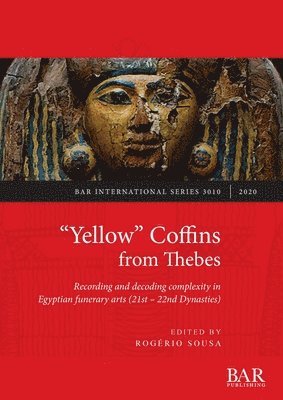
"Yellow" Coffins from Thebes
Recording and decoding complexity in Egyptian funerary arts (21st - 22nd Dynasties)
Häftad, Engelska, 2020
1 116 kr
Skickas inom 5-8 vardagar
Del 3 - Archaeopress Egyptology
Body, Cosmos and Eternity
New Trends of Research on Iconography and Symbolism of Ancient Egyptian Coffins
Häftad, Engelska, 2014
531 kr
Skickas
This volume, edited by Rogério Sousa, is part of the scholarly ferment which has wheeled around the subject of ‘coffin’ during the last twenty years. Its magic and religious evaluation identifies it from time to time as body container, but at the same time substitute body for the deceased, a maternal womb in which the regeneration will occur, a microcosm, tomb, funerary temple, as well as a conduit to the dead, a powerful tool activated by means of the Opening of the Mouth ritual. -From the Foreword, by Alessia Amenta In February 2013, the Symposium Body, Cosmos and Eternity: the Symbolism of Coffins in Ancient Egypt convened at the historical building of the University of Porto to debate conceptual frameworks underlying the contemporary study of Egyptian coffins. Rising from the close association with the depiction of the mummified body, the anthropoid coffins soon absorbed a rich mythological imaginary related to the constellation of Nut, the mother goddess of the sky supposed to give birth to Osiris, and evolved continuously, integrating larger and more complex sets of beliefs, mirroring the increasingly bolder use of coffins in the funerary rituals. It was this complex set of beliefs involving the coffin that we proposed to explore in this series of symposia. Following our original purpose, the studies presented in this volume display an excellent overview on the new trends of research on coffin studies, with diverse contributions concerned either with symbolism or social significance of coffins, museums´ collections or archaeological finds. These studies superbly showcase the richness of coffins as documental sources for the study of Egyptian religion, economy and society.
821 kr
Skickas
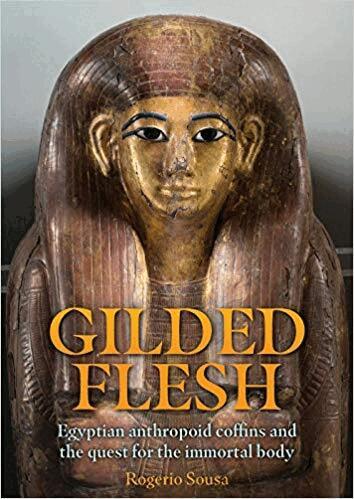
Egyptian coffins stand out in museums’ collections for their lively and radiant appearance. As an involucre of the mummy, coffins played a key-role by protecting the body and at the same time, integrating the deceased in the afterlife. The paramount importance of these objects and their purpose is detected in the ways they changed through time. For more than three thousand years, coffins and tombs had been designed to assure in the most efficient way possible a successful outcome for the difficult transition to the afterlife. This book examines twelve non-royal tombs found relatively intact, from the plains of Saqqara to the sacred hills of Thebes. These almost undisturbed burial sites managed to escape ancient looters and became adventurous events of the Egyptian archaeology. These discoveries are described from the Mariette’s exploration of the Mastaba of Ti in Saqqara to Schiaparelli’s discovery of the Tomb of Kha and Merit in Deir el-Medina. Each one of these sites unveil before our eyes a time capsule, where coffins and tombs were designed together as part of a social, political, and religious order. From the Pre-dynastic times to the decline of the New Kingdom, this book explores each site revealing the interconnection between mummification practices, coffin decoration, burial equipment, tomb decoration and ritual landscapes. Through this analysis, the author aims to point out how the design of coffins changed through time in order to empower the deceased with different visions of immortality. By doing so, the study of coffins reveal a silent revolution which managed to open to the common men and women horizons of divinity previously reserved to the royal sphere. Coffins thus show us how identity was forged to create an immortal and divine self.
Del 97 - Gate of the Priests
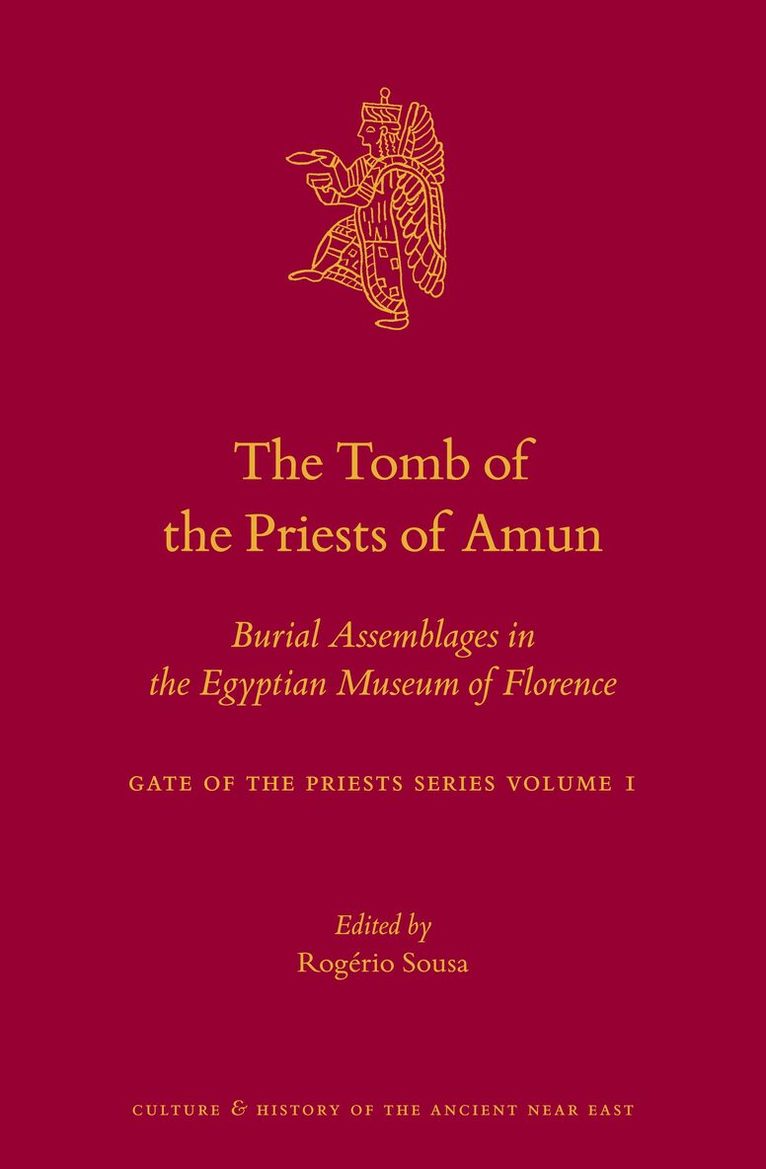
Tomb of the Priests of Amun
Burial Assemblages in the Egyptian Museum of Florence Gate of the Priests Series Volume 1
Inbunden, Engelska, 2018
3 638 kr
Skickas inom 5-8 vardagar
The Tomb of the Priests of Amun, also known as Bab el-Gasus, was uncovered in 1891 at Deir el-Bahari (Thebes). The site proved to be the largest undisturbed tomb ever found in Egypt, as there were found the intact burials of 153 individuals that lived under the 21st Dynasty (ca. 1069-945 BC). This outstanding find was subsequently divided in lots of antiquities and dispersed by 17 nations.This volume presents the first comprehensive publication of the Italian Lot, kept in the Egyptian Museum of Florence. Besides the formal description of the objects, a critical assessment of the collection is provided regarding the reconstruction of the burial assemblages, the reuse of the burial equipment and the art historical examination of coffin decoration.“Although aimed primarily at specialists, this is a splendid volume and will be easy to use by anyone having an interest in these objects.”-Lester L. Grabbe, Journal for the Study of the Old Testament 44.5 (2020)
Del 130 - Gate of the Priests
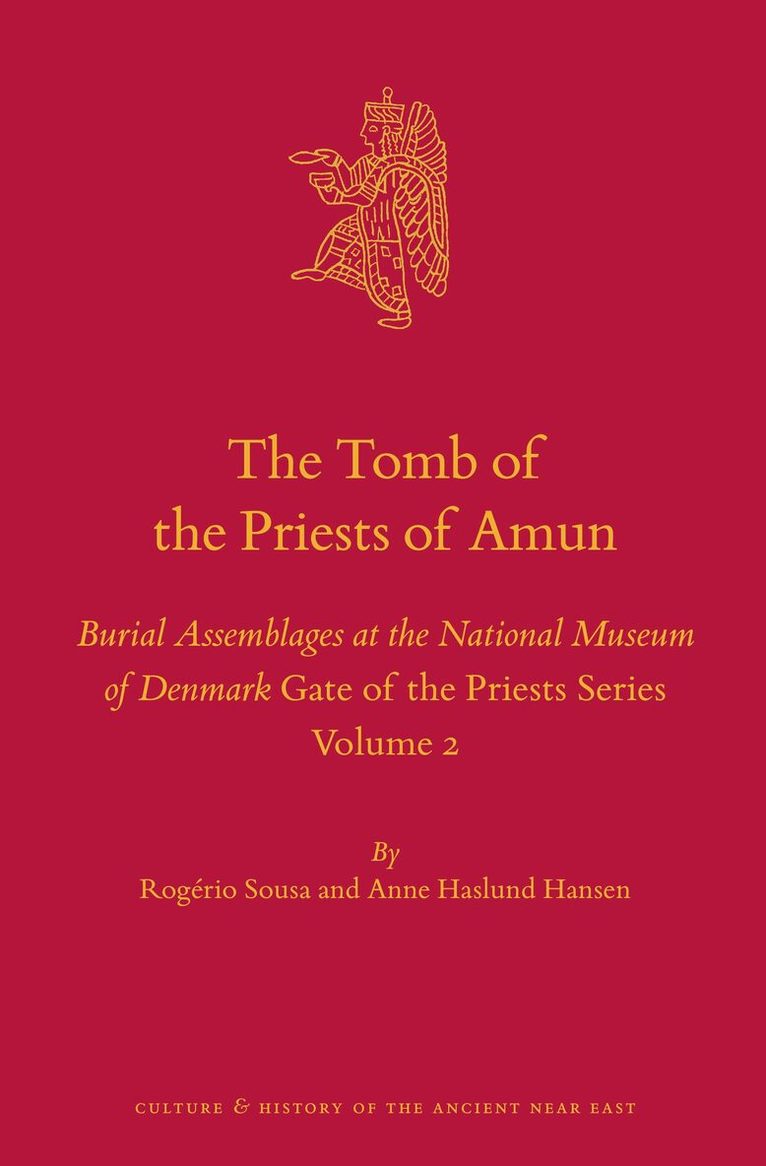
Tomb of the Priests of Amun
Burial Assemblages at the National Museum of Denmark Gate of the Priests Series Volume 2
Inbunden, Engelska, 2022
2 976 kr
Skickas inom 5-8 vardagar
Previously unpublished, the Danish Lot of antiquities from the Tomb of the Priests of Amun (Bab el-Gasus) is thoroughly examined in this book. The in-depth analysis of the objects is followed by an assessment of how these objects were crafted, designed, used and recycled in the Theban necropolis, a procedure that not only reveals to be instrumental in the dating of the objects, as it sheds light into the extraordinary dynamics of funerary workshops during the 21st Dynasty. The volume also examines the arrival of the Lot and its reception in Denmark.
550 kr
Skickas
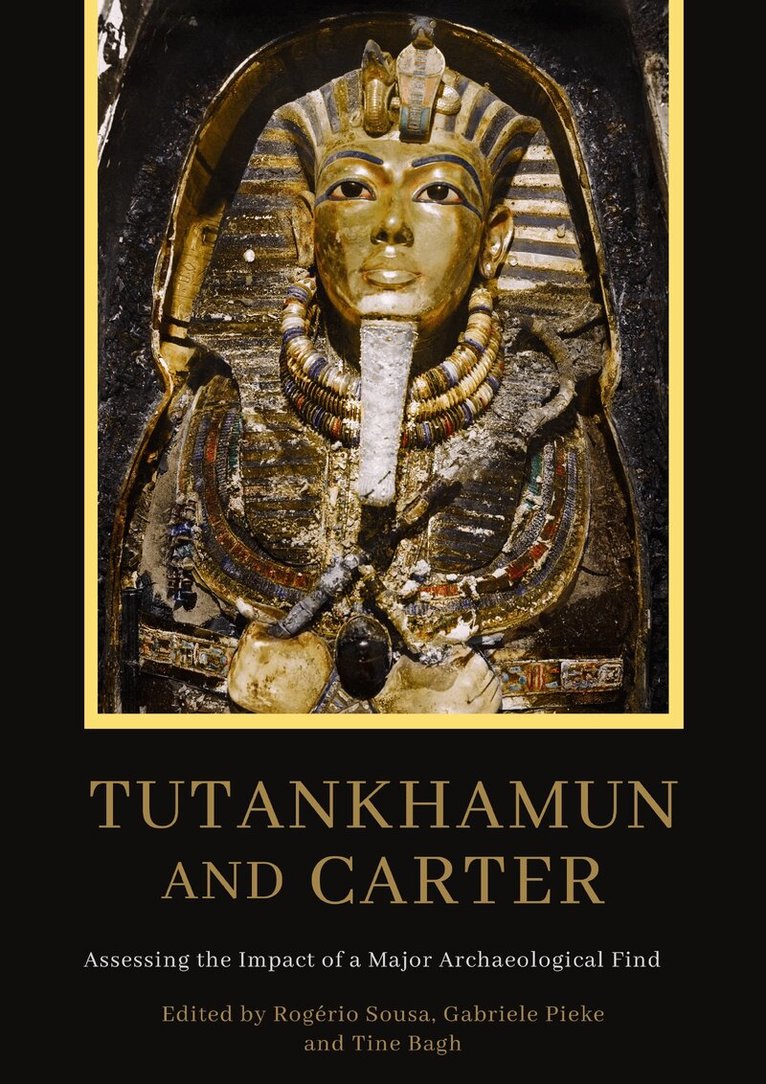
The discovery of the tomb of Tutankhamun in 1922 stands out as one of the most important finds of modern archaeology, revealing an enormous wealth of objects encapsulating techniques, vestiges of uses and re-uses of materials, as well as unrivalled clues regarding the complex set of beliefs associated with the pharaonic funerary material culture. Once cleared from the tomb, these objects have captivated the world with their irresistible charm and beauty ending up playing a role in contemporary popular culture. However, it seems that such magnetism rather hindered than facilitated the scholarly study of the find. One hundred years after the discovery of this magnificent tomb, most of its objects remain insufficiently studied to this day. This volume aims to show how it remains challenging to study Tutankhamun’s objects, gathering a collection of studies authored by leading scholars on conservation, materials, funerary beliefs as well as the reception of motifs and the impact of the discovery. Through these studies it becomes clear how ancient objects can help us reconstruct the complex fabric of the ancient Egyptian society and how they keep interacting with modern audiences.