Amy Bentley - Böcker
Visar alla böcker från författaren Amy Bentley. Handla med fri frakt och snabb leverans.
12 produkter
12 produkter
Del 51 - California Studies in Food and Culture
Inventing Baby Food
Taste, Health, and the Industrialization of the American Diet
Inbunden, Engelska, 2014
635 kr
Skickas
Food consumption is a significant and complex social activity - and what a society chooses to feed its children reveals much about its tastes and ideas regarding health. In this groundbreaking historical work, Amy Bentley explores how the invention of commercial baby food shaped American notions of infancy and influenced the evolution of parental and pediatric care. Until the late nineteenth century, infants were almost exclusively fed breast milk. But over the course of a few short decades, Americans began feeding their babies formula and solid foods, frequently as early as a few weeks after birth. By the 1950s, commercial baby food had become emblematic of all things modern in postwar America. Little jars of baby food were thought to resolve a multitude of problems in the domestic sphere: they reduced parental anxieties about nutrition and health; they made caretakers feel empowered; and they offered women entering the workforce an irresistible convenience. But these baby food products laden with sugar, salt, and starch also became a gateway to the industrialized diet that blossomed during this period.Today, baby food continues to be shaped by medical, commercial, and parenting trends. Baby food producers now contend with health and nutrition problems as well as the rise of alternative food movements. All of this matters because, as the author suggests, it's during infancy that American palates become acclimated to tastes and textures, including those of highly processed, minimally nutritious, and calorie-dense industrial food products.
Del 51 - California Studies in Food and Culture
Inventing Baby Food
Taste, Health, and the Industrialization of the American Diet
Häftad, Engelska, 2014
250 kr
Skickas inom 7-10 vardagar
Food consumption is a significant and complex social activity - and what a society chooses to feed its children reveals much about its tastes and ideas regarding health. In this groundbreaking historical work, Amy Bentley explores how the invention of commercial baby food shaped American notions of infancy and influenced the evolution of parental and pediatric care. Until the late nineteenth century, infants were almost exclusively fed breast milk. But over the course of a few short decades, Americans began feeding their babies formula and solid foods, frequently as early as a few weeks after birth. By the 1950s, commercial baby food had become emblematic of all things modern in postwar America. Little jars of baby food were thought to resolve a multitude of problems in the domestic sphere: they reduced parental anxieties about nutrition and health; they made caretakers feel empowered; and they offered women entering the workforce an irresistible convenience. But these baby food products laden with sugar, salt, and starch also became a gateway to the industrialized diet that blossomed during this period.Today, baby food continues to be shaped by medical, commercial, and parenting trends. Baby food producers now contend with health and nutrition problems as well as the rise of alternative food movements. All of this matters because, as the author suggests, it's during infancy that American palates become acclimated to tastes and textures, including those of highly processed, minimally nutritious, and calorie-dense industrial food products.
1 520 kr
Skickas inom 10-15 vardagar
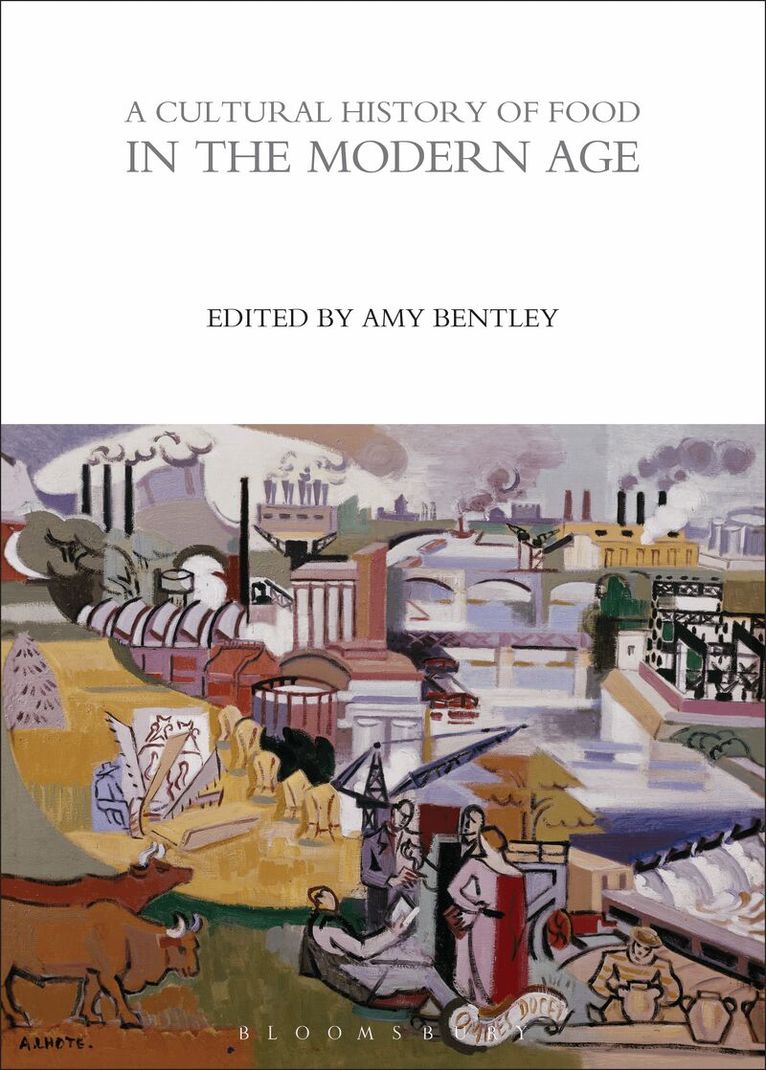
In the modern age (1920–2000), vast technological innovation spurred greater concentration, standardization, and globalization of the food supply. As advances in agricultural production in the post-World War II era propelled population growth, a significant portion of the population gained access to cheap, industrially produced food while significant numbers remained mired in hunger and malnutrition. Further, as globalization allowed unprecedented access to foods from all parts of the globe, it also hastened environmental degradation, contributed to poor health, and remained a keyelement in global politics, economics and culture.A Cultural History of Food in the Modern Age presents an overview of the period with essays on food production, food systems, food security, safety and crises, food and politics, eating out, professional cooking, kitchens and service work, family and domesticity, body and soul, representations of food, and developments in food production and consumption globally.
291 kr
Skickas inom 7-10 vardagar
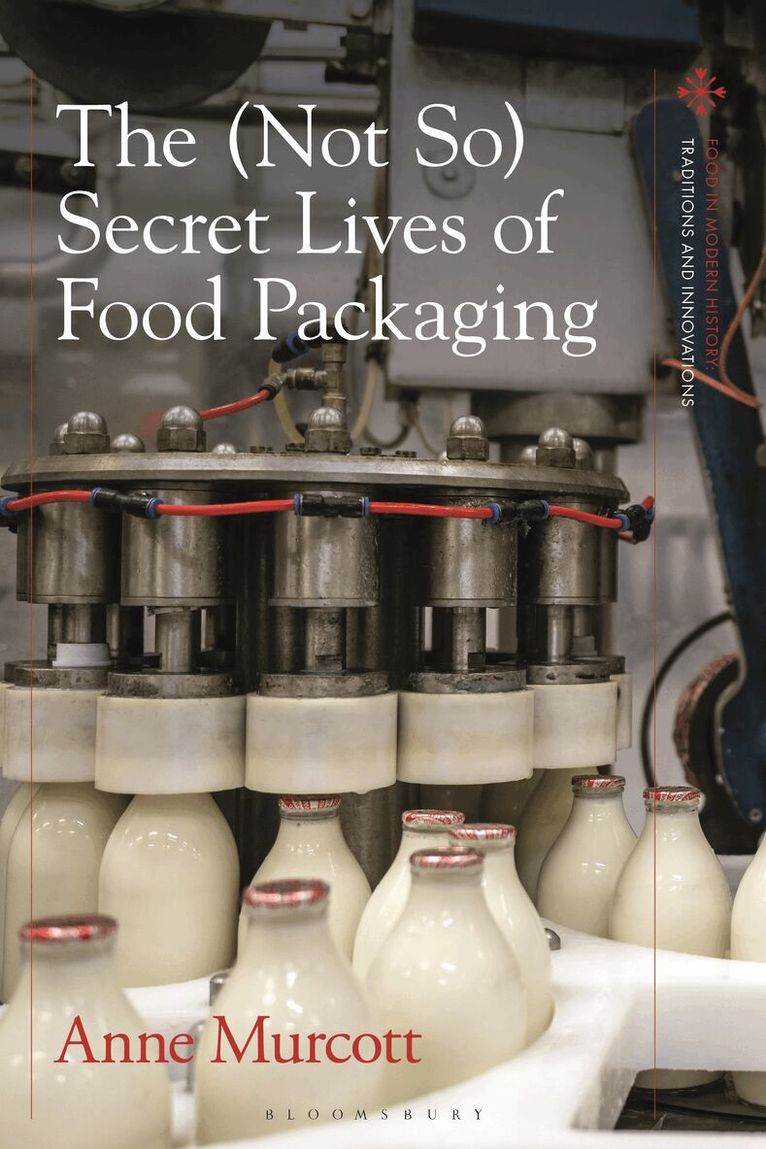
Tracing developments from the classical period to the early industrial revolution and beyond, Anne Murcott provides us with an accessible and entertaining social history of food packaging.From tin cans, glass jars and bottles, plastic trays and stretch-wrap, Murcott shows the importance of food packaging for global food systems. As a pioneering excursion into the many aspects of the history of food packaging, the book examines shifts from domestic to commercial production, the emergence of associated technologies, changes in retailing, implications for policy and practice, along with current concerns about overpackaging.Taking a wide historical and geographical angle, Murcott draws on sources such as trade magazines, manufacturers’ archives, company histories, packaging textbooks, histories of international trade and interviews with key industry ‘insiders’.Written by a leading figure in the field, this book will benefit students of social studies of food production and consumption, of cultural studies, as well as researchers and those interested in the history of food.
History of Bread
Consumers, Bakers and Public Authorities since the 18th Century
Häftad, Engelska, 2024
346 kr
Skickas inom 7-10 vardagar
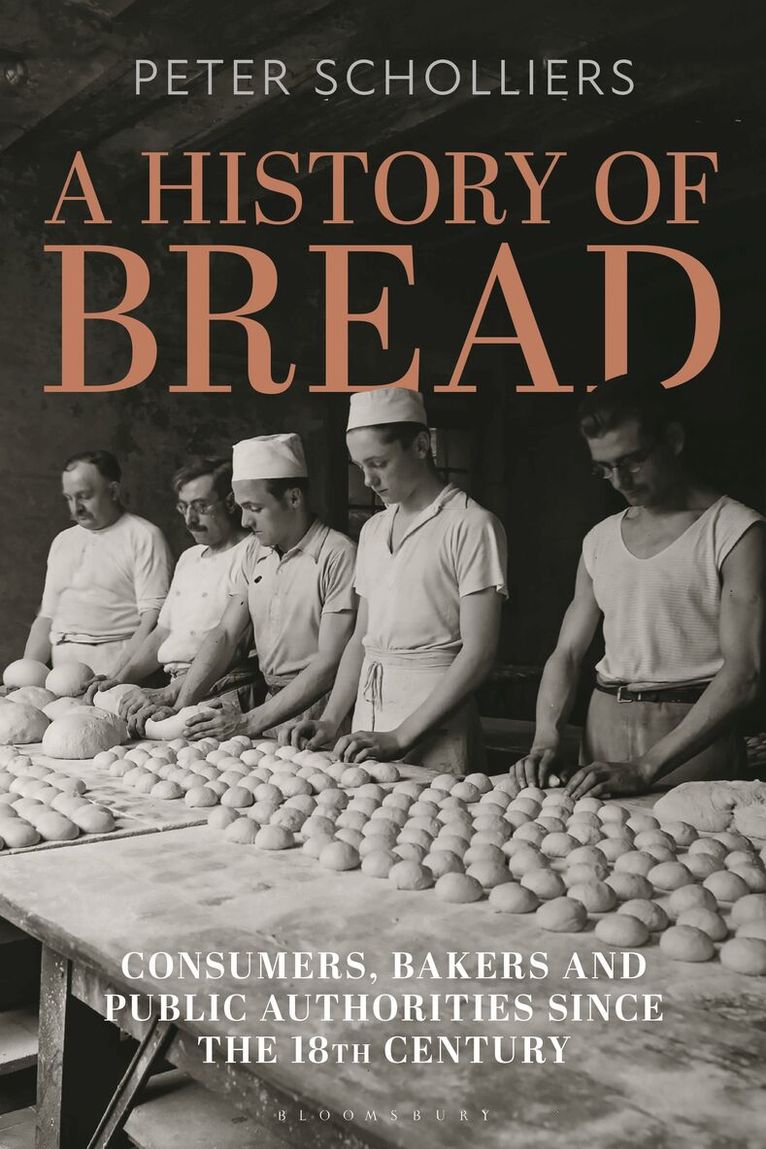
For a long time, everything revolved around bread. Providing more than half of people’s daily calories, bread was the life-source of Europe for centuries. In the middle of 19th century, a third of household expenditure was spent on bread. Why, then, does it only account for 0.8% of expenditure and just 12% of daily calories today?In this book, Peter Scholliers delves into the history of bread to map out its defining moments and people. From the price revolution of the 1890s that led to affordable and pure white bread, to the taste revolution of the 1990s that ushered in healthy brown bread, he studies consumers, bakers and governments to explain how and why this food that once powered an entire continent has fallen by the wayside, and what this means for the modern age.From prices and consumption to legislation and technology, Scholliers shows how the history of bread has been shaped by subtle cultural shifts as well as top-down decisions from ruling bodies. From the small home baker to booming factories, he follows changes in agriculture, transport, production and policy since the 19th century to explain why bread, once the centre of everything, is not so today.
Milk in Spain and the History of Diet Change
The Political Economy of Dairy Consumption since 1950
Häftad, Engelska, 2026
499 kr
Kommande
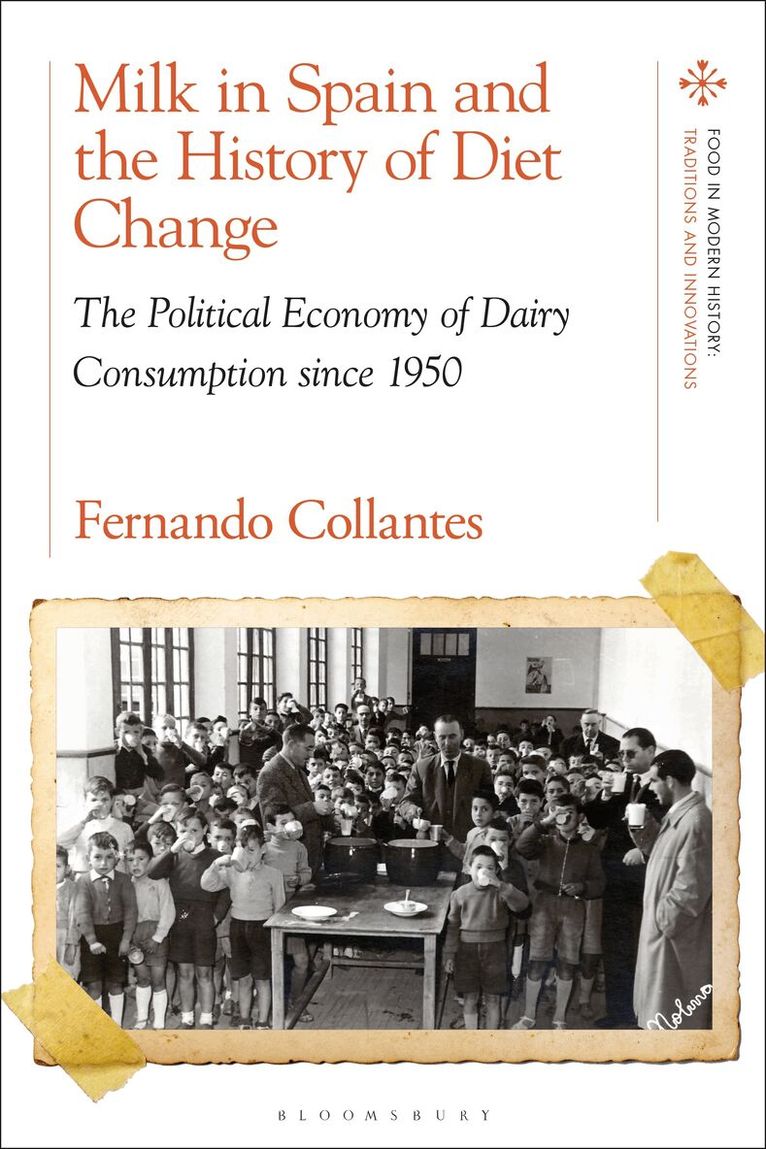
In barely three generations the Spanish diet has changed beyond recognition. The traditional concerns around nutritional health and scarcity have been mostly left behind, but they have given way to new problems linked to excess. In this book Fernando Collantes shows how the dairy industry has been central to this societal shift. From widespread calcium deficiency in the 1950s to the more recent, and controversial, turn to highly processed foods, it provides a recent history of diet change in Spain. Probing the reasons behind why this shift has occurred, and how, it shows that when it comes to food society, politics, economics and the law are intrinsically linked.Taking the reader beyond the world of food, Milk in Spain and the History of Diet Change combines qualitative and quantitative methods to position diet change within the broader debate on consumer society and ‘the good life’. Contrasting two models of food consumption, it shows that unless public policy takes the challenge of affluence seriously, the food system can become an obstacle to a better society.
1 245 kr
Skickas inom 10-15 vardagar
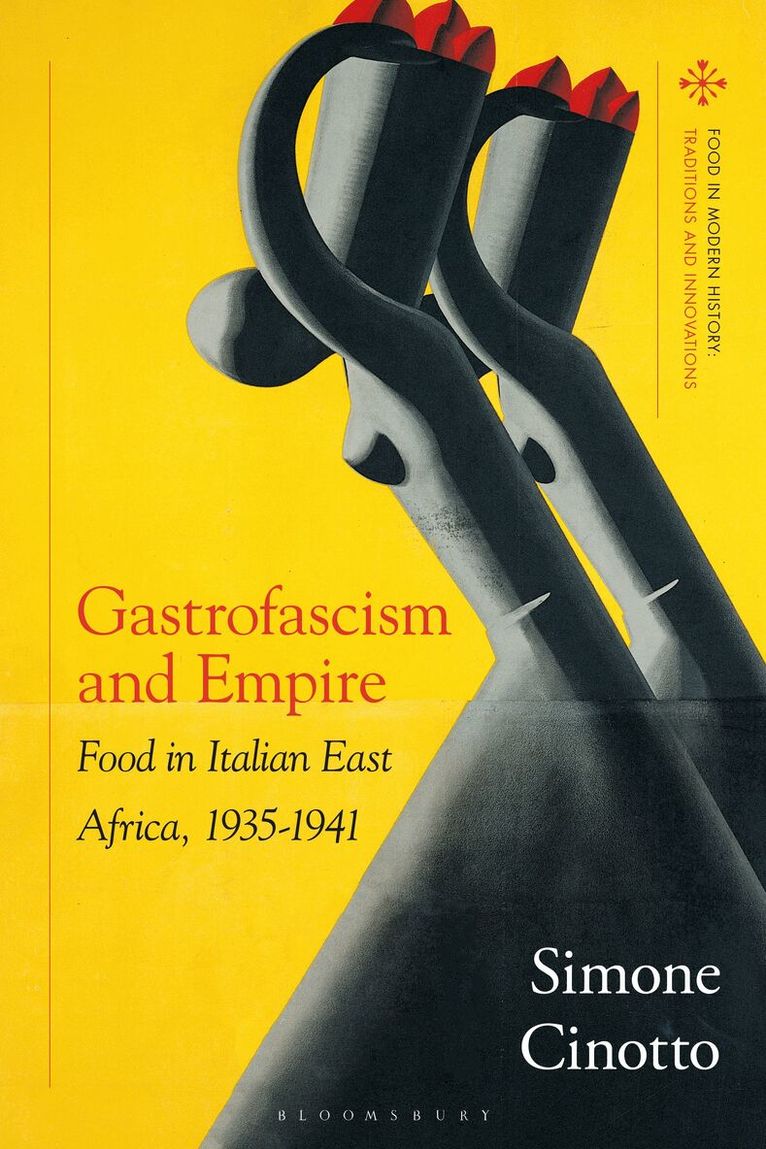
Food stood at the centre of Mussolini’s attempt to occupy Ethiopia and build an Italian Empire in East Africa. Seeking to redirect the surplus of Italian rural labor from migration overseas to its own Empire, the fascist regime envisioned transforming Ethiopia into Italy’s granary to establish self-sufficiency, demographic expansion and strengthen Italy’s international political position. While these plans failed, the extensive food exchanges and culinary hybridizations between Ethiopian and Italian food cultures thrived, and resulted in the creation of an Ethiopian-Italian cuisine, a taste of Empire at the margins.In studying food in short-lived Italian East Africa, Gastrofascism and Empire breaks significant new ground in our understanding of the workings of empire in the circulation of bodies, foodways, and global practices of dependence and colonialism, as well as the decolonizing practices of indigenous food and African anticolonial resistance. In East Africa, Fascist Italy brought older imperial models of global food to a hypermodern level in all its political, technoscientific, environmental, and nutritional aspects. This larger story of food sovereignty—entered in racist, mass settler colonialism—is dramatically different from the plantation and trade colonialisms of other empires and has never been comprehensively told. Using an original decolonizing food studies approach and an unprecedented variety of unexplored Ethiopian and Italian sources, Cinotto describes the different meanings of different foods for different people at different points of the imperial food chain. Exploring the subjectivities, agencies and emotions of Ethiopian and Italian men and women, it goes beyond simple colonizer/colonized binaries and offers a nuanced picture of lived, multisensorial experiences with food and empire.
461 kr
Skickas inom 10-15 vardagar
In the modern age (1920–2000), vast technological innovation spurred greater concentration, standardization, and globalization of the food supply. As advances in agricultural production in the post-World War II era propelled population growth, a significant portion of the population gained access to cheap, industrially produced food while significant numbers remained mired in hunger and malnutrition. Further, as globalization allowed unprecedented access to foods from all parts of the globe, it also hastened environmental degradation, contributed to poor health, and remained a key element in global politics, economics and culture.A Cultural History of Food in the Modern Age presents an overview of the period with essays on food production, food systems, food security, safety and crises, food and politics, eating out, professional cooking, kitchens and service work, family and domesticity, body and soul, representations of food, and developments in food production and consumption globally.
982 kr
Skickas inom 10-15 vardagar
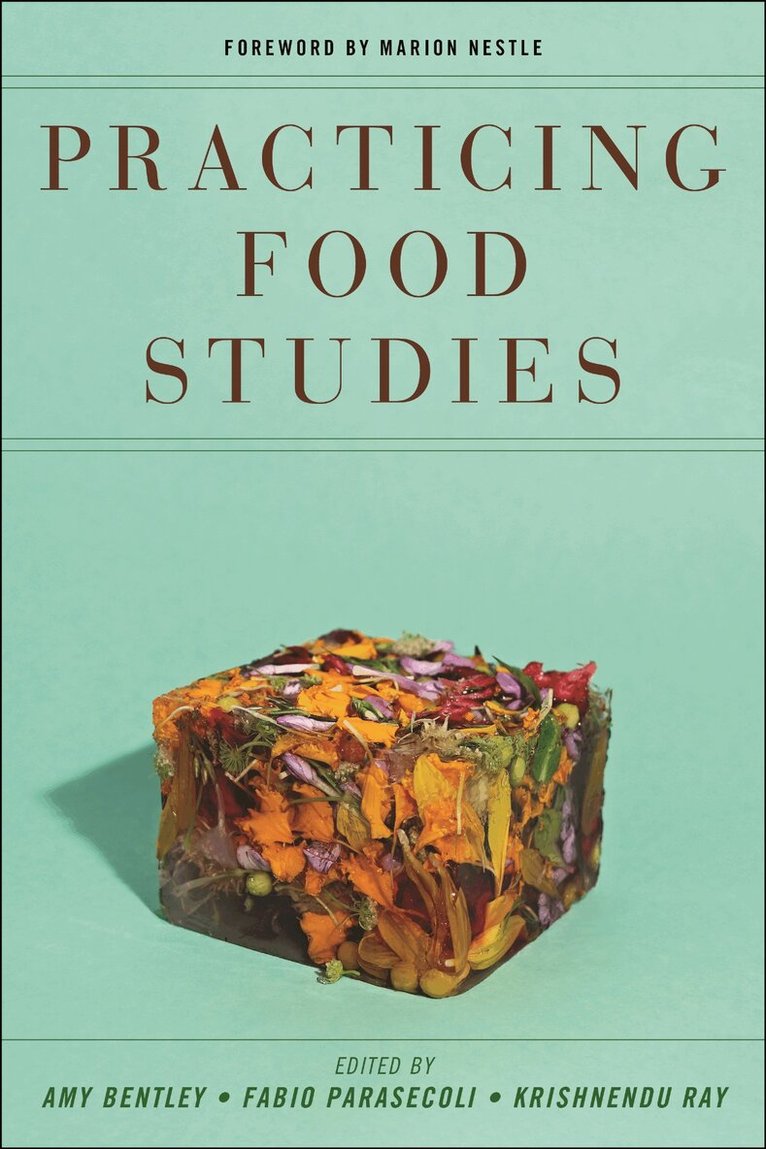
An introduction to the burgeoning field of food studies Popular and intellectual interest in food is on the rise. The breadth of concerns surrounding food ranges from animal welfare and climate change's impact on food production to debates on the healthfulness of carbohydrates and fats, and fair compensation for restaurant and farm workers. Not only is there an expanding conversation about the ways in which we produce and consume our food, but there is growing attention being placed on the myriad ways in which food expresses and shapes shifting identities.Practicing Food Studies details the turn of the twenty-first century development and flourishing of food studies as a multidisciplinary field, focusing on its establishment at New York University. Food studies scholars have come from various fields such as history, sociology, economics, political science, nutrition, or public policy, but often felt limited by the conventions of their traditional discipline. Many gravitated to food studies to be able to describe and critically examine their specific areas of interest beyond the borders of academic disciplines. This volume explores the history of knowledge in which NYU Food Studies emerged, providing the opportunity to reflect on how academic fields are created and evolve as a response to institutional constraints and opportunities, the landscape of ideas, social movements, and public conversations.Practicing Food Studies is a compelling collection of essays compiling the research, ideas, and experiences of faculty members and graduates of the NYU Food Studies program—mapping the paths for intellectual and social engagement with food systems and its most urgent issues.
319 kr
Skickas inom 7-10 vardagar
An introduction to the burgeoning field of food studies Popular and intellectual interest in food is on the rise. The breadth of concerns surrounding food ranges from animal welfare and climate change's impact on food production to debates on the healthfulness of carbohydrates and fats, and fair compensation for restaurant and farm workers. Not only is there an expanding conversation about the ways in which we produce and consume our food, but there is growing attention being placed on the myriad ways in which food expresses and shapes shifting identities.Practicing Food Studies details the turn of the twenty-first century development and flourishing of food studies as a multidisciplinary field, focusing on its establishment at New York University. Food studies scholars have come from various fields such as history, sociology, economics, political science, nutrition, or public policy, but often felt limited by the conventions of their traditional discipline. Many gravitated to food studies to be able to describe and critically examine their specific areas of interest beyond the borders of academic disciplines. This volume explores the history of knowledge in which NYU Food Studies emerged, providing the opportunity to reflect on how academic fields are created and evolve as a response to institutional constraints and opportunities, the landscape of ideas, social movements, and public conversations.Practicing Food Studies is a compelling collection of essays compiling the research, ideas, and experiences of faculty members and graduates of the NYU Food Studies program—mapping the paths for intellectual and social engagement with food systems and its most urgent issues.
1 578 kr
Skickas inom 10-15 vardagar
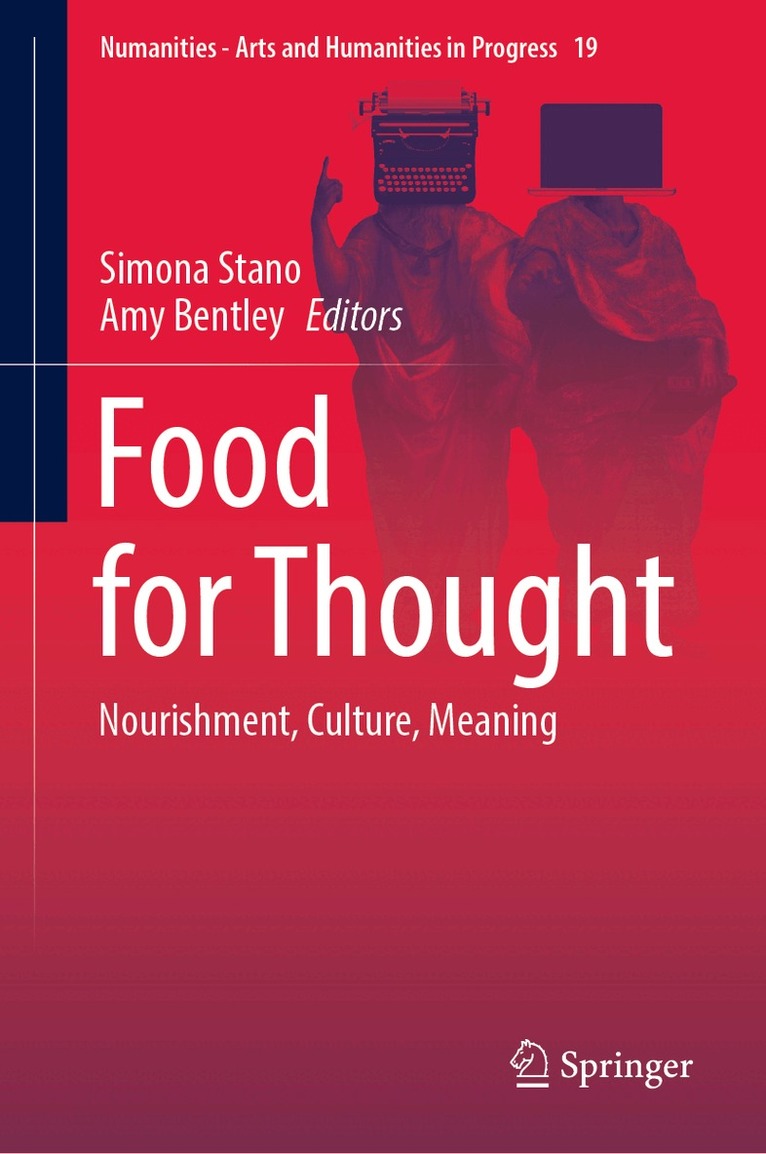
Food habits, preferences, and taboos are partially regulated by ecological and material factors - in other words, all food systems are structured and given particular functioning mechanisms by specific societies and cultures, either according to totemic, sacrificial, hygienic-rationalist, aesthetic, or other symbolic logics.
1 578 kr
Skickas inom 10-15 vardagar
Food habits, preferences, and taboos are partially regulated by ecological and material factors - in other words, all food systems are structured and given particular functioning mechanisms by specific societies and cultures, either according to totemic, sacrificial, hygienic-rationalist, aesthetic, or other symbolic logics.